Cats & Dogs
Potentially toxicConsulted references classify the plant as toxic or irritating for that pet type.
Verified against ASPCA/provenance audit 2026-05-06 on May 6, 2026.
Sources
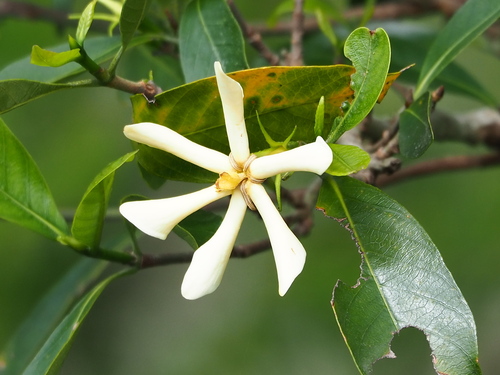
Gardenia jasminoides
Gardenia jasminoides is a popular flowering shrub known for its highly fragrant white blooms and glossy, dark green foliage. While prized for its beauty, it contains compounds that can cause gastrointestinal distress if ingested by pets.
Safety status
Cats & Dogs
Potentially toxicConsulted references classify the plant as toxic or irritating for that pet type.
Verified against ASPCA/provenance audit 2026-05-06 on May 6, 2026.
Sources
If a pet has chewed or swallowed plant material and is showing symptoms, contact a veterinarian or poison resource immediately. This product is for structured reference, not diagnosis.
Cats — concern notes
Common signs
Vomiting, diarrhea, and hypersalivation.
Escalation note
Ingestion typically results in mild to moderate gastrointestinal upset. Please contact your veterinarian if your cat shows signs of distress.
Dogs — concern notes
Common signs
Vomiting, diarrhea, and hives or skin irritation.
Escalation note
Symptoms are generally mild, but ingestion of large quantities may cause more significant digestive issues. Consult a veterinarian if you suspect ingestion.
Safer alternatives
Some links earn us a small commission. They never affect our safety classifications.
ASPCA Toxic Plant List
toxicology · 99% reliability
Gardenia contains geniposide and gardenoside, which can cause vomiting and diarrhea in cats and dogs.
NC State Extension Plant Toolbox
botanical · 94% reliability
Gardenia jasminoides is an evergreen shrub that thrives in acidic soil and is widely cultivated for its fragrant flowers.
Yes, gardenia (Gardenia jasminoides) is considered potentially toxic to cats. It contains compounds that cause gastrointestinal upset, though ingestion typically results in mild to moderate symptoms rather than life-threatening illness.
The most common signs are vomiting, diarrhea, and hypersalivation, usually appearing within a few hours of chewing the plant. Some cats also develop hives or skin redness around the mouth, along with decreased appetite and lethargy. Severe reactions are uncommon at typical household-plant exposure levels.
If your cat took a small nibble and shows no symptoms, you can monitor at home with ASPCA Animal Poison Control (888-426-4435) on standby. Call your vet or poison control if vomiting or diarrhea is repeated, if your cat refuses food for more than 12 hours, if you see blood, or if your cat seems weak or is developing spreading hives.
Onset and duration are not precisely documented, but the ASPCA describes gardenia toxicity as mild GI upset that in cats typically begins within a few hours of ingestion and resolves within 24–48 hours with supportive care.
Yes, gardenia (Gardenia jasminoides) is considered potentially toxic to dogs. It contains compounds that can cause vomiting, diarrhea, and hives or skin irritation if ingested. Symptoms are generally mild, but larger amounts can cause more significant digestive upset.
The most common signs are vomiting and diarrhea. Your dog may also develop hives or red, itchy skin around the muzzle, paws, or belly — especially where they brushed against the plant. Less commonly, you may see drooling, lip-licking, refusal to eat, or lethargy. A single chewed leaf in a large dog is usually uneventful.
Remove your dog's access to the plant and watch closely for vomiting, diarrhea, or skin irritation. A single mild GI episode that resolves on its own can typically be monitored at home. Call your vet or the ASPCA Animal Poison Control at (888) 426-4435 if vomiting or diarrhea continues past two or three episodes, if hives spread or worsen, if your dog seems unsteady, or if a puppy or small-breed dog has eaten more than a leaf or two.
GI signs from gardenia ingestion in dogs typically appear within a few hours of ingestion. The ASPCA does not document a specific onset window, but symptoms generally resolve within 24–48 hours. Monitor your dog during that period and contact a vet if symptoms worsen or don't improve.
Same safety verdict
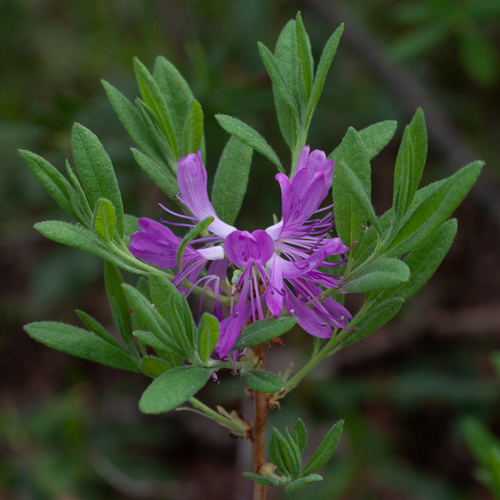
Azaleas are flowering shrubs in the Rhododendron genus that contain grayanotoxins, which can cause significant illness if ingested by pets. These plants are highly toxic and require immediate veterinary attention if consumption is suspected.
Potentially toxic for cats & dogs.
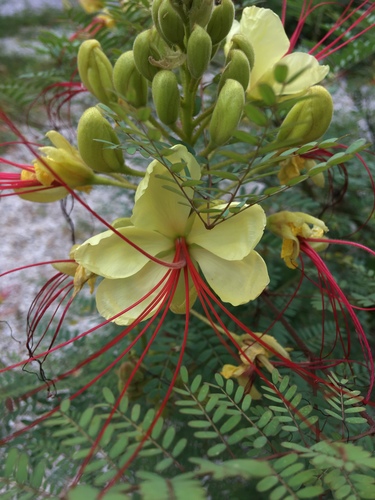
Barbados Pride is a flowering shrub known for its striking yellow flowers and long red stamens. It contains compounds that can cause gastrointestinal distress if ingested by pets.
Potentially toxic for cats & dogs.
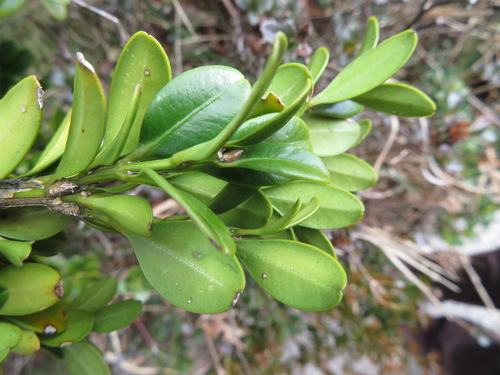
Boxwood is a popular evergreen shrub often used for hedging and topiary, containing steroidal alkaloids that can cause gastrointestinal distress if ingested. It is considered toxic to both cats and dogs.
Potentially toxic for cats & dogs.
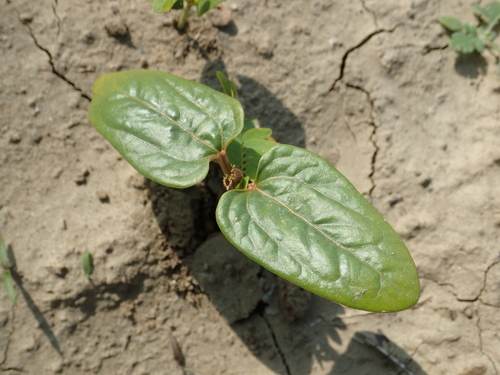
The African Wonder Tree is a fast-growing ornamental shrub known for its large, palm-like leaves and unique seed pods. It contains ricin, a highly potent toxin found throughout the plant, with the highest concentration in the seeds.
Potentially toxic for cats & dogs.
Same growing conditions