Cats & Dogs
Potentially toxicConsulted references classify the plant as toxic or irritating for that pet type.
Verified against ASPCA/provenance audit 2026-05-06 on May 6, 2026.
Sources
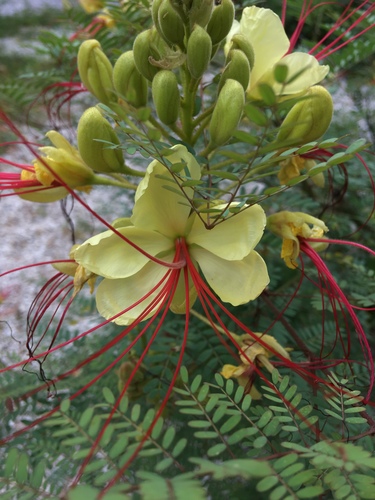
Caesalpinia gilliesii
Caesalpinia gilliesii, often called the Bird of Paradise shrub, is a flowering plant known for its striking yellow and red blooms. It contains compounds that can cause gastrointestinal distress if ingested by pets.
Safety status
Cats & Dogs
Potentially toxicConsulted references classify the plant as toxic or irritating for that pet type.
Verified against ASPCA/provenance audit 2026-05-06 on May 6, 2026.
Sources
If a pet has chewed or swallowed plant material and is showing symptoms, contact a veterinarian or poison resource immediately. This product is for structured reference, not diagnosis.
Cats — concern notes
Common signs
Vomiting, diarrhea, and abdominal pain.
Escalation note
Ingestion can lead to significant gastrointestinal upset. Please contact your veterinarian or an animal poison control center if you suspect your cat has consumed any part of this plant.
Dogs — concern notes
Common signs
Vomiting, diarrhea, and lethargy.
Escalation note
Consumption may cause irritation to the digestive tract. Always consult a veterinarian if your dog shows signs of illness after exposure to this plant.
Safer alternatives
No hand-picked alternatives for this plant yet. You can still pick your own using the Compare button on any other plant.
ASPCA Toxic Plant List
toxicology · 99% reliability
Bird of Paradise (Caesalpinia gilliesii) is listed as toxic to cats and dogs.
NC State Extension Plant Toolbox
botanical · 94% reliability
Caesalpinia gilliesii is a deciduous shrub that is toxic if ingested.
Yes, Desert Bird of Paradise (Caesalpinia gilliesii) is potentially toxic to cats. Ingestion can cause vomiting, diarrhea, and abdominal pain, and should be treated as a veterinary concern.
Expect sudden drooling, pawing at the mouth, vomiting, and diarrhea. Cats may also show difficulty swallowing and unsteady movement. Oral irritation tends to appear quickly due to a burning sensation in the mouth, with gastrointestinal signs following over the next several hours.
Call your veterinarian or ASPCA Animal Poison Control (888-426-4435) right away, especially if your cat is drooling heavily, vomiting repeatedly, seems uncoordinated, or is showing signs of oral pain or swelling. Do not wait to see if symptoms resolve on their own.
Oral irritation can appear shortly after your cat bites the plant; gastrointestinal signs such as vomiting and diarrhea typically follow over the next several hours. The ASPCA's listing does not specify exact onset or duration beyond this general pattern.
Yes, Desert Bird of Paradise (Caesalpinia gilliesii) is potentially toxic to dogs. Ingestion can cause irritation to the digestive tract, resulting in vomiting, diarrhea, and lethargy.
Expect vomiting and diarrhea, often accompanied by drooling and pawing at the mouth from oral burning. Some dogs become uncoordinated, especially after eating multiple seed pods, and repeated GI losses can leave dogs visibly tired or dehydrated.
Call your veterinarian or the ASPCA Animal Poison Control Center at (888) 426-4435 if vomiting persists, your dog refuses water, or you notice ataxia or weakness. Dehydration from repeated vomiting and diarrhea is the main reason this becomes urgent.
The ASPCA does not quantify exact onset times, but signs typically appear within hours of ingestion. Symptoms generally resolve as the gastrointestinal tract clears, though severity depends on how much of the plant — particularly the seed pods — was consumed.
Often compared with
Same safety verdict
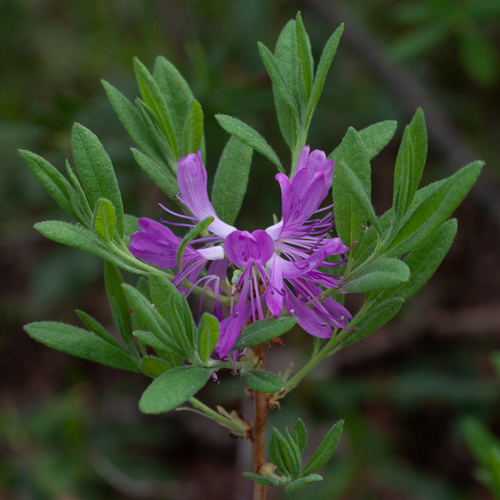
Azaleas are flowering shrubs in the Rhododendron genus that contain grayanotoxins, which can cause significant illness if ingested by pets. These plants are highly toxic and require immediate veterinary attention if consumption is suspected.
Potentially toxic for cats & dogs.
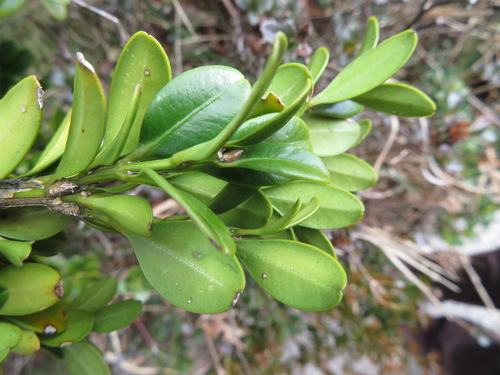
Boxwood is a popular evergreen shrub often used for hedging and topiary, containing steroidal alkaloids that can cause gastrointestinal distress if ingested. It is considered toxic to both cats and dogs.
Potentially toxic for cats & dogs.
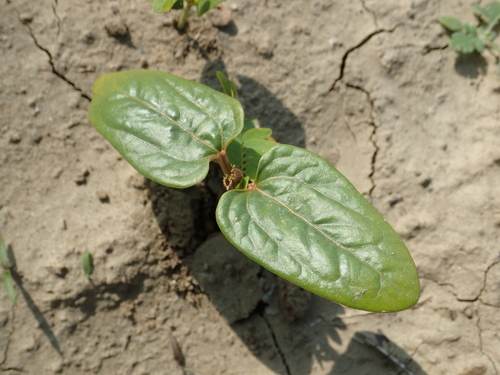
The African Wonder Tree is a fast-growing ornamental shrub known for its large, palm-like leaves and unique seed pods. It contains ricin, a highly potent toxin found throughout the plant, with the highest concentration in the seeds.
Potentially toxic for cats & dogs.
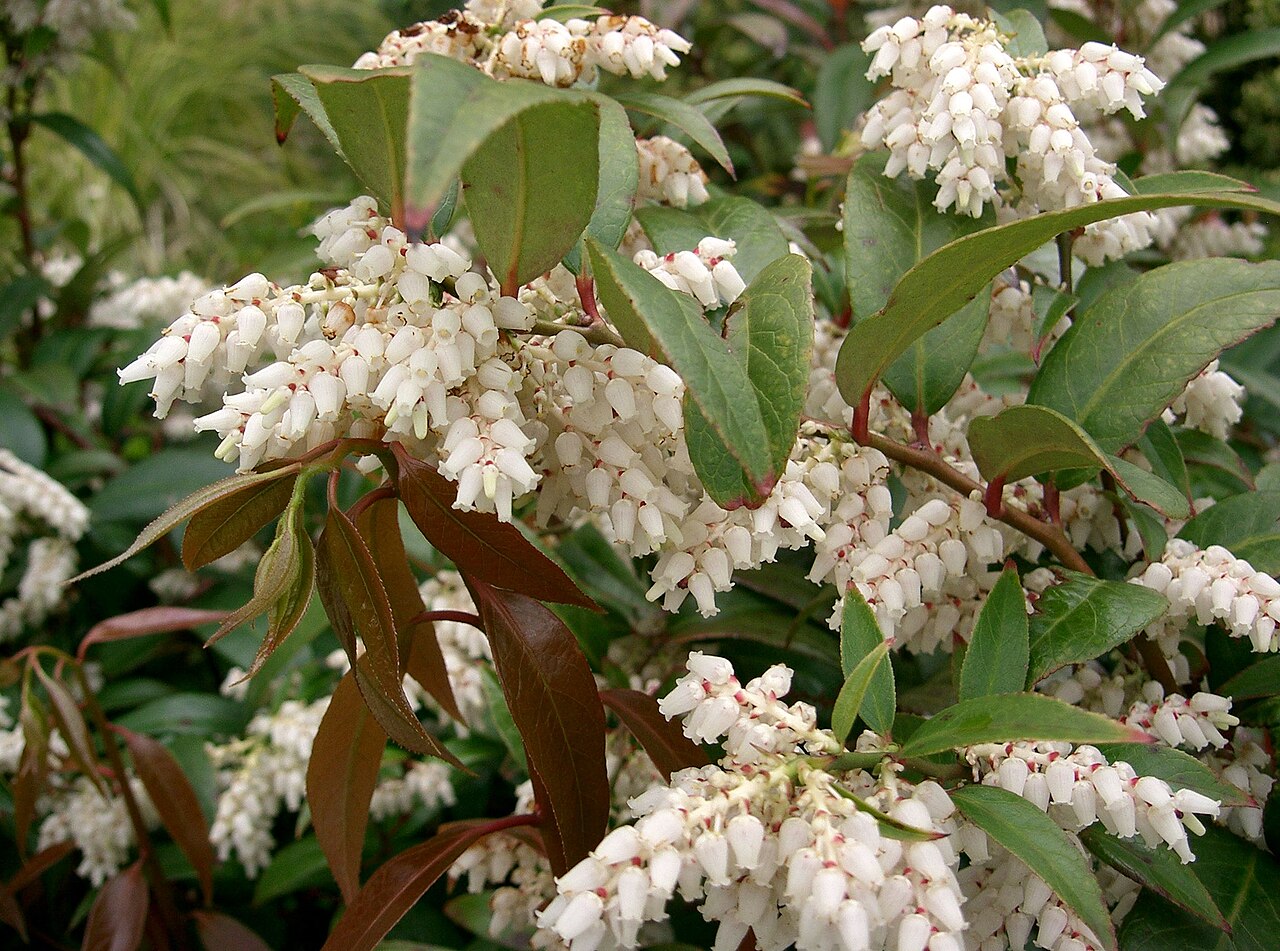
Dog Hobble is a genus of evergreen shrubs in the heath family known for their arching branches and drooping clusters of bell-shaped flowers. The plant contains grayanotoxins, which are harmful if ingested by pets.
Potentially toxic for cats & dogs.