Cats & Dogs
Potentially toxicConsulted references classify the plant as toxic or irritating for that pet type.
Verified against ASPCA/provenance audit 2026-05-06 on May 6, 2026.
Sources
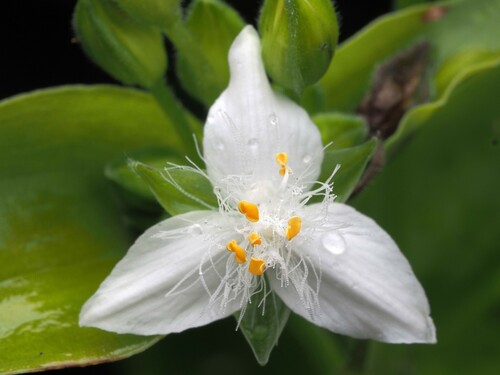
Tradescantia fluminensis
The Inch Plant is a fast-growing, trailing perennial often kept as a houseplant for its attractive, variegated foliage. It contains sap that can cause irritation upon contact or ingestion.
Safety status
Cats & Dogs
Potentially toxicConsulted references classify the plant as toxic or irritating for that pet type.
Verified against ASPCA/provenance audit 2026-05-06 on May 6, 2026.
Sources
If a pet has chewed or swallowed plant material and is showing symptoms, contact a veterinarian or poison resource immediately. This product is for structured reference, not diagnosis.
Cats — concern notes
Common signs
Dermatitis, redness, itching, and potential gastrointestinal upset if ingested.
Escalation note
Contact with the plant sap can cause skin irritation. If your cat has ingested any part of this plant, please contact your veterinarian for guidance.
Dogs — concern notes
Common signs
Skin irritation, redness, scratching, and potential vomiting or diarrhea if ingested.
Escalation note
The plant is known to cause allergic skin reactions in dogs. Monitor your pet closely and consult a veterinarian if you suspect ingestion or observe persistent skin irritation.
Safer alternatives
No hand-picked alternatives for this plant yet. You can still pick your own using the Compare button on any other plant.
ASPCA Toxic Plant List
toxicology · 99% reliability
Tradescantia fluminensis is listed as toxic to both cats and dogs, primarily causing skin irritation.
NC State Extension Plant Toolbox
botanical · 94% reliability
A trailing perennial that is widely naturalized and often used as a groundcover or hanging basket plant.
Yes, Wandering Dude is considered potentially toxic to cats. The plant's sap can cause dermatitis — redness, itching, and small inflamed bumps — upon contact, and ingesting any part of the plant may cause gastrointestinal upset.
Skin reactions are the most common sign: redness, itching, and inflamed bumps, most often around the mouth, chin, and paws where the cat brushed against or chewed the plant. Excessive grooming or licking of irritated areas is typical. The ASPCA does not specifically list vomiting or diarrhea as expected signs from this plant in cats.
Remove the plant from your cat's environment immediately to stop further exposure. For skin irritation, gently rinse the affected area with water. If your cat ingested any part of the plant, contact your veterinarian or the ASPCA Animal Poison Control Center at (888) 426-4435. Call your vet if redness persists beyond 24 hours, spreads, or shows signs of infection such as oozing, scabbing, or hair loss.
Skin reactions typically develop within hours of contact and may take several days to fully resolve, especially if the plant remains in the cat's environment. The ASPCA does not publish an exact recovery timeline, but removing the plant and preventing further contact is the key first step.
Yes, Wandering Dude is potentially toxic to dogs. Its sap can cause allergic skin reactions including redness, irritation, and small inflamed bumps, and ingestion may cause vomiting or diarrhea.
Look for redness and small inflamed bumps on lightly haired areas — the belly, armpits, groin, and between the toes. Your dog may also persistently scratch, lick, or chew at the irritated spots. Chronic exposure can lead to thickened skin or hair loss in areas your dog has been chewing.
Remove your dog from the plant and rinse any contacted skin with water. If skin irritation or GI symptoms like vomiting or diarrhea develop, call your vet or the ASPCA Animal Poison Control Center at (888) 426-4435. Allergic-style dermatitis can appear within hours and may persist for days while the plant remains in the environment.
Call your vet if itching or skin lesions persist more than a day or two after removing the plant, if affected areas look infected (oozing, foul smell), or your dog can't stop scratching. Severe or ongoing dermatitis may require cortisone or antibiotics to resolve.
Often compared with
Same safety verdict
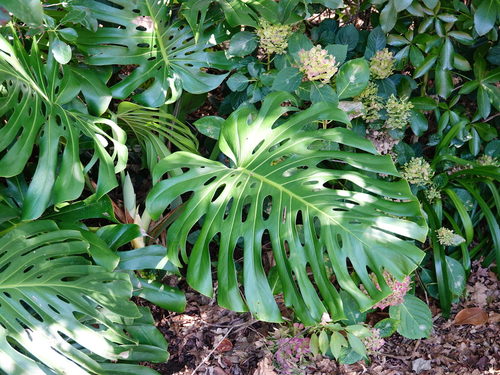
Monstera deliciosa is a popular tropical houseplant known for its large, fenestrated leaves and vining growth habit. It contains insoluble calcium oxalate crystals that can cause irritation if ingested by pets.
Potentially toxic for cats & dogs.
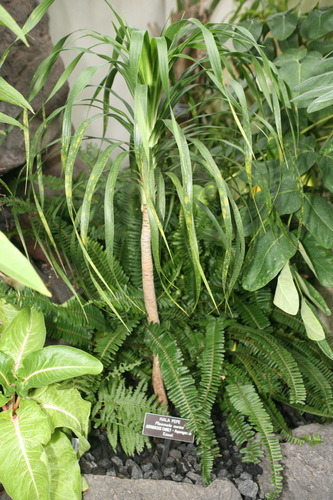
Dracaena trifasciata is a popular, hardy houseplant known for its stiff, sword-like leaves with striking yellow margins. It is widely appreciated for its air-purifying qualities and ability to thrive in various indoor conditions.
Potentially toxic for cats & dogs.
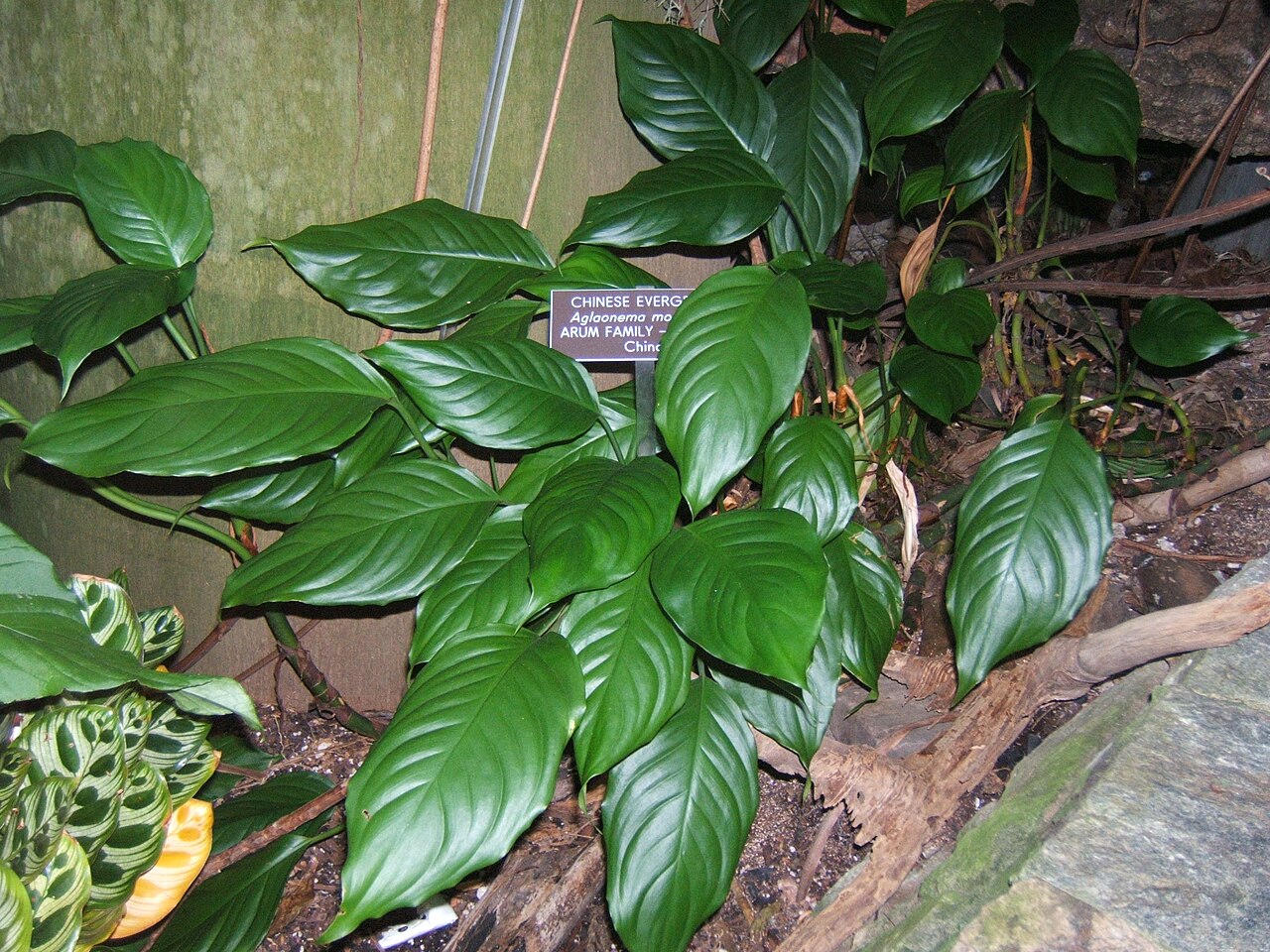
Chinese Evergreen is a popular indoor foliage plant known for its patterned leaves and tolerance of low light conditions. It contains insoluble calcium oxalate crystals that can cause irritation if ingested or chewed.
Potentially toxic for cats & dogs.
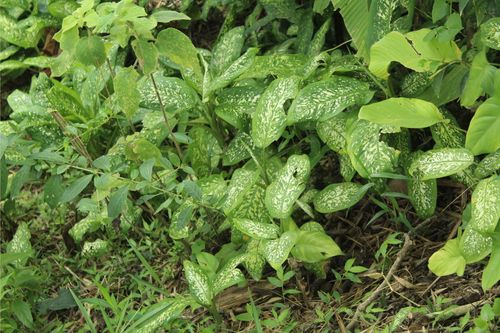
Dieffenbachia is a popular tropical houseplant known for its large, variegated leaves. It contains insoluble calcium oxalate crystals that can cause irritation if ingested or chewed.
Potentially toxic for cats & dogs.
Same growing conditions
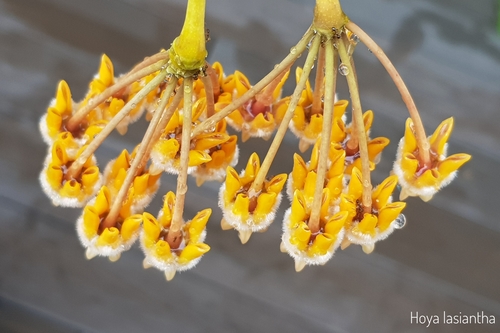
Hoya is a popular, low-maintenance trailing houseplant known for its waxy, succulent-like leaves and fragrant clusters of star-shaped flowers. It is considered safe for households with pets, though ingestion of large amounts of plant material may cause minor digestive discomfort.
Not yet rated for cats.
Not yet rated for dogs.
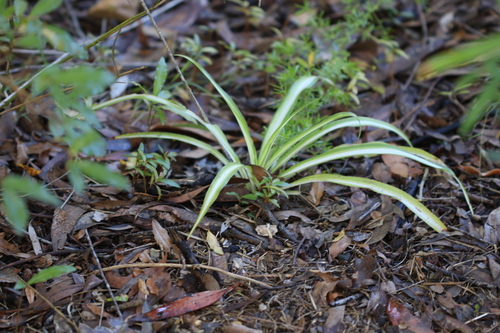
The spider plant is a popular, easy-to-care-for houseplant known for its arching, grass-like foliage and trailing plantlets. It is widely considered safe for households with pets, though large ingestions of fibrous material may occasionally cause mild digestive upset.
Generally safe for cats & dogs.
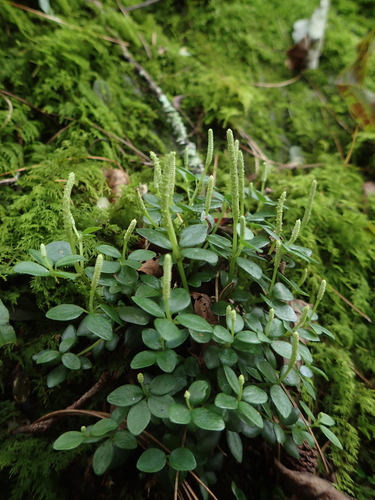
Peperomia is a diverse genus of popular, low-maintenance houseplants known for their thick, succulent-like foliage and compact growth habit. They are generally considered safe for households with pets, though individual plant parts can cause minor digestive discomfort if consumed in large quantities.
Generally safe for cats.
Not yet rated for dogs.
The Bread and Butter plant is a succulent herb known for its aromatic, fleshy leaves often used in culinary applications. While popular as a kitchen herb, it contains essential oils that can cause gastrointestinal distress if ingested by pets.
Potentially toxic for cats & dogs.