Cats & Dogs
Potentially toxicConsulted references classify the plant as toxic or irritating for that pet type.
Verified against ASPCA/provenance audit 2026-05-06 on May 6, 2026.
Sources
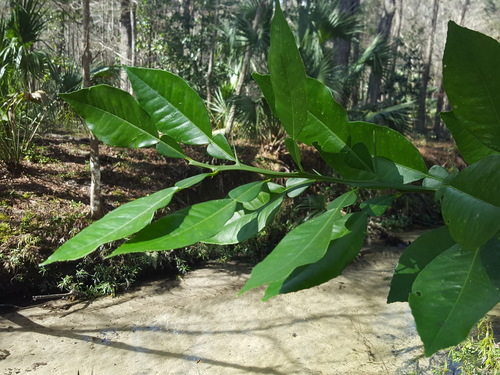
Citrus aurantium
Citrus aurantium is a citrus tree known for its fragrant flowers and bitter fruit, often used in essential oil production. It contains compounds that can cause adverse reactions if ingested by pets.
Safety status
Cats & Dogs
Potentially toxicConsulted references classify the plant as toxic or irritating for that pet type.
Verified against ASPCA/provenance audit 2026-05-06 on May 6, 2026.
Sources
If a pet has chewed or swallowed plant material and is showing symptoms, contact a veterinarian or poison resource immediately. This product is for structured reference, not diagnosis.
Cats — concern notes
Common signs
Vomiting, diarrhea, lethargy, and potential photosensitivity.
Escalation note
Ingestion of plant parts or essential oils can cause gastrointestinal upset and skin irritation. Please contact your veterinarian if your cat has ingested any part of this plant.
Dogs — concern notes
Common signs
Vomiting, diarrhea, drooling, and potential skin irritation upon contact.
Escalation note
The plant contains essential oils and psoralens that may cause digestive distress or sensitivity to light. Consult a veterinarian if you suspect your dog has consumed this plant.
Safer alternatives
No hand-picked alternatives for this plant yet. You can still pick your own using the Compare button on any other plant.
ASPCA Toxic Plant List
toxicology · 99% reliability
Bitter Orange is listed as toxic to dogs and cats due to essential oils and psoralens.
Kew Plants of the World Online
botanical · 95% reliability
Accepted botanical name Citrus aurantium L.
Yes, bitter orange (Citrus aurantium) is potentially toxic to cats. The plant contains compounds that can cause vomiting, diarrhea, lethargy, and photosensitivity reactions. This includes the fruit, peel, leaves, and especially the concentrated essential oils derived from the plant.
The most common signs are vomiting, diarrhea, and depression — the cat goes quiet, hides, or stops grooming. Drooling and pawing at the mouth from oral irritation are also typical. With heavier exposure or skin contact with bitter-orange essential oil, watch for tremors, weakness, and photosensitivity reactions (redness, dermatitis on lightly haired areas like the ears, nose, and belly) after sun exposure. GI signs typically begin within 2–6 hours; photosensitivity reactions can develop over 1–3 days with sunlight exposure.
Call your vet or the ASPCA Animal Poison Control Center at (888) 426-4435 right away if your cat is vomiting repeatedly, very lethargic, drooling, or unsteady. If essential oil got on your cat's skin, call before bathing — using the wrong solvent can drive the oil deeper into the skin. Do not attempt to treat at home without guidance.
Yes, the concentrated essential oil poses an additional risk beyond eating plant parts: topical exposure can cause skin irritation and is treated as a separate emergency from ingestion. The oil can penetrate skin on contact, so if your cat walked through spilled bitter-orange oil or was groomed with an oil-containing product, that is its own reason to call poison control immediately, even if your cat shows no signs yet.
Yes, Bitter Orange (Citrus aurantium) is potentially toxic to dogs. The plant contains essential oils and psoralens that can cause vomiting, diarrhea, drooling, and skin irritation — so keep dogs away from the fruit, peel, leaves, and any essential oils derived from it.
Most dogs show vomiting, diarrhea, drooling, and oral irritation within 2–6 hours of eating the peel or leaves. If sap or oil gets on the skin, watch for redness on lightly haired areas like the belly, groin, or muzzle; photosensitivity dermatitis can appear the following day after sun exposure. In cases involving concentrated oil ingestion, weakness or tremors are also possible.
A single small piece of peel rarely causes more than mild GI upset in a healthy adult dog, but call your vet right away if your dog vomits more than once, seems lethargic, or got essential oil on its skin or fur — call before attempting to bathe it. Small, very young, or already unwell dogs warrant a call even for minor ingestion. You can also reach the ASPCA Animal Poison Control Center at (888) 426-4435.
The hazard comes from essential oils and psoralens found throughout the plant, but the peel is particularly concentrated in these compounds. Psoralens are the chemical behind photosensitivity reactions: after skin contact with sap or oil, sun exposure within the next 24–72 hours can trigger dermatitis on lightly haired areas. The essential oils drive the GI symptoms — vomiting, diarrhea, and drooling — that typically appear within 2–6 hours of ingestion.
Often compared with
Commonly confused with
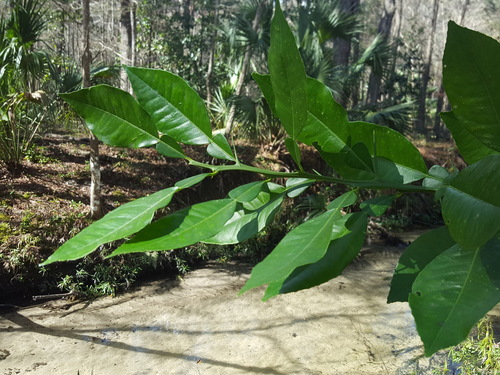
The sweet orange is a popular citrus tree known for its fragrant blossoms and edible fruit. While the fruit is a common food item, the essential oils and plant parts contain compounds that can cause irritation to pets.
Potentially toxic for cats & dogs.
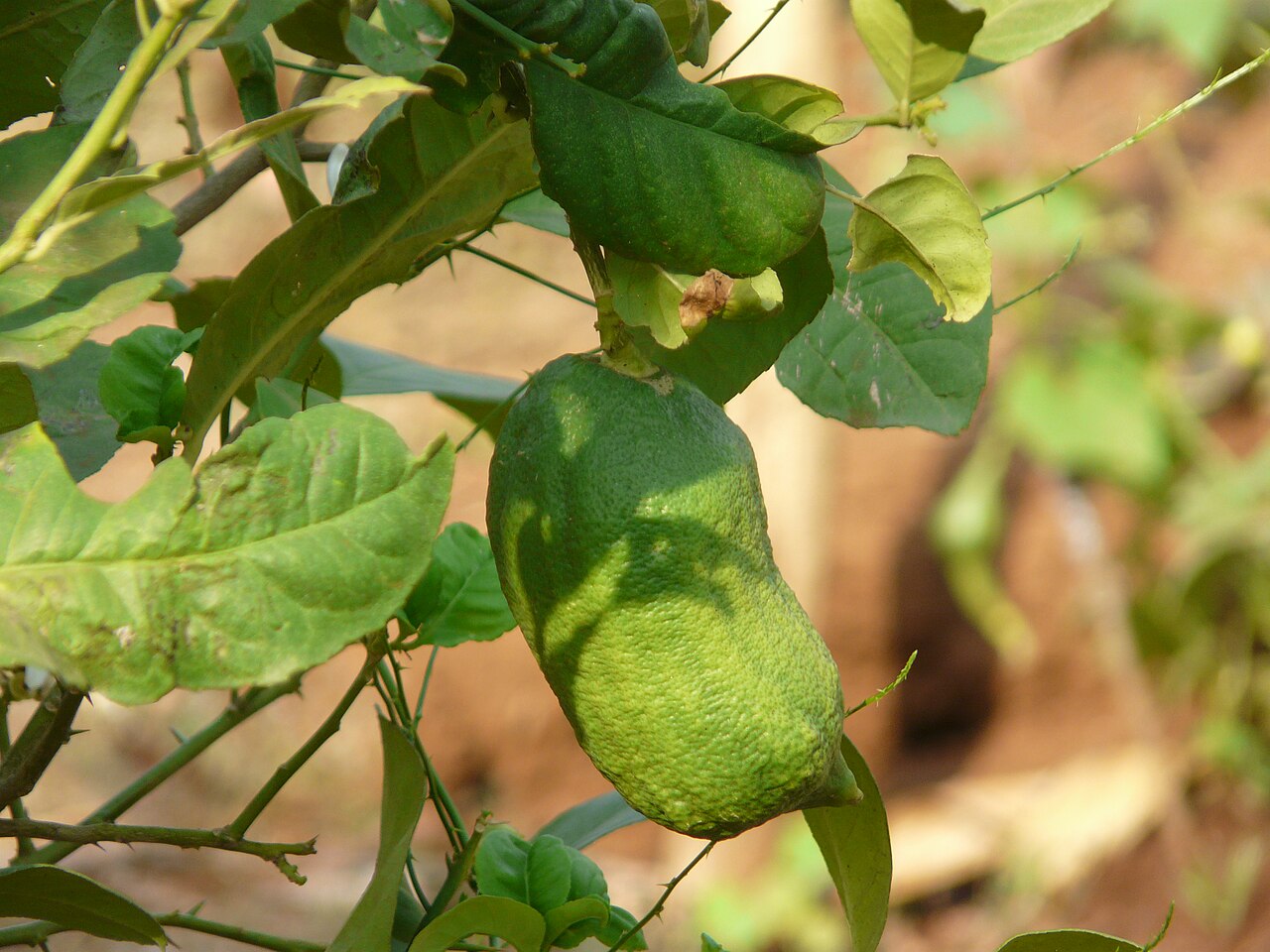
The lemon tree is a popular citrus plant known for its fragrant blossoms and acidic fruit. While often grown for culinary use, all parts of the plant contain essential oils and psoralens that can cause adverse reactions in pets.
Potentially toxic for cats & dogs.
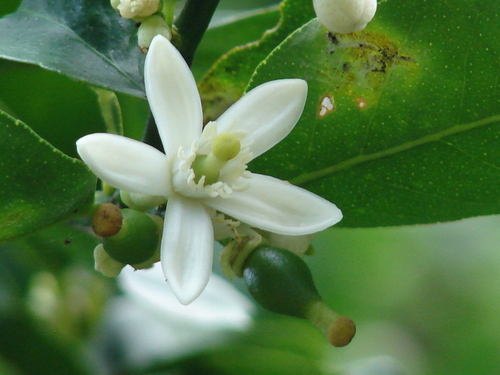
The lime tree is a citrus species known for its aromatic foliage and fruit. While popular as a houseplant, all parts of the plant contain essential oils and psoralens that can be harmful to pets if ingested.
Potentially toxic for cats & dogs.
Same safety verdict
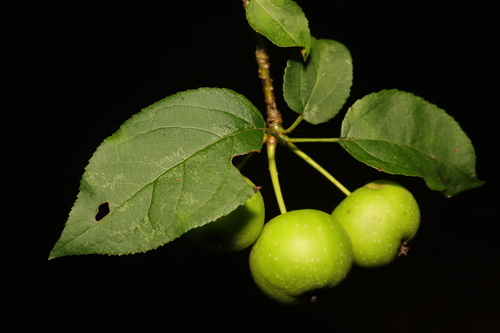
The apple tree is a deciduous fruit-bearing plant known for its edible fruit, though the seeds and foliage contain cyanogenic glycosides that can be harmful if ingested in large quantities. While the fruit flesh is generally safe, the plant parts containing amygdalin pose a risk to pets.
Potentially toxic for cats & dogs.
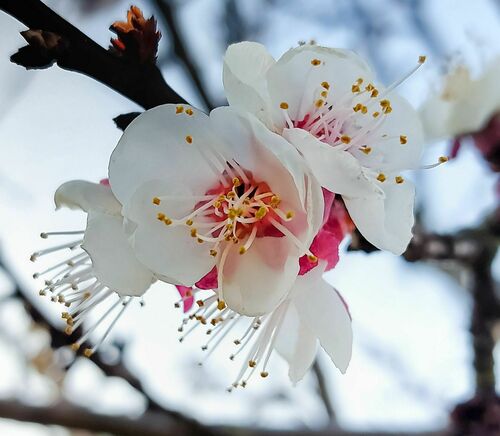
The apricot tree is a fruit-bearing species in the rose family. While the fruit flesh is generally considered safe, the stems, leaves, and seeds contain cyanogenic glycosides that can be harmful if ingested.
Potentially toxic for cats & dogs.
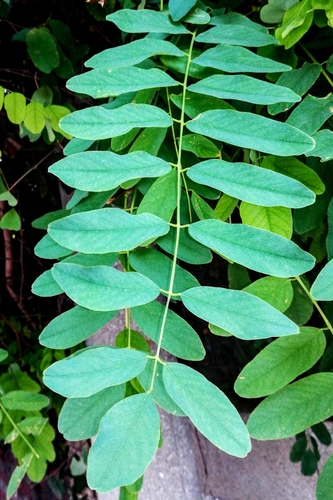
Robinia species, commonly known as locust trees, contain toxic proteins and alkaloids throughout the bark, leaves, and seeds. Ingestion can lead to significant gastrointestinal and neurological distress in pets.
Potentially toxic for cats & dogs.
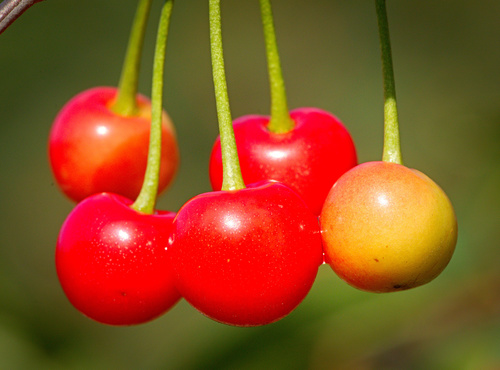
Prunus avium is a deciduous tree known for its edible fruit, but its stems, leaves, and seeds contain cyanogenic glycosides that can be harmful if ingested by pets. It is widely cultivated for fruit production and as an ornamental specimen.
Potentially toxic for cats & dogs.
Same growing conditions
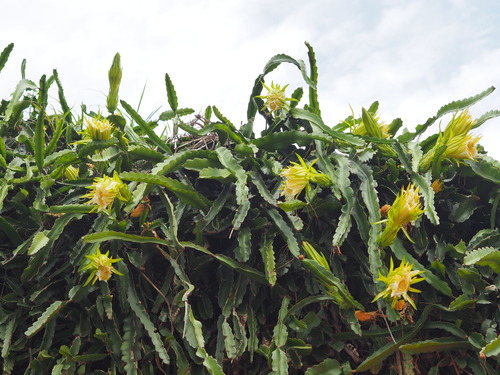
The Dragon Fruit Cactus is a fast-growing, vining succulent known for its large, fragrant nocturnal flowers and edible fruit. It is considered non-toxic to pets, though its fibrous nature may cause mild digestive upset if consumed in large quantities.
Generally safe for cats & dogs.
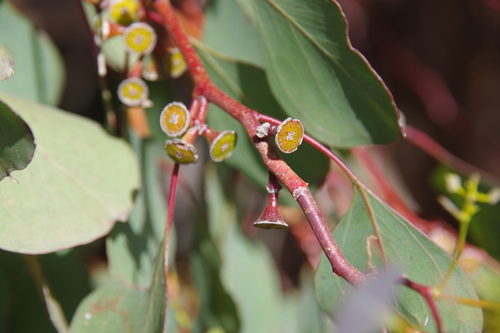
Eucalyptus is a diverse genus of evergreen trees and shrubs known for their aromatic, oil-rich foliage. While popular in floral arrangements and essential oils, the plant contains compounds that can be harmful if ingested by pets.
Potentially toxic for cats & dogs.
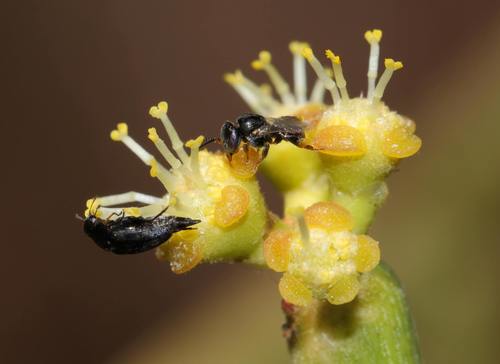
The Pencil Cactus is a succulent shrub known for its pencil-thin, leafless branches that contain a highly irritating milky white sap. It is widely recognized for its ornamental value but requires careful handling due to its toxic properties.
Potentially toxic for cats & dogs.