Cats & Dogs
Potentially toxicConsulted references classify the plant as toxic or irritating for that pet type.
Verified against ASPCA/provenance audit 2026-05-06 on May 6, 2026.
Sources
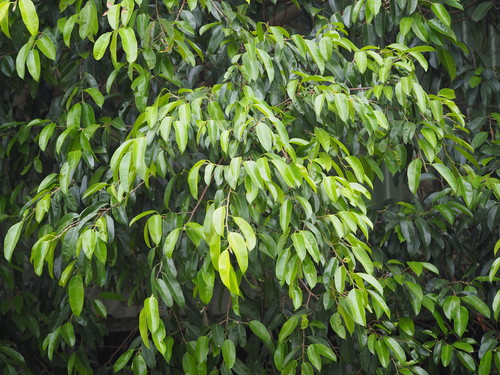
Ficus benjamina
The Weeping Fig is a popular indoor tree known for its glossy, arching foliage and elegant, pendulous branches. It contains a milky sap that can cause irritation upon contact or ingestion.
Safety status
Cats & Dogs
Potentially toxicConsulted references classify the plant as toxic or irritating for that pet type.
Verified against ASPCA/provenance audit 2026-05-06 on May 6, 2026.
Sources
If a pet has chewed or swallowed plant material and is showing symptoms, contact a veterinarian or poison resource immediately. This product is for structured reference, not diagnosis.
Cats — concern notes
Common signs
Oral irritation, excessive drooling, vomiting, and skin irritation if the sap contacts the skin.
Escalation note
Ingestion typically results in mild to moderate gastrointestinal upset. Please contact your veterinarian if your cat has ingested any part of this plant.
Dogs — concern notes
Common signs
Drooling, vomiting, diarrhea, and potential skin irritation or dermatitis from sap exposure.
Escalation note
While usually not life-threatening, ingestion can cause significant discomfort. Consult your veterinarian for guidance if ingestion is suspected.
Safer alternatives
Some links earn us a small commission. They never affect our safety classifications.
ASPCA Toxic Plant List
toxicology · 99% reliability
The Weeping Fig contains ficin and ficusin, which can cause irritation to the skin and gastrointestinal tract.
NC State Extension Plant Toolbox
botanical · 94% reliability
Ficus benjamina is a woody evergreen tree that is widely used as a houseplant but is known to be toxic to pets.
The milky sap is the primary irritant — it causes mouth and skin irritation on direct contact, whether from chewing leaves, stems, or brushing against the plant. The irritation is localized rather than systemic, but any part of the plant that releases sap poses a risk to cats.
Yes, Weeping Fig is toxic to cats. The plant's milky sap causes oral irritation, excessive drooling, vomiting, and skin irritation on contact — classified as potentially toxic with mild to moderate gastrointestinal effects in most cases.
Expect drooling, mouth-pawing, and vomiting from chewing the plant, plus red or itchy skin patches if sap contacts the coat or eyes. Signs typically appear within minutes of contact. Pet Poison Helpline notes that Ficus signs are mostly local mouth and GI irritation rather than systemic illness.
Wipe any sap off your cat's coat and skin with a damp cloth, and gently rinse the mouth with cool water if your cat tolerates it. Do not attempt to induce vomiting — Pet Poison Helpline is explicit that there is no safe way to do this in cats and hydrogen peroxide should never be given to them. Call your vet or ASPCA Animal Poison Control (888) 426-4435 if drooling and vomiting persist for more than a few hours, sap reached the eyes, or skin irritation spreads or blisters.
Yes, weeping fig (Ficus benjamina) is potentially toxic to dogs. The milky sap in the plant causes gastrointestinal and dermal irritation, resulting in drooling, vomiting, diarrhea, and red itchy skin where the sap makes contact.
Expect mostly local mouth and GI irritation rather than a systemic reaction. Dogs typically show drooling, lip-smacking, retching or vomiting, and sometimes diarrhea. Symptoms usually appear within minutes of contact and are rarely life-threatening, but can cause significant discomfort.
Wipe any sap off your dog's coat, paws, and muzzle with a damp cloth to reduce contact irritation. Offer fresh water, but do not give hydrogen peroxide or induce vomiting without guidance from a specialist. Call ASPCA Animal Poison Control at (888) 426-4435 before starting any home treatment.
Yes — the sap causes contact dermatitis on exposed skin, producing red, itchy patches. Call your vet or ASPCA Animal Poison Control (888-426-4435) if the skin reaction blisters or spreads beyond the contact area, or if sap has reached your dog's eyes.
Same safety verdict
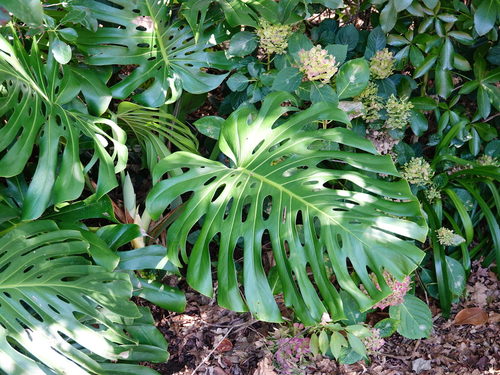
Monstera deliciosa is a popular tropical houseplant known for its large, fenestrated leaves and vining growth habit. It contains insoluble calcium oxalate crystals that can cause irritation if ingested by pets.
Potentially toxic for cats & dogs.

Dracaena trifasciata is a popular, hardy houseplant known for its stiff, sword-like leaves with striking yellow margins. It is widely appreciated for its air-purifying qualities and ability to thrive in various indoor conditions.
Potentially toxic for cats & dogs.
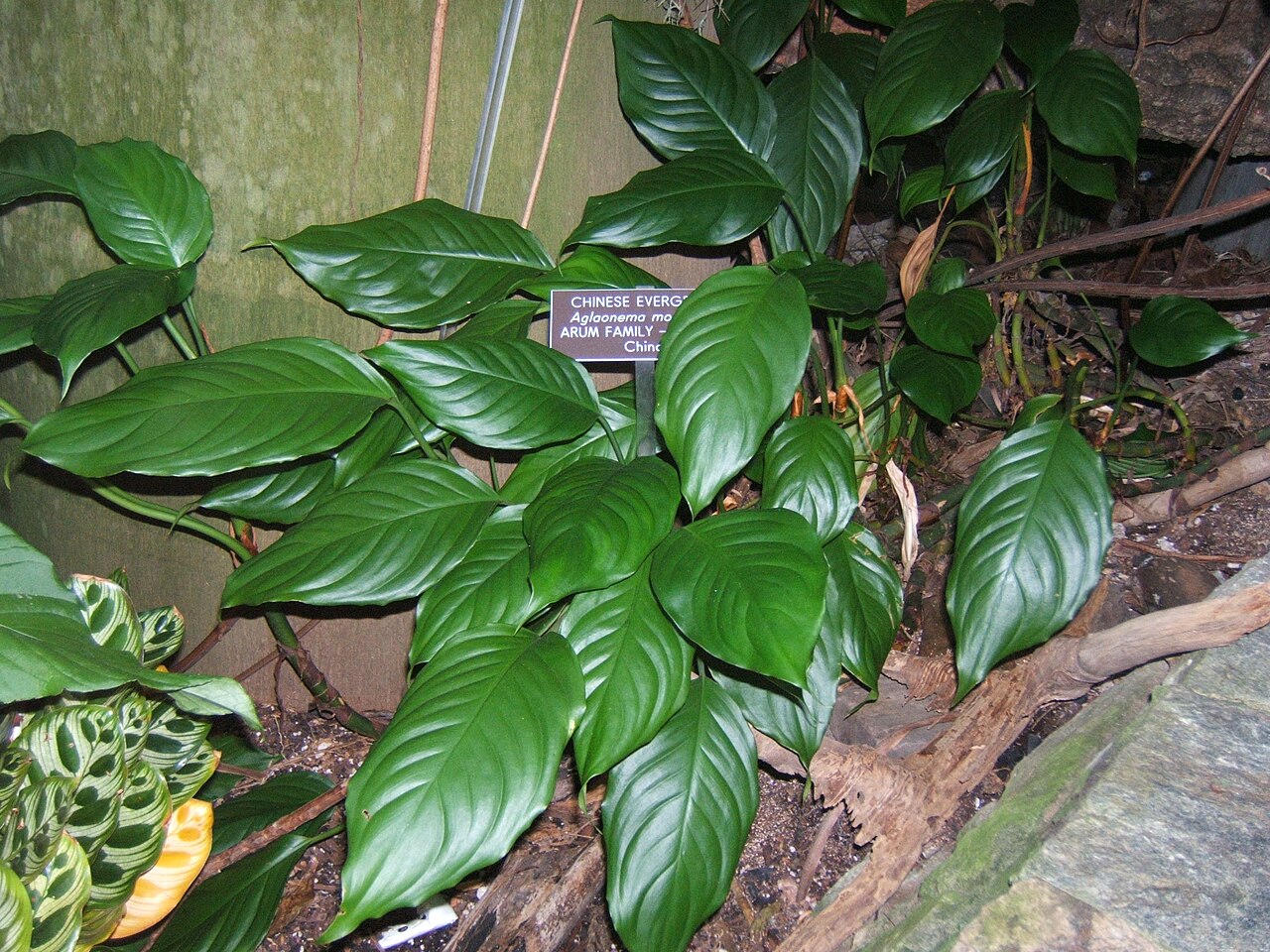
Chinese Evergreen is a popular indoor foliage plant known for its patterned leaves and tolerance of low light conditions. It contains insoluble calcium oxalate crystals that can cause irritation if ingested or chewed.
Potentially toxic for cats & dogs.
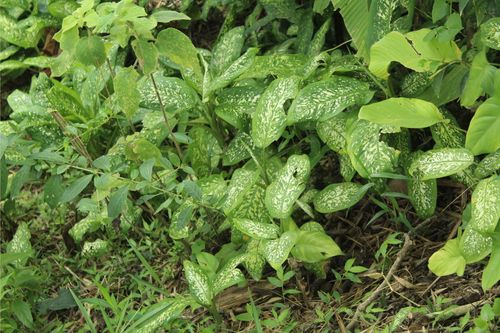
Dieffenbachia is a popular tropical houseplant known for its large, variegated leaves. It contains insoluble calcium oxalate crystals that can cause irritation if ingested or chewed.
Potentially toxic for cats & dogs.