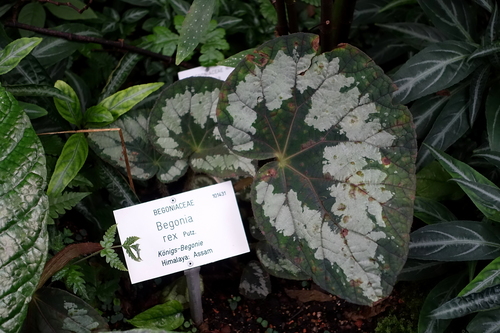
Cats & Dogs
Potentially toxicConsulted references classify the plant as toxic or irritating for that pet type.
Verified against ASPCA/provenance audit 2026-05-06 on May 6, 2026.
Sources
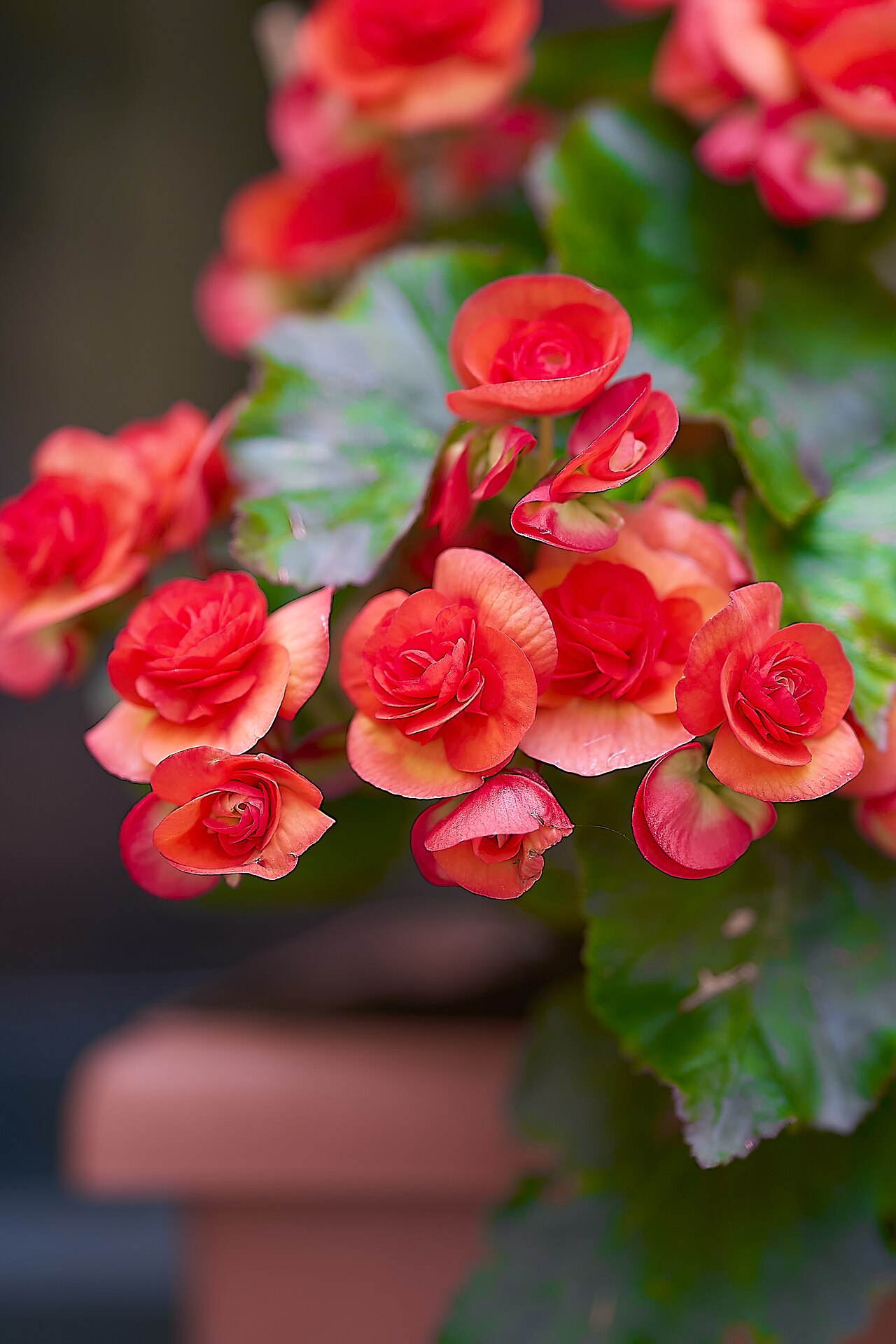
Begonia semperflorens
The Pink Pearl is a popular cultivar of wax begonia known for its waxy, succulent-like leaves and delicate pink flowers. It contains soluble calcium oxalates that can cause irritation if ingested by pets.
Safety status
Cats & Dogs
Potentially toxicConsulted references classify the plant as toxic or irritating for that pet type.
Verified against ASPCA/provenance audit 2026-05-06 on May 6, 2026.
Sources
If a pet has chewed or swallowed plant material and is showing symptoms, contact a veterinarian or poison resource immediately. This product is for structured reference, not diagnosis.
Cats — concern notes
Common signs
Oral irritation, excessive drooling, difficulty swallowing, and vomiting.
Escalation note
The plant contains soluble calcium oxalates which cause immediate irritation upon contact with the mouth and throat. If your cat has ingested a significant amount, please contact your veterinarian.
Dogs — concern notes
Common signs
Intense burning and irritation of the mouth, tongue, and lips, excessive drooling, and vomiting.
Escalation note
Ingestion typically results in localized irritation due to oxalate crystals. While rarely fatal, it is uncomfortable; please consult a veterinarian if you suspect your dog has consumed the plant.
Safer alternatives
No hand-picked alternatives for this plant yet. You can still pick your own using the Compare button on any other plant.
ASPCA Toxic Plant List
toxicology · 99% reliability
Begonia species contain soluble calcium oxalates that are toxic to dogs and cats.
NC State Extension Plant Toolbox
botanical · 94% reliability
Begonia semperflorens is a fibrous-rooted begonia often used as a bedding plant or container specimen.
Yes, wax begonias (Begonia semperflorens) are toxic to cats. They contain soluble calcium oxalates that cause immediate irritation to the mouth and throat upon contact, resulting in oral irritation, excessive drooling, difficulty swallowing, and vomiting.
Signs typically appear within minutes of chewing because the oxalate irritation is mechanical and immediate. You may see your cat pawing at its mouth, head-shaking, drooling, vomiting, and a sudden refusal to eat. Most cases from leaf nibbles are mild, but a cat that has chewed root or tuber material can show more pronounced GI upset.
Gently rinse your cat's mouth with cool water if it will tolerate it, and you can offer a small amount of milk or yogurt — calcium can help bind soluble oxalates and ease the burn. Do not attempt to induce vomiting, as hydrogen peroxide should never be given to cats. Call your veterinarian or ASPCA Animal Poison Control (888-426-4435) right away.
Root and tuber material poses the greatest risk — a cat that has chewed underground parts can present with more pronounced GI upset than one that nibbled a leaf or flower. Call immediately if you suspect your cat has dug into the pot, if drooling and vomiting persist beyond a few minutes, or if you notice any swelling of the mouth, tongue, or throat.
Yes, wax begonia (Begonia semperflorens) is potentially toxic to dogs. The plant contains soluble calcium oxalates that cause intense burning and irritation of the mouth, tongue, and lips, along with excessive drooling and vomiting.
Signs typically appear within minutes of chewing and include intense oral burning, excessive drooling, lip-smacking, retching, and vomiting. You may also notice your dog suddenly losing interest in food or pawing at its mouth. Watch for swelling around the muzzle, especially if your dog chewed roots or tubers rather than leaves.
Wipe any plant residue from your dog's mouth with a damp cloth and offer fresh water. Do not induce vomiting or give hydrogen peroxide without speaking to a poison-control specialist first. Call your veterinarian or ASPCA Animal Poison Control at (888) 426-4435 before attempting any home treatment.
Roots and tubers pose a higher concern than leaves — call a vet immediately if your dog has eaten root or tuber material, if vomiting is repeated or contains blood, or if you see swelling around the mouth or difficulty swallowing. A single leaf-nibble with brief drooling is still worth a call to ASPCA Animal Poison Control (888) 426-4435, but ingestion of below-ground plant parts warrants more urgent attention.
Often compared with
Commonly confused with
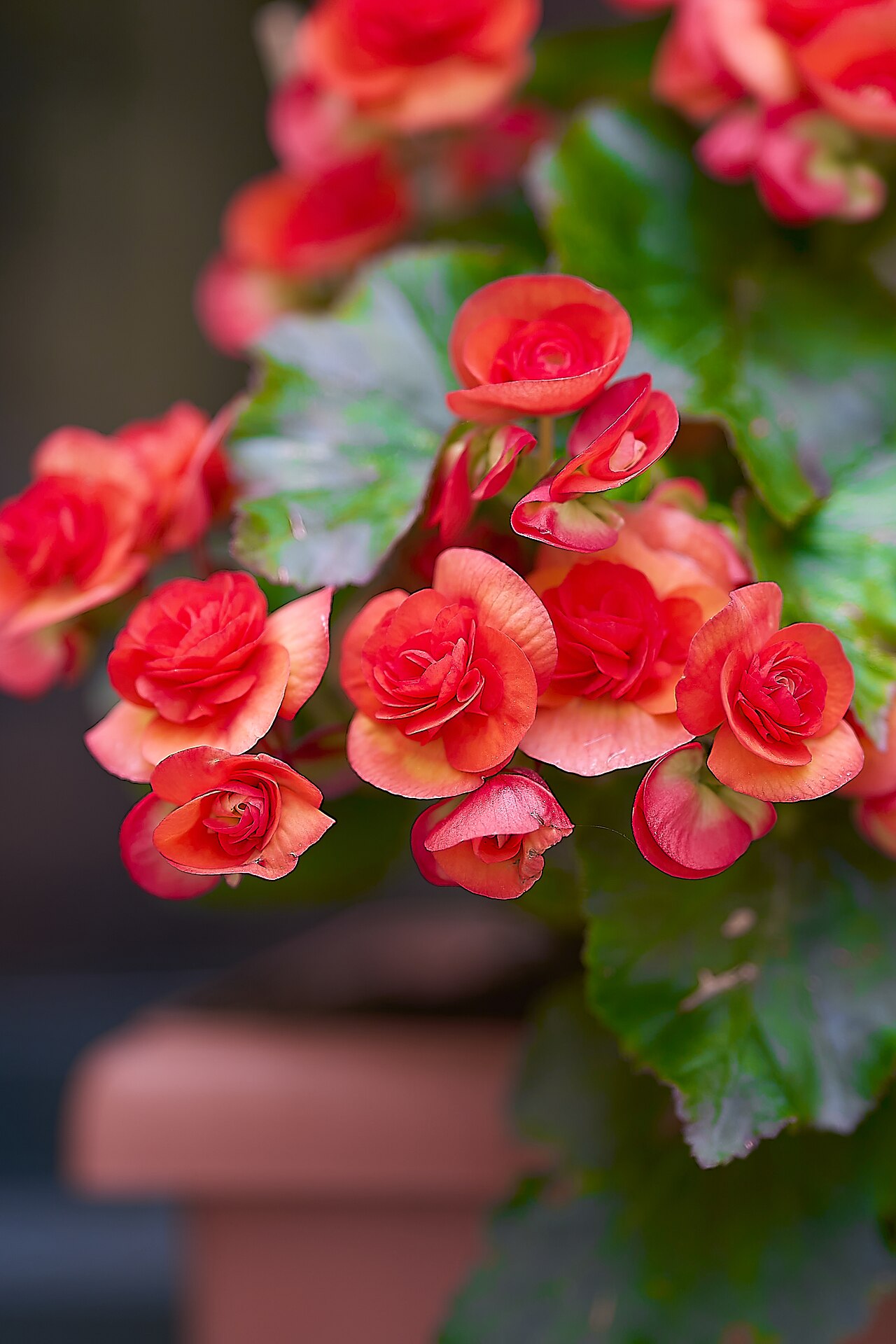
Begonia scharfii is a popular ornamental plant known for its large, fuzzy, elephant-ear-shaped leaves and delicate clusters of flowers. It contains soluble calcium oxalates which can cause irritation if ingested by pets.
Potentially toxic for cats & dogs.
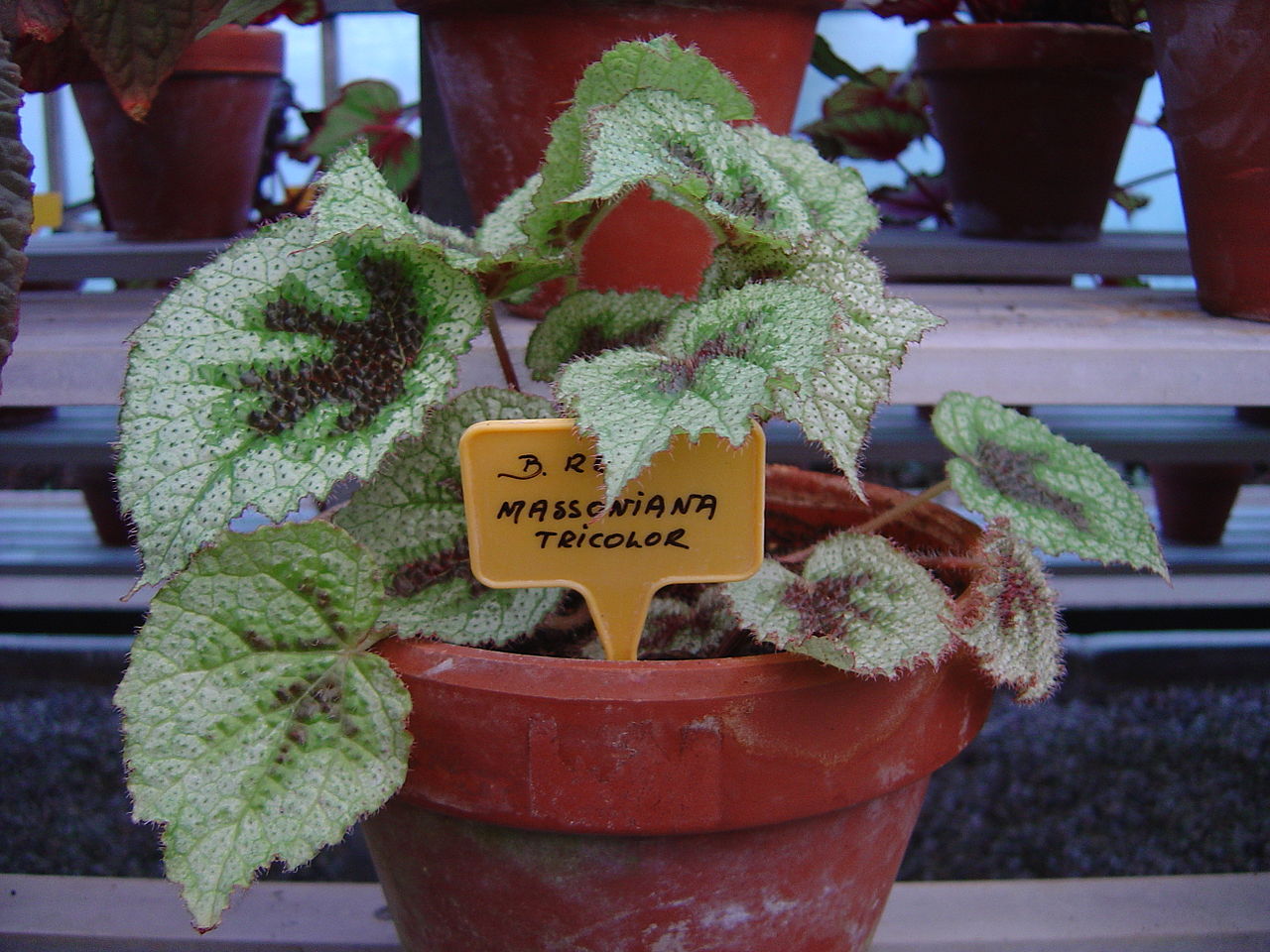
Begonia masoniana is a popular ornamental houseplant known for its textured, puckered leaves featuring a distinct dark brown cross pattern. It contains soluble calcium oxalates that can cause irritation if ingested by pets.
Potentially toxic for cats & dogs.
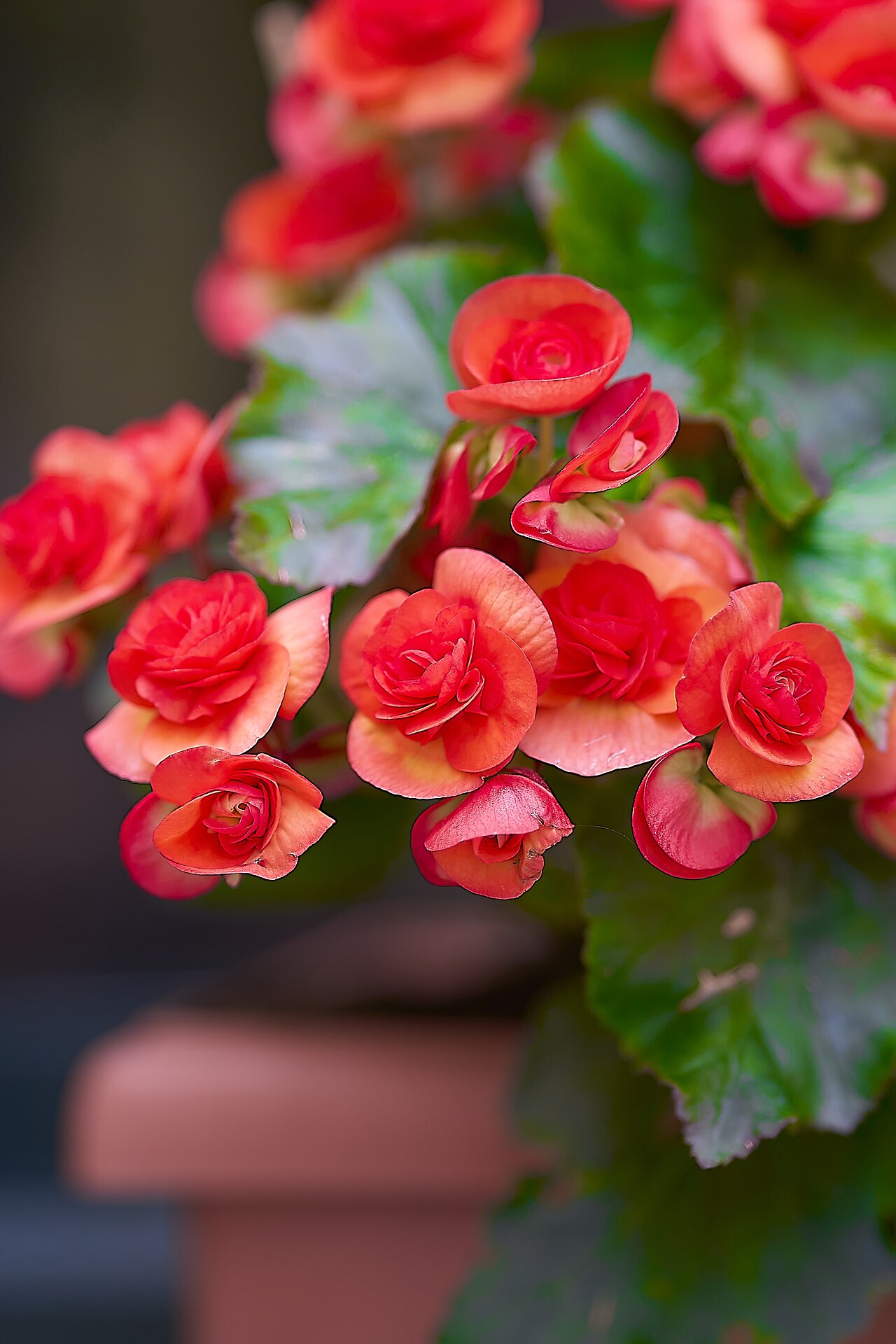
Begonia cleopatra is a popular ornamental houseplant known for its striking, maple-shaped foliage. It contains soluble calcium oxalates that can cause irritation if ingested by pets.
Potentially toxic for cats & dogs.
Same genus
Same safety verdict
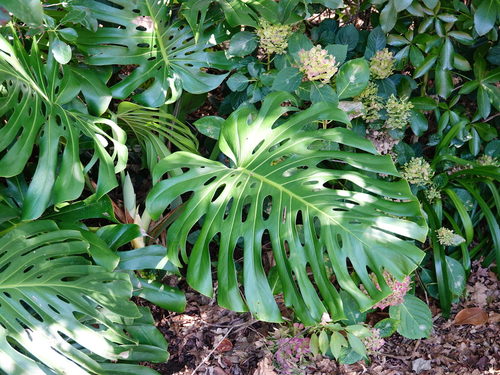
Monstera deliciosa is a popular tropical houseplant known for its large, fenestrated leaves and vining growth habit. It contains insoluble calcium oxalate crystals that can cause irritation if ingested by pets.
Potentially toxic for cats & dogs.
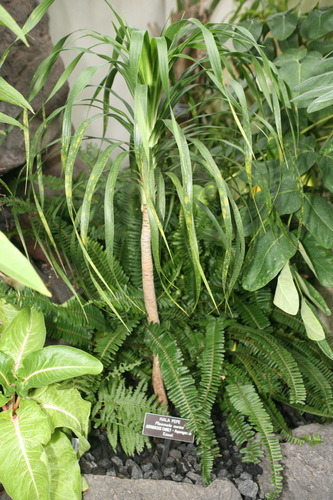
Dracaena trifasciata is a popular, hardy houseplant known for its stiff, sword-like leaves with striking yellow margins. It is widely appreciated for its air-purifying qualities and ability to thrive in various indoor conditions.
Potentially toxic for cats & dogs.
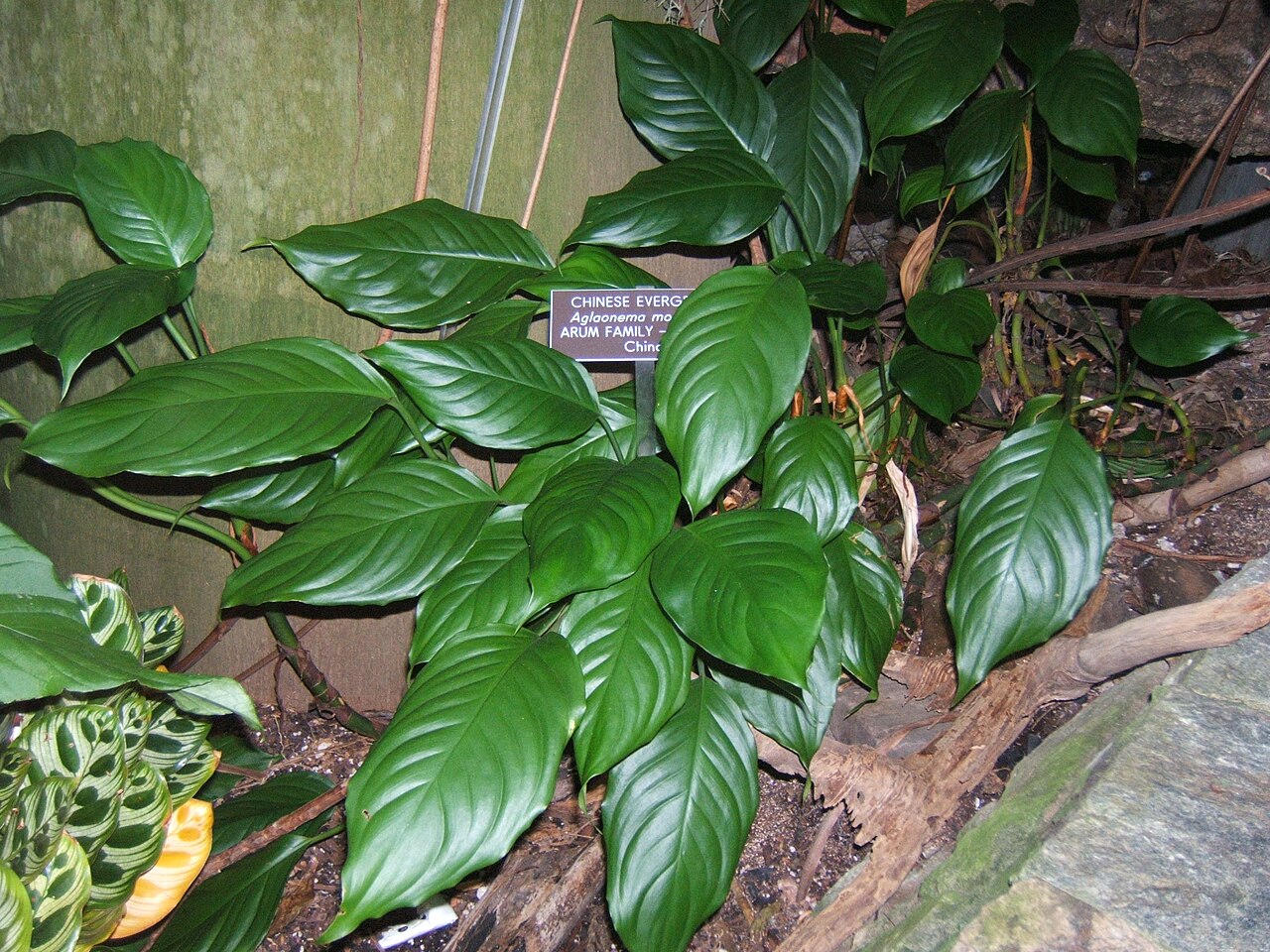
Chinese Evergreen is a popular indoor foliage plant known for its patterned leaves and tolerance of low light conditions. It contains insoluble calcium oxalate crystals that can cause irritation if ingested or chewed.
Potentially toxic for cats & dogs.
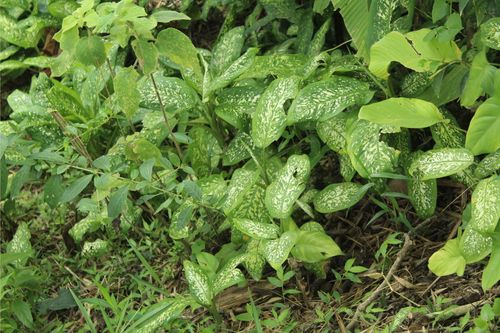
Dieffenbachia is a popular tropical houseplant known for its large, variegated leaves. It contains insoluble calcium oxalate crystals that can cause irritation if ingested or chewed.
Potentially toxic for cats & dogs.
Same growing conditions
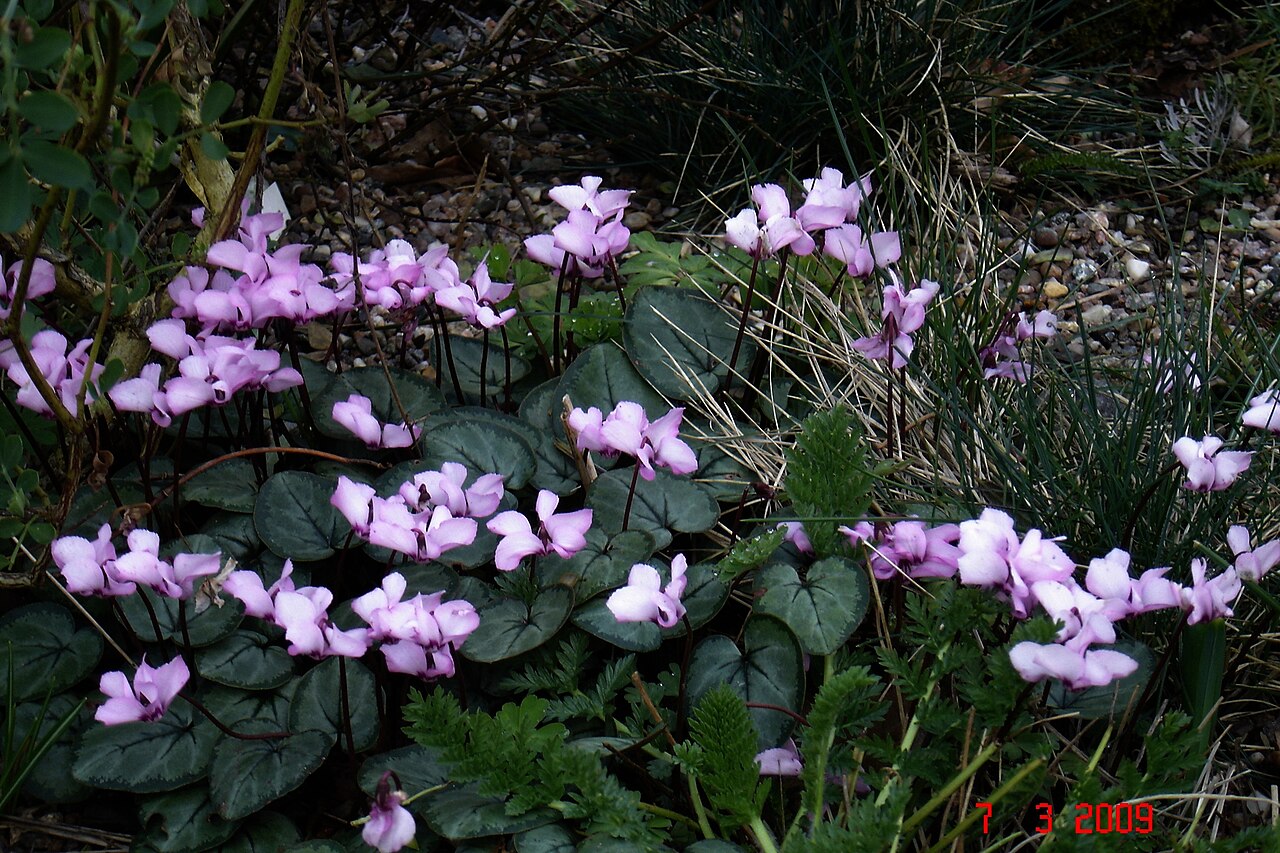
Cyclamen is a popular flowering tuberous plant known for its upswept petals and patterned foliage. It contains triterpenoid saponins which are concentrated in the roots and can cause significant irritation if ingested by pets.
Potentially toxic for cats & dogs.
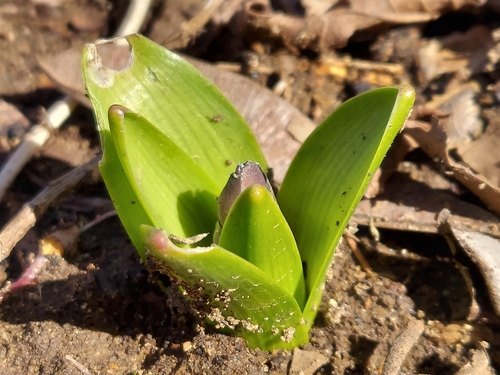
Hyacinthus orientalis is a popular spring-flowering bulb known for its fragrant, dense clusters of bell-shaped flowers. It contains calcium oxalate crystals and alkaloids that can cause irritation if ingested by pets.
Potentially toxic for cats & dogs.