Cats & Dogs
Potentially toxicConsulted references classify the plant as toxic or irritating for that pet type.
Verified against ASPCA/provenance audit 2026-05-06 on May 6, 2026.
Sources

Wisteria spp.
Wisteria is a genus of woody, climbing vines known for their cascading, fragrant flower clusters. All parts of the plant, particularly the seeds and pods, contain toxic compounds that can cause gastrointestinal distress if ingested.
Safety status
Cats & Dogs
Potentially toxicConsulted references classify the plant as toxic or irritating for that pet type.
Verified against ASPCA/provenance audit 2026-05-06 on May 6, 2026.
Sources
If a pet has chewed or swallowed plant material and is showing symptoms, contact a veterinarian or poison resource immediately. This product is for structured reference, not diagnosis.
Cats — concern notes
Common signs
Vomiting, diarrhea, abdominal pain, and depression.
Escalation note
Ingestion of seeds or pods can lead to significant gastrointestinal upset. Please contact your veterinarian or a pet poison control center immediately if you suspect ingestion.
Dogs — concern notes
Common signs
Vomiting, diarrhea, lethargy, and potential dehydration from fluid loss.
Escalation note
The plant contains lectins and wisterin which are toxic to dogs. Seek veterinary attention if your dog has consumed any part of this plant.
Safer alternatives
No hand-picked alternatives for this plant yet. You can still pick your own using the Compare button on any other plant.
ASPCA Toxic Plant List
toxicology · 99% reliability
Wisteria is listed as toxic to dogs and cats, causing gastrointestinal irritation.
NC State Extension Plant Toolbox
botanical · 94% reliability
Wisteria species are woody vines that are toxic if ingested by humans or pets.
Yes, wisteria (Wisteria spp.) is toxic to cats. All parts of the plant can cause harm, but the seeds and pods are particularly dangerous and can lead to significant gastrointestinal upset.
ASPCA-documented signs include vomiting (sometimes bloody), diarrhea, and depression. Pet Poison Helpline expands the cat-specific picture to include severe agitation, aggression, drooling, tremors, and respiratory or cardiovascular depression. Symptoms typically appear within a few hours of ingestion, and severe cases can persist beyond 24 hours.
Remove your cat from the plant immediately and call ASPCA Animal Poison Control (888) 426-4435 or Pet Poison Helpline (855-764-7661) right away — don't wait for symptoms to appear. Never try to induce vomiting in cats at home; hydrogen peroxide is dangerous for cats and should never be given.
Yes — the seeds and pods carry the highest concentration of toxic compounds and are the most likely to cause significant gastrointestinal distress. That said, all parts of the plant are considered toxic, so even a single seed warrants an immediate call to your vet or a poison control hotline.
Yes, wisteria is toxic to dogs. All parts of the plant are considered harmful, but the seeds and pods carry the highest concentration of toxic compounds — lectins and wisterin — and can cause gastrointestinal distress even in small amounts.
The primary signs are vomiting (sometimes bloody), diarrhea, and lethargy. Sustained GI losses can lead to dehydration, and bloody vomiting or unresponsiveness are the highest-severity flags that require immediate in-clinic care rather than a phone consultation.
Remove any remaining plant material from your dog's mouth and reach, then call ASPCA Animal Poison Control (888-426-4435) or Pet Poison Helpline (855-764-7661) before attempting any home treatment. Do not give hydrogen peroxide or try to induce vomiting without speaking to a poison-control specialist first — dose and timing matter and the wrong approach can cause additional harm.
The seeds and pods are the most toxic parts, containing lectins and wisterin that are harmful to dogs. That said, the severity guidance indicates that even one or two seed pods can be enough to warrant veterinary care, so any ingestion — seeds, pods, or other plant material — should be treated as a potential emergency.
Same safety verdict
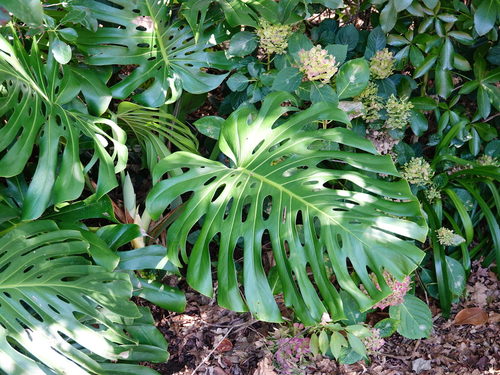
Monstera deliciosa is a popular tropical houseplant known for its large, fenestrated leaves and vining growth habit. It contains insoluble calcium oxalate crystals that can cause irritation if ingested by pets.
Potentially toxic for cats & dogs.
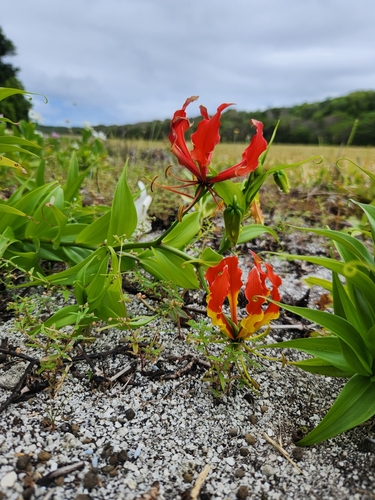
Climbing Lily is a tuberous climbing plant known for its striking, flame-like flowers. It contains colchicine, a potent alkaloid that is highly toxic to both cats and dogs if ingested.
Potentially toxic for cats & dogs.
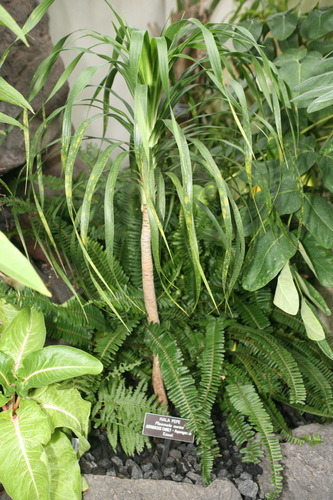
Dracaena trifasciata is a popular, hardy houseplant known for its stiff, sword-like leaves with striking yellow margins. It is widely appreciated for its air-purifying qualities and ability to thrive in various indoor conditions.
Potentially toxic for cats & dogs.
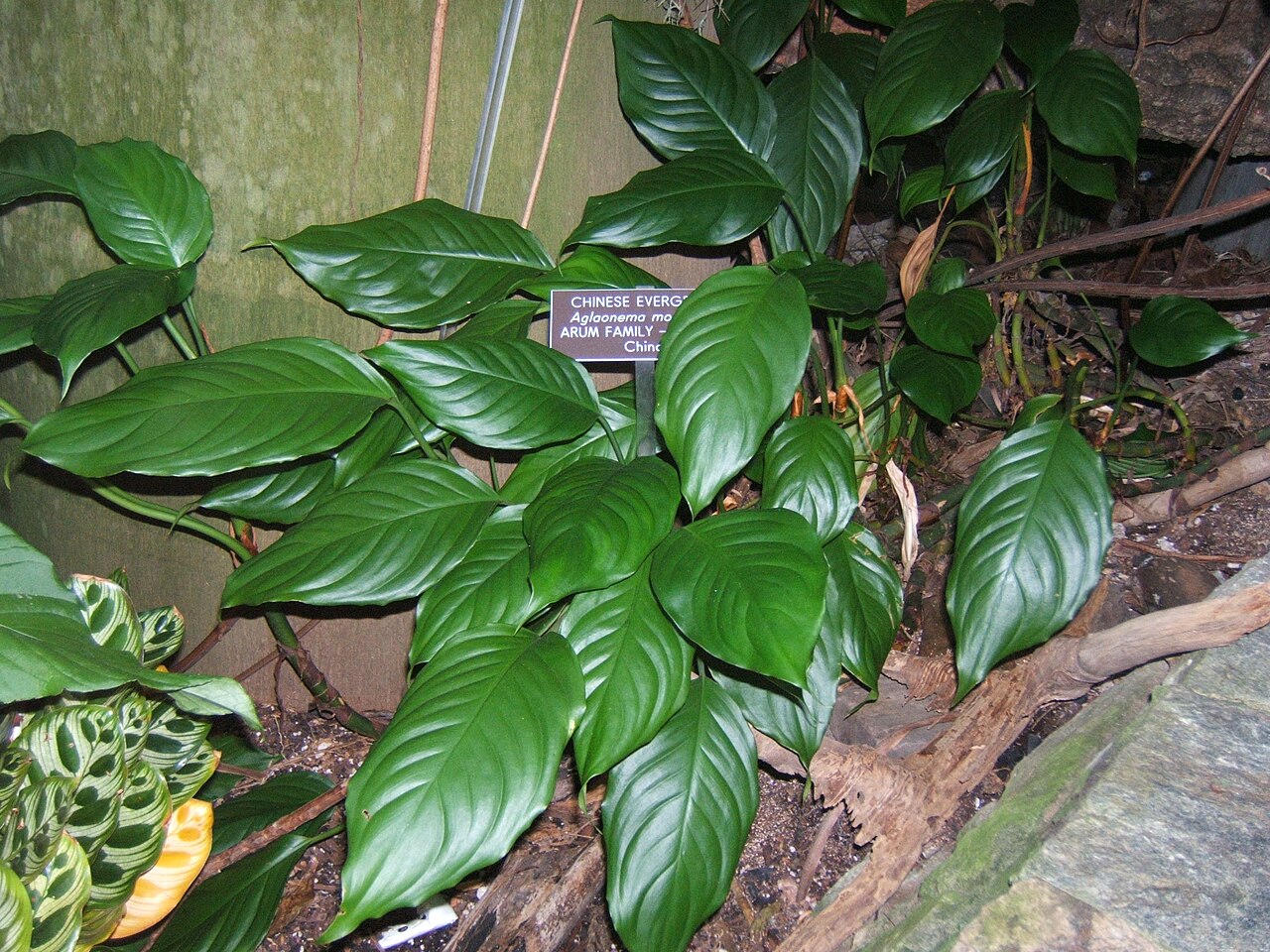
Chinese Evergreen is a popular indoor foliage plant known for its patterned leaves and tolerance of low light conditions. It contains insoluble calcium oxalate crystals that can cause irritation if ingested or chewed.
Potentially toxic for cats & dogs.