Cats & Dogs
Potentially toxicConsulted references classify the plant as toxic or irritating for that pet type.
Verified against ASPCA/provenance audit 2026-05-06 on May 6, 2026.
Sources
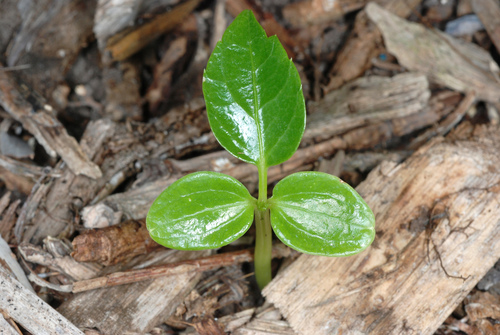
Brassaia actinophylla
The Australian Ivy Palm is a popular indoor tree known for its large, umbrella-like leaves. It contains insoluble calcium oxalate crystals that can cause irritation upon ingestion.
Safety status
Cats & Dogs
Potentially toxicConsulted references classify the plant as toxic or irritating for that pet type.
Verified against ASPCA/provenance audit 2026-05-06 on May 6, 2026.
Sources
If a pet has chewed or swallowed plant material and is showing symptoms, contact a veterinarian or poison resource immediately. This product is for structured reference, not diagnosis.
Cats — concern notes
Common signs
Oral irritation, intense burning and irritation of the mouth, tongue and lips, excessive drooling, vomiting, and difficulty swallowing.
Escalation note
The insoluble calcium oxalate crystals cause immediate mechanical irritation. If your cat has ingested this plant, please contact your veterinarian or a pet poison control center immediately.
Dogs — concern notes
Common signs
Oral irritation, excessive drooling, vomiting, and difficulty swallowing due to tissue irritation.
Escalation note
Ingestion typically results in localized irritation rather than systemic poisoning. Contact your veterinarian if you suspect your dog has consumed any part of the plant.
Safer alternatives
No hand-picked alternatives for this plant yet. You can still pick your own using the Compare button on any other plant.
ASPCA Toxic Plant List
toxicology · 99% reliability
Toxic to dogs and cats due to insoluble calcium oxalates.
Kew Plants of the World Online
botanical · 95% reliability
Accepted botanical name and distribution data for Brassaia actinophylla.
Yes, Australian Ivy Palm (Brassaia actinophylla) is toxic to cats. It contains insoluble calcium oxalate crystals that cause immediate mechanical irritation to the mouth, tongue, and lips, along with excessive drooling, vomiting, and difficulty swallowing.
Within minutes of chewing, you'll likely see your cat pawing at the mouth, frantic licking or smacking, foamy drooling, and head-shaking. Visible redness or swelling of the lips, tongue, or gums often follows, along with possible vomiting or diarrhea. Difficulty swallowing, persistent retching, or any sign of throat swelling indicates a more severe reaction.
Remove any plant fragments from the mouth and gently wipe the gums and tongue with a damp cloth. Offer a small amount of cold milk or plain yogurt — the calcium binds the oxalate crystals and helps relieve pain. Do not induce vomiting at home. Then call your vet or ASPCA Poison Control at (888) 426-4435 for further guidance.
Oral irritation begins within minutes of chewing. Most cases resolve within 12–24 hours with supportive care, as the insoluble calcium oxalate crystals typically cause transient irritation with no lasting effects. However, call your vet if drooling persists beyond an hour, vomiting continues past two or three episodes, or your cat refuses to drink — kittens and small cats should be evaluated even after a small chew.
Yes, Australian Ivy Palm (Brassaia actinophylla) is toxic to dogs. It contains insoluble calcium oxalate crystals that cause oral irritation, excessive drooling, vomiting, and difficulty swallowing. Ingestion typically causes localized irritation rather than systemic poisoning, and most dogs recover within 12–24 hours with supportive care.
Symptoms begin within minutes of chewing and usually start with pawing at the mouth and head-shaking, followed by heavy drooling and oral irritation. Watch for swelling around the lips, tongue, or throat, repeated vomiting, and reluctance to eat. Severe airway swelling is rare but possible, which is why this plant warrants prompt attention rather than a wait-and-see approach.
Remove any plant material remaining in your dog's mouth and gently flush the mouth with cool water. Do not induce vomiting unless directed by a veterinarian or poison-control specialist. Then call your vet or ASPCA Animal Poison Control at (888) 426-4435—go in immediately if your dog is struggling to breathe or swallow.
The irritating agent in Australian Ivy Palm is insoluble calcium oxalate crystals, which are present throughout the plant. When a dog chews any part of it, these microscopic crystals embed in the soft tissue of the mouth, tongue, and throat, causing the burning sensation and inflammation behind all the classic symptoms.
Often compared with
Same safety verdict
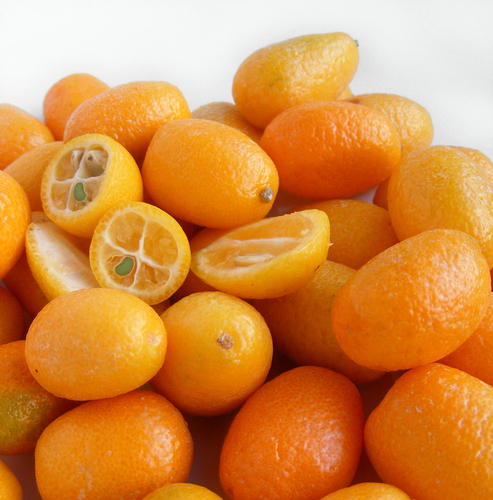
The Calamondin Orange is a small citrus tree often grown as an ornamental houseplant for its fragrant flowers and small, edible-looking fruit. It contains essential oils and psoralens that can cause irritation if ingested or touched by pets.
Potentially toxic for cats & dogs.
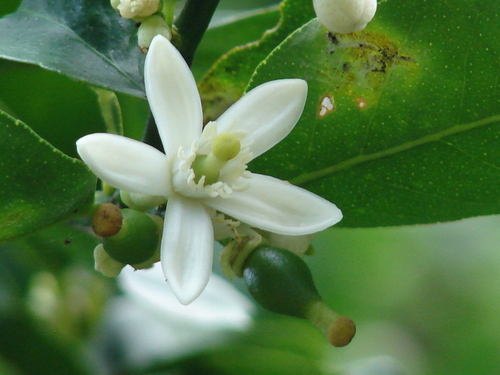
The lime tree is a citrus species known for its aromatic foliage and fruit. While popular as a houseplant, all parts of the plant contain essential oils and psoralens that can be harmful to pets if ingested.
Potentially toxic for cats & dogs.
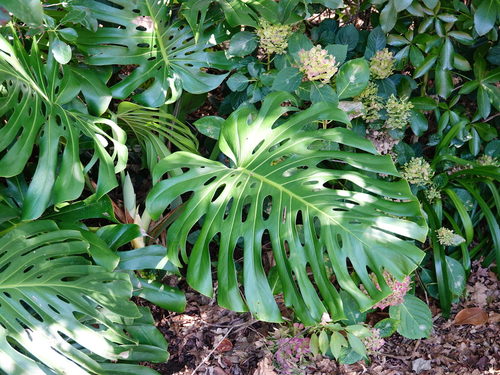
Monstera deliciosa is a popular tropical houseplant known for its large, fenestrated leaves and vining growth habit. It contains insoluble calcium oxalate crystals that can cause irritation if ingested by pets.
Potentially toxic for cats & dogs.
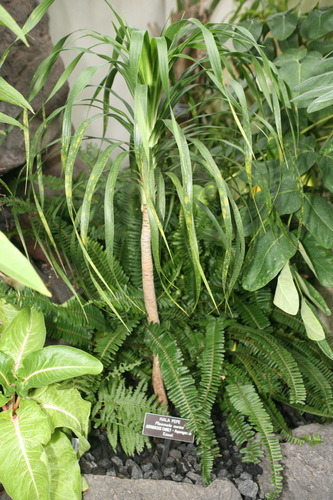
Dracaena trifasciata is a popular, hardy houseplant known for its stiff, sword-like leaves with striking yellow margins. It is widely appreciated for its air-purifying qualities and ability to thrive in various indoor conditions.
Potentially toxic for cats & dogs.
Same growing conditions
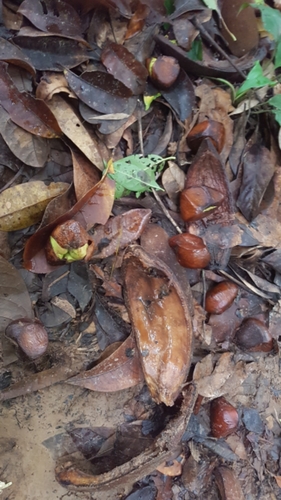
The Money Tree is a popular indoor plant known for its braided trunk and palm-like leaves, often associated with good luck and prosperity in home decor.
Generally safe for cats & dogs.
Aechmea magdalenae is a species of bromeliad known for its large, spiny leaves and striking inflorescence. While many bromeliads are considered non-toxic, the physical structure of this plant poses mechanical injury risks to pets.
Generally safe for cats & dogs.
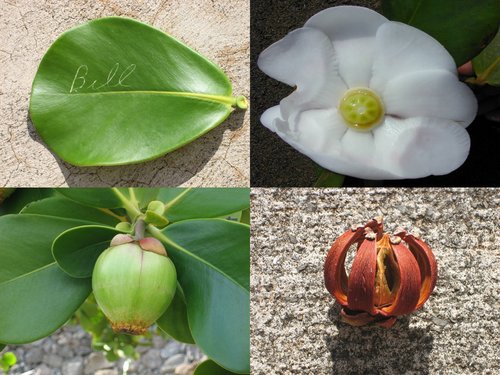
Clusia major is a tropical evergreen shrub known for its thick, leathery leaves and unique ability to grow as an epiphyte. It is commonly kept as a houseplant for its architectural foliage, but it contains compounds that can cause irritation if ingested by pets.
Potentially toxic for cats & dogs.
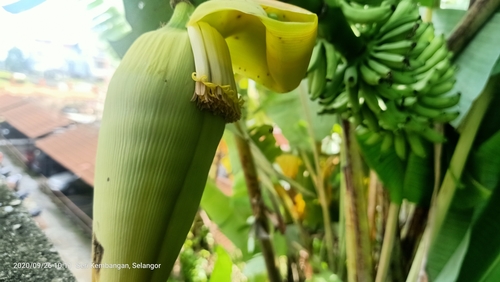
The banana plant is a popular tropical houseplant known for its large, paddle-shaped leaves and rapid growth. It is considered non-toxic to pets, though its fibrous nature may cause mild digestive discomfort if consumed in large quantities.
Generally safe for cats & dogs.