Cats & Dogs
Potentially toxicConsulted references classify the plant as toxic or irritating for that pet type.
Verified against ASPCA/provenance audit 2026-05-06 on May 6, 2026.
Sources
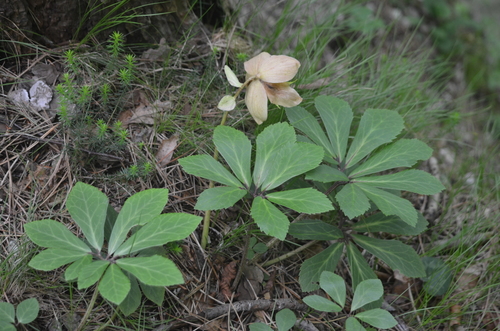
Helleborus niger
The Christmas Rose is a perennial flowering plant known for its winter blooms, but it contains cardiac glycosides that are harmful if ingested. It is considered toxic to both cats and dogs.
Safety status
Cats & Dogs
Potentially toxicConsulted references classify the plant as toxic or irritating for that pet type.
Verified against ASPCA/provenance audit 2026-05-06 on May 6, 2026.
Sources
If a pet has chewed or swallowed plant material and is showing symptoms, contact a veterinarian or poison resource immediately. This product is for structured reference, not diagnosis.
Cats — concern notes
Common signs
Drooling, abdominal pain, vomiting, diarrhea, and potential cardiac arrhythmias.
Escalation note
Ingestion can lead to serious health complications due to the presence of protoanemonin and cardiac glycosides. Please contact your veterinarian or a pet poison control center immediately if ingestion is suspected.
Dogs — concern notes
Common signs
Excessive salivation, vomiting, diarrhea, lethargy, and in severe cases, tremors or heart rate irregularities.
Escalation note
The plant is toxic to dogs and can cause significant gastrointestinal distress and systemic effects. Seek immediate veterinary attention if your dog has consumed any part of this plant.
Safer alternatives
Some links earn us a small commission. They never affect our safety classifications.
ASPCA Toxic Plant List
toxicology · 99% reliability
Helleborus niger is listed as toxic to both cats and dogs, containing cardiac glycosides.
Kew Plants of the World Online
botanical · 95% reliability
Accepted scientific name and botanical classification for Helleborus niger.
Yes, Christmas rose (Helleborus niger) is toxic to cats. It contains protoanemonin and cardiac glycosides, both of which can cause serious harm if ingested.
Symptoms include heavy drooling, abdominal pain (look for hunching or hiding), vomiting, diarrhea, and depression. Beyond a tiny taste, cardiac glycoside effects can develop over several hours and may include irregular or slow heart rate, weakness, or collapse.
Call your vet or the ASPCA Animal Poison Control Center (888-426-4435) immediately — do not wait to see if symptoms appear. Christmas rose contains cardiac glycosides, and a wait-and-see approach is not safe. An ECG may be needed to detect heart rhythm changes.
Oral irritation from chewing typically begins within an hour. Cardiac glycoside effects can develop more slowly over several hours and may not be outwardly obvious without an ECG, which is one reason prompt veterinary contact is critical even if your cat seems fine at first.
Yes, Christmas Rose (Helleborus niger) is toxic to dogs. It contains cardiac glycosides that can cause significant gastrointestinal distress and systemic effects, including effects on heart rhythm. Seek immediate veterinary attention if your dog consumes any part of this plant.
Signs include excessive drooling, lip-smacking, vomiting (sometimes with plant material), diarrhea, abdominal pain, and lethargy. With larger ingestions, watch for weakness, slow or irregular heart rate, tremors, and collapse. Oral and GI signs can begin within an hour; cardiac effects may take several hours to appear.
Call your vet or the ASPCA Animal Poison Control Center (888-426-4435) immediately — even a suspected ingestion warrants prompt evaluation. Even moderate doses can require an ECG and supportive care, so do not wait for symptoms to develop before seeking help.
The toxic cardiac glycosides are present throughout the plant, so no part is safe to ingest. The severity of poisoning depends on how much was consumed, but any ingestion should be treated as a potential emergency given the risk of heart rhythm irregularities.
Same safety verdict
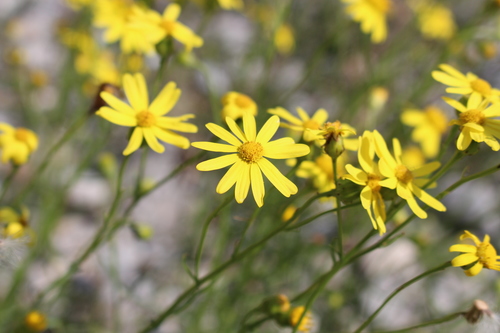
Golden Ragwort is a flowering perennial known for its bright yellow blooms and foliage. It contains pyrrolizidine alkaloids that can cause significant health issues if ingested by pets.
Potentially toxic for cats & dogs.
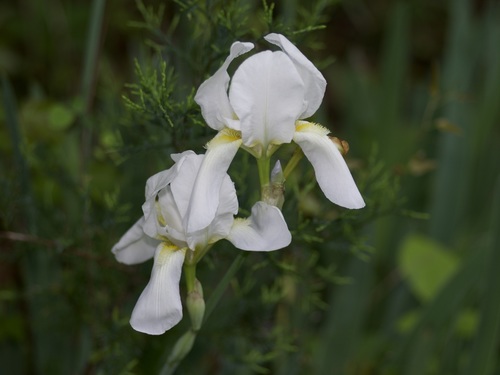
Iris species are popular perennial garden plants known for their showy, complex flowers and sword-like foliage. They contain chemical compounds that can cause gastrointestinal irritation if ingested by pets.
Potentially toxic for cats & dogs.
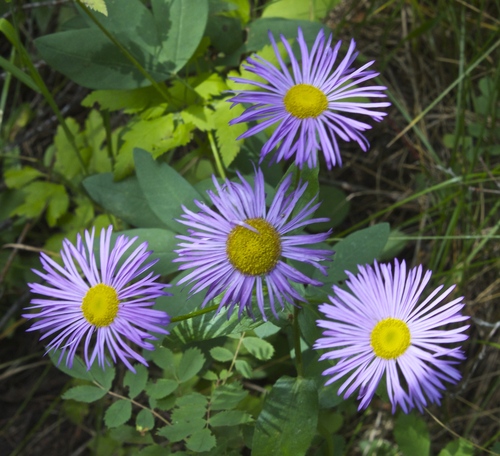
Erigeron speciosus is a perennial flowering plant in the daisy family known for its showy, lavender-blue blooms. While popular in gardens, it is considered toxic to household pets if ingested.
Potentially toxic for cats & dogs.
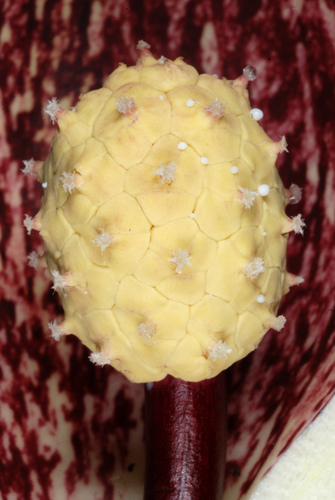
Skunk Cabbage is a wetland-dwelling perennial known for its distinct odor and early spring emergence. It contains calcium oxalate crystals which can cause irritation upon ingestion.
Potentially toxic for cats & dogs.