Cats & Dogs
Potentially toxicConsulted references classify the plant as toxic or irritating for that pet type.
Verified against ASPCA/provenance audit 2026-05-06 on May 6, 2026.
Sources
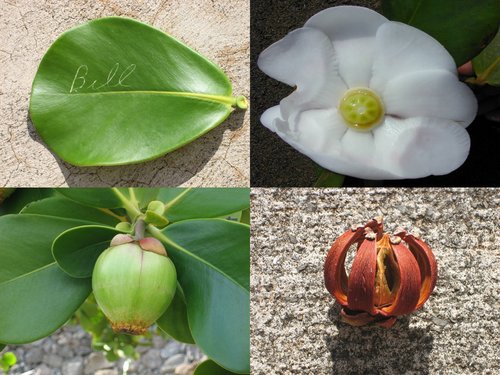
Clusia major
Clusia major is a tropical evergreen shrub known for its thick, leathery leaves and unique ability to grow as an epiphyte. It is commonly kept as a houseplant for its architectural foliage, but it contains compounds that can cause irritation if ingested by pets.
Safety status
Cats & Dogs
Potentially toxicConsulted references classify the plant as toxic or irritating for that pet type.
Verified against ASPCA/provenance audit 2026-05-06 on May 6, 2026.
Sources
If a pet has chewed or swallowed plant material and is showing symptoms, contact a veterinarian or poison resource immediately. This product is for structured reference, not diagnosis.
Cats — concern notes
Common signs
Drooling, vomiting, oral irritation, and difficulty swallowing.
Escalation note
Ingestion can cause gastrointestinal distress. Please contact your veterinarian if you suspect your cat has consumed any part of this plant.
Dogs — concern notes
Common signs
Vomiting, diarrhea, loss of appetite, and excessive salivation.
Escalation note
While generally considered mild to moderate in toxicity, ingestion should be monitored closely. Contact your veterinarian for professional guidance if ingestion occurs.
Safer alternatives
No hand-picked alternatives for this plant yet. You can still pick your own using the Compare button on any other plant.
ASPCA Toxic Plant List
toxicology · 99% reliability
Clusia rosea is listed as toxic to both cats and dogs, causing gastrointestinal irritation.
Kew Plants of the World Online
botanical · 95% reliability
Accepted botanical name and distribution data for Clusia major.
Yes, the Autograph Tree is potentially toxic to cats. It contains compounds that can cause oral irritation, drooling, vomiting, and difficulty swallowing if any part of the plant is ingested.
Expect drooling and mouth-pawing first, followed by vomiting and a sluggish, off-food cat. If your cat ate fruit or a larger amount, watch for more pronounced GI signs; wobbliness or tremors can occur in heavier ingestions because terpenes in the plant may affect the central nervous system.
Remove your cat from the plant and rinse their mouth with water if they'll allow it. Call your vet or ASPCA Animal Poison Control at (888) 426-4435 if vomiting doesn't stop after the first episode, your cat refuses food for more than one meal, you saw fruit get eaten, or you notice wobbliness, tremors, or yellow-tinged gums — those warrant an immediate visit.
Exact timing is not well documented, but mild GI signs typically appear within a few hours of ingestion and usually resolve within 24 hours with supportive care. Fruit ingestion or larger amounts may produce more serious or prolonged symptoms.
Yes, the Autograph Tree (Clusia major) is considered potentially toxic to dogs. It contains compounds that can cause irritation when ingested, producing mild to moderate gastrointestinal symptoms.
Expect drooling and vomiting first, followed by loss of appetite and possibly diarrhea. A dog that ate the fruit may show more prolonged GI signs; unusually large ingestions raise the risk of lethargy or wobbliness, as terpenes in the plant can affect the nervous system at higher doses.
Call your vet or ASPCA Animal Poison Control at (888) 426-4435 if vomiting doesn't settle after one episode, appetite stays off through a meal, or you know fruit was eaten. Lethargy, tremors, or unusual behavior warrants a same-day vet visit.
Exact timing is not well documented, but mild GI signs typically appear within a few hours of ingestion and resolve within 24 hours with supportive care. Monitor your dog closely during that window, especially if fruit was consumed.
Same safety verdict
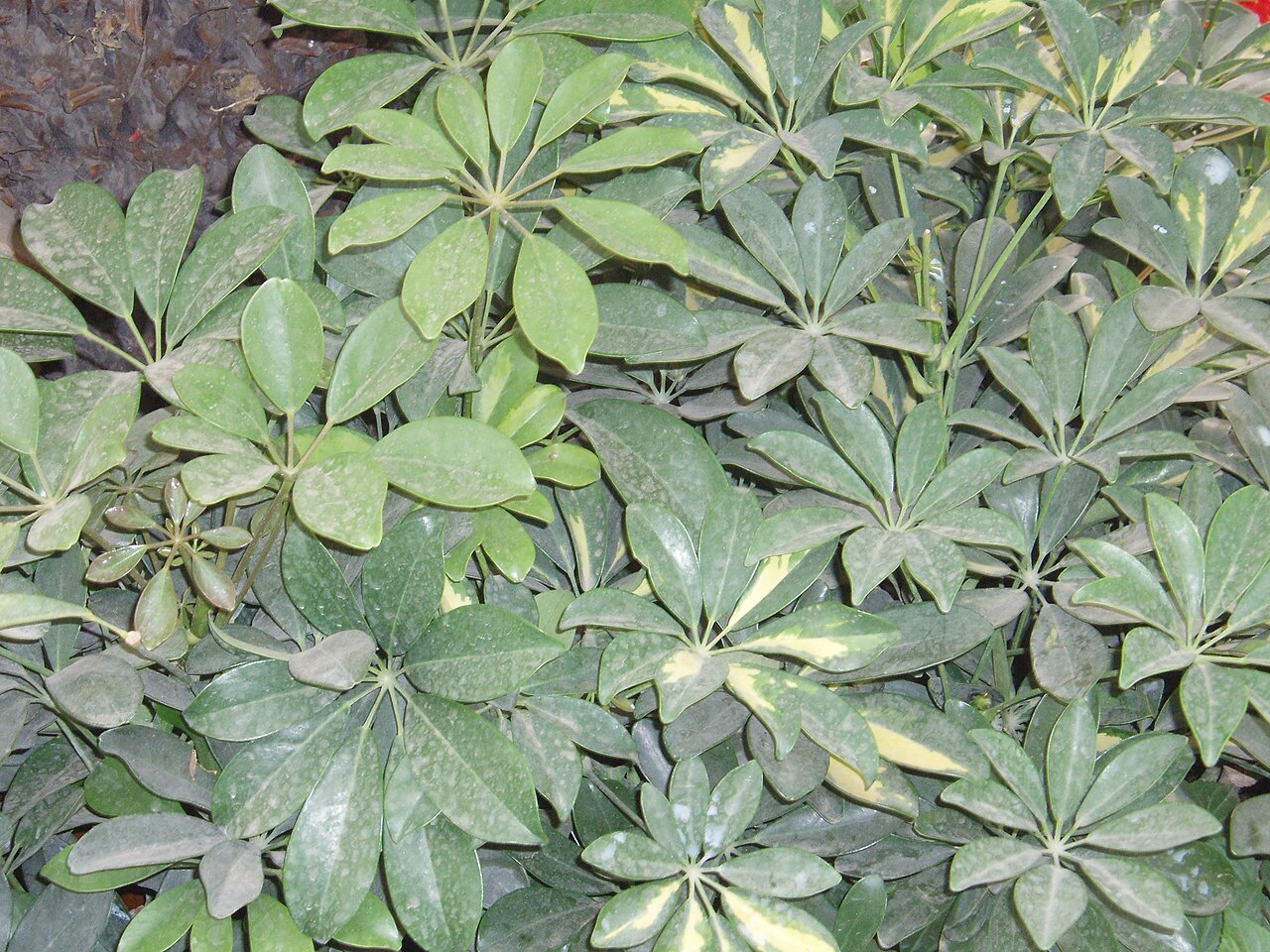
Schefflera is a popular tropical houseplant known for its glossy, palm-like leaflets arranged in a circular pattern. It contains insoluble calcium oxalate crystals that can cause irritation upon ingestion.
Potentially toxic for cats & dogs.
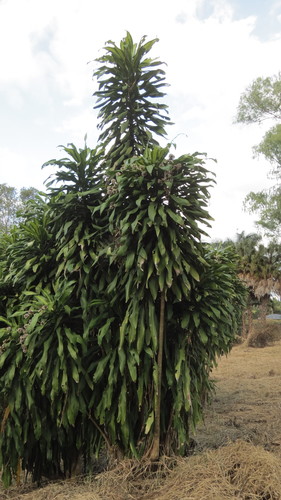
The Corn Plant is a popular indoor shrub known for its long, arching, sword-like leaves that resemble corn stalks. While aesthetically pleasing, it contains saponins that can cause adverse reactions if ingested by pets.
Potentially toxic for cats & dogs.
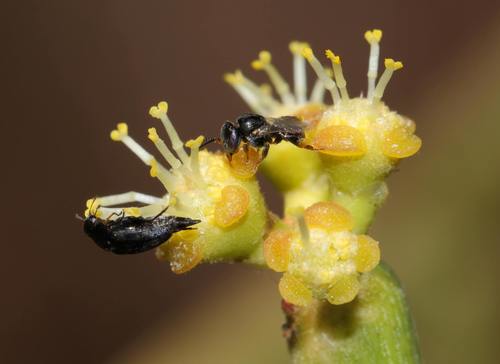
The Pencil Cactus is a succulent shrub known for its pencil-thin, leafless branches that contain a highly irritating milky white sap. It is widely recognized for its ornamental value but requires careful handling due to its toxic properties.
Potentially toxic for cats & dogs.
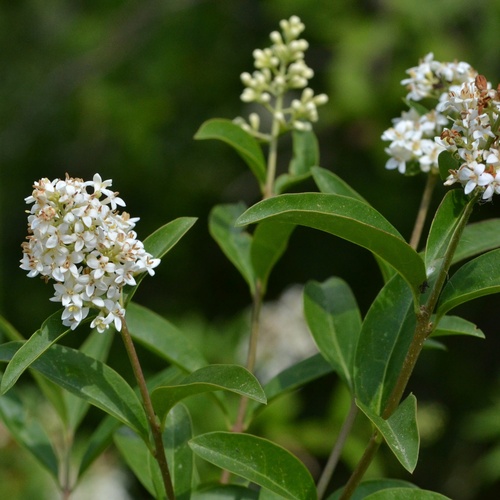
Common Privet is a semi-evergreen shrub often used for hedging that contains toxic compounds throughout the plant, particularly in the berries and leaves. Ingestion can lead to significant gastrointestinal distress in household pets.
Potentially toxic for cats & dogs.
Same growing conditions
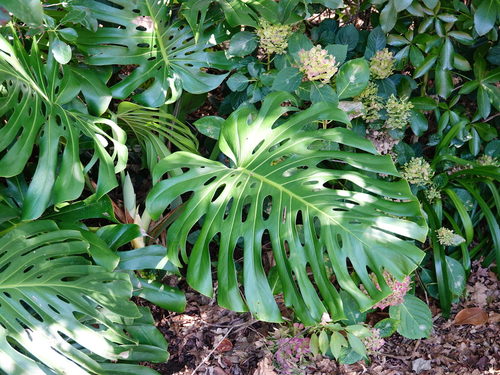
Monstera deliciosa is a popular tropical houseplant known for its large, fenestrated leaves and vining growth habit. It contains insoluble calcium oxalate crystals that can cause irritation if ingested by pets.
Potentially toxic for cats & dogs.
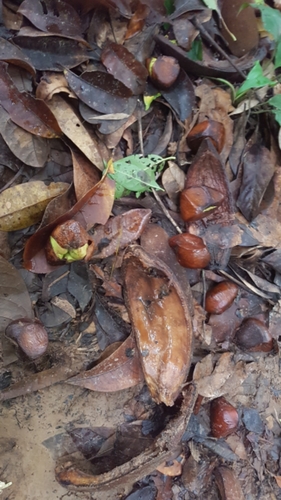
The Money Tree is a popular indoor plant known for its braided trunk and palm-like leaves, often associated with good luck and prosperity in home decor.
Generally safe for cats & dogs.
Aechmea magdalenae is a species of bromeliad known for its large, spiny leaves and striking inflorescence. While many bromeliads are considered non-toxic, the physical structure of this plant poses mechanical injury risks to pets.
Generally safe for cats & dogs.
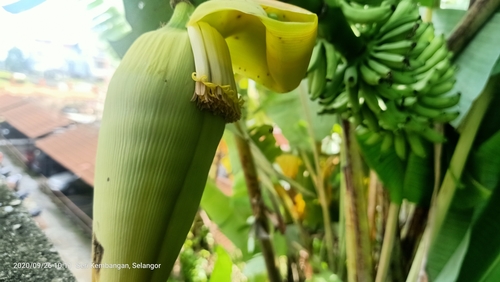
The banana plant is a popular tropical houseplant known for its large, paddle-shaped leaves and rapid growth. It is considered non-toxic to pets, though its fibrous nature may cause mild digestive discomfort if consumed in large quantities.
Generally safe for cats & dogs.