Cats & Dogs
Potentially toxicConsulted references classify the plant as toxic or irritating for that pet type.
Verified against ASPCA/provenance audit 2026-05-06 on May 6, 2026.
Sources
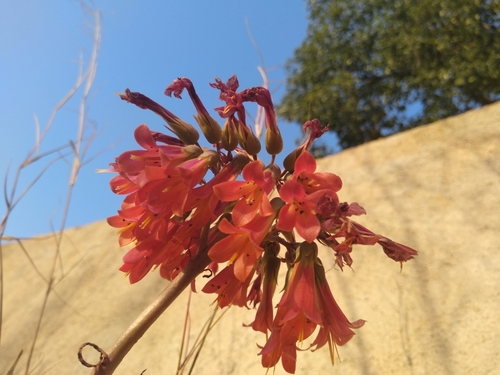
Kalanchoe tubiflora
The Chandelier Plant is a succulent known for its unique, tubular leaves and prolific production of plantlets along the leaf margins. It contains cardiac glycosides that can cause significant health issues if ingested by pets.
Safety status
Cats & Dogs
Potentially toxicConsulted references classify the plant as toxic or irritating for that pet type.
Verified against ASPCA/provenance audit 2026-05-06 on May 6, 2026.
Sources
If a pet has chewed or swallowed plant material and is showing symptoms, contact a veterinarian or poison resource immediately. This product is for structured reference, not diagnosis.
Cats — concern notes
Common signs
Drooling, vomiting, diarrhea, and potential heart rhythm abnormalities.
Escalation note
Ingestion can lead to serious cardiac distress. Please contact your veterinarian or an animal poison control center immediately if you suspect your cat has consumed any part of this plant.
Dogs — concern notes
Common signs
Vomiting, lethargy, abdominal pain, and potential cardiac arrhythmias.
Escalation note
The plant contains toxins that affect the heart muscle. Seek veterinary attention promptly if ingestion is observed or suspected.
Safer alternatives
No hand-picked alternatives for this plant yet. You can still pick your own using the Compare button on any other plant.
ASPCA Toxic Plant List
toxicology · 99% reliability
Kalanchoe tubiflora contains cardiac glycosides which can cause gastrointestinal irritation and cardiac arrhythmias.
NC State Extension Plant Toolbox
botanical · 94% reliability
Kalanchoe tubiflora is a succulent perennial that is toxic to dogs and cats.
Yes, Mother of Millions (Kalanchoe tubiflora) is toxic to cats. It contains cardiac glycosides that can cause drooling, vomiting, diarrhea, and potentially serious heart rhythm abnormalities if ingested.
The most common signs are drooling, vomiting, and diarrhea, which typically appear within a few hours of ingestion. With larger ingestions, more serious symptoms can follow — weakness, collapse, and abnormal heart rate or rhythm.
Do not induce vomiting and do not give any over-the-counter human medications. Call your vet or the ASPCA Animal Poison Control Center at (888) 426-4435 immediately — cardiac glycoside toxicity can escalate to serious heart distress and warrants prompt veterinary guidance.
The cardiac glycosides are present throughout the plant, including the distinctive tubular leaves and the tiny plantlets (offsets) that form along leaf margins — meaning even the small plantlets that fall and scatter around the pot pose a risk if your cat eats them.
Yes, Mother of Millions (Kalanchoe tubiflora) is toxic to dogs. The plant contains cardiac glycosides — toxins that affect the heart muscle — and ingestion can cause vomiting, lethargy, abdominal pain, and potentially dangerous cardiac arrhythmias.
The most common signs are vomiting, diarrhea, and drooling, which typically begin within a few hours of ingestion. With larger ingestions, more serious symptoms can develop, including weakness, collapse, or an abnormal heart rhythm.
Do not induce vomiting and do not give any over-the-counter human medications. Call your vet or the ASPCA Animal Poison Control Center at (888) 426-4435 immediately. Call the same day for vomiting that won't stop, and call right away if your dog appears weak, collapses, or you saw him eat more than a mouthful.
Mother of Millions contains cardiac glycosides, a class of compounds that interfere directly with heart muscle function. This is the same mechanism that makes related Kalanchoe species medically significant — even a moderate ingestion can progress from gastrointestinal upset to cardiac arrhythmias, which is why prompt veterinary attention is recommended rather than a wait-and-see approach.
Often compared with
Same safety verdict
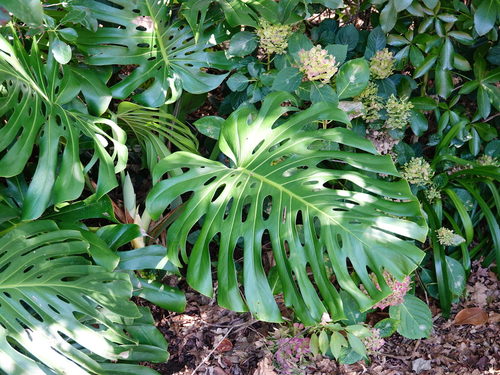
Monstera deliciosa is a popular tropical houseplant known for its large, fenestrated leaves and vining growth habit. It contains insoluble calcium oxalate crystals that can cause irritation if ingested by pets.
Potentially toxic for cats & dogs.
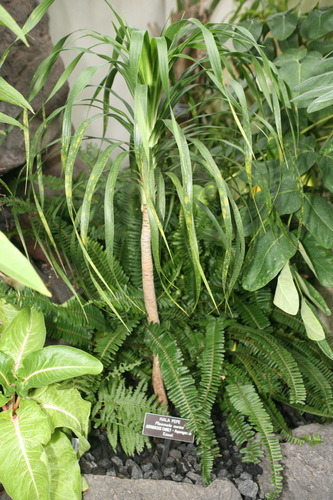
Dracaena trifasciata is a popular, hardy houseplant known for its stiff, sword-like leaves with striking yellow margins. It is widely appreciated for its air-purifying qualities and ability to thrive in various indoor conditions.
Potentially toxic for cats & dogs.
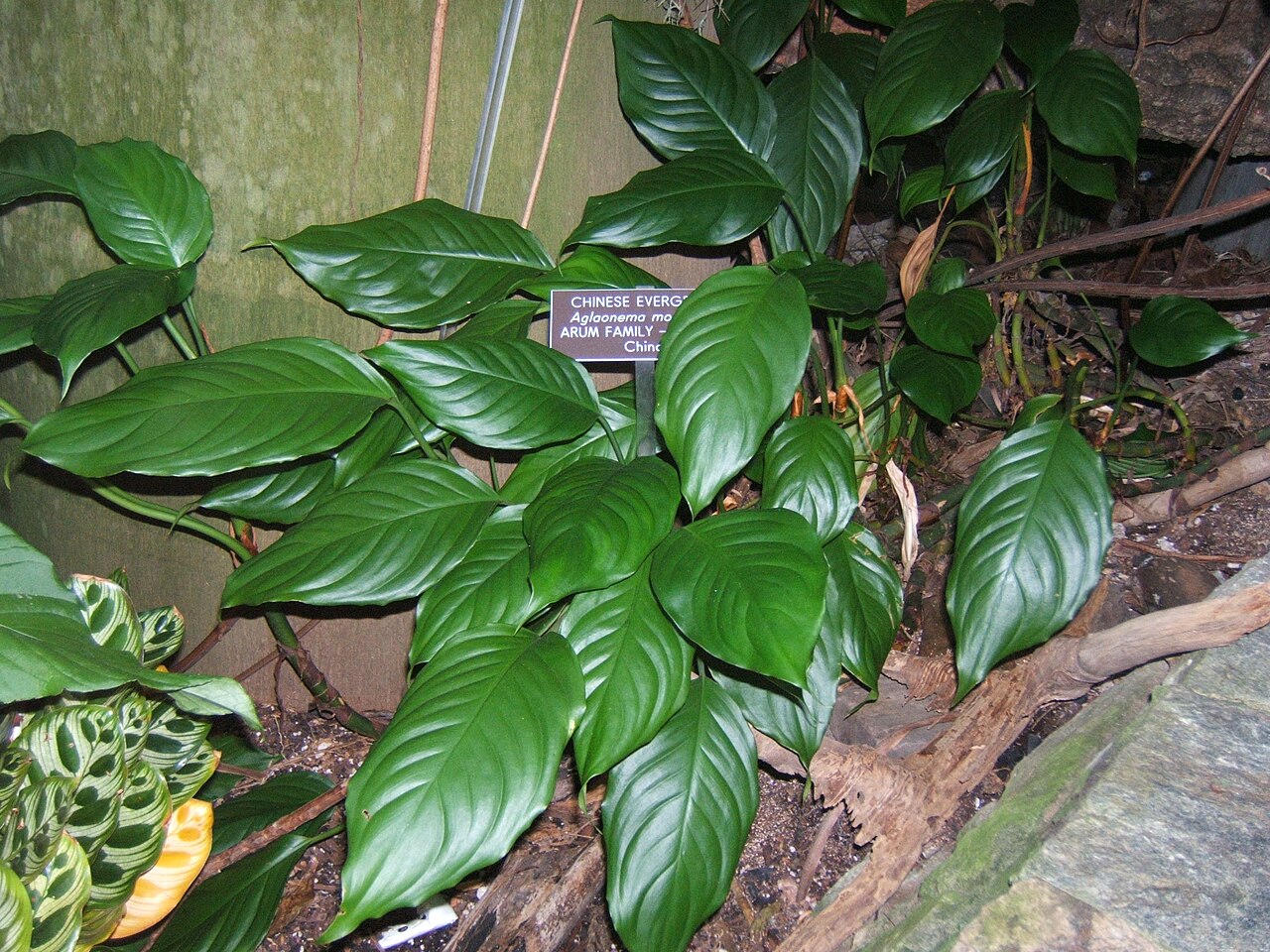
Chinese Evergreen is a popular indoor foliage plant known for its patterned leaves and tolerance of low light conditions. It contains insoluble calcium oxalate crystals that can cause irritation if ingested or chewed.
Potentially toxic for cats & dogs.
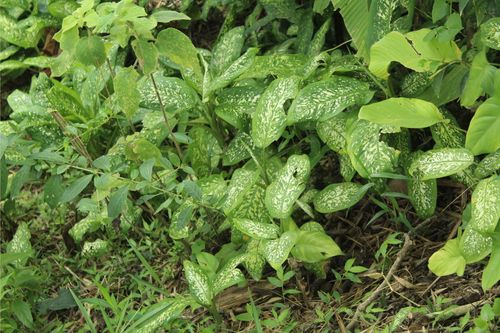
Dieffenbachia is a popular tropical houseplant known for its large, variegated leaves. It contains insoluble calcium oxalate crystals that can cause irritation if ingested or chewed.
Potentially toxic for cats & dogs.
Same growing conditions

The Easter Lily Cactus is a popular, low-maintenance succulent known for its large, fragrant, trumpet-shaped flowers. While generally considered safe for pets, it is a cactus and should be kept out of reach to avoid injury from its spines.
Generally safe for cats & dogs.
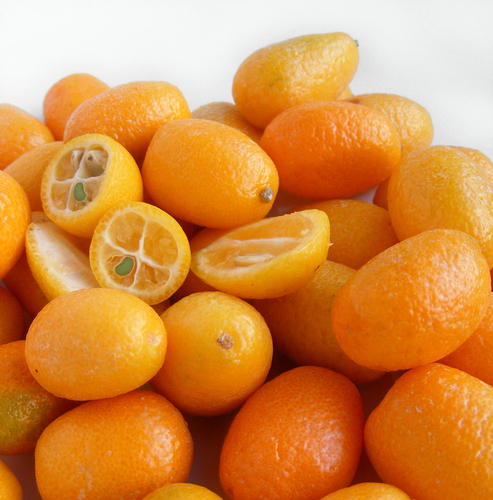
The Calamondin Orange is a small citrus tree often grown as an ornamental houseplant for its fragrant flowers and small, edible-looking fruit. It contains essential oils and psoralens that can cause irritation if ingested or touched by pets.
Potentially toxic for cats & dogs.
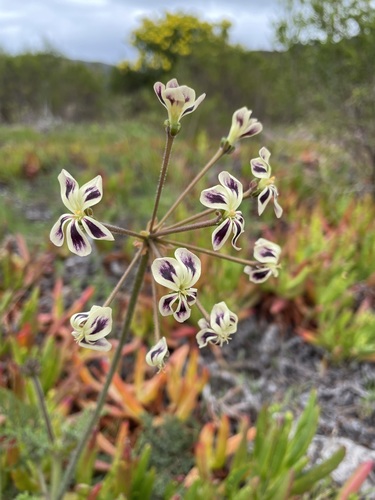
Scented geraniums are popular aromatic houseplants known for their fragrant foliage and clusters of small flowers. While prized for their scent, they contain essential oils that can cause irritation if ingested by pets.
Potentially toxic for cats & dogs.