Cats & Dogs
Potentially toxicConsulted references classify the plant as toxic or irritating for that pet type.
Verified against ASPCA/provenance audit 2026-05-06 on May 6, 2026.
Sources
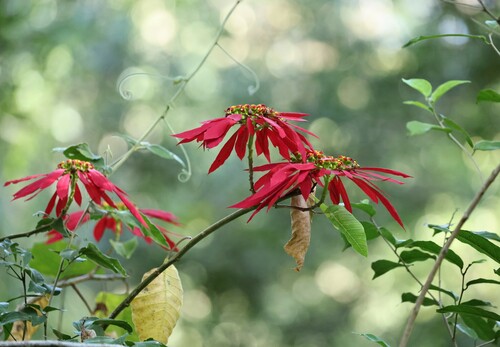
Euphorbia pulcherrima
The Poinsettia is a popular holiday plant known for its vibrant, colorful bracts. While often overstated in its danger, it contains a milky sap that can cause irritation if ingested or touched.
Safety status
Cats & Dogs
Potentially toxicConsulted references classify the plant as toxic or irritating for that pet type.
Verified against ASPCA/provenance audit 2026-05-06 on May 6, 2026.
Sources
If a pet has chewed or swallowed plant material and is showing symptoms, contact a veterinarian or poison resource immediately. This product is for structured reference, not diagnosis.
Cats — concern notes
Common signs
Drooling, vomiting, and occasional diarrhea.
Escalation note
The irritation is generally mild. If your cat consumes a significant amount or shows persistent distress, please contact your veterinarian.
Dogs — concern notes
Common signs
Oral irritation, drooling, vomiting, and potential skin irritation upon contact with sap.
Escalation note
Symptoms are typically self-limiting and mild. Consult a veterinarian if you are concerned about the amount ingested or if symptoms do not resolve.
Safer alternatives
No hand-picked alternatives for this plant yet. You can still pick your own using the Compare button on any other plant.
ASPCA Toxic Plant List
toxicology · 99% reliability
Poinsettia is toxic to cats and dogs, typically causing mild irritation to the mouth and stomach.
NC State Extension Plant Toolbox
botanical · 94% reliability
Euphorbia pulcherrima is a deciduous shrub native to Mexico, widely cultivated for its colorful bracts.
Yes, poinsettias are considered potentially toxic to cats. The milky sap can cause oral irritation, drooling, vomiting, and occasional diarrhea — however, the danger is often overstated; the irritation is generally mild and rarely life-threatening.
A cat that chews or ingests poinsettia will likely show drooling, lip-licking, mild vomiting, and possibly diarrhea from the sap's irritating effects. Sap on the skin can cause redness or itchiness, and if sap contacts the eyes, mild conjunctivitis may develop. Symptoms typically appear within minutes to hours and are usually self-limiting, resolving within about 24 hours.
Wipe any sap residue from your cat's mouth and skin with a damp cloth, and flush the eyes with water or saline if sap got near them. Offer fresh water and let the GI upset settle — per Pet Poison Helpline, signs are usually self-limiting and don't require treatment unless severe. If vomiting or diarrhea persists beyond 24 hours or your cat refuses food and water, call your vet or the ASPCA Animal Poison Control Center at (888) 426-4435.
Yes — the milky white sap (latex) found throughout the plant is the source of irritation. It causes a localized inflammatory reaction on contact with the mouth, skin, or eyes, which is what produces the drooling, vomiting, and occasional skin redness. The toxicity is considered mild compared to many other holiday plants.
Yes, poinsettia is considered potentially toxic to dogs, though its danger is often overstated. The milky sap can cause oral irritation, drooling, and vomiting — but symptoms are typically mild and self-limiting, not the severe poisoning many owners fear.
The most common signs are drooling, lip-licking, and pawing at the mouth from sap contact, sometimes followed by a single episode of mild vomiting or loose stool. Skin that touched the sap may develop a red, itchy patch on the muzzle or paws. Severe systemic effects are not expected from typical household exposures.
Oral irritation and vomiting typically appear within an hour of chewing the plant and generally resolve within a day with rest and water. Exact timing isn't formally documented in the ASPCA listing, but recovery is usually quick for small household ingestions.
Call your vet if vomiting or diarrhea continues past a few hours, your dog refuses food or water, the eyes or mouth look swollen, or a small or very young dog ate a noticeable amount. For any ingestion concern, ASPCA Animal Poison Control is available 24/7 at (888) 426-4435.
Often compared with
Same safety verdict
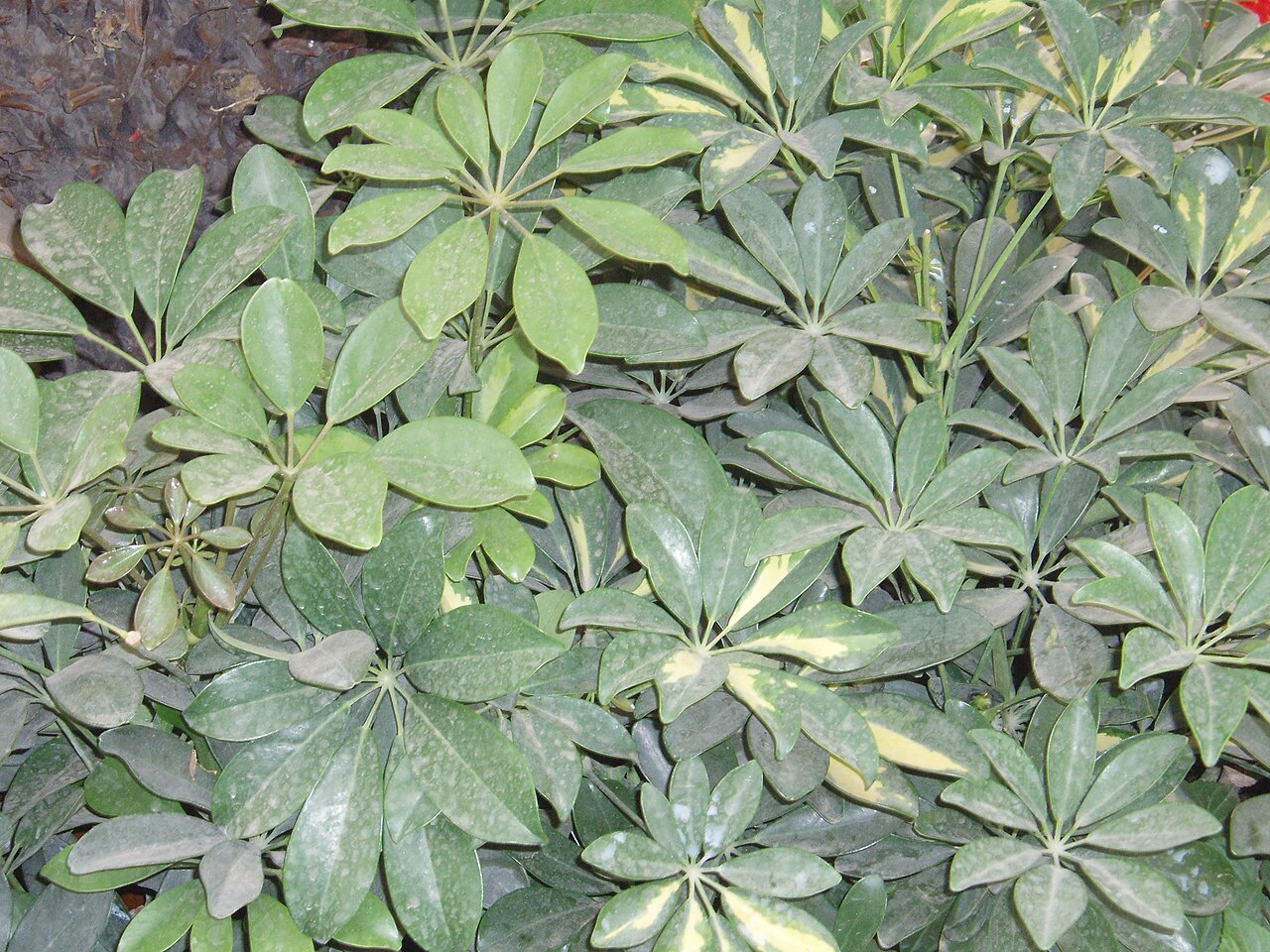
Schefflera is a popular tropical houseplant known for its glossy, palm-like leaflets arranged in a circular pattern. It contains insoluble calcium oxalate crystals that can cause irritation upon ingestion.
Potentially toxic for cats & dogs.
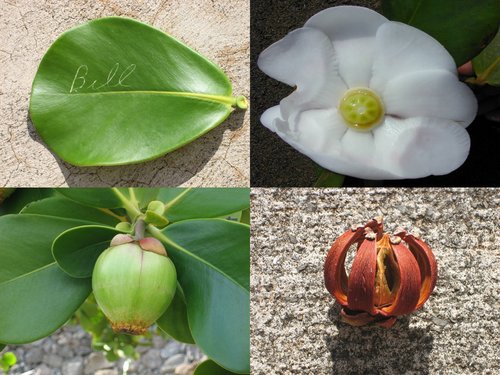
Clusia major is a tropical evergreen shrub known for its thick, leathery leaves and unique ability to grow as an epiphyte. It is commonly kept as a houseplant for its architectural foliage, but it contains compounds that can cause irritation if ingested by pets.
Potentially toxic for cats & dogs.
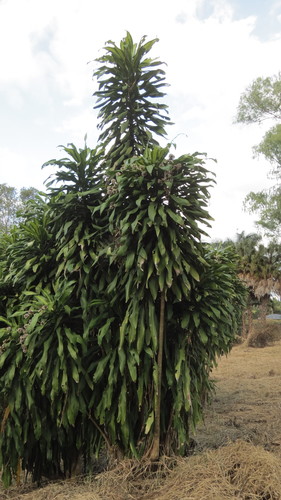
The Corn Plant is a popular indoor shrub known for its long, arching, sword-like leaves that resemble corn stalks. While aesthetically pleasing, it contains saponins that can cause adverse reactions if ingested by pets.
Potentially toxic for cats & dogs.
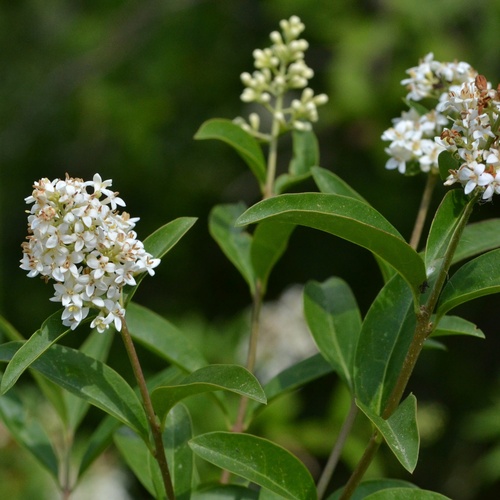
Common Privet is a semi-evergreen shrub often used for hedging that contains toxic compounds throughout the plant, particularly in the berries and leaves. Ingestion can lead to significant gastrointestinal distress in household pets.
Potentially toxic for cats & dogs.