Cats
Generally safeConsulted references do not classify the plant as toxic for that pet type, while still allowing for mild GI upset if large amounts are chewed.
Verified against ASPCA/provenance audit 2026-05-06 on May 6, 2026.
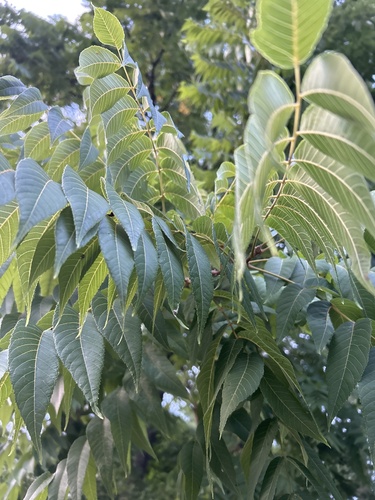
Juglans nigra
The Black Walnut is a large deciduous tree native to North America, widely recognized for its edible nuts and distinctively dark, hard wood. While generally considered safe for cats, the plant material and nuts can pose specific health risks to dogs.
Safety status
Cats
Generally safeConsulted references do not classify the plant as toxic for that pet type, while still allowing for mild GI upset if large amounts are chewed.
Verified against ASPCA/provenance audit 2026-05-06 on May 6, 2026.
Dogs
Potentially toxicConsulted references classify the plant as toxic or irritating for that pet type.
Verified against ASPCA/provenance audit 2026-05-06 on May 6, 2026.
If a pet has chewed or swallowed plant material and is showing symptoms, contact a veterinarian or poison resource immediately. This product is for structured reference, not diagnosis.
Cats — concern notes
Common signs
None expected for cats from the plant toxicity profile; eating large amounts of plant material may still cause mild stomach upset.
Escalation note
ASPCA lists Black Walnut as non-toxic to cats, while dogs and horses have separate toxicity concerns. Monitor any unusual signs and contact a veterinarian if symptoms persist.
Dogs — concern notes
Common signs
Vomiting, lethargy, tremors, and potential for gastrointestinal obstruction from nut shells.
Escalation note
Ingestion of moldy nuts or large quantities of plant material can be dangerous. If your dog has ingested any part of a Black Walnut, contact your veterinarian immediately for guidance.
Safer alternatives
No hand-picked alternatives for this plant yet. You can still pick your own using the Compare button on any other plant.
ASPCA Toxic and Non-Toxic Plants: Black Walnut
toxicology · 99% reliability
ASPCA lists Black Walnut (Juglans nigra) as non-toxic to cats, while the same page lists toxicity concerns for dogs and horses.
NC State Extension Plant Toolbox: Juglans nigra
botanical · 94% reliability
Detailed botanical profile and horticultural information for Juglans nigra.
No. Black Walnut poses specific toxicity risks to dogs and horses, but the ASPCA lists it as non-toxic to cats. The toxicity concerns associated with Black Walnut — including juglone and mold-related issues in dogs — do not apply to the feline toxicity profile.
Black Walnut (Juglans nigra) is listed as non-toxic to cats by the ASPCA. Unlike dogs and horses, which have separate toxicity concerns with Black Walnut, cats are not expected to experience toxicity from the plant material or nuts.
No toxic symptoms are expected for cats from Black Walnut based on the ASPCA toxicity profile. Eating a large amount of plant material may still cause mild stomach upset, so watch for vomiting or diarrhea if your cat ingests a significant quantity.
Because Black Walnut is non-toxic to cats, a small ingestion is unlikely to require emergency care. Monitor your cat for any signs of stomach upset such as vomiting or lethargy; if symptoms persist or your cat ate a very large amount, contact your veterinarian.
Tremorgenic mycotoxins from moldy Black Walnut material can cause symptoms — tremors, seizures, agitation, high body temperature — within 30 minutes of ingestion, per Pet Poison Helpline. GI signs from non-moldy nuts or shell ingestion typically develop within hours. Call your vet immediately if you see tremors, seizures, or severe agitation; don't wait for symptoms to worsen.
Yes, Black Walnut (Juglans nigra) is potentially toxic to dogs. The nuts, hulls, and shells can cause vomiting, lethargy, tremors, and gastrointestinal obstruction. Moldy nuts are especially dangerous and can trigger seizures.
Depending on what was eaten, symptoms differ. Moldy nuts or hulls contain tremorgenic mycotoxins that can cause vomiting, agitation, incoordination, tremors, seizures, and elevated body temperature — sometimes within 30 minutes. Whole nuts and shell fragments carry a separate risk: GI obstruction, which shows up as repeated retching, belly pain, refusal to eat, or lethargy.
Remove any remaining nuts, hulls, or shells your dog can reach — especially anything that looks moldy — and call your veterinarian or the Pet Poison Helpline at (855) 764-7661 right away. Do not induce vomiting on your own; shell fragments and dogs showing tremors both make that unsafe. Also include the ASPCA Animal Poison Control at (888) 426-4435 as a backup resource.