Cats & Dogs
Potentially toxicConsulted references classify the plant as toxic or irritating for that pet type.
Verified against ASPCA/provenance audit 2026-05-06 on May 6, 2026.
Sources
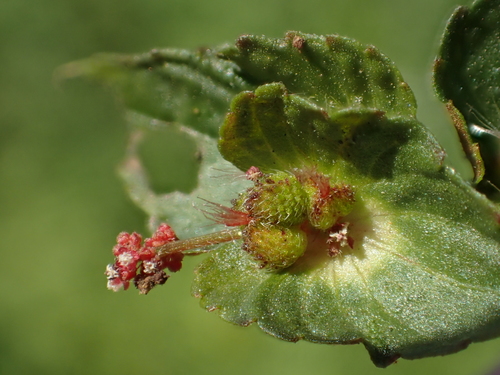
Acalypha hispida
Acalypha hispida is a tropical shrub known for its long, drooping, fuzzy red flower spikes that resemble a fox's tail. It is a popular ornamental plant that requires warm, humid conditions to thrive.
Safety status
Cats & Dogs
Potentially toxicConsulted references classify the plant as toxic or irritating for that pet type.
Verified against ASPCA/provenance audit 2026-05-06 on May 6, 2026.
Sources
If a pet has chewed or swallowed plant material and is showing symptoms, contact a veterinarian or poison resource immediately. This product is for structured reference, not diagnosis.
Cats — concern notes
Common signs
Oral irritation, excessive drooling, vomiting, and difficulty swallowing.
Escalation note
Ingestion of plant material can cause gastrointestinal distress. Please contact your veterinarian if you suspect your cat has ingested this plant.
Dogs — concern notes
Common signs
Gastrointestinal upset, including vomiting, diarrhea, and irritation of the mouth and throat.
Escalation note
While generally considered mild, ingestion can lead to discomfort. Always consult a veterinarian for professional medical advice if ingestion occurs.
Safer alternatives
No hand-picked alternatives for this plant yet. You can still pick your own using the Compare button on any other plant.
ASPCA Toxic Plant List
toxicology · 99% reliability
The Chenille Plant (Acalypha hispida) is listed as toxic to both cats and dogs.
NC State Extension Plant Toolbox
botanical · 94% reliability
Acalypha hispida is a broadleaf evergreen shrub in the Euphorbiaceae family, native to the South Pacific.
Yes, the chenille plant (Acalypha hispida) is potentially toxic to cats. Ingestion of the plant material can cause oral irritation, excessive drooling, vomiting, and difficulty swallowing.
Expect drooling, vomiting (sometimes with shredded leaf material), and diarrhea. Some cats will paw at their mouth or refuse food for several hours after chewing the plant. General gastric irritation is also noted by the ASPCA.
Remove your cat's access to the plant and monitor closely. Call your vet or the ASPCA Animal Poison Control at (888) 426-4435 if vomiting or diarrhea repeats more than once or twice, if your cat stops eating or drinking, or if drooling persists past a couple of hours.
Drooling and gastrointestinal signs typically begin within an hour of chewing and usually resolve within 12–24 hours with supportive care, though the ASPCA does not publish a specific recovery window.
Yes, the chenille plant (Acalypha hispida) is considered potentially toxic to dogs. Ingestion can cause gastrointestinal upset including vomiting, diarrhea, and irritation of the mouth and throat, though the effects are generally mild.
Watch for drooling, vomiting, and diarrhea after your dog chews the leaves or flower spikes. GI signs typically begin within an hour or two of ingestion. Small or sensitive dogs may be more affected than large dogs, and prolonged appetite loss or repeated vomiting are signs the situation needs veterinary attention.
Monitor your dog closely for vomiting, diarrhea, and drooling. Call your vet or the ASPCA Animal Poison Control Center at (888) 426-4435 if vomiting or diarrhea continues beyond two episodes, if your dog appears weak or lethargic, or if a large amount was eaten. Most mild cases resolve within 24 hours with supportive care.
Both the leaves and the distinctive long, fuzzy red flower spikes can cause irritation and GI upset if chewed or ingested. The ASPCA does not specify a toxic dose threshold, so any ingestion warrants monitoring, especially in small dogs.
Often compared with
Same safety verdict
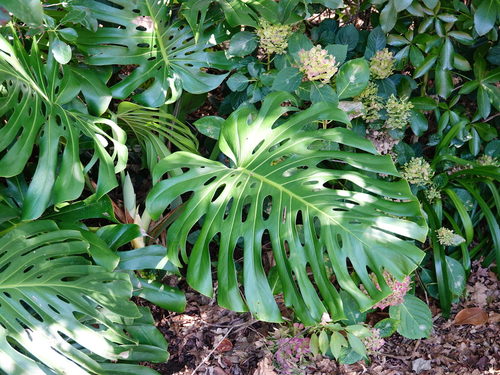
Monstera deliciosa is a popular tropical houseplant known for its large, fenestrated leaves and vining growth habit. It contains insoluble calcium oxalate crystals that can cause irritation if ingested by pets.
Potentially toxic for cats & dogs.
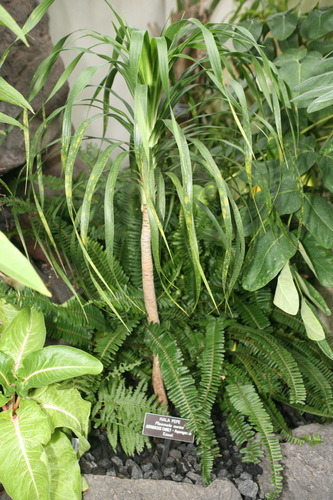
Dracaena trifasciata is a popular, hardy houseplant known for its stiff, sword-like leaves with striking yellow margins. It is widely appreciated for its air-purifying qualities and ability to thrive in various indoor conditions.
Potentially toxic for cats & dogs.
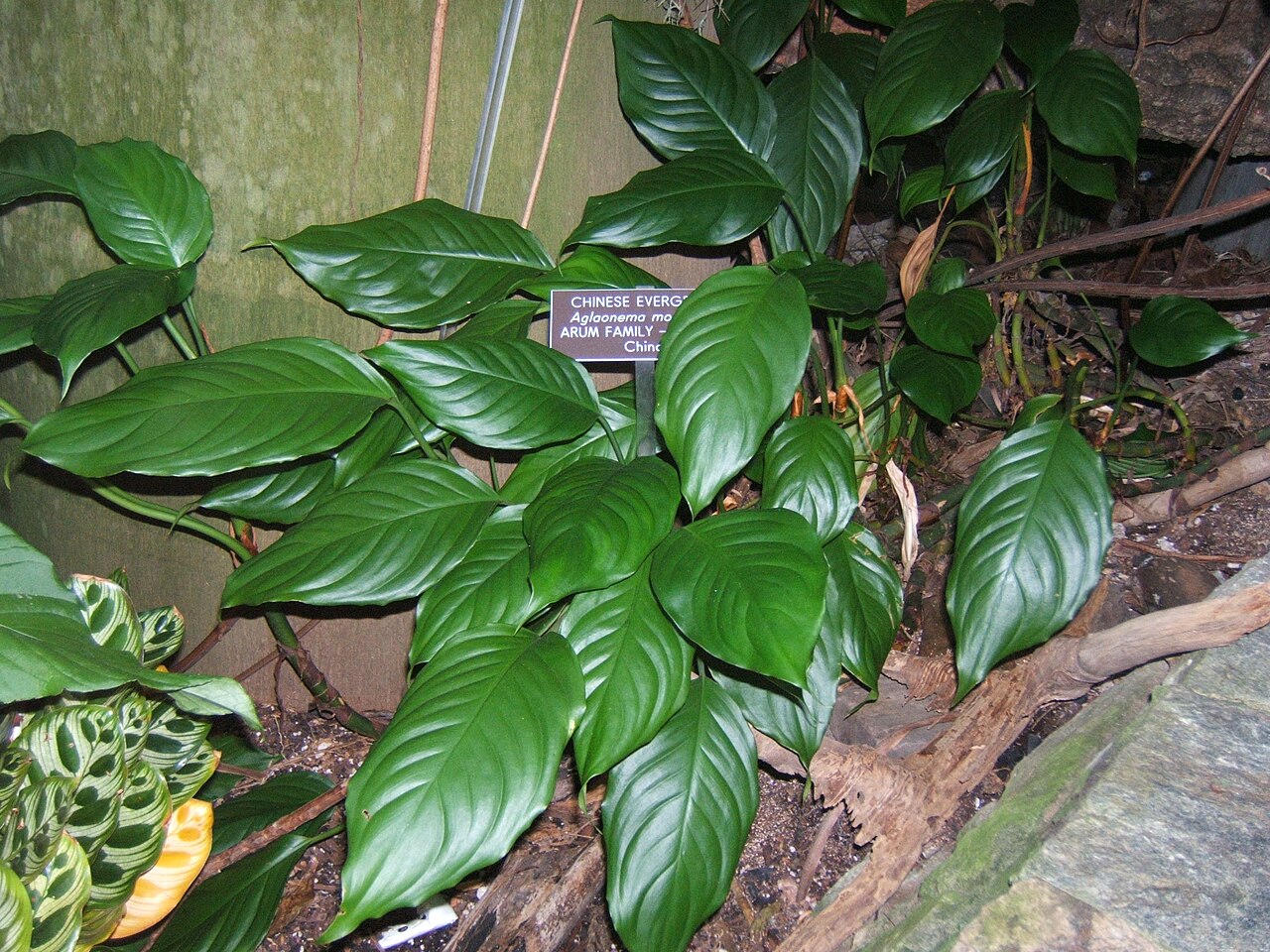
Chinese Evergreen is a popular indoor foliage plant known for its patterned leaves and tolerance of low light conditions. It contains insoluble calcium oxalate crystals that can cause irritation if ingested or chewed.
Potentially toxic for cats & dogs.
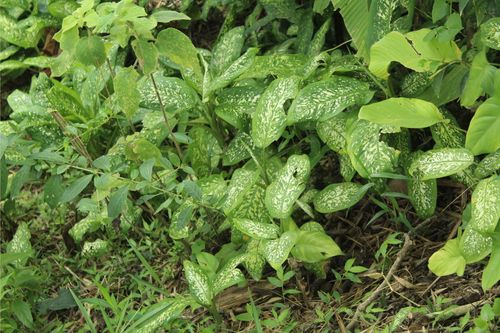
Dieffenbachia is a popular tropical houseplant known for its large, variegated leaves. It contains insoluble calcium oxalate crystals that can cause irritation if ingested or chewed.
Potentially toxic for cats & dogs.