Cats & Dogs
Potentially toxicConsulted references classify the plant as toxic or irritating for that pet type.
Verified against ASPCA/provenance audit 2026-05-06 on May 6, 2026.
Sources
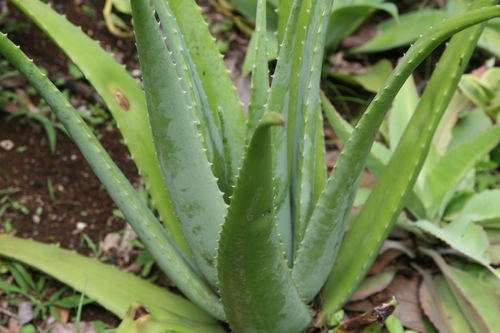
Aloe vera
Aloe vera is a popular succulent known for its medicinal gel, but it contains compounds that can cause digestive distress if ingested by pets. It is widely grown as a houseplant for its architectural foliage and low-maintenance care requirements.
Safety status
Cats & Dogs
Potentially toxicConsulted references classify the plant as toxic or irritating for that pet type.
Verified against ASPCA/provenance audit 2026-05-06 on May 6, 2026.
Sources
If a pet has chewed or swallowed plant material and is showing symptoms, contact a veterinarian or poison resource immediately. This product is for structured reference, not diagnosis.
Cats — concern notes
Common signs
Vomiting, diarrhea, lethargy, and changes in urine color.
Escalation note
Ingestion can lead to gastrointestinal irritation. Please contact your veterinarian if your cat has consumed any part of this plant.
Dogs — concern notes
Common signs
Vomiting, diarrhea, lethargy, and tremors in rare cases.
Escalation note
The plant contains anthraquinone glycosides which cause digestive upset. Always consult a veterinarian if ingestion is suspected.
Safer alternatives
Some links earn us a small commission. They never affect our safety classifications.
ASPCA Toxic Plant List
toxicology · 99% reliability
Aloe vera is listed as toxic to both cats and dogs due to the presence of saponins and anthraquinones.
NC State Extension Plant Toolbox
botanical · 94% reliability
Aloe vera is a succulent plant species of the genus Aloe, widely cultivated as an ornamental plant.
Yes, aloe vera is potentially toxic to cats. The plant contains compounds that cause gastrointestinal irritation, and ingestion can lead to vomiting, diarrhea, lethargy, and changes in urine color.
Vomiting is typically the first sign, usually appearing within a few hours of ingestion. This can be followed by diarrhea, lethargy, and loss of appetite. After a larger ingestion you may also notice a reddish or brown tint to the urine; muscle tremors are reported but uncommon. Symptoms generally resolve over 24–48 hours with supportive care.
Move your cat away from the plant and pick up any chewed pieces so she can't eat more. Do not try to induce vomiting at home. Call your vet or Pet Poison Helpline at (855) 764-7661 before giving anything by mouth, and treat any chew of a whole leaf as urgent rather than wait-and-see.
Call your vet or ASPCA Animal Poison Control at (888) 426-4435 if your cat vomits more than once, has diarrhea, becomes withdrawn or lethargic, or you notice any pink or red color in the urine. Don't wait for multiple symptoms to appear — early contact with poison control is always the safer call.
Yes, aloe vera is considered potentially toxic to dogs. The plant contains anthraquinone glycosides that cause digestive upset, and ingestion can lead to vomiting, diarrhea, and lethargy, with muscle tremors reported in rare cases.
The most common signs are vomiting, diarrhea (sometimes with mucus), lethargy, and loss of appetite, typically appearing within a few hours of ingestion. After a larger ingestion, watch for a reddish color change in the urine. Muscle tremors are possible but rare.
Remove the plant and any chewed pieces from your dog immediately. Do not try to induce vomiting at home — this is a common misconception and is not appropriate for most exposures. Call your vet or Pet Poison Helpline at (855) 764-7661 before giving anything by mouth; they may recommend home monitoring with fluids or anti-nausea medication if signs develop.
The main concern is the bitter yellow latex layer just beneath the outer leaf skin, which is rich in anthraquinone glycosides — a large chew that includes a lot of this latex warrants a same-day vet visit. GI signs typically resolve within 24–48 hours with supportive care, but call your vet or ASPCA Animal Poison Control at (888) 426-4435 if vomiting or diarrhea continues beyond one or two episodes, or if your dog appears weak or passes reddish urine.
Often compared with
Same genus
Same safety verdict
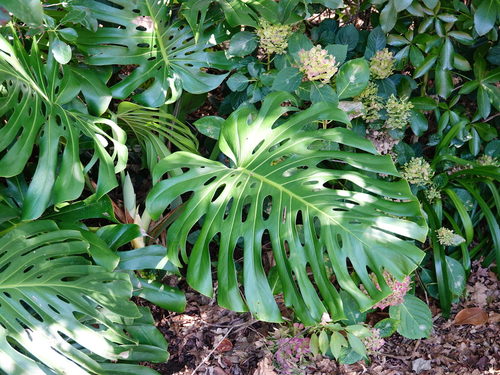
Monstera deliciosa is a popular tropical houseplant known for its large, fenestrated leaves and vining growth habit. It contains insoluble calcium oxalate crystals that can cause irritation if ingested by pets.
Potentially toxic for cats & dogs.
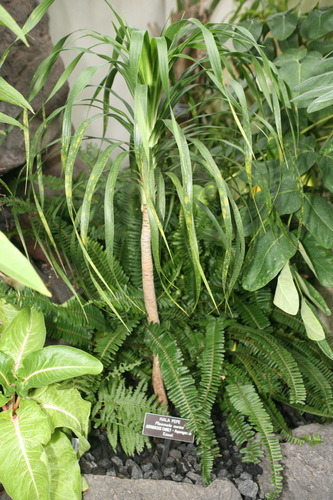
Dracaena trifasciata is a popular, hardy houseplant known for its stiff, sword-like leaves with striking yellow margins. It is widely appreciated for its air-purifying qualities and ability to thrive in various indoor conditions.
Potentially toxic for cats & dogs.
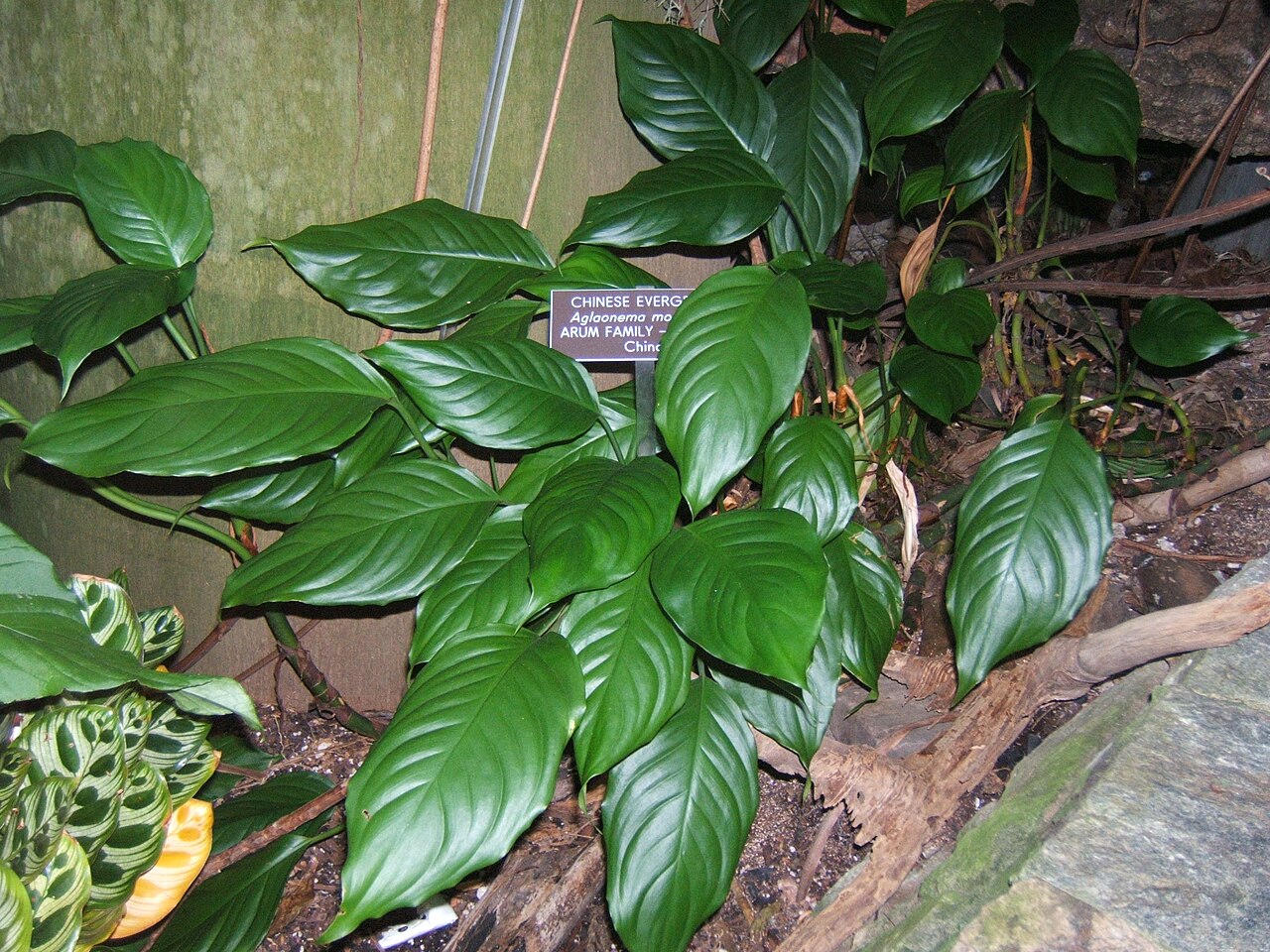
Chinese Evergreen is a popular indoor foliage plant known for its patterned leaves and tolerance of low light conditions. It contains insoluble calcium oxalate crystals that can cause irritation if ingested or chewed.
Potentially toxic for cats & dogs.
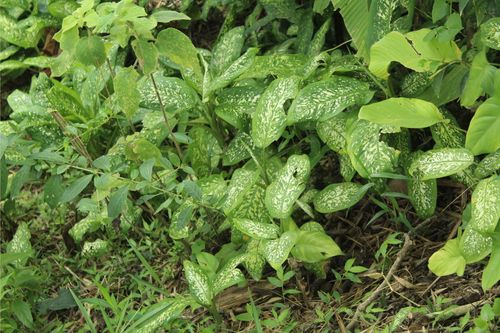
Dieffenbachia is a popular tropical houseplant known for its large, variegated leaves. It contains insoluble calcium oxalate crystals that can cause irritation if ingested or chewed.
Potentially toxic for cats & dogs.
Same growing conditions
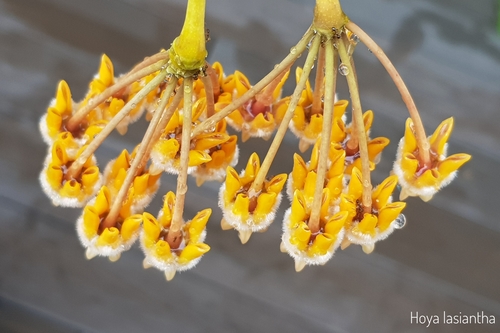
Hoya is a popular, low-maintenance trailing houseplant known for its waxy, succulent-like leaves and fragrant clusters of star-shaped flowers. It is considered safe for households with pets, though ingestion of large amounts of plant material may cause minor digestive discomfort.
Not yet rated for cats.
Not yet rated for dogs.
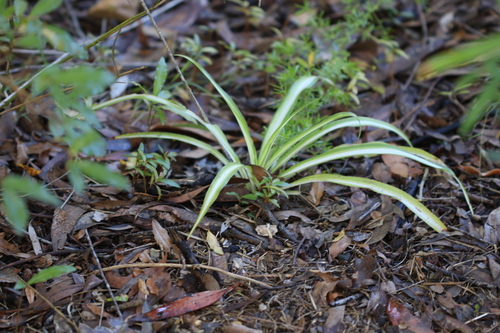
The spider plant is a popular, easy-to-care-for houseplant known for its arching, grass-like foliage and trailing plantlets. It is widely considered safe for households with pets, though large ingestions of fibrous material may occasionally cause mild digestive upset.
Generally safe for cats & dogs.
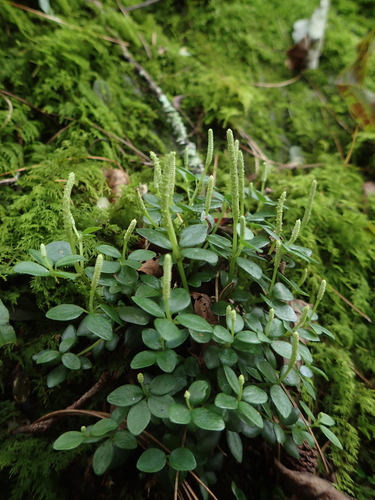
Peperomia is a diverse genus of popular, low-maintenance houseplants known for their thick, succulent-like foliage and compact growth habit. They are generally considered safe for households with pets, though individual plant parts can cause minor digestive discomfort if consumed in large quantities.
Generally safe for cats.
Not yet rated for dogs.
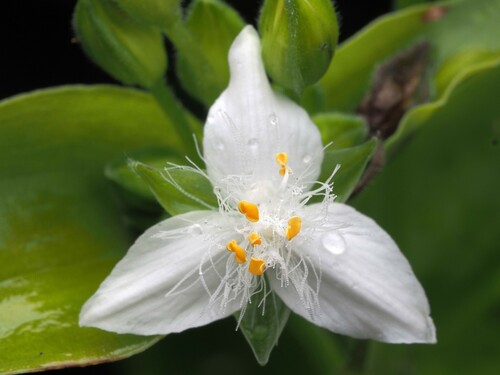
The Inch Plant is a fast-growing, trailing perennial often kept as a houseplant for its attractive, variegated foliage. It contains sap that can cause irritation upon contact or ingestion.
Potentially toxic for cats & dogs.