Cats & Dogs
Potentially toxicConsulted references classify the plant as toxic or irritating for that pet type.
Verified against ASPCA/provenance audit 2026-05-06 on May 6, 2026.
Sources
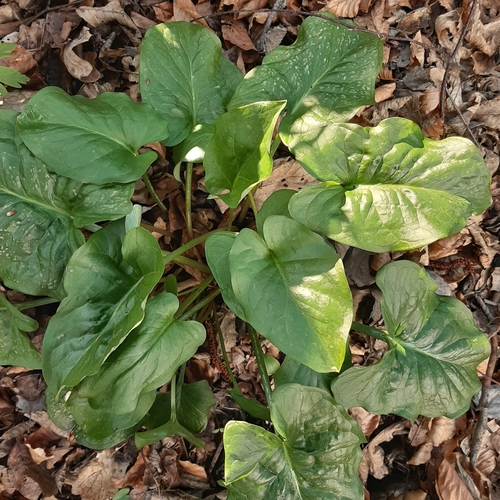
Arum palestinum
Arum palestinum is a tuberous perennial known for its striking, dark purple-black spathe. It contains insoluble calcium oxalate crystals that cause irritation upon contact with mucous membranes.
Safety status
Cats & Dogs
Potentially toxicConsulted references classify the plant as toxic or irritating for that pet type.
Verified against ASPCA/provenance audit 2026-05-06 on May 6, 2026.
Sources
If a pet has chewed or swallowed plant material and is showing symptoms, contact a veterinarian or poison resource immediately. This product is for structured reference, not diagnosis.
Cats — concern notes
Common signs
Oral irritation, intense burning and irritation of the mouth, tongue and lips, excessive drooling, vomiting, and difficulty swallowing.
Escalation note
The insoluble calcium oxalate crystals cause immediate mechanical irritation. If your cat has ingested any part of this plant, please contact your veterinarian or a pet poison control center immediately.
Dogs — concern notes
Common signs
Oral irritation, intense burning and irritation of the mouth, tongue and lips, excessive drooling, vomiting, and difficulty swallowing.
Escalation note
Ingestion typically results in immediate discomfort due to the release of calcium oxalate crystals. Please consult your veterinarian if you suspect your dog has chewed or ingested this plant.
Safer alternatives
No hand-picked alternatives for this plant yet. You can still pick your own using the Compare button on any other plant.
ASPCA Toxic Plant List
toxicology · 99% reliability
Arum lily contains insoluble calcium oxalate crystals that can cause oral irritation and gastrointestinal distress in pets.
Kew Plants of the World Online
botanical · 95% reliability
Accepted scientific name and distribution data for Arum palestinum Boiss.
Yes, Black Calla (Arum palestinum) is toxic to cats. It contains insoluble calcium oxalate crystals that mechanically pierce the soft tissues of the mouth and digestive tract on contact, causing immediate irritation. Keep this plant out of reach of cats entirely.
Expect oral irritation almost immediately — heavy drooling, pawing at the mouth, lip-smacking, head-shaking, and vomiting are the most common signs. Less common but more serious symptoms include visible swelling of the lips, tongue, or throat, refusal to eat or drink, and any change in breathing or voice.
Do not induce vomiting at home and do not give hydrogen peroxide without speaking to a specialist first. Wipe loose plant material from your cat's mouth if you can do so safely, then call the ASPCA Animal Poison Control Center at (888) 426-4435 or your vet right away. Bring a piece of the plant to the clinic for identification.
Oral burning typically begins within minutes of chewing because the injury is mechanical — the calcium oxalate crystals physically pierce tissue rather than being absorbed into the bloodstream. Mild cases generally settle within 12–24 hours with supportive care, though oral swelling can take 1–2 days to fully resolve.
Yes, Black Calla (Arum palestinum) is toxic to dogs. It contains insoluble calcium oxalate crystals that cause immediate oral irritation, intense burning of the mouth, tongue, and lips, excessive drooling, vomiting, and difficulty swallowing upon contact with mucous membranes.
Oral burning and intense irritation begin within minutes of a bite because the damage is caused by physical crystal injury rather than an absorbed toxin. You may see your dog foaming at the mouth, pawing or rubbing its muzzle on the floor, vocalizing in pain, or vomiting. Swelling of the lips or tongue and difficulty swallowing can also occur, and in rare cases upper-airway swelling can affect breathing.
Do not induce vomiting at home and do not give hydrogen peroxide without first speaking to a poison control specialist or veterinarian. If you can do so safely, wipe any loose plant material from the mouth, then call your vet or the ASPCA Animal Poison Control Center at (888) 426-4435. Bring a piece of the plant for identification.
Most dogs recover within 24 hours with supportive care. The burning starts within minutes of ingestion, but visible oral swelling can take 1–2 days to fully settle. Call your vet immediately if drooling is persistent, your dog is retching, the mouth or tongue looks swollen, or there is any change in breathing.
Often compared with
Same safety verdict
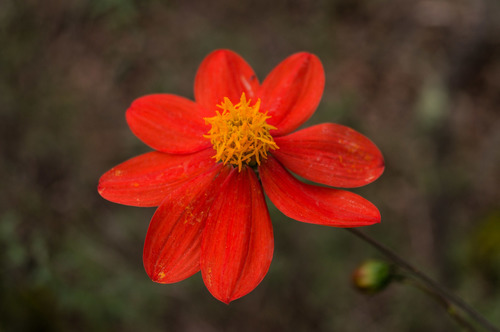
Dahlias are popular tuberous perennials known for their diverse, showy blooms. While they are a staple in gardens, they contain compounds that can cause mild gastrointestinal or dermatological irritation if ingested or handled by pets.
Potentially toxic for cats & dogs.
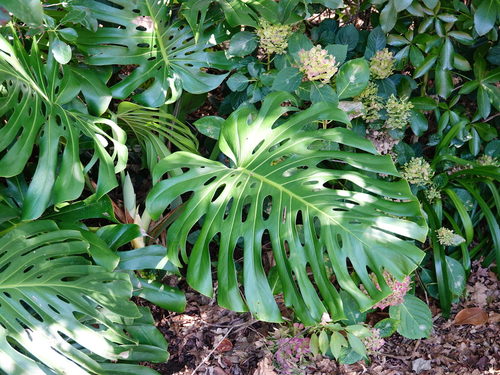
Monstera deliciosa is a popular tropical houseplant known for its large, fenestrated leaves and vining growth habit. It contains insoluble calcium oxalate crystals that can cause irritation if ingested by pets.
Potentially toxic for cats & dogs.

Dracaena trifasciata is a popular, hardy houseplant known for its stiff, sword-like leaves with striking yellow margins. It is widely appreciated for its air-purifying qualities and ability to thrive in various indoor conditions.
Potentially toxic for cats & dogs.
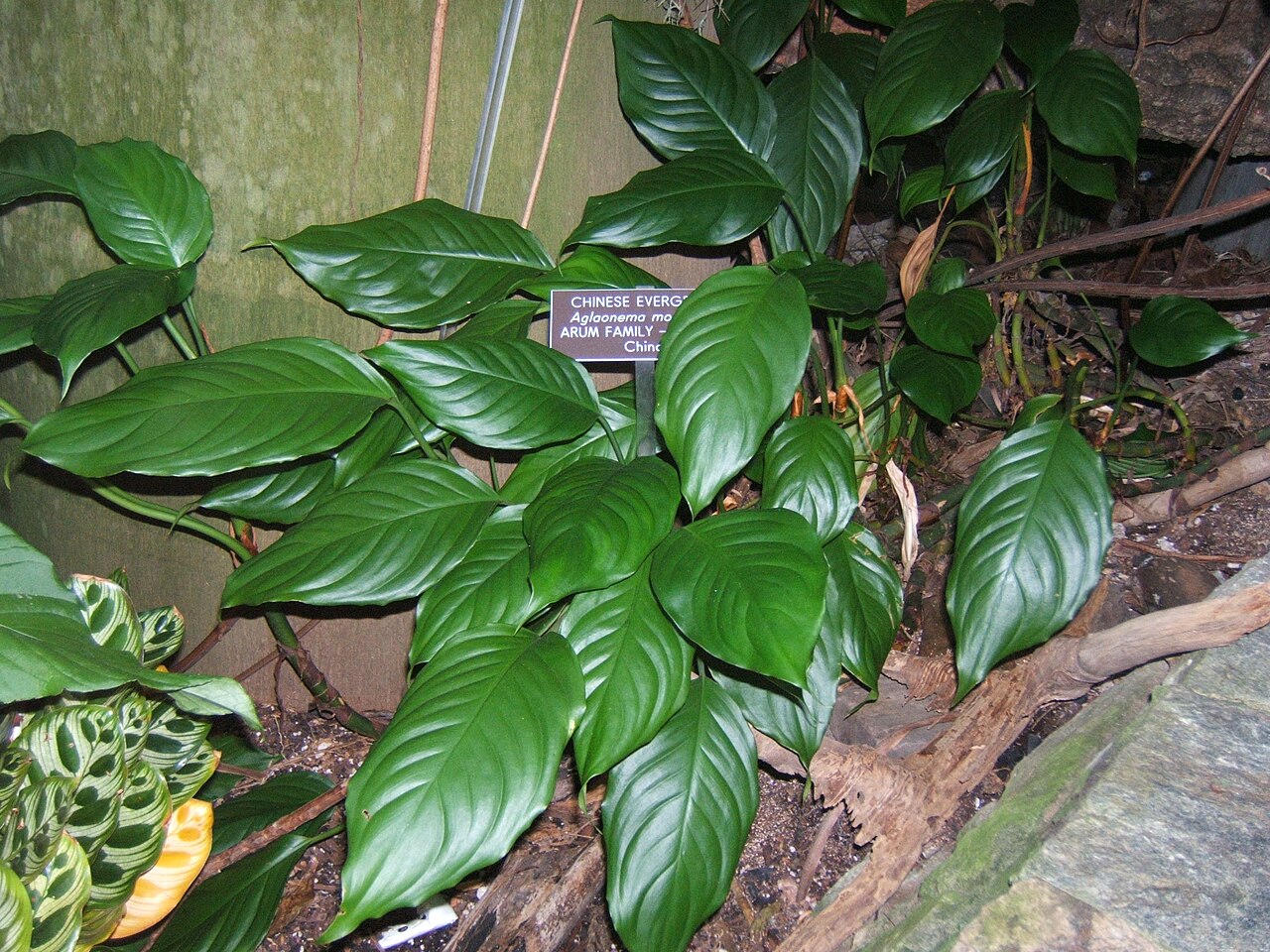
Chinese Evergreen is a popular indoor foliage plant known for its patterned leaves and tolerance of low light conditions. It contains insoluble calcium oxalate crystals that can cause irritation if ingested or chewed.
Potentially toxic for cats & dogs.
Same growing conditions