Trailing& vining
Plants with trailing stems or climbing habits — well-suited to hanging baskets, shelves, and moss poles.
89 plants
A
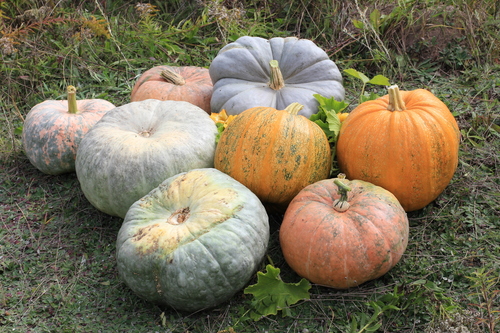
Acorn squash is a popular edible winter squash known for its ribbed, dark green skin and sweet, yellow-orange flesh. It is widely cultivated for culinary use and is considered safe for household pets.
Generally safe for cats & dogs.
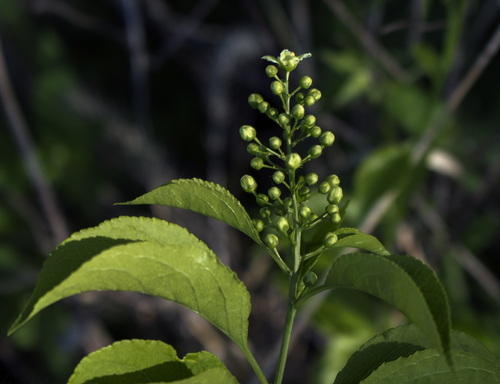
American Bittersweet is a woody vine native to North America, often recognized for its vibrant orange and red fruit capsules. While ornamental, all parts of the plant are considered toxic to pets if ingested.
Potentially toxic for cats & dogs.
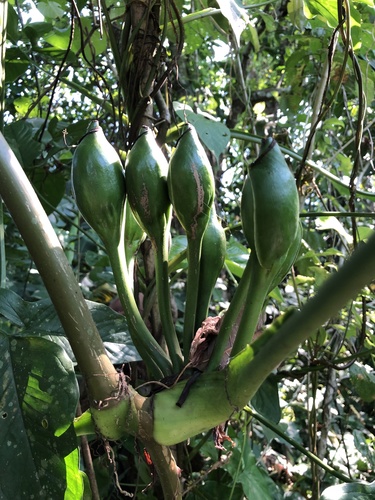
Syngonium podophyllum is a popular tropical vining plant known for its arrow-shaped leaves that change form as the plant matures. It contains insoluble calcium oxalate crystals which can cause irritation if ingested by pets.
Potentially toxic for cats & dogs.
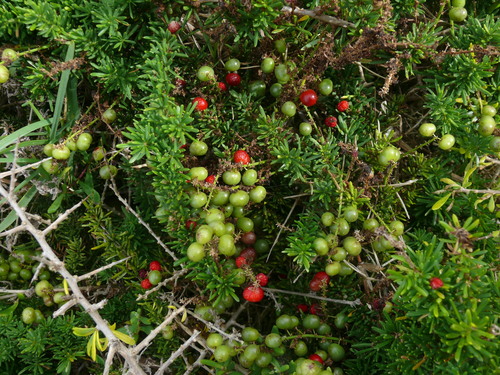
The Asparagus Fern is a popular, feathery houseplant that is actually a member of the lily family. Despite its delicate appearance, it contains toxic compounds that can cause irritation if ingested by pets.
Potentially toxic for cats & dogs.
B
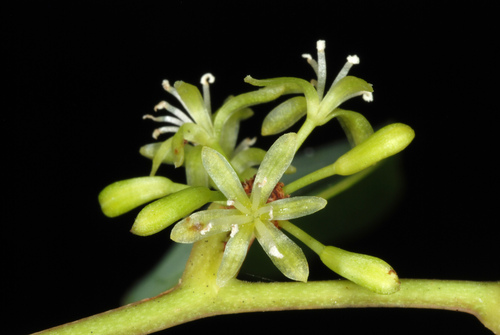
Smilax laurifolia is a woody, climbing vine known for its tough, leathery leaves and thorny stems. While generally considered safe for pets, its fibrous nature can occasionally cause minor digestive discomfort if consumed in large quantities.
Generally safe for cats & dogs.
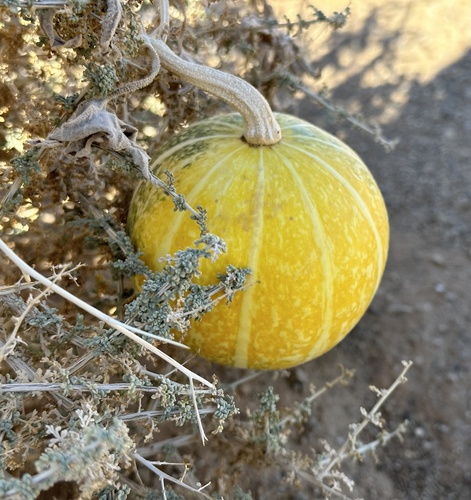
Banana squash is a large, edible winter squash variety known for its elongated shape and sweet, dense flesh. It is considered safe for household pets, though large ingestions of raw plant material may cause minor digestive discomfort.
Generally safe for cats & dogs.
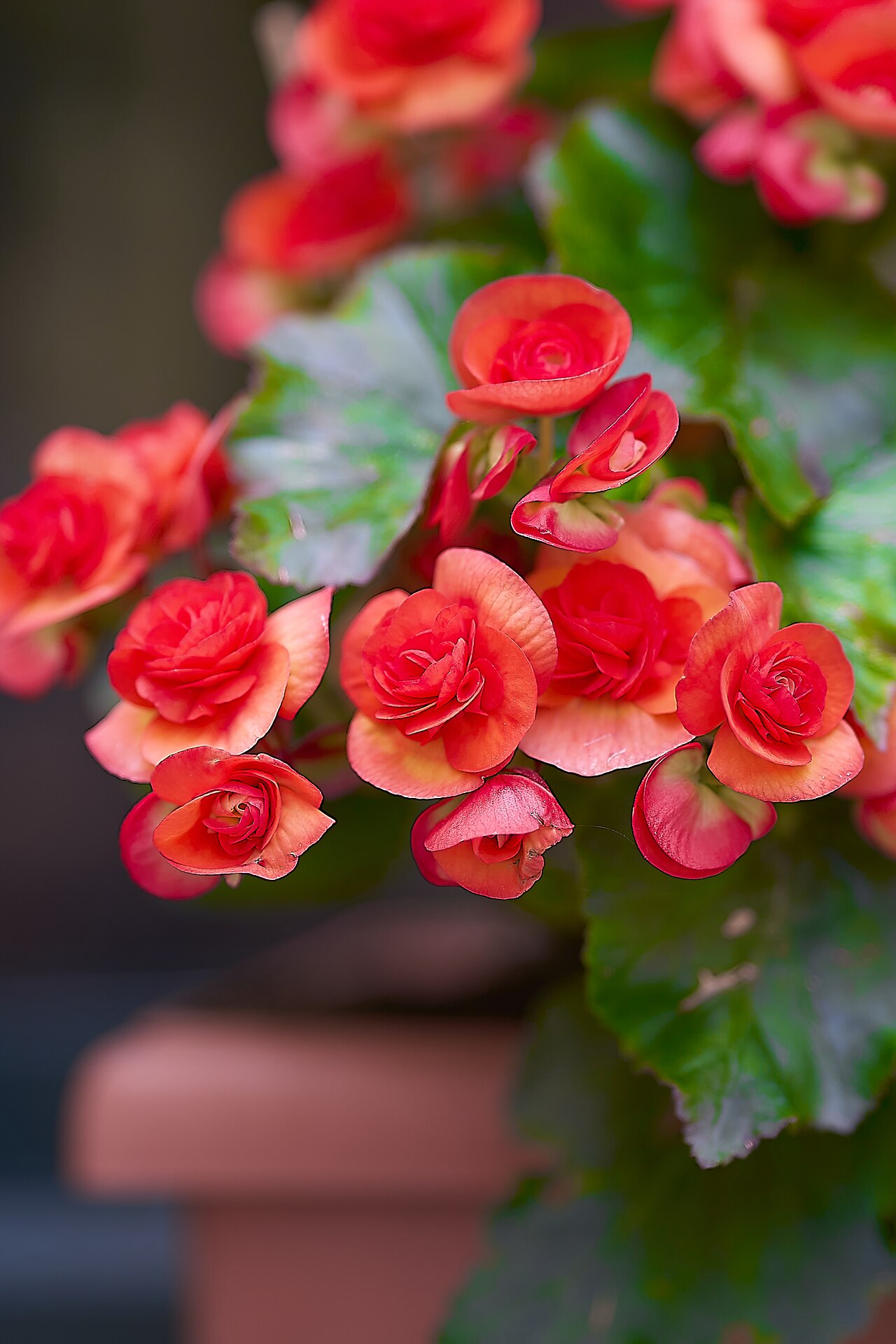
Begonias are popular ornamental plants known for their diverse foliage and vibrant flowers. They contain soluble calcium oxalates which can cause irritation if ingested by pets.
Potentially toxic for cats & dogs.
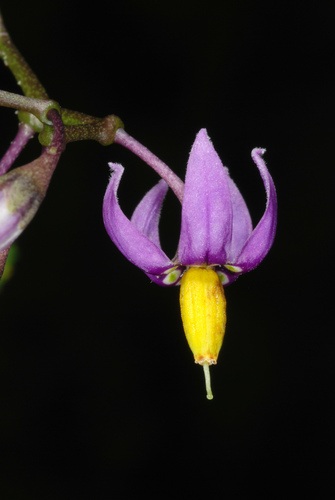
Climbing Nightshade is a perennial vine in the nightshade family known for its star-shaped purple flowers and bright red berries. It contains solanine alkaloids that are harmful to pets if ingested.
Potentially toxic for cats & dogs.
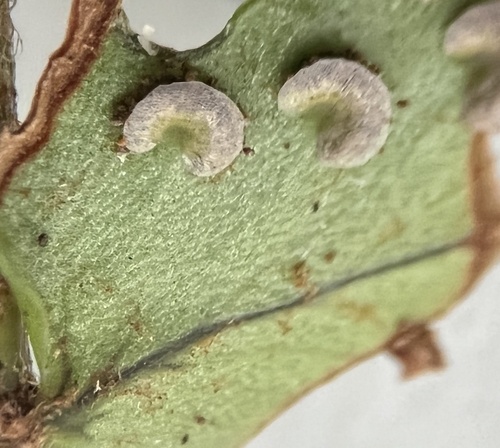
The Boston Fern is a popular, lush houseplant known for its arching fronds and preference for high humidity. It is considered non-toxic to pets, though its fibrous nature may cause minor digestive upset if consumed in large quantities.
Generally safe for cats & dogs.
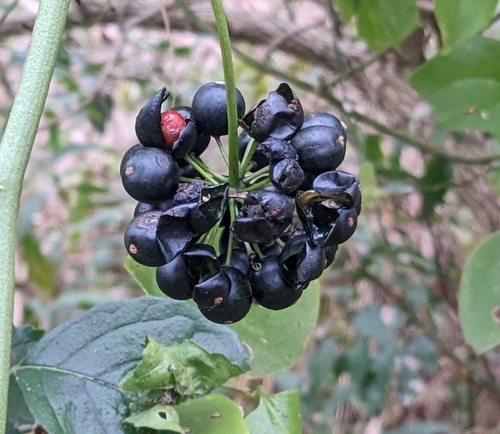
Bristly Greenbrier is a woody, climbing vine native to North America, often found in thickets and woodlands. It is considered non-toxic to pets, though its fibrous nature may cause minor digestive discomfort if consumed in large quantities.
Generally safe for cats & dogs.
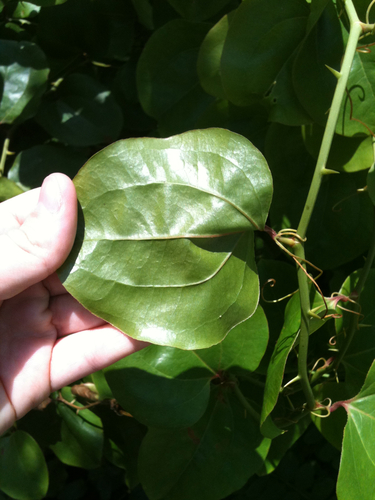
Bullbrier is a hardy, woody vine native to North America, often recognized by its prickly stems and rounded leaves. It is considered non-toxic to pets, though its fibrous nature may cause minor digestive discomfort if consumed in large quantities.
Generally safe for cats & dogs.
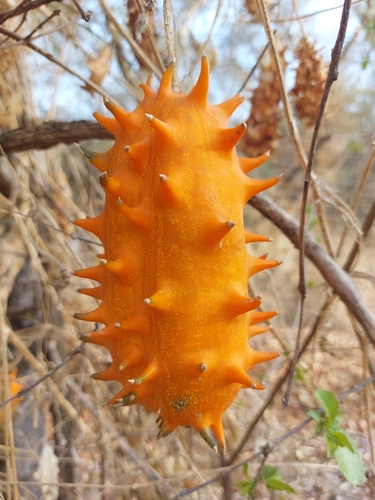
Bur Gourd is a vining plant in the cucumber family known for its small, spiky, edible fruits. It is generally considered safe for household pets, though its fibrous nature may cause minor digestive discomfort if consumed in large quantities.
Generally safe for cats & dogs.
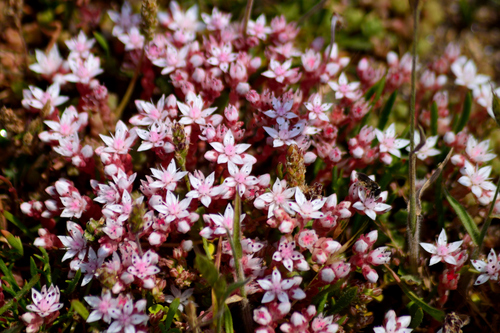
Burro's Tail is a popular trailing succulent known for its dense, fleshy, blue-green leaves that resemble braided tails. It is considered non-toxic to pets, though its fibrous nature may cause minor digestive discomfort if consumed in large quantities.
Generally safe for cats & dogs.
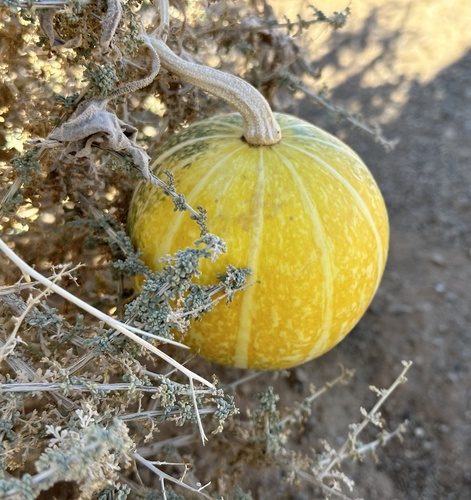
Buttercup squash is a popular winter squash variety known for its sweet, nutty flavor and dense, orange flesh. It is considered safe for pets, though large ingestions of raw plant material may cause minor digestive discomfort.
Generally safe for cats & dogs.
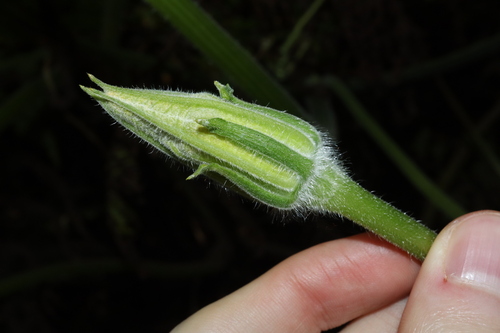
Butternut squash is a popular edible winter squash that is considered safe for pets to consume in moderation. While non-toxic, large quantities of raw or fibrous material may cause mild digestive discomfort.
Generally safe for cats & dogs.
C

The Candle Plant is a popular trailing ornamental known for its variegated, fuzzy foliage and aromatic leaves. It is considered non-toxic to pets, though ingestion of large amounts of plant material may cause minor digestive discomfort.
Generally safe for cats & dogs.
Casaba melon is a variety of muskmelon known for its sweet, pale flesh and thick, wrinkled rind. While the plant is considered non-toxic, ingestion of large amounts of fibrous plant material may cause minor digestive discomfort.
Generally safe for cats & dogs.
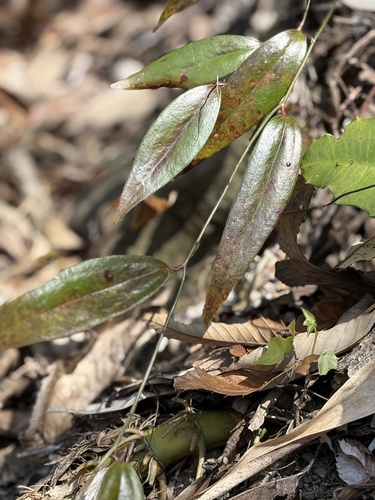
Cat Brier is a hardy, woody vine known for its tough stems and foliage. It is considered non-toxic to pets, though its fibrous nature may cause minor digestive discomfort if consumed in large quantities.
Generally safe for cats & dogs.
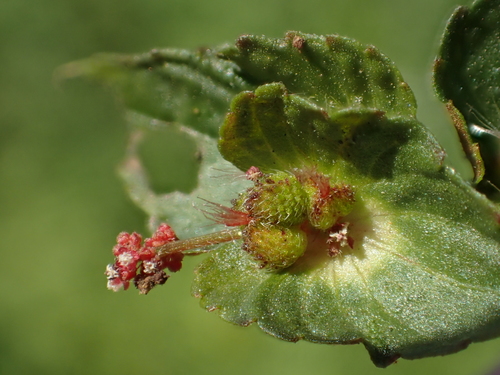
Acalypha hispida is a tropical shrub known for its long, drooping, fuzzy red flower spikes that resemble a fox's tail. It is a popular ornamental plant that requires warm, humid conditions to thrive.
Potentially toxic for cats & dogs.
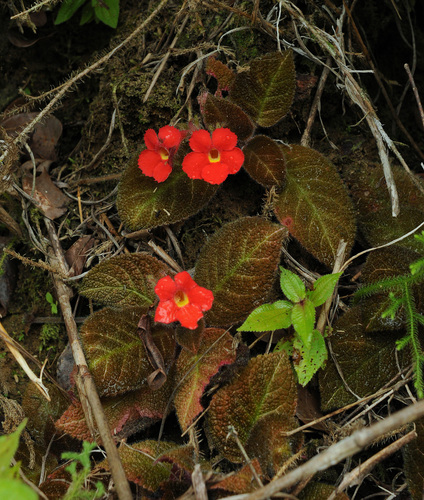
Chocolate Soldier is a popular trailing houseplant known for its fuzzy, patterned foliage and delicate, fringed flowers. It is considered safe for households with pets, though ingestion of large amounts of plant material may cause minor digestive discomfort.
Generally safe for cats & dogs.
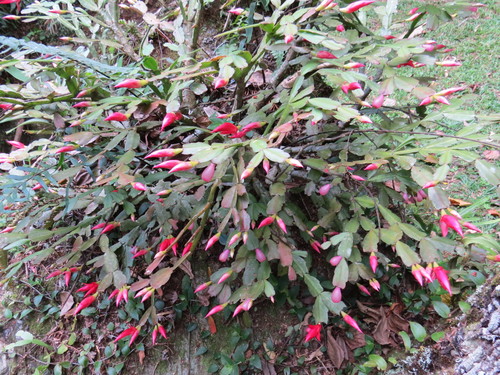
The Christmas Cactus is a popular, low-maintenance flowering succulent known for its segmented, arching stems and vibrant holiday blooms. It is considered non-toxic to pets, though its fibrous nature may cause minor digestive discomfort if consumed in large quantities.
Generally safe for cats & dogs.
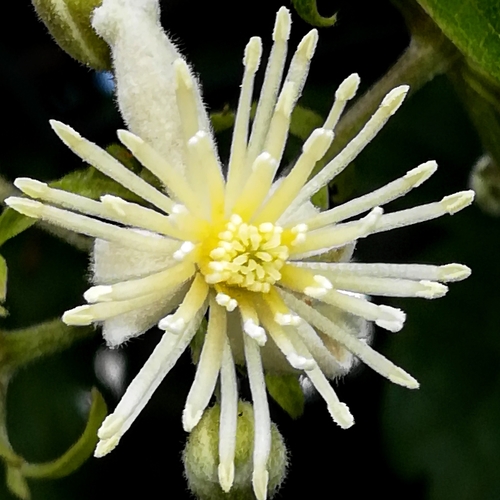
Clematis is a genus of popular flowering vines known for their showy blooms and climbing habit. While beautiful in the garden, they contain irritant compounds that can cause discomfort if ingested by pets.
Potentially toxic for cats & dogs.
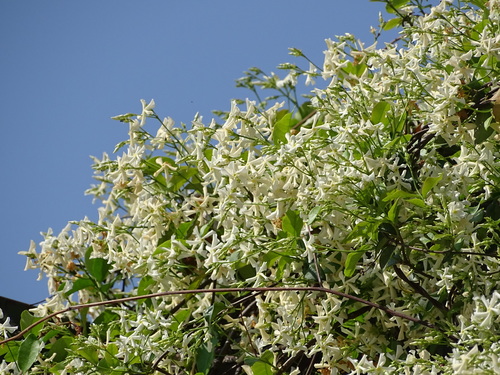
Confederate Jasmine is a popular, fragrant evergreen vine often grown as a houseplant or outdoor climber. It is considered non-toxic to pets, though large ingestions of plant material may cause mild digestive discomfort.
Generally safe for cats & dogs.

Creeping Gloxinia is a fast-growing, vining plant often grown for its attractive, trumpet-shaped flowers. It is considered safe for households with pets, though large ingestions of any plant material may cause minor digestive discomfort.
Generally safe for cats & dogs.
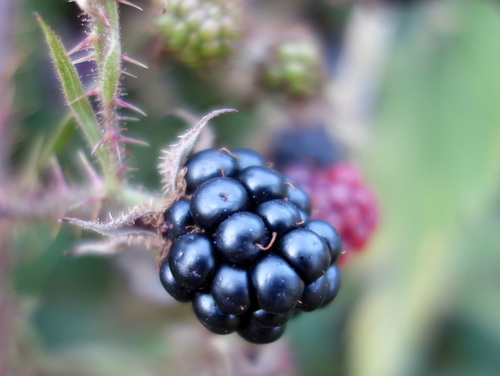
Creeping Rubus is a low-growing, mat-forming perennial groundcover known for its delicate foliage and trailing habit. It is considered non-toxic to pets, though ingestion of large amounts of fibrous plant material may cause mild digestive discomfort.
Uncertain for cats & dogs.
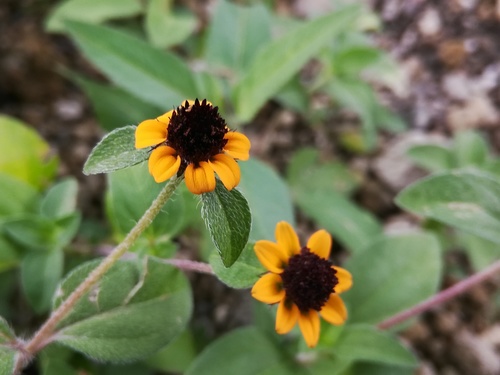
Creeping Zinnia is a low-growing, sun-loving annual known for its bright, daisy-like flowers that bloom throughout the summer. It is considered safe for households with pets, though ingestion of any plant material can occasionally cause minor digestive discomfort.
Generally safe for cats & dogs.
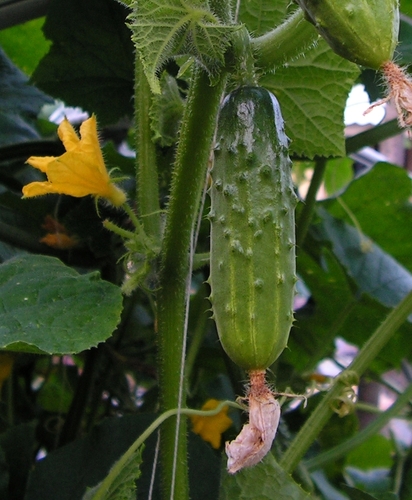
The cucumber is a widely cultivated creeping vine known for its edible, refreshing fruit. It is considered safe for household pets, though large ingestions of plant material may cause minor digestive discomfort.
Generally safe for cats & dogs.
F
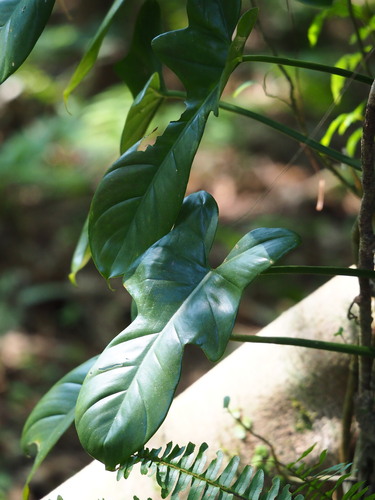
Philodendron bipennifolium is a popular vining aroid known for its unique, fiddle-shaped foliage. Like many members of the Araceae family, it contains insoluble calcium oxalate crystals that can cause irritation if ingested.
Potentially toxic for cats & dogs.
The Fig Leaf Gourd is a fast-growing, vining plant often cultivated for its edible fruit and seeds. It is considered non-toxic to household pets, though large ingestions of fibrous plant material may cause minor digestive discomfort.
Generally safe for cats & dogs.
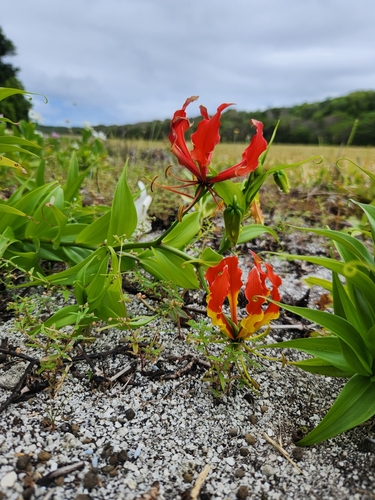
Climbing Lily is a tuberous climbing plant known for its striking, flame-like flowers. It contains colchicine, a potent alkaloid that is highly toxic to both cats and dogs if ingested.
Potentially toxic for cats & dogs.
Flame Violet is a popular trailing houseplant known for its vibrant, textured foliage and tubular flowers. It is considered non-toxic to both cats and dogs, making it a safe choice for pet-friendly households.
Generally safe for cats & dogs.
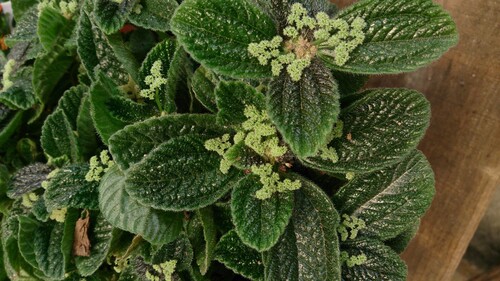
The Friendship Plant is a popular, low-maintenance houseplant known for its textured, deeply veined leaves and trailing growth habit. It is considered safe for households with pets, though ingestion of large amounts of plant material may cause minor digestive discomfort.
Not yet rated for cats.
Generally safe for dogs.
G
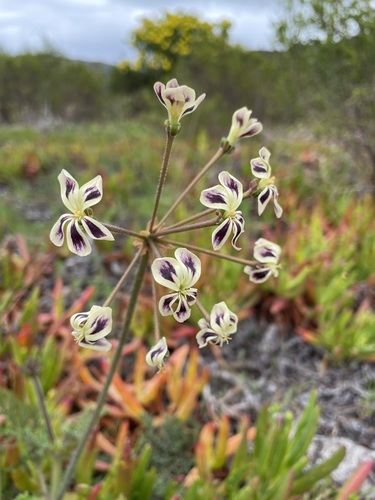
Geraniums are popular flowering plants known for their vibrant blooms and fragrant foliage. While they are common garden and container plants, they contain essential oils that can cause adverse reactions if ingested by pets.
Potentially toxic for cats & dogs.
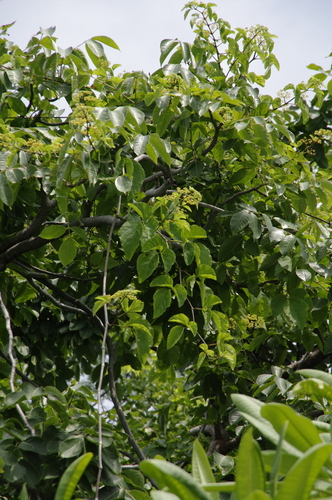
Grape Ivy is a popular, trailing indoor vine known for its attractive, three-parted leaves that resemble grape foliage. It is considered non-toxic to pets, though ingestion of large amounts of plant material may cause minor digestive discomfort.
Not yet rated for cats.
Not yet rated for dogs.
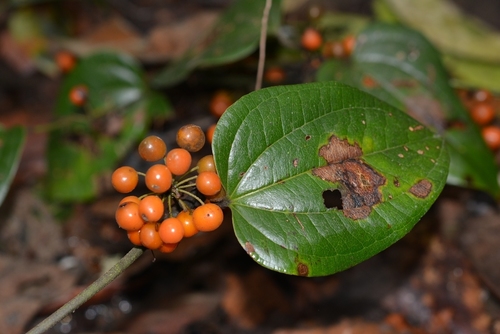
Greenbrier is a genus of woody, often thorny vines known for their resilience and climbing habit. While generally considered safe for pets, the fibrous nature of the plant can cause minor digestive discomfort if consumed in large quantities.
Generally safe for cats.
Not yet rated for dogs.
H
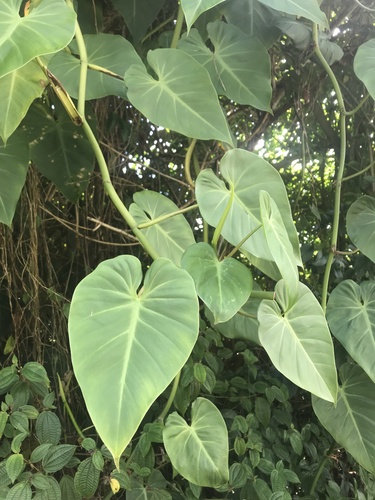
Heartleaf Philodendron is a popular trailing houseplant known for its heart-shaped leaves and ease of care. It contains insoluble calcium oxalate crystals that can cause irritation if ingested by pets.
Potentially toxic for cats & dogs.
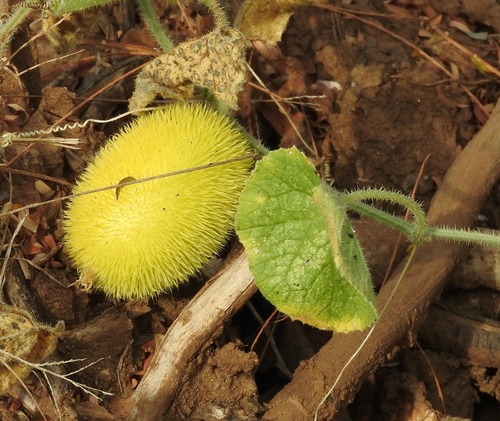
The Hedgehog Gourd is a unique, spiny-fruited vine often grown for its ornamental appearance. While it is considered non-toxic to pets, its fibrous nature can cause mild digestive discomfort if consumed in large quantities.
Not yet rated for cats.
Generally safe for dogs.
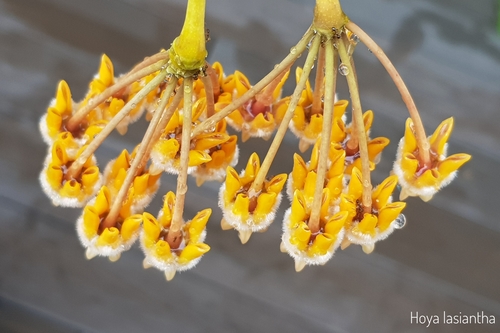
The Hindu Rope Plant is a popular, slow-growing succulent vine known for its unique, curled, waxy foliage. It is considered safe for households with pets, though its fibrous nature may cause minor digestive discomfort if consumed in large quantities.
Generally safe for cats & dogs.
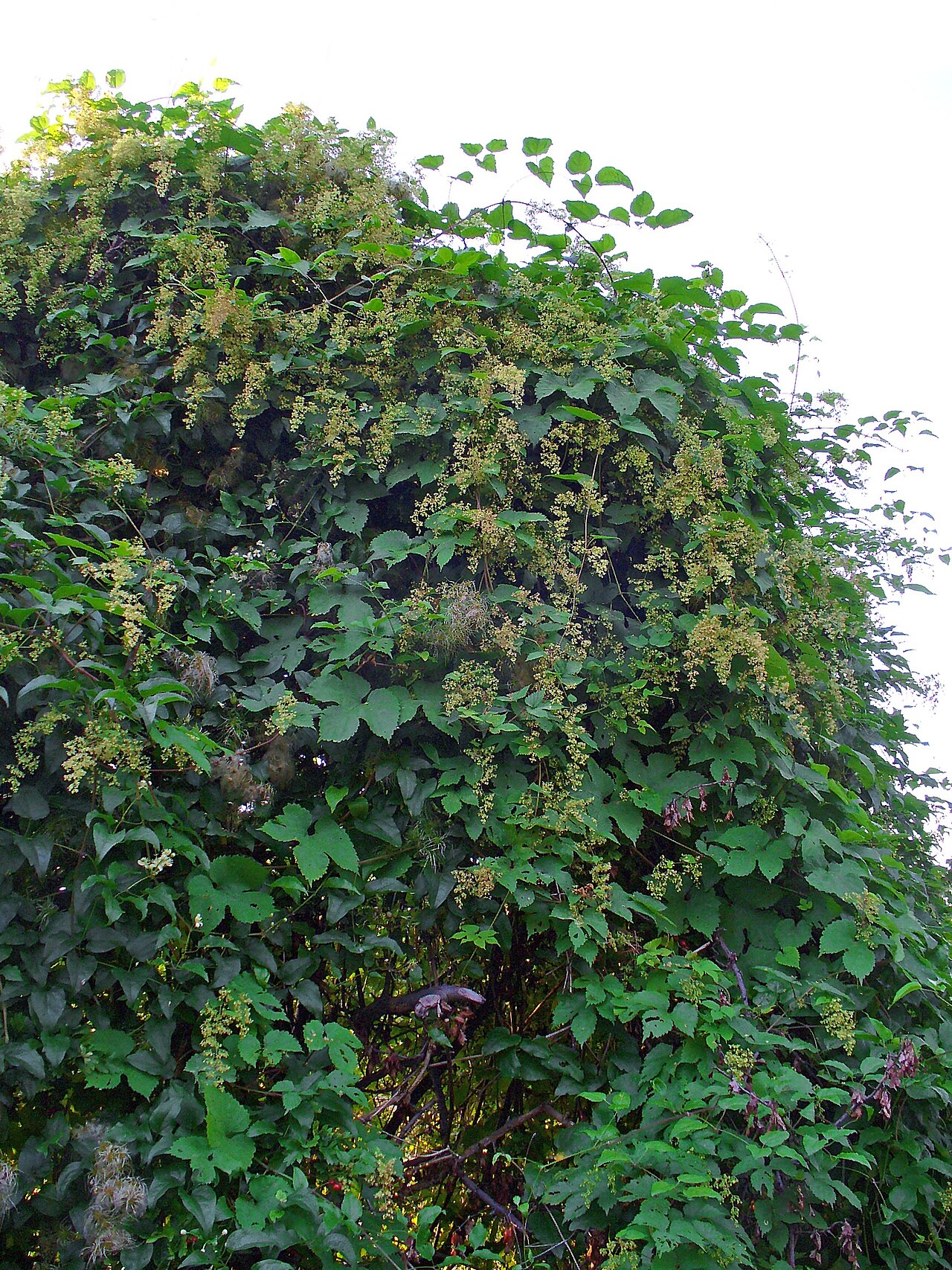
Hops are fast-growing perennial vines primarily known for their use in brewing, featuring rough, lobed leaves and papery, cone-like flowers. While popular in gardens, they contain compounds that can cause severe health issues in certain pets.
Uncertain for cats.
Potentially toxic for dogs.
Hoya is a popular, low-maintenance trailing houseplant known for its waxy, succulent-like leaves and fragrant clusters of star-shaped flowers. It is considered safe for households with pets, though ingestion of large amounts of plant material may cause minor digestive discomfort.
Not yet rated for cats.
Not yet rated for dogs.
I
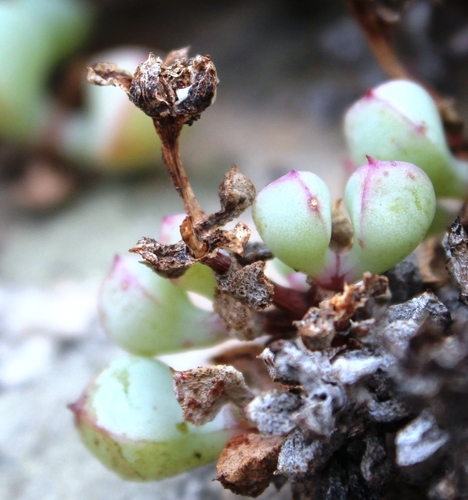
Ice Plant is a succulent groundcover known for its vibrant, daisy-like flowers and fleshy, triangular leaves. It is generally considered safe for pets, though ingestion of large amounts of fibrous plant material may cause minor digestive discomfort.
Generally safe for cats & dogs.
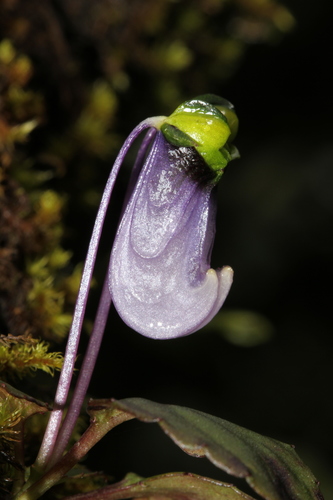
Impatiens are popular, colorful flowering plants often used in shaded garden beds and containers. They are considered non-toxic to pets, though ingestion of large amounts of plant material may cause minor digestive upset.
Generally safe for cats & dogs.
J
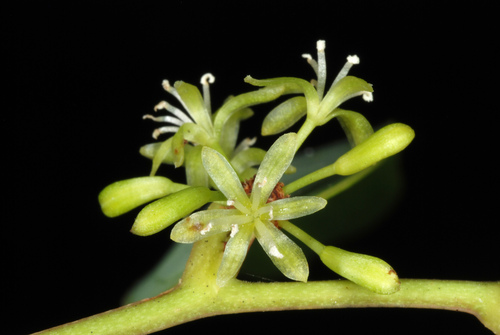
Jackson Brier is a woody, climbing vine known for its lance-shaped leaves and resilience. It is considered non-toxic to household pets, though its fibrous nature may cause mild digestive discomfort if consumed in large quantities.
Generally safe for cats & dogs.
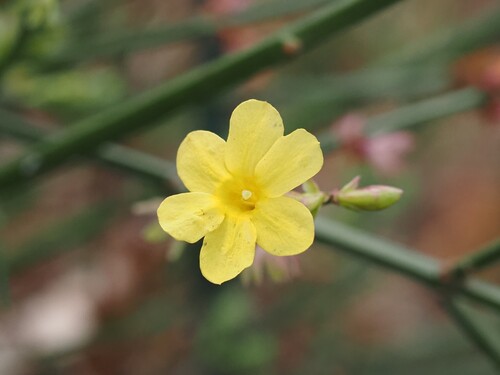
Jasmine is a popular flowering vine or shrub known for its highly fragrant blooms and vining growth habit. It is generally considered safe for household pets, though ingestion of large amounts of plant material may cause minor digestive discomfort.
Not yet rated for cats.
Generally safe for dogs.
L
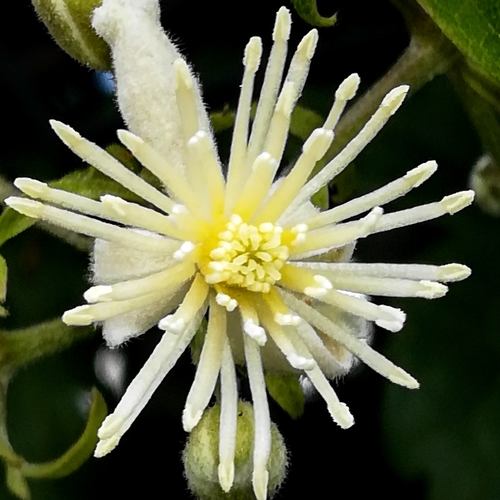
Clematis is a genus of climbing vines known for their showy, star-shaped flowers. While popular in gardens, all parts of the plant contain compounds that can cause irritation if ingested by pets.
Potentially toxic for cats & dogs.
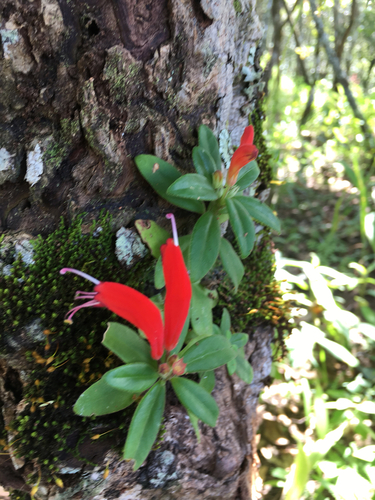
The Lipstick Plant is a popular trailing houseplant known for its tubular, bright red flowers that resemble lipstick tubes. It is considered non-toxic to pets, making it a safe choice for households with cats and dogs.
Generally safe for cats & dogs.
M
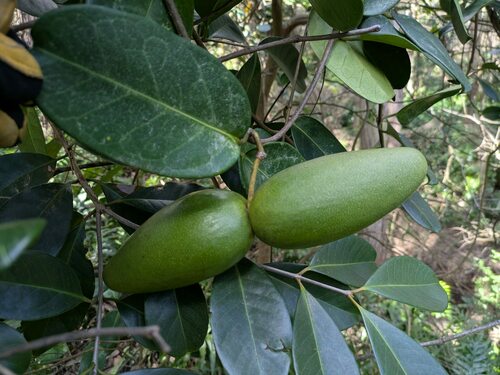
Madagascar Jasmine is a popular, fragrant vining plant often used in bridal bouquets and indoor containers. While it is not considered toxic, its fibrous stems and leaves may cause minor digestive discomfort if consumed in large quantities.
Generally safe for cats.
Not yet rated for dogs.
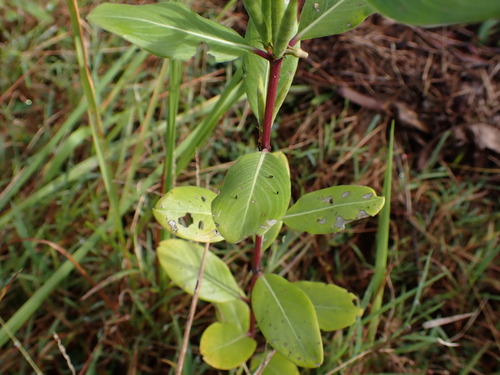
Catharanthus roseus is a flowering plant known for its vibrant blooms, but it contains alkaloids that are harmful if ingested by pets. It is commonly grown as an annual bedding plant or a container specimen.
Potentially toxic for cats & dogs.
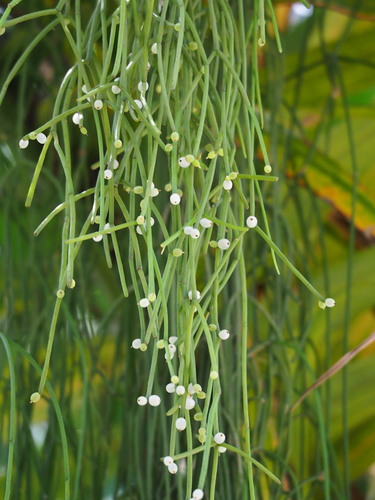
The Mistletoe Cactus is a unique, trailing epiphyte known for its slender, pencil-like stems and delicate white berries. It is generally considered safe for households with pets, though its fibrous nature may cause mild digestive discomfort if consumed in large quantities.
Not yet rated for cats.
Not yet rated for dogs.
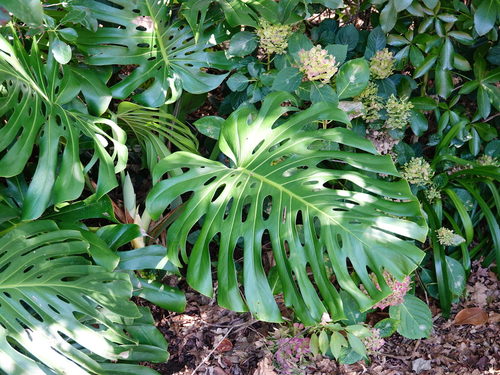
Monstera deliciosa is a popular tropical houseplant known for its large, fenestrated leaves and vining growth habit. It contains insoluble calcium oxalate crystals that can cause irritation if ingested by pets.
Potentially toxic for cats & dogs.
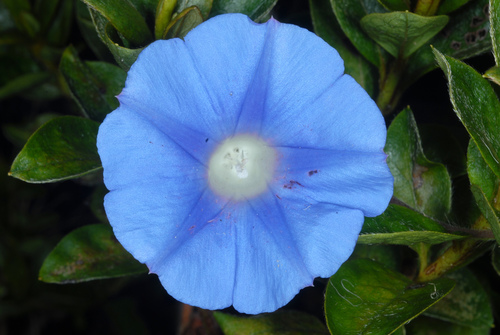
Morning Glory is a popular flowering vine known for its trumpet-shaped blooms that open in the morning. While aesthetically pleasing, the seeds and other plant parts contain alkaloids that can cause digestive distress if ingested by pets.
Potentially toxic for cats & dogs.
N
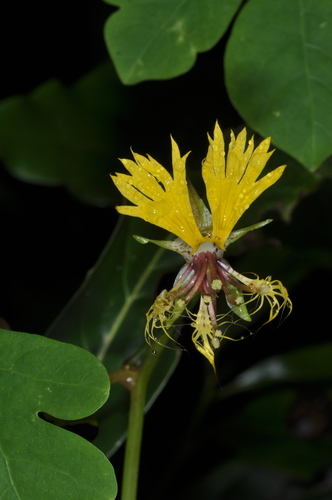
Nasturtium is a popular, fast-growing annual known for its edible, peppery-flavored flowers and rounded leaves. It is widely considered safe for household pets, though large ingestions of fibrous plant material may occasionally cause mild digestive upset.
Generally safe for cats & dogs.
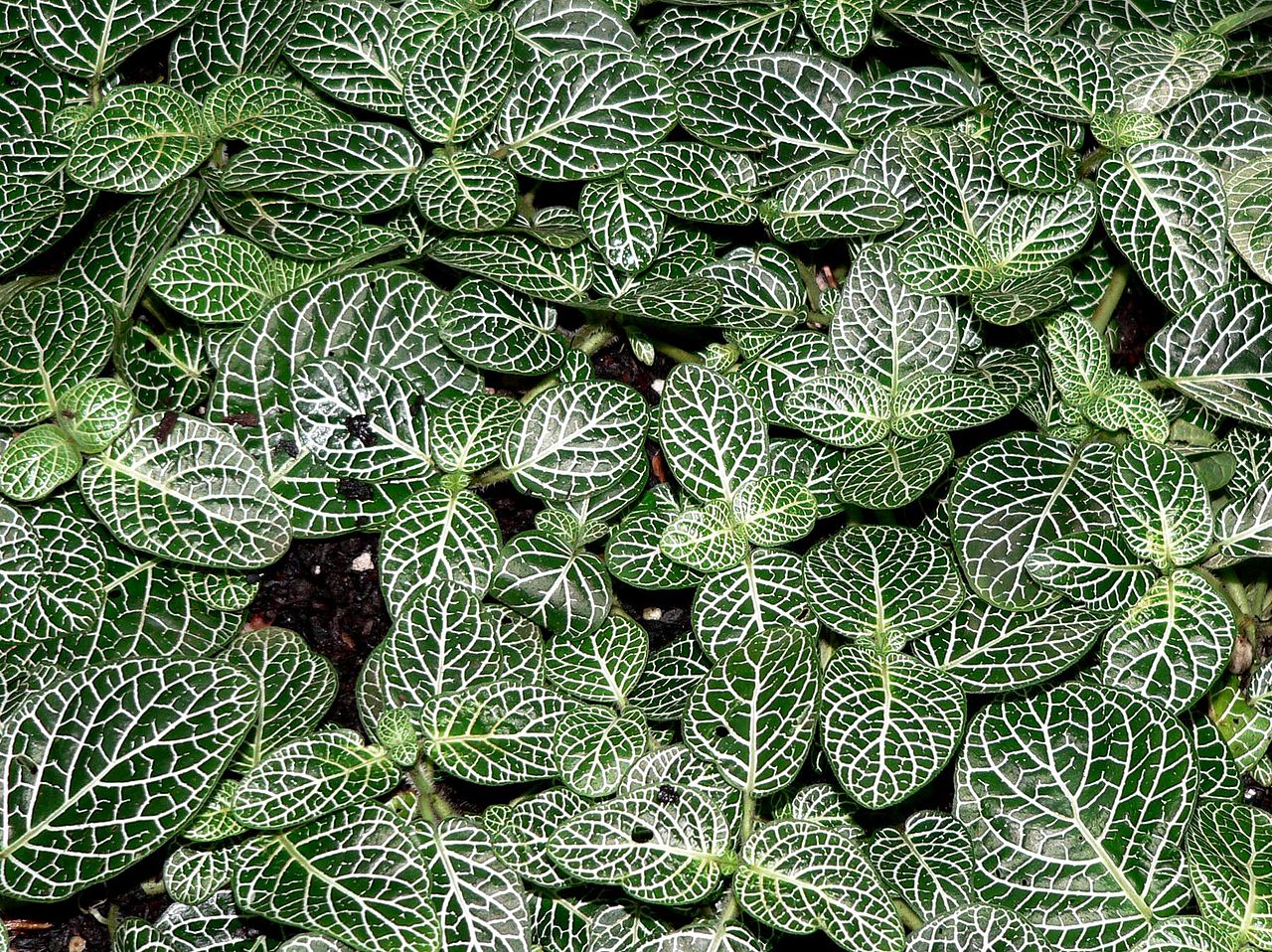
Nerve Plant is a popular, low-growing tropical houseplant known for its striking, vein-patterned foliage. It is considered non-toxic to pets, though ingestion of large amounts of plant material may cause mild digestive discomfort.
Generally safe for cats & dogs.
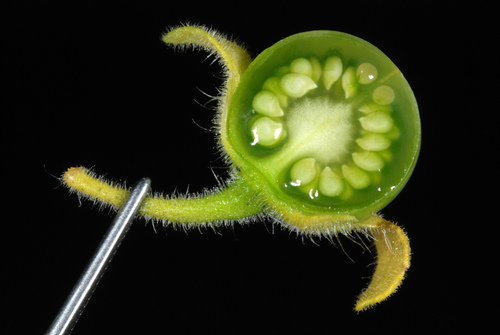
Solanum species contain solanine and other alkaloids that can cause significant gastrointestinal and neurological distress if ingested. These plants are widely considered hazardous to household pets and should be kept out of reach.
Potentially toxic for cats & dogs.
P
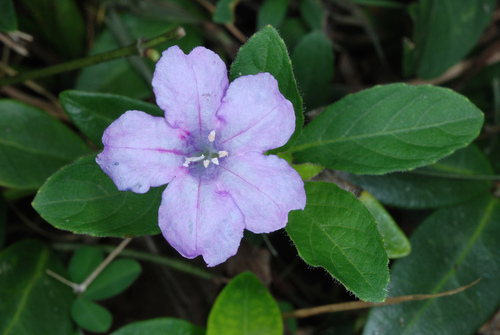
Petunias are popular, vibrant flowering annuals often used in hanging baskets and garden beds. They are considered safe for pets, though ingestion of large amounts of plant material may cause minor digestive discomfort.
Not yet rated for cats.
Not yet rated for dogs.
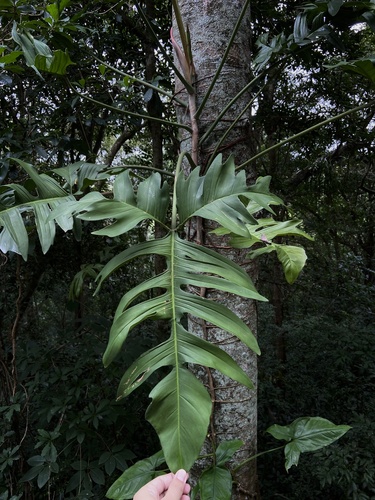
Philodendrons are popular tropical foliage plants known for their lush, heart-shaped or split leaves. They contain insoluble calcium oxalate crystals that can cause irritation if ingested.
Potentially toxic for cats & dogs.
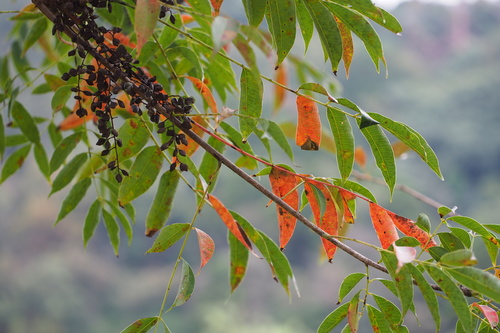
Poison Ivy is a woody vine or shrub known for causing contact dermatitis in humans due to urushiol oil. While not systemically toxic to pets, ingestion of large amounts of fibrous plant material may cause mild gastrointestinal irritation.
Generally safe for cats.
Not yet rated for dogs.
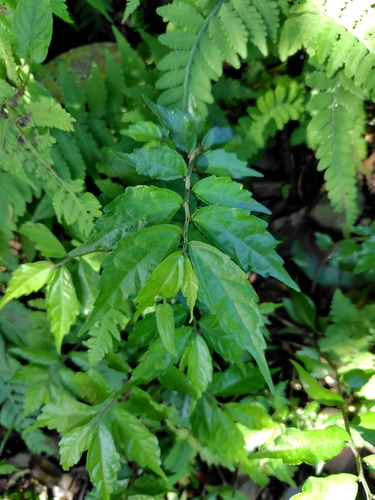
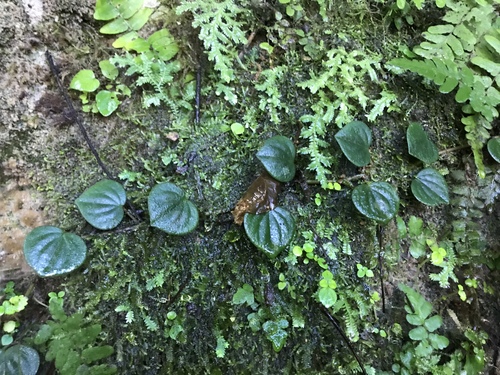
Pellionia daveauana is a low-growing, trailing plant often used in terrariums or as a ground cover for indoor containers. It is considered non-toxic to household pets, though its fibrous nature may cause minor digestive discomfort if consumed in large quantities.
Generally safe for cats & dogs.

Devil's Ivy is a popular trailing houseplant known for its heart-shaped leaves and ease of care. It contains insoluble calcium oxalate crystals that can cause irritation if ingested by pets.
Potentially toxic for cats & dogs.
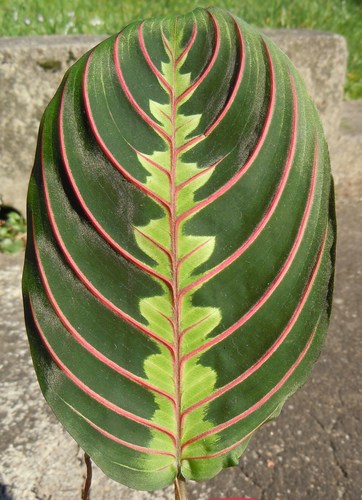
Maranta leuconeura is a popular tropical houseplant known for its folding leaves. It is widely considered non-toxic to both cats and dogs, making it a safe choice for households with pets.
Generally safe for cats & dogs.
Prostrate Coleus is a trailing, shade-loving plant often grown for its attractive, variegated foliage. It is considered non-toxic to pets, though ingestion of large amounts of plant material may cause mild digestive discomfort.
Generally safe for cats & dogs.
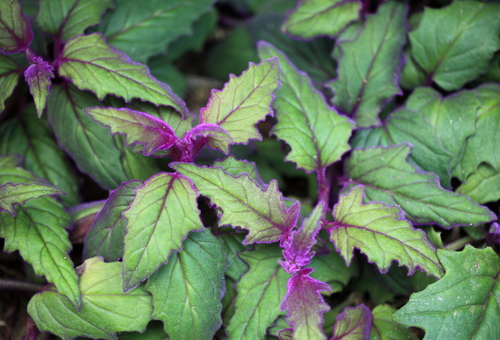
The Purple Passion Vine is a popular houseplant known for its striking, velvety purple-hued leaves. It is considered safe for households with pets, though large ingestions of fibrous plant material may cause minor digestive discomfort.
Generally safe for cats & dogs.
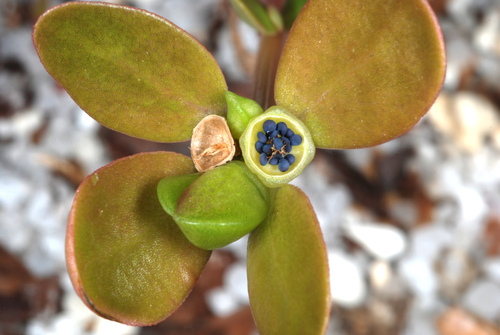
Moss Rose is a succulent, low-growing annual known for its vibrant, rose-like flowers and fleshy leaves. While popular in gardens, it contains soluble calcium oxalates that can cause irritation if ingested by pets.
Potentially toxic for cats & dogs.
R
Red Berried Greenbrier is a woody, climbing vine native to the southeastern United States, often recognized by its clusters of bright red berries and thorny stems. It is considered non-toxic to pets, though its fibrous nature may cause minor digestive discomfort if consumed in large quantities.
Generally safe for cats & dogs.
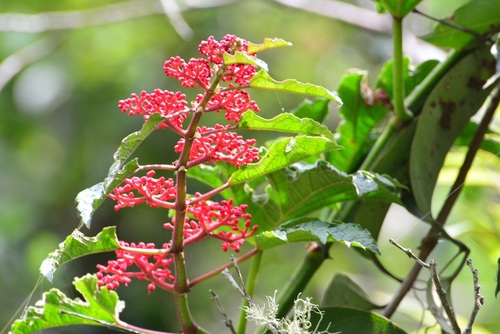
Cissus discolor is a striking vining plant known for its velvety, variegated foliage that features shades of silver, green, and deep purple. While not a true begonia, it is a popular ornamental climber that thrives in high-humidity environments.
Generally safe for cats & dogs.
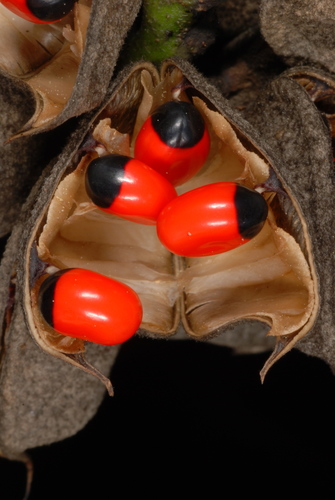
The Rosary Pea is a climbing vine known for its highly toxic seeds, which contain the potent protein abrin. Due to the extreme danger posed by the seeds, this plant should be kept strictly out of reach of all pets.
Potentially toxic for cats & dogs.
S
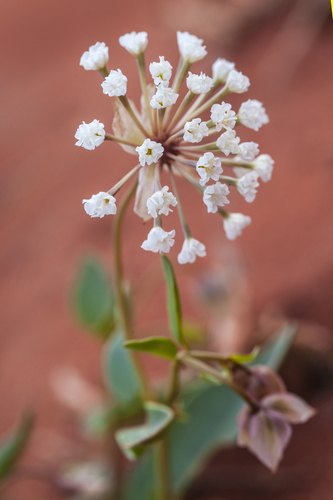
Sand Verbena is a fragrant, drought-tolerant perennial native to the central and western United States, often found in sandy soils. It is considered non-toxic to pets, though large ingestions of any fibrous plant material may cause minor digestive upset.
Uncertain for cats & dogs.
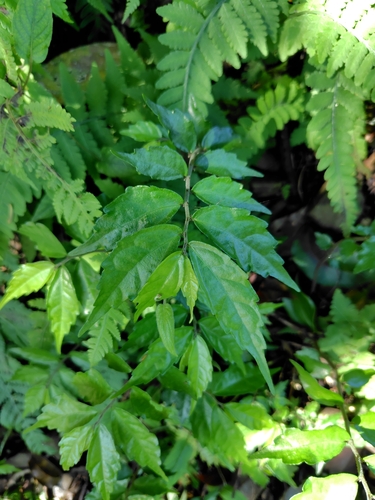
Satin Pellionia is a trailing tropical plant known for its striking, patterned foliage and preference for high humidity. It is considered safe for households with pets, though ingestion of any plant material can occasionally cause minor digestive discomfort.
Generally safe for cats & dogs.
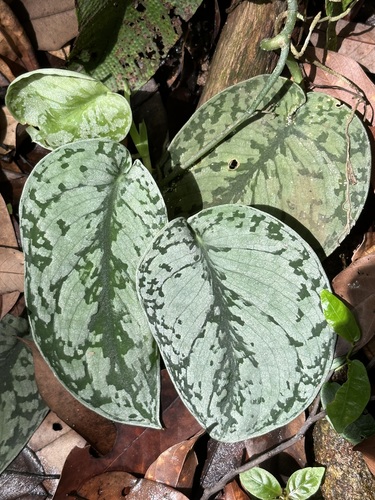
Satin Pothos is a popular vining houseplant known for its heart-shaped, silver-variegated leaves. It contains insoluble calcium oxalate crystals that can cause irritation if ingested.
Potentially toxic for cats & dogs.
Sawbrier is a woody, climbing vine native to North America, often recognized by its glaucous, blue-green foliage and occasional thorns. It is considered non-toxic to pets, though its fibrous nature may cause minor digestive discomfort if consumed in large quantities.
Generally safe for cats & dogs.
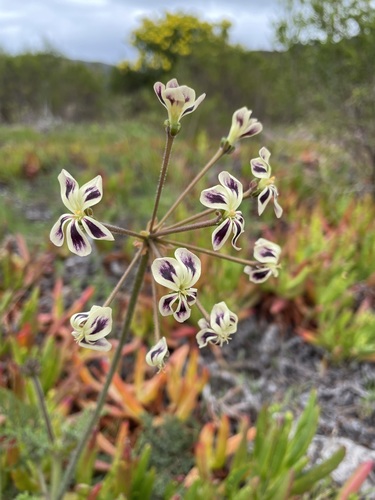
Scented geraniums are popular aromatic houseplants known for their fragrant foliage and clusters of small flowers. While prized for their scent, they contain essential oils that can cause irritation if ingested by pets.
Potentially toxic for cats & dogs.
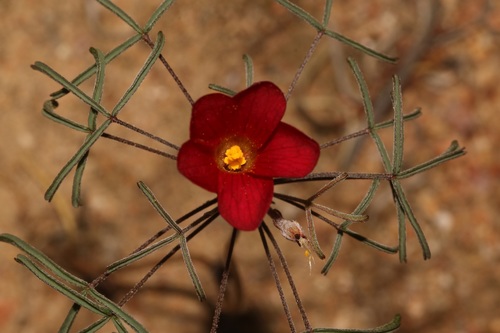
Oxalis species, often known as wood sorrel or shamrock plants, are popular indoor plants characterized by their clover-like foliage. They contain soluble calcium oxalates which can cause irritation if ingested by pets.
Potentially toxic for cats & dogs.
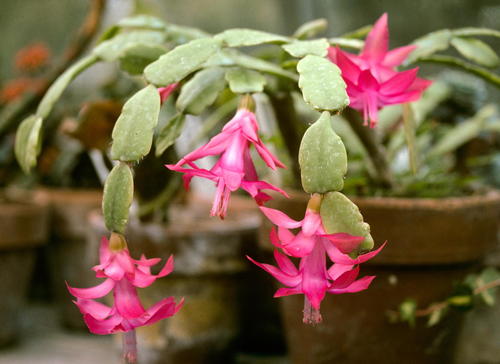
The Shrimp Cactus is a popular, trailing epiphytic cactus known for its unique, segmented stems and vibrant, pendulous flowers. It is considered safe for households with pets, though its fibrous nature may cause minor digestive discomfort if consumed in large quantities.
Generally safe for cats & dogs.
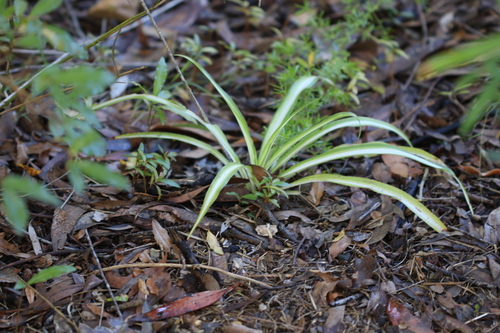
The spider plant is a popular, easy-to-care-for houseplant known for its arching, grass-like foliage and trailing plantlets. It is widely considered safe for households with pets, though large ingestions of fibrous material may occasionally cause mild digestive upset.
Generally safe for cats & dogs.
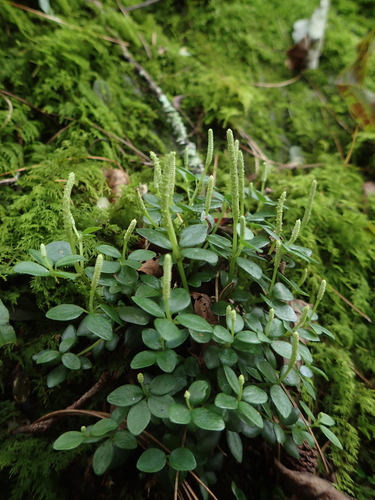
String of Turtles is a popular, slow-growing trailing succulent known for its delicate, turtle-shell patterned leaves. It is considered safe for households with pets, though ingestion of large amounts of plant material may cause minor digestive discomfort.
Generally safe for cats & dogs.
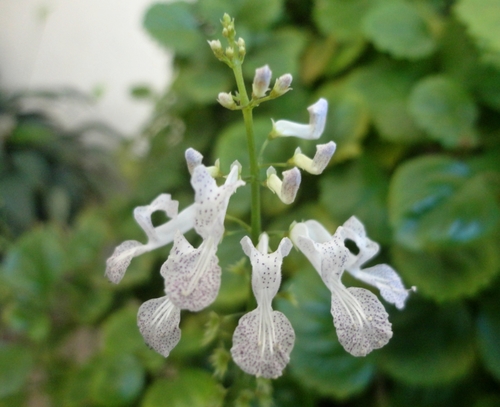
Swedish Ivy is a popular, fast-growing trailing houseplant known for its glossy, scalloped leaves and ease of care. It is considered non-toxic to pets, though ingestion of large amounts of plant material may cause minor digestive upset.
Generally safe for cats & dogs.
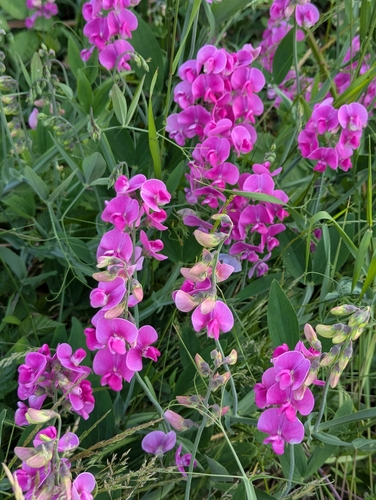
The Sweet Pea is a popular flowering vine known for its fragrant, colorful blooms. While generally considered non-toxic, it is not intended for consumption and may cause mild digestive discomfort if large amounts are ingested.
Generally safe for cats & dogs.
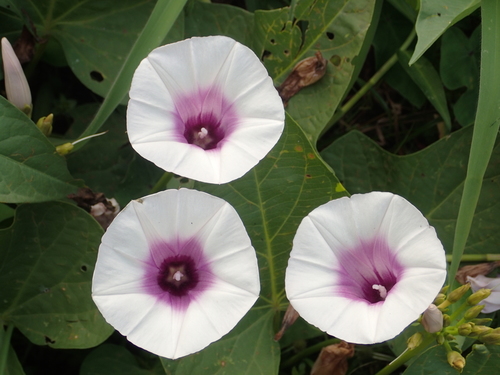
Sweet Potato Vine is a popular ornamental foliage plant known for its vibrant, trailing leaves. While generally considered safe for pets, it is best to prevent them from grazing on the foliage to avoid minor digestive discomfort.
Potentially toxic for cats & dogs.
The Sweetheart Hoya is a popular succulent vine known for its distinctive heart-shaped leaves, often sold as a single-leaf cutting. It is considered non-toxic to pets, though its fibrous nature may cause mild digestive discomfort if consumed in large quantities.
Generally safe for cats & dogs.
T
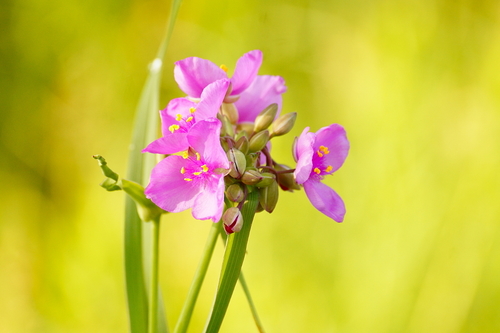
Tahitian Bridal Veil is a delicate, trailing plant known for its small white flowers and deep green foliage with purple undersides. It is a member of the Commelinaceae family and is commonly grown in hanging baskets.
Potentially toxic for cats & dogs.
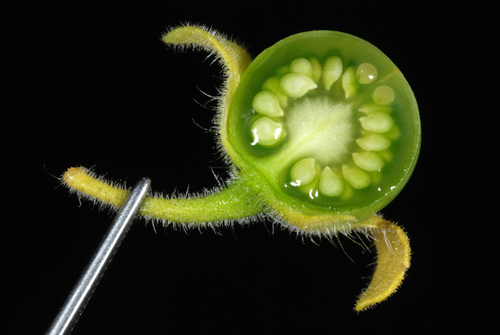
The tomato plant is a popular garden vegetable that contains solanine, a glycoalkaloid found in its stems and leaves. While the fruit is generally consumed by humans, the green parts of the plant can cause adverse reactions if ingested by pets.
Potentially toxic for cats & dogs.
Trailing Jade is a popular, low-maintenance houseplant known for its small, round, succulent-like leaves that grow on delicate, trailing stems. It is considered safe for households with pets, though ingestion of large amounts of plant material may cause minor digestive discomfort.
Generally safe for cats & dogs.
W
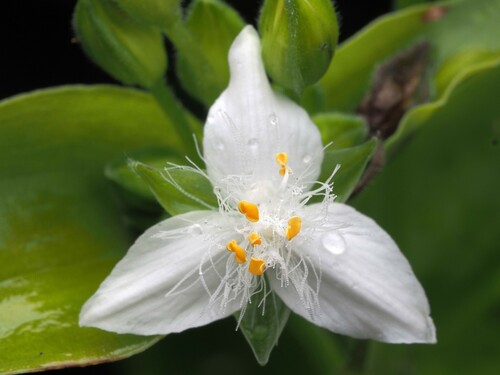
The Inch Plant is a fast-growing, trailing perennial often kept as a houseplant for its attractive, variegated foliage. It contains sap that can cause irritation upon contact or ingestion.
Potentially toxic for cats & dogs.
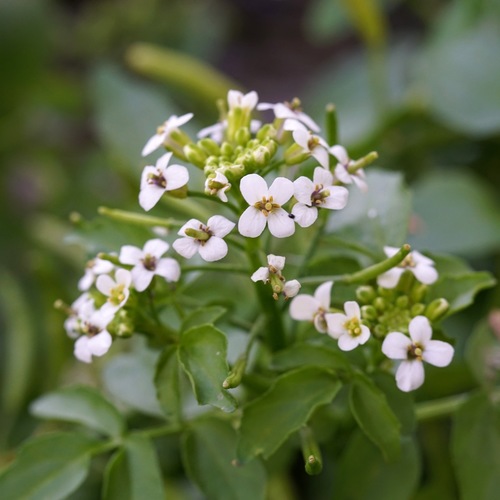
Nasturtium officinale is an aquatic or semi-aquatic perennial plant often grown for culinary use, but it can cause gastrointestinal distress if ingested by pets. It is distinct from the common garden Nasturtium (Tropaeolum majus).
Potentially toxic for cats & dogs.
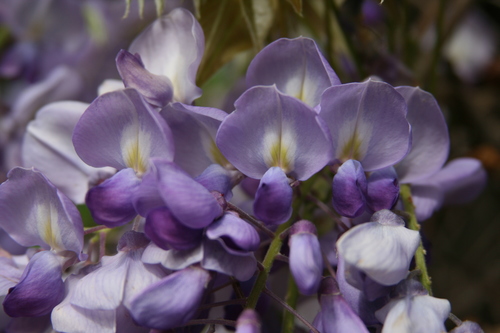
Wisteria is a genus of woody, climbing vines known for their cascading, fragrant flower clusters. All parts of the plant, particularly the seeds and pods, contain toxic compounds that can cause gastrointestinal distress if ingested.
Potentially toxic for cats & dogs.