Cats & Dogs
Generally safeConsulted references do not classify the plant as toxic for that pet type, while still allowing for mild GI upset if large amounts are chewed.
Verified against ASPCA/provenance audit 2026-05-06 on May 6, 2026.
Sources
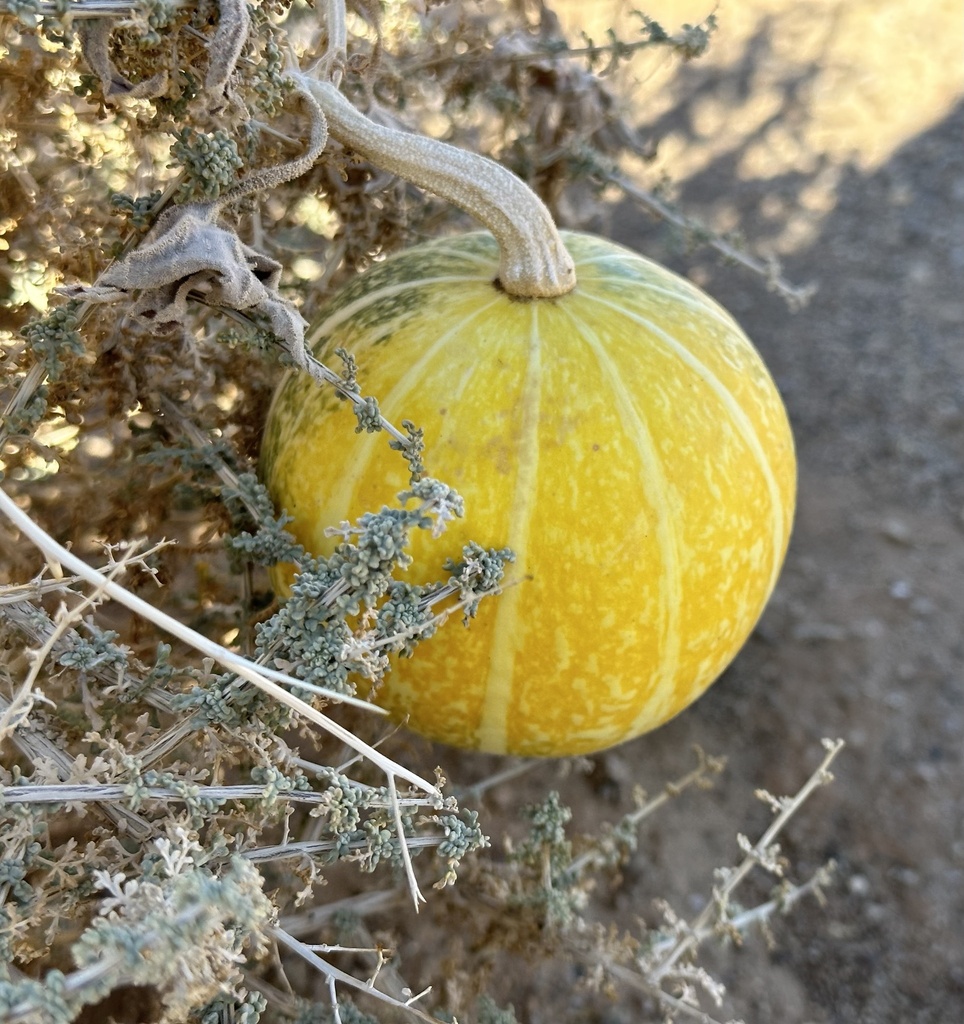
Cucurbita ficifolia
The Fig Leaf Gourd is a fast-growing, vining plant often cultivated for its edible fruit and seeds. It is considered non-toxic to household pets, though large ingestions of fibrous plant material may cause minor digestive discomfort.
Safety status
Cats & Dogs
Generally safeConsulted references do not classify the plant as toxic for that pet type, while still allowing for mild GI upset if large amounts are chewed.
Verified against ASPCA/provenance audit 2026-05-06 on May 6, 2026.
Sources
If a pet has chewed or swallowed plant material and is showing symptoms, contact a veterinarian or poison resource immediately. This product is for structured reference, not diagnosis.
Cats — concern notes
Common signs
None typically expected; however, consumption of large amounts of fibrous plant matter may lead to mild vomiting or diarrhea.
Escalation note
This plant is non-toxic. If your cat consumes a large amount and shows signs of distress, contact your veterinarian to rule out physical obstruction or irritation.
Dogs — concern notes
Common signs
None typically expected; however, consumption of large amounts of fibrous plant matter may lead to mild vomiting or diarrhea.
Escalation note
This plant is non-toxic. If your dog consumes a large amount and shows signs of distress, contact your veterinarian to rule out physical obstruction or irritation.
Bring it home
Fig Leaf Gourdis generally pet-safe in ordinary household exposure. If you’d like one for your space, here’s a starting point.
Shop on AmazonSome links earn us a small commission. They never affect our safety classifications.
ASPCA Toxic Plant List
toxicology · 99% reliability
The Fig Leaf Gourd is listed as non-toxic to both cats and dogs by the ASPCA.
Kew Plants of the World Online
botanical · 95% reliability
Official botanical record for Cucurbita ficifolia, confirming its classification and distribution.
No, Fig Leaf Gourd (Cucurbita ficifolia) is non-toxic to cats. It is considered generally safe, and no toxic principles have been documented for this plant.
Symptoms are not typically expected. If your cat eats a large amount of the fibrous plant material, mild vomiting or diarrhea is possible due to the bulk and fiber content, not any toxic compound.
Watch for signs of digestive distress such as vomiting, diarrhea, or lethargy. If your cat seems uncomfortable or you suspect it ate a very large quantity, contact your veterinarian to rule out physical obstruction from the fibrous material.
The plant as a whole is non-toxic, including its leaves, vines, fruit, and seeds. That said, non-toxic does not mean suitable to eat in quantity — large ingestions of any fibrous plant material can cause GI upset in cats.
No, Fig Leaf Gourd (Cucurbita ficifolia) is non-toxic to dogs. It is considered generally safe, meaning it poses no known poisoning risk if your dog chews on the plant or eats a small amount.
Most dogs will have no reaction at all. If your dog eats a large amount of the fibrous plant material, mild vomiting or diarrhea is possible due to the bulk and texture, not any toxic compound.
There is no toxic dose because the plant is non-toxic, but large quantities of any fibrous plant matter can cause GI upset or, in rare cases, a physical obstruction. If your dog ate a significant amount and seems uncomfortable or stops eating, contact your veterinarian.
Non-toxic means it won't poison your dog, but that doesn't make it a suitable food. Regular or large ingestions of fibrous gourd plant material can irritate your dog's digestive tract, so it's best kept out of reach as a precaution.
Same genus
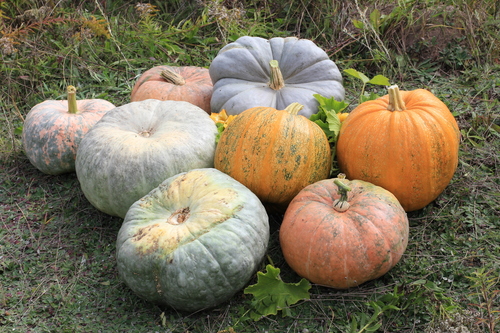
Acorn squash is a popular edible winter squash known for its ribbed, dark green skin and sweet, yellow-orange flesh. It is widely cultivated for culinary use and is considered safe for household pets.
Generally safe for cats & dogs.
Banana squash is a large, edible winter squash variety known for its elongated shape and sweet, dense flesh. It is considered safe for household pets, though large ingestions of raw plant material may cause minor digestive discomfort.
Generally safe for cats & dogs.
Buttercup squash is a popular winter squash variety known for its sweet, nutty flavor and dense, orange flesh. It is considered safe for pets, though large ingestions of raw plant material may cause minor digestive discomfort.
Generally safe for cats & dogs.
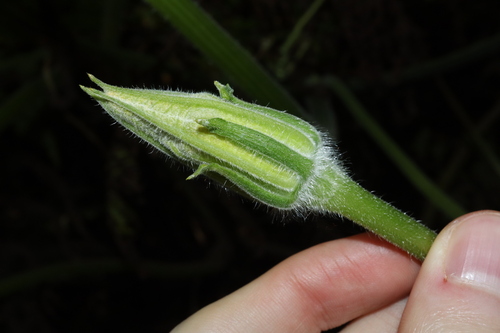
Butternut squash is a popular edible winter squash that is considered safe for pets to consume in moderation. While non-toxic, large quantities of raw or fibrous material may cause mild digestive discomfort.
Generally safe for cats & dogs.
Same safety verdict
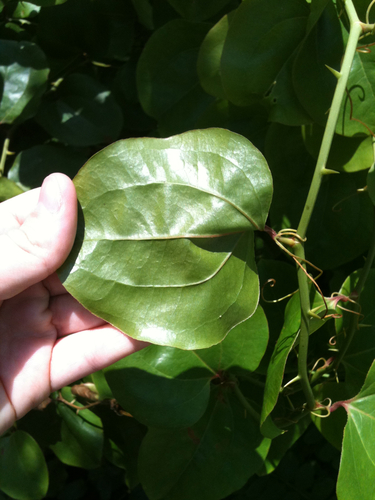
Bullbrier is a hardy, woody vine native to North America, often recognized by its prickly stems and rounded leaves. It is considered non-toxic to pets, though its fibrous nature may cause minor digestive discomfort if consumed in large quantities.
Generally safe for cats & dogs.
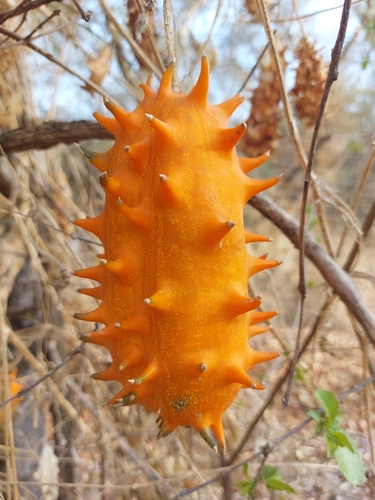
Bur Gourd is a vining plant in the cucumber family known for its small, spiky, edible fruits. It is generally considered safe for household pets, though its fibrous nature may cause minor digestive discomfort if consumed in large quantities.
Generally safe for cats & dogs.
Casaba melon is a variety of muskmelon known for its sweet, pale flesh and thick, wrinkled rind. While the plant is considered non-toxic, ingestion of large amounts of fibrous plant material may cause minor digestive discomfort.
Generally safe for cats & dogs.
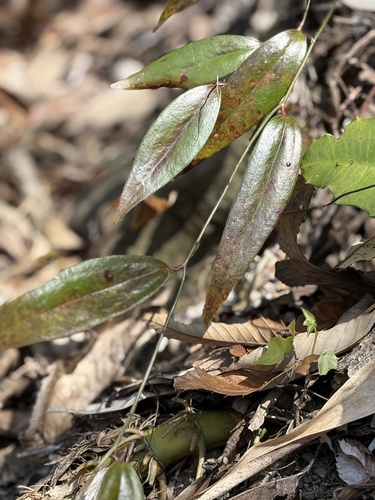
Cat Brier is a hardy, woody vine known for its tough stems and foliage. It is considered non-toxic to pets, though its fibrous nature may cause minor digestive discomfort if consumed in large quantities.
Generally safe for cats & dogs.