Dogs
Generally safeConsulted references do not classify the plant as toxic for that pet type, while still allowing for mild GI upset if large amounts are chewed.
Verified against ASPCA/provenance audit 2026-05-06 on May 6, 2026.
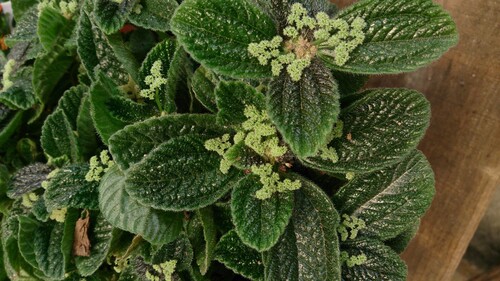
Pilea involucrata
The Friendship Plant is a popular, low-maintenance houseplant known for its textured, deeply veined leaves and trailing growth habit. It is considered safe for households with pets, though ingestion of large amounts of plant material may cause minor digestive discomfort.
Safety status
Dogs
Generally safeConsulted references do not classify the plant as toxic for that pet type, while still allowing for mild GI upset if large amounts are chewed.
Verified against ASPCA/provenance audit 2026-05-06 on May 6, 2026.
If a pet has chewed or swallowed plant material and is showing symptoms, contact a veterinarian or poison resource immediately. This product is for structured reference, not diagnosis.
Dogs — concern notes
Common signs
Generally none; however, consuming large quantities of fibrous plant material may result in mild vomiting or diarrhea.
Escalation note
This plant is non-toxic. If your pet consumes a significant amount and shows persistent signs of distress, contact your veterinarian.
Safer alternatives
No hand-picked alternatives for this plant yet. You can still pick your own using the Compare button on any other plant.
ASPCA Toxic and Non-Toxic Plants List
toxicology · 99% reliability
Friendship Plant (Pilea involucrata) is listed as non-toxic to cats and dogs.
NC State Extension Plant Toolbox: Pilea involucrata
botanical · 94% reliability
Pilea involucrata is a low-growing, spreading perennial often grown as a houseplant for its attractive, quilted foliage.
Monitor your cat for mild GI signs like vomiting or loose stool, which should resolve on their own. If symptoms are persistent or your cat seems uncomfortable, contact your veterinarian — no emergency intervention is expected to be needed for this non-toxic plant.
No, the Friendship Plant (Pilea involucrata) is considered non-toxic to cats. It is classified as generally safe for households with cats, meaning it poses no known poisoning risk.
Consuming small amounts is unlikely to cause any reaction. Eating a large quantity of the fibrous plant material may result in mild vomiting or diarrhea due to digestive irritation, not toxicity.
There is no toxic threshold because the plant is non-toxic. Any GI upset is related to the volume of fibrous material ingested, not a toxic compound — the same way eating a large amount of grass can cause a cat to vomit.
No, the Friendship Plant (Pilea involucrata) is non-toxic to dogs. It is considered generally safe for households with dogs, and the ASPCA provenance audit (May 2026) supports this classification.
Most dogs will experience no symptoms at all. Consuming large quantities of the fibrous plant material may cause mild vomiting or diarrhea, but serious reactions are not expected.
The plant itself is non-toxic, so the only concern is the volume of fibrous plant material eaten. Small nibbles are unlikely to cause any problem; only large ingestions are associated with minor GI upset like vomiting or diarrhea.
If your dog ate a small amount, monitoring at home is reasonable. If they consumed a significant quantity and show persistent vomiting, diarrhea, or signs of distress, contact your veterinarian. Because this plant is non-toxic, it is not considered a poisoning emergency.
Same genus
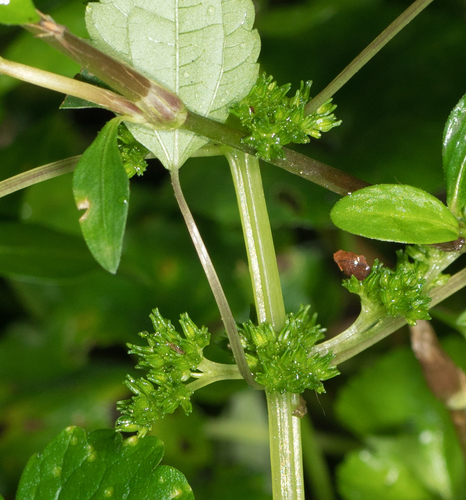
Clearweed is a tender, herbaceous annual plant often found in moist, shaded environments. It is considered non-toxic to pets, though ingestion of large amounts of plant material may cause minor digestive discomfort.
Generally safe for cats & dogs.
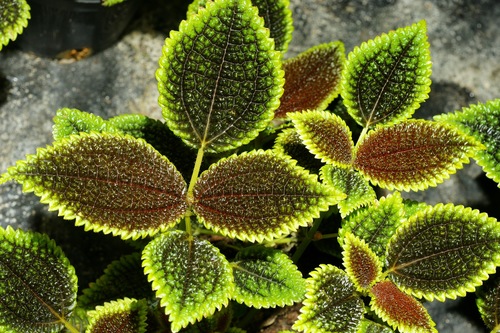
The Aluminum Plant is a popular indoor foliage plant known for its striking silver-patterned leaves and compact growth habit. It is considered safe for households with pets, though large ingestions of plant material may occasionally cause minor digestive discomfort.
Generally safe for cats & dogs.
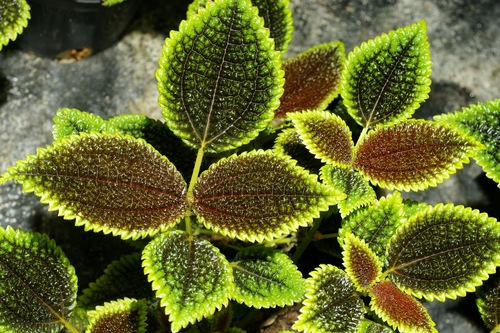
The Artillery Plant is a small, fern-like succulent known for its tiny leaves and unique habit of releasing pollen in small puffs. It is generally considered safe for households with pets.
Generally safe for cats & dogs.
Same growing conditions
