Cats
Generally safeConsulted references do not classify the plant as toxic for that pet type, while still allowing for mild GI upset if large amounts are chewed.
Verified against ASPCA/provenance audit 2026-05-06 on May 6, 2026.
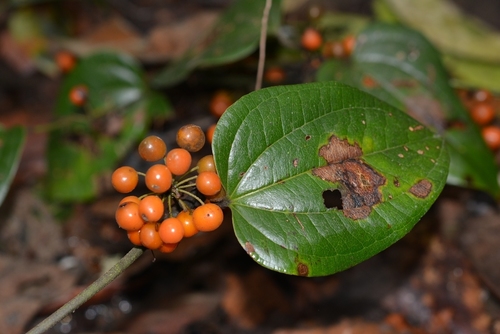
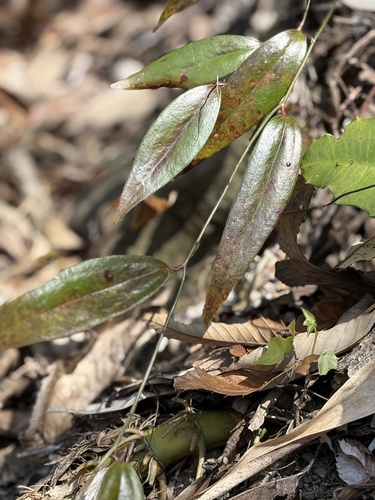
Smilax sp.
Greenbrier is a genus of woody, often thorny vines known for their resilience and climbing habit. While generally considered safe for pets, the fibrous nature of the plant can cause minor digestive discomfort if consumed in large quantities.
Safety status
Cats
Generally safeConsulted references do not classify the plant as toxic for that pet type, while still allowing for mild GI upset if large amounts are chewed.
Verified against ASPCA/provenance audit 2026-05-06 on May 6, 2026.
If a pet has chewed or swallowed plant material and is showing symptoms, contact a veterinarian or poison resource immediately. This product is for structured reference, not diagnosis.
Cats — concern notes
Common signs
None expected; however, ingestion of large amounts of fibrous plant material may cause mild vomiting or diarrhea.
Escalation note
This plant is considered non-toxic. If your cat consumes a significant amount and shows signs of distress, contact your veterinarian.
Safer alternatives
No hand-picked alternatives for this plant yet. You can still pick your own using the Compare button on any other plant.
ASPCA Toxic and Non-Toxic Plants List
toxicology · 99% reliability
The ASPCA lists Smilax species as non-toxic to cats and dogs.
Plants of the World Online - Smilax
botanical · 95% reliability
Botanical database entry for the genus Smilax, confirming its classification and distribution.
Greenbrier (Smilax sp.) is considered non-toxic to cats. It is classified as generally safe, meaning it is not expected to cause poisoning even if your cat chews on or ingests part of the plant.
No toxic symptoms are expected, but the fibrous plant material can cause mild vomiting or diarrhea if eaten in large amounts. This is a mechanical digestive issue rather than a toxic reaction.
Monitor your cat for GI upset such as vomiting or diarrhea. If symptoms are severe, prolonged, or your cat seems distressed, contact your veterinarian — non-toxic does not mean harmless in large quantities.
The data does not document thorn-related injuries specifically, but greenbrier is noted as a woody, often thorny vine. Physical contact with the spines could scratch skin or the mouth, so it is worth keeping cats away from the plant regardless of its non-toxic classification.
Same genus
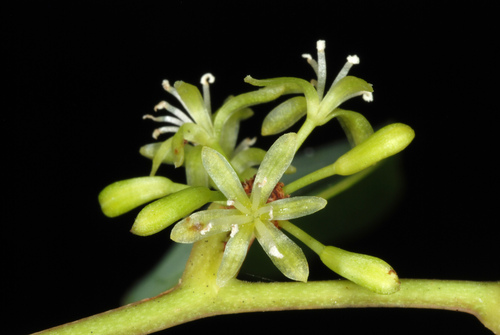
Smilax laurifolia is a woody, climbing vine known for its tough, leathery leaves and thorny stems. While generally considered safe for pets, its fibrous nature can occasionally cause minor digestive discomfort if consumed in large quantities.
Generally safe for cats & dogs.
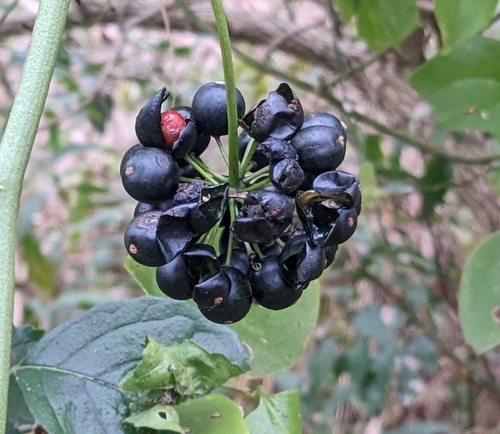
Bristly Greenbrier is a woody, climbing vine native to North America, often found in thickets and woodlands. It is considered non-toxic to pets, though its fibrous nature may cause minor digestive discomfort if consumed in large quantities.
Generally safe for cats & dogs.
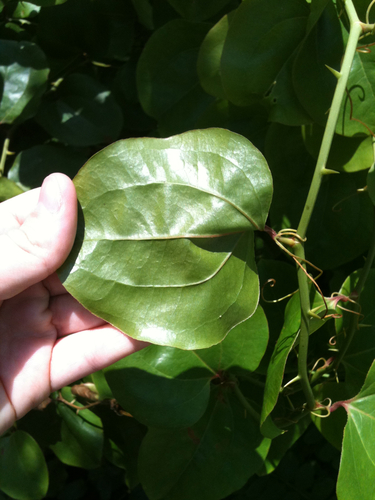
Bullbrier is a hardy, woody vine native to North America, often recognized by its prickly stems and rounded leaves. It is considered non-toxic to pets, though its fibrous nature may cause minor digestive discomfort if consumed in large quantities.
Generally safe for cats & dogs.
Cat Brier is a hardy, woody vine known for its tough stems and foliage. It is considered non-toxic to pets, though its fibrous nature may cause minor digestive discomfort if consumed in large quantities.
Generally safe for cats & dogs.