Cats & Dogs
Generally safeConsulted references do not classify the plant as toxic for that pet type, while still allowing for mild GI upset if large amounts are chewed.
Verified against ASPCA/provenance audit 2026-05-06 on May 6, 2026.
Sources
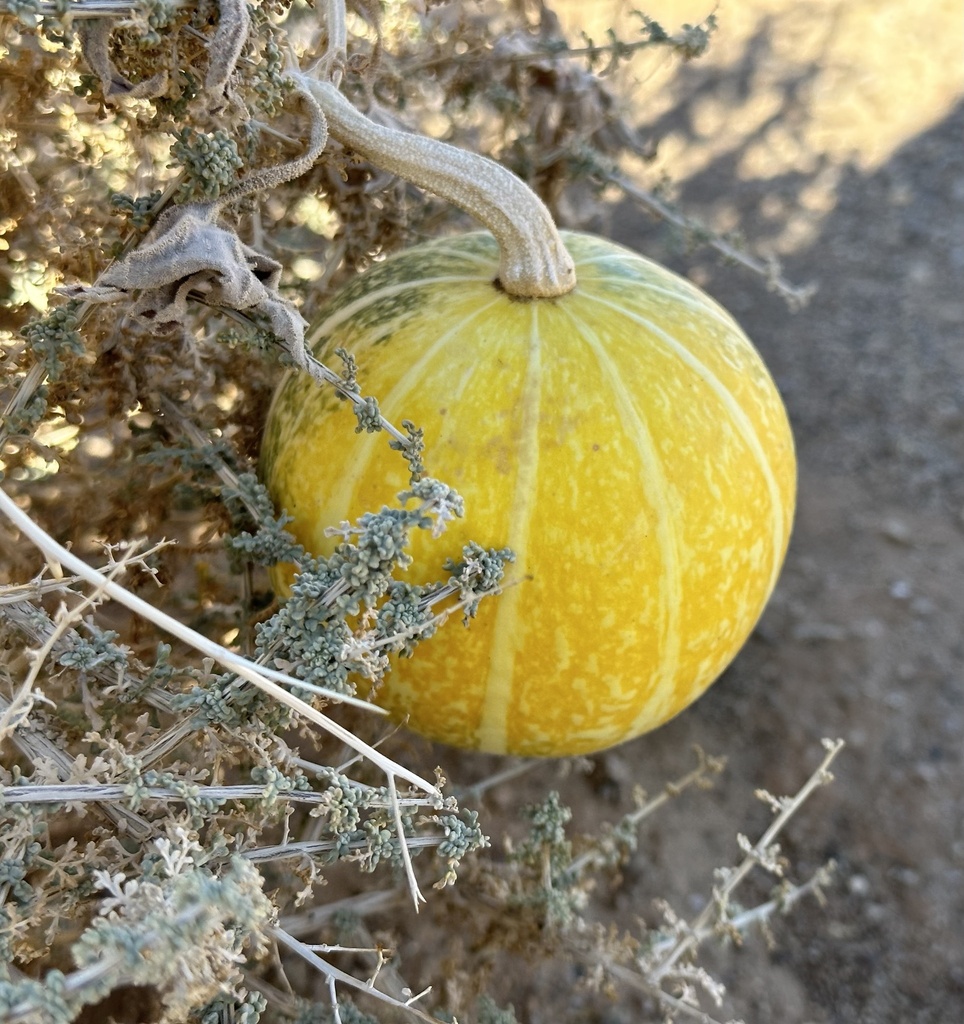
Cucurbita maxima
Buttercup squash is a popular winter squash variety known for its sweet, nutty flavor and dense, orange flesh. It is considered safe for pets, though large ingestions of raw plant material may cause minor digestive discomfort.
Safety status
Cats & Dogs
Generally safeConsulted references do not classify the plant as toxic for that pet type, while still allowing for mild GI upset if large amounts are chewed.
Verified against ASPCA/provenance audit 2026-05-06 on May 6, 2026.
Sources
If a pet has chewed or swallowed plant material and is showing symptoms, contact a veterinarian or poison resource immediately. This product is for structured reference, not diagnosis.
Cats — concern notes
Common signs
None expected, though large consumption of raw fibrous material may lead to mild vomiting or diarrhea.
Escalation note
Generally considered non-toxic. If your cat consumes a large amount and shows signs of distress, contact your veterinarian.
Dogs — concern notes
Common signs
None expected, though large consumption of raw fibrous material may lead to mild vomiting or diarrhea.
Escalation note
Generally considered non-toxic. If your dog consumes a large amount and shows signs of distress, contact your veterinarian.
Bring it home
Buttercup Squashis generally pet-safe in ordinary household exposure. If you’d like one for your space, here’s a starting point.
Shop on AmazonSome links earn us a small commission. They never affect our safety classifications.
ASPCA Toxic Plant List
toxicology · 99% reliability
Buttercup squash is listed as non-toxic to both cats and dogs.
Kew Plants of the World Online
botanical · 95% reliability
Accepted botanical classification for Cucurbita maxima.
Buttercup squash (Cucurbita maxima) is considered non-toxic to cats. It is classified as generally safe, meaning it is not expected to cause poisoning or serious harm.
No symptoms are expected from small amounts. If your cat eats a large quantity of raw, fibrous squash material, it may experience mild vomiting or diarrhea due to the high fiber content, not any toxic compound.
Monitor your cat for signs of GI upset such as vomiting or diarrhea. If symptoms appear or your cat seems distressed after eating a large amount, contact your veterinarian.
Cooked squash is softer and lower in raw fiber, so it is less likely to cause the mild digestive upset that large portions of raw, fibrous squash material could trigger. Either way, buttercup squash is non-toxic to cats — the concern with large ingestions is GI irritation, not poisoning.
Yes, buttercup squash (Cucurbita maxima) is considered non-toxic to dogs. It is not expected to cause harm in typical amounts, though non-toxic does not mean dogs should eat it freely or in large quantities.
Large amounts of raw, fibrous squash material may cause mild vomiting or diarrhea due to the bulk and fiber content. The plant itself is not toxic, so symptoms should be minor and self-limiting.
A small amount is unlikely to require a vet call. If your dog ate a large quantity and is showing signs of distress such as repeated vomiting, significant diarrhea, or lethargy, contact your veterinarian.
Raw buttercup squash is more likely to cause digestive discomfort because the dense, fibrous flesh is harder to process; cooked squash is softer and easier on the gut. Either way, the plant is non-toxic — any GI upset from large ingestions is mechanical, not due to a toxic compound.
Same genus
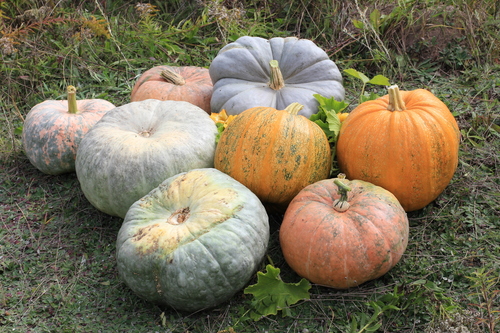
Acorn squash is a popular edible winter squash known for its ribbed, dark green skin and sweet, yellow-orange flesh. It is widely cultivated for culinary use and is considered safe for household pets.
Generally safe for cats & dogs.
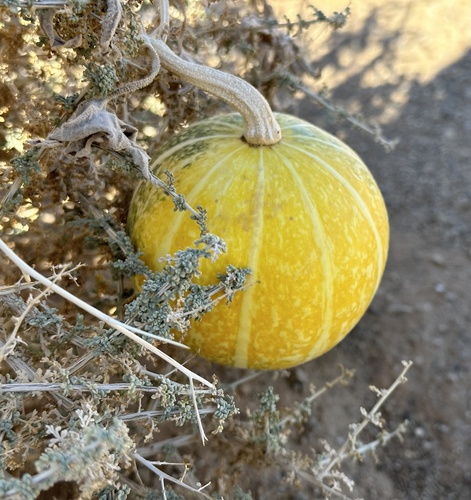
Banana squash is a large, edible winter squash variety known for its elongated shape and sweet, dense flesh. It is considered safe for household pets, though large ingestions of raw plant material may cause minor digestive discomfort.
Generally safe for cats & dogs.
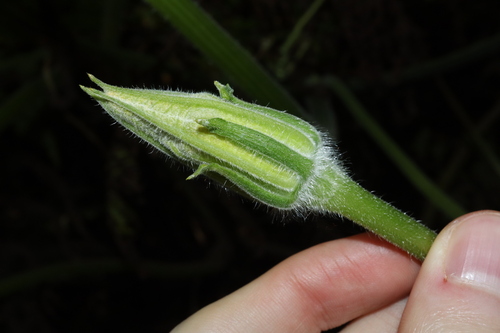
Butternut squash is a popular edible winter squash that is considered safe for pets to consume in moderation. While non-toxic, large quantities of raw or fibrous material may cause mild digestive discomfort.
Generally safe for cats & dogs.
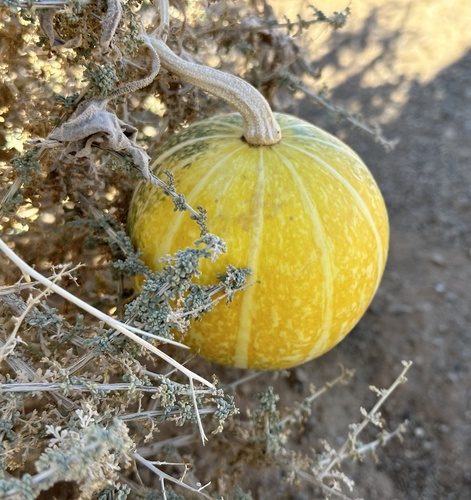
The Fig Leaf Gourd is a fast-growing, vining plant often cultivated for its edible fruit and seeds. It is considered non-toxic to household pets, though large ingestions of fibrous plant material may cause minor digestive discomfort.
Generally safe for cats & dogs.
Same safety verdict
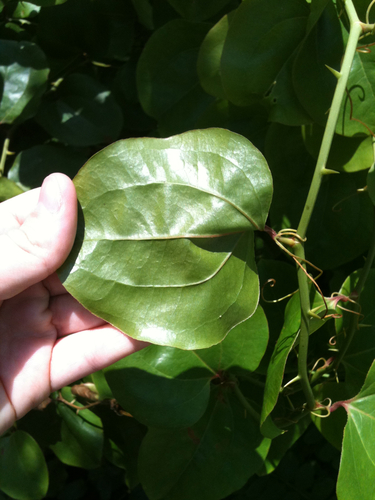
Bullbrier is a hardy, woody vine native to North America, often recognized by its prickly stems and rounded leaves. It is considered non-toxic to pets, though its fibrous nature may cause minor digestive discomfort if consumed in large quantities.
Generally safe for cats & dogs.
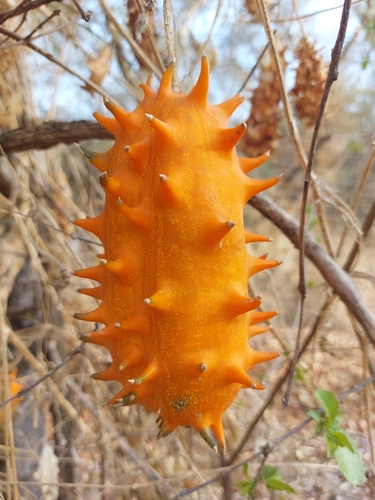
Bur Gourd is a vining plant in the cucumber family known for its small, spiky, edible fruits. It is generally considered safe for household pets, though its fibrous nature may cause minor digestive discomfort if consumed in large quantities.
Generally safe for cats & dogs.
Casaba melon is a variety of muskmelon known for its sweet, pale flesh and thick, wrinkled rind. While the plant is considered non-toxic, ingestion of large amounts of fibrous plant material may cause minor digestive discomfort.
Generally safe for cats & dogs.
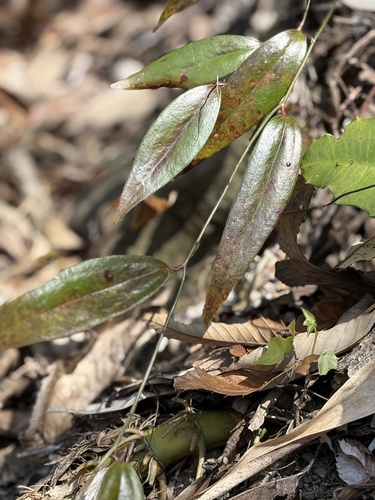
Cat Brier is a hardy, woody vine known for its tough stems and foliage. It is considered non-toxic to pets, though its fibrous nature may cause minor digestive discomfort if consumed in large quantities.
Generally safe for cats & dogs.
Same growing conditions
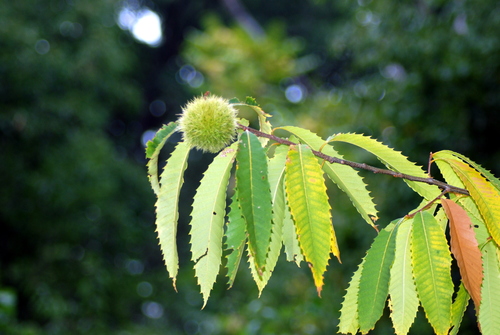
The American Chestnut is a deciduous tree known for its historical significance and edible nuts. It is considered non-toxic to pets, though ingestion of large amounts of fibrous plant material may cause minor digestive discomfort.
Generally safe for cats & dogs.
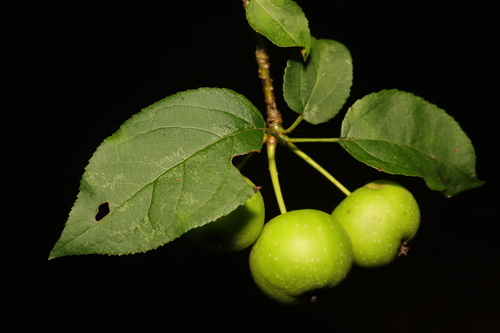
The apple tree is a deciduous fruit-bearing plant known for its edible fruit, though the seeds and foliage contain cyanogenic glycosides that can be harmful if ingested in large quantities. While the fruit flesh is generally safe, the plant parts containing amygdalin pose a risk to pets.
Potentially toxic for cats & dogs.
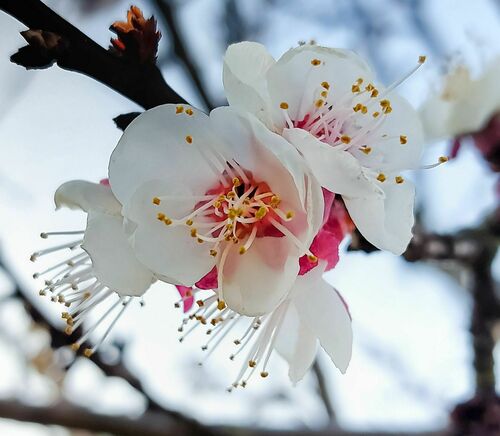
The apricot tree is a fruit-bearing species in the rose family. While the fruit flesh is generally considered safe, the stems, leaves, and seeds contain cyanogenic glycosides that can be harmful if ingested.
Potentially toxic for cats & dogs.
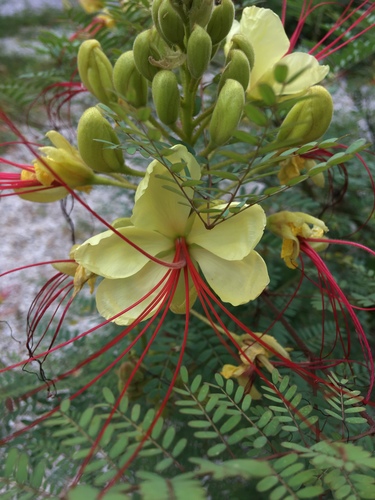
Barbados Pride is a flowering shrub known for its striking yellow flowers and long red stamens. It contains compounds that can cause gastrointestinal distress if ingested by pets.
Potentially toxic for cats & dogs.