ASPCA Toxic and Non-Toxic Plants List
toxicology · 99% reliability
Grape Ivy is listed as non-toxic to both cats and dogs.
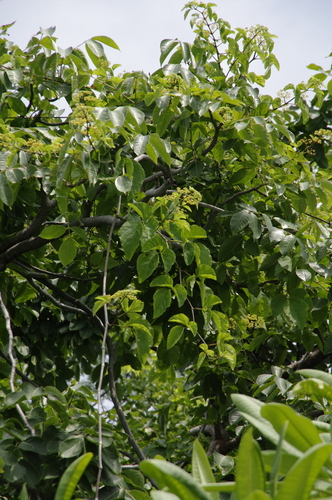
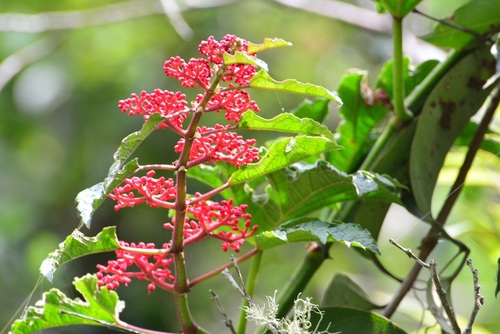
Cissus rhombifolia
Grape Ivy is a popular, trailing indoor vine known for its attractive, three-parted leaves that resemble grape foliage. It is considered non-toxic to pets, though ingestion of large amounts of plant material may cause minor digestive discomfort.
Safety status
If a pet has chewed or swallowed plant material and is showing symptoms, contact a veterinarian or poison resource immediately. This product is for structured reference, not diagnosis.
Safer alternatives
No hand-picked alternatives for this plant yet. You can still pick your own using the Compare button on any other plant.
ASPCA Toxic and Non-Toxic Plants List
toxicology · 99% reliability
Grape Ivy is listed as non-toxic to both cats and dogs.
NC State Extension Plant Toolbox: Cissus rhombifolia
botanical · 94% reliability
A trailing vine often used as a houseplant, noted for its ease of care and non-toxic status for household pets.
Grape Ivy (Cissus rhombifolia) is considered non-toxic to cats. It is classified as generally safe, meaning it does not contain toxic principles that would harm your cat.
No toxic symptoms are expected. If your cat consumes a large quantity of the fibrous plant material, it may experience mild vomiting or diarrhea from the bulk of vegetation, but this is a digestive response rather than a toxic one.
The plant itself is non-toxic, so no amount will cause poisoning. That said, large ingestions of any fibrous plant material can cause temporary GI upset such as vomiting or diarrhea — the more a cat eats, the more likely mild stomach discomfort becomes.
A single nibble is not a concern. If your cat consumed a significant amount and shows persistent vomiting, diarrhea, or other signs of distress, contact your veterinarian for guidance.
Same genus
Same growing conditions
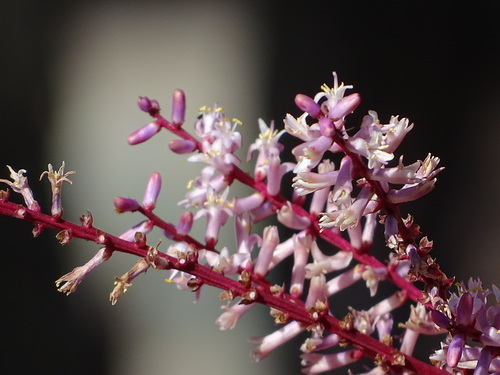
The Baby Doll Ti Plant is a popular tropical ornamental known for its vibrant, colorful foliage. It contains saponins which can cause gastrointestinal distress if ingested by pets.
Potentially toxic for cats & dogs.
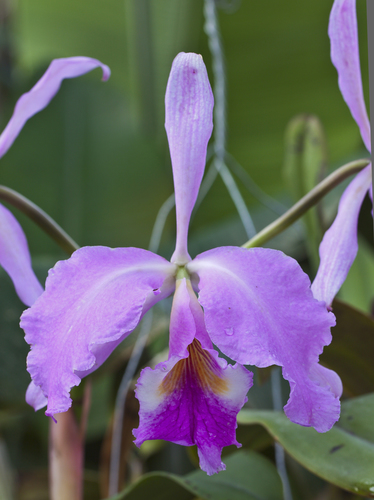
The Cattleya orchid is a popular, showy flowering plant known for its large, fragrant blooms and epiphytic growth habit. It is considered non-toxic to pets, though its fibrous nature may cause mild digestive discomfort if consumed in large quantities.
Generally safe for cats & dogs.

The Christmas Orchid is a popular epiphytic orchid known for its large, showy, and fragrant winter blooms. It is considered non-toxic to household pets, though its fibrous nature may cause minor digestive discomfort if consumed in large quantities.
Generally safe for cats & dogs.

The Easter Cattleya is a popular, fragrant orchid known for its large, showy blooms and elegant growth habit. It is considered non-toxic to pets, though its fibrous nature may cause minor digestive discomfort if consumed in large quantities.
Generally safe for cats & dogs.