Cats & Dogs
Generally safeConsulted references do not classify the plant as toxic for that pet type, while still allowing for mild GI upset if large amounts are chewed.
Verified against ASPCA/provenance audit 2026-05-06 on May 6, 2026.
Hoya kerrii
The Sweetheart Hoya is a popular succulent vine known for its distinctive heart-shaped leaves, often sold as a single-leaf cutting. It is considered non-toxic to pets, though its fibrous nature may cause mild digestive discomfort if consumed in large quantities.
Safety status
Cats & Dogs
Generally safeConsulted references do not classify the plant as toxic for that pet type, while still allowing for mild GI upset if large amounts are chewed.
Verified against ASPCA/provenance audit 2026-05-06 on May 6, 2026.
If a pet has chewed or swallowed plant material and is showing symptoms, contact a veterinarian or poison resource immediately. This product is for structured reference, not diagnosis.
Cats — concern notes
Common signs
None expected. In rare cases of large ingestion, mild vomiting or diarrhea may occur due to the fibrous texture of the leaves.
Escalation note
This plant is non-toxic. If your cat consumes a significant amount and shows signs of distress, contact your veterinarian to rule out physical obstruction or irritation.
Dogs — concern notes
Common signs
None expected. Large ingestions may lead to minor gastrointestinal upset, such as vomiting or diarrhea, caused by the plant's fibrous material.
Escalation note
This plant is non-toxic. If your dog consumes a large amount and exhibits persistent vomiting or lethargy, consult your veterinarian.
Bring it home
Sweetheart Hoyais generally pet-safe in ordinary household exposure. If you’d like one for your space, here’s a starting point.
Shop on AmazonSome links earn us a small commission. They never affect our safety classifications.
ASPCA Toxic and Non-Toxic Plants List
toxicology · 99% reliability
Sweetheart Hoya (Hoya kerrii) is listed as non-toxic to cats and dogs.
NC State Extension Plant Toolbox: Hoya kerrii
botanical · 94% reliability
Hoya kerrii is a slow-growing succulent vine in the Apocynaceae family, commonly grown as a houseplant.
No, Sweetheart Hoya (Hoya kerrii) is non-toxic to cats. It is considered generally safe, and no toxic compounds are documented for this plant.
In most cases, nothing serious. In rare instances of large ingestion, the fibrous texture of the leaves may cause mild vomiting or diarrhea, but no toxic reaction is expected.
Monitor your cat for signs of GI upset such as vomiting or diarrhea. Non-toxic does not mean harmless in large quantities — if your cat ate a significant amount and seems distressed, contact your veterinarian to rule out physical irritation or obstruction.
No, the single-leaf cuttings commonly sold around Valentine's Day are the same non-toxic plant. A nibble is very unlikely to cause any reaction, though a large amount of fibrous leaf material could cause mild digestive upset.
No, Sweetheart Hoya (Hoya kerrii) is non-toxic to dogs. It is considered generally safe, and no toxic principles have been documented for this plant.
Most dogs will have no reaction at all. If your dog eats a large amount, the plant's fibrous material may cause minor gastrointestinal upset such as vomiting or diarrhea, but serious symptoms are not expected.
A small amount is very unlikely to cause any problem. Monitor your dog for persistent vomiting, diarrhea, or lethargy — if any of these continue or worsen after a large ingestion, contact your veterinarian.
No — the single-leaf cutting form of Sweetheart Hoya sold as a novelty plant is the same non-toxic species and carries the same low risk. Non-toxic does not mean it's good for dogs to eat, and a large quantity of fibrous plant material can still cause mild stomach upset.
Same genus
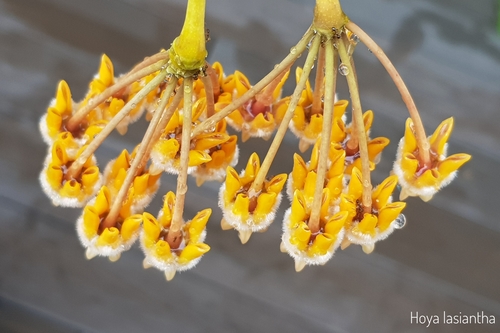
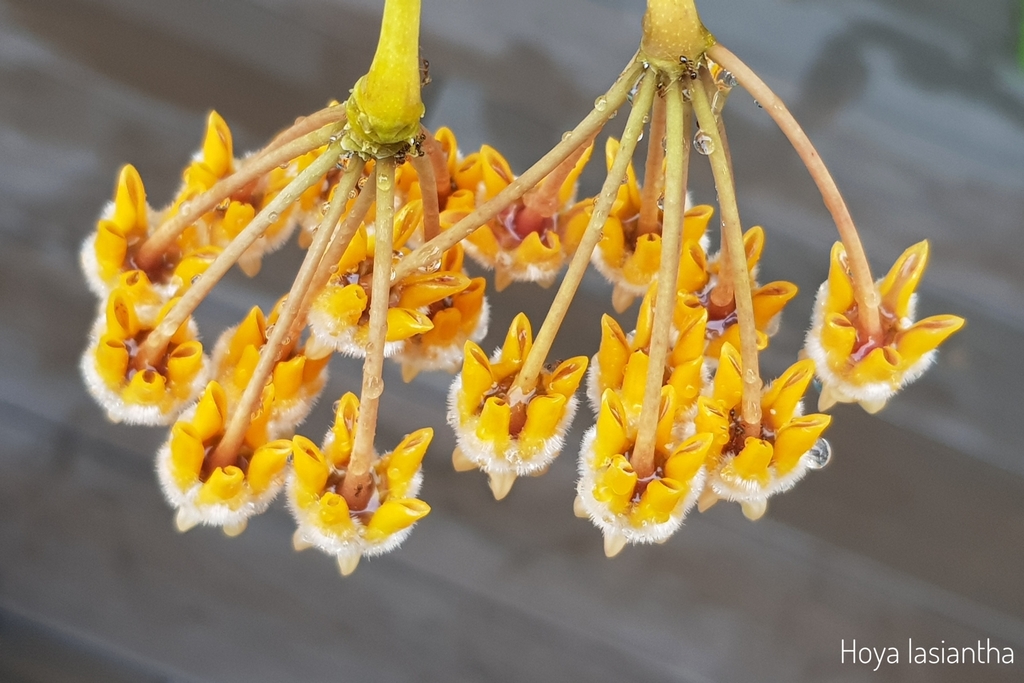
Hoya is a popular, low-maintenance trailing houseplant known for its waxy, succulent-like leaves and fragrant clusters of star-shaped flowers. It is considered safe for households with pets, though ingestion of large amounts of plant material may cause minor digestive discomfort.
Not yet rated for cats.
Not yet rated for dogs.
The Hindu Rope Plant is a popular, slow-growing succulent vine known for its unique, curled, waxy foliage. It is considered safe for households with pets, though its fibrous nature may cause minor digestive discomfort if consumed in large quantities.
Generally safe for cats & dogs.
Same safety verdict
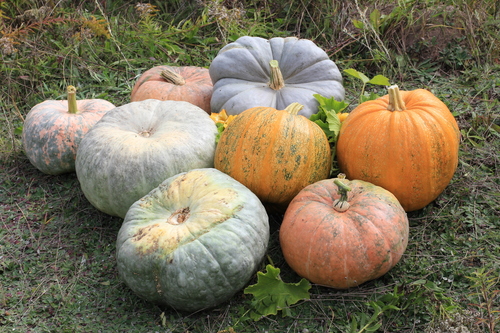
Acorn squash is a popular edible winter squash known for its ribbed, dark green skin and sweet, yellow-orange flesh. It is widely cultivated for culinary use and is considered safe for household pets.
Generally safe for cats & dogs.
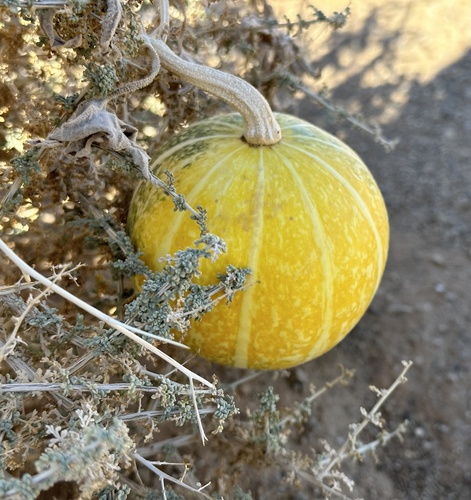
Banana squash is a large, edible winter squash variety known for its elongated shape and sweet, dense flesh. It is considered safe for household pets, though large ingestions of raw plant material may cause minor digestive discomfort.
Generally safe for cats & dogs.
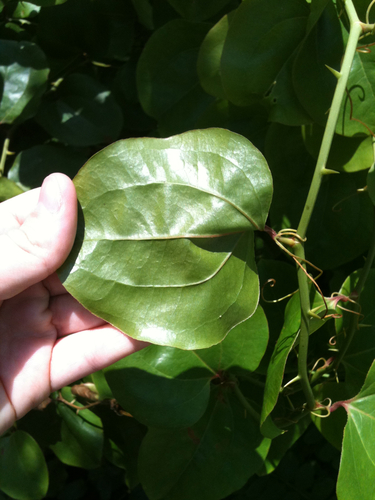
Bullbrier is a hardy, woody vine native to North America, often recognized by its prickly stems and rounded leaves. It is considered non-toxic to pets, though its fibrous nature may cause minor digestive discomfort if consumed in large quantities.
Generally safe for cats & dogs.
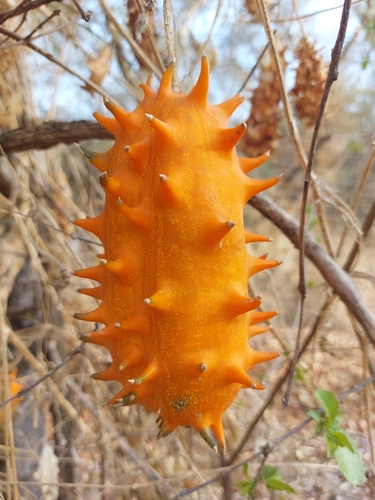
Bur Gourd is a vining plant in the cucumber family known for its small, spiky, edible fruits. It is generally considered safe for household pets, though its fibrous nature may cause minor digestive discomfort if consumed in large quantities.
Generally safe for cats & dogs.
Same growing conditions
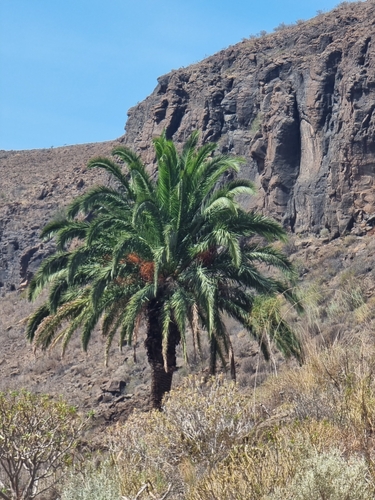
The Dwarf Date Palm is a slow-growing, stemless palm species native to the grasslands of India. It is widely appreciated for its compact, architectural foliage that mimics the appearance of larger date palms in a miniature form.
Generally safe for cats & dogs.
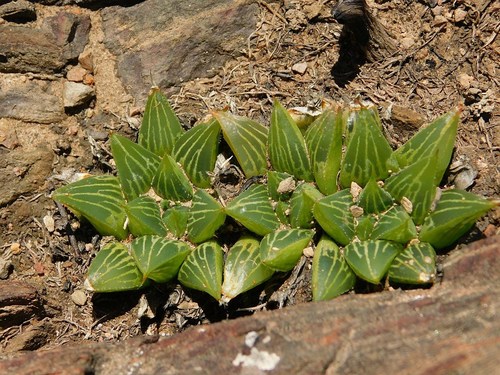
Haworthia is a genus of small, succulent plants known for their rosette-forming leaves and ease of care. They are generally considered safe for households with pets.
Generally safe for cats.
Not yet rated for dogs.
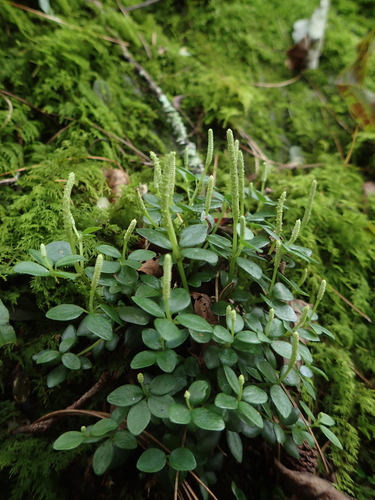
The Emerald Ripple Peperomia is a popular, compact houseplant known for its deeply textured, heart-shaped leaves and ease of care. It is considered non-toxic to pets, making it a safe choice for households with cats and dogs.
Generally safe for cats & dogs.
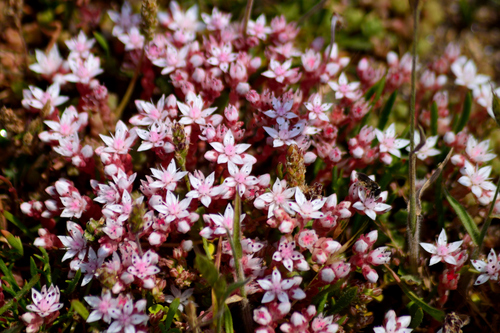
Burro's Tail is a popular trailing succulent known for its dense, fleshy, blue-green leaves that resemble braided tails. It is considered non-toxic to pets, though its fibrous nature may cause minor digestive discomfort if consumed in large quantities.
Generally safe for cats & dogs.