Cats & Dogs
Generally safeConsulted references do not classify the plant as toxic for that pet type, while still allowing for mild GI upset if large amounts are chewed.
Verified against ASPCA/provenance audit 2026-05-06 on May 6, 2026.
Sources
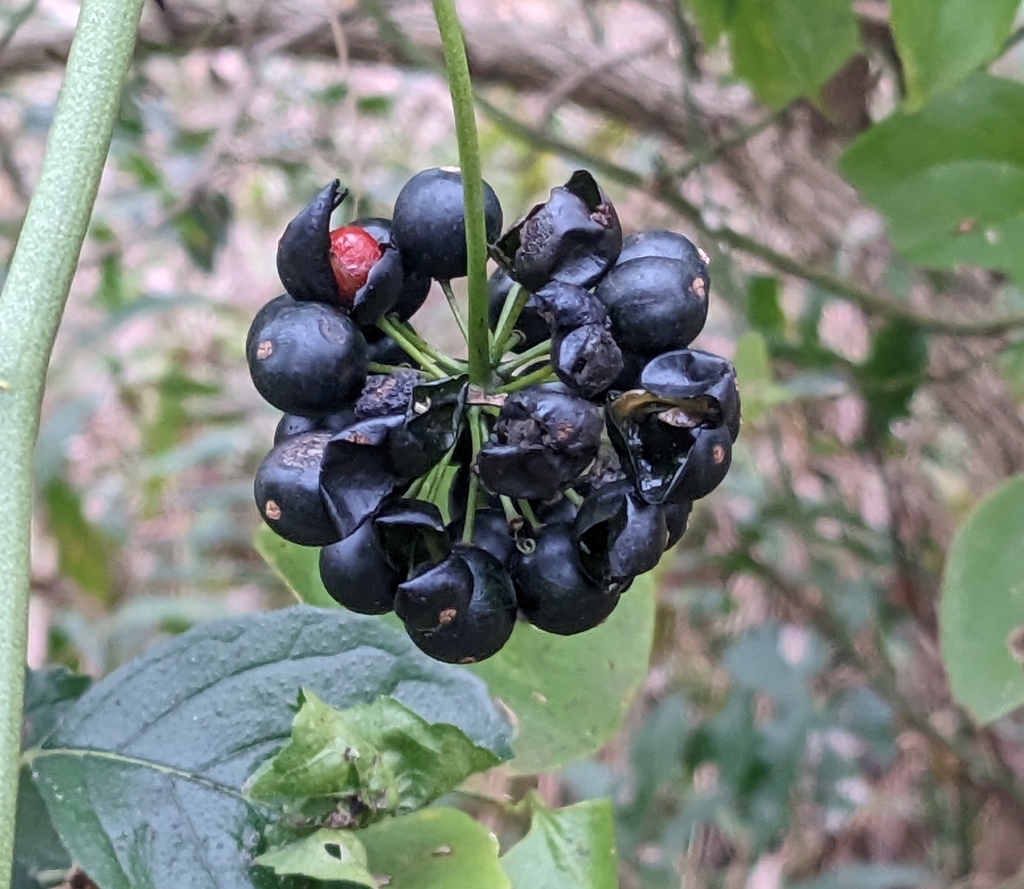
Smilax hispida
Bristly Greenbrier is a woody, climbing vine native to North America, often found in thickets and woodlands. It is considered non-toxic to pets, though its fibrous nature may cause minor digestive discomfort if consumed in large quantities.
Safety status
Cats & Dogs
Generally safeConsulted references do not classify the plant as toxic for that pet type, while still allowing for mild GI upset if large amounts are chewed.
Verified against ASPCA/provenance audit 2026-05-06 on May 6, 2026.
Sources
If a pet has chewed or swallowed plant material and is showing symptoms, contact a veterinarian or poison resource immediately. This product is for structured reference, not diagnosis.
Cats — concern notes
Common signs
None expected; however, ingestion of large amounts of fibrous plant material may cause mild vomiting or diarrhea.
Escalation note
This plant is considered non-toxic. If your cat consumes a significant amount and shows signs of distress, contact your veterinarian.
Dogs — concern notes
Common signs
None expected; however, ingestion of large amounts of fibrous plant material may cause mild vomiting or diarrhea.
Escalation note
This plant is considered non-toxic. If your dog consumes a significant amount and shows signs of distress, contact your veterinarian.
Bring it home
Bristly Greenbrieris generally pet-safe in ordinary household exposure. If you’d like one for your space, here’s a starting point.
Shop on AmazonSome links earn us a small commission. They never affect our safety classifications.
ASPCA Toxic Plant List
toxicology · 99% reliability
The Bristly Greenbrier is listed as non-toxic to both cats and dogs.
NC State Extension Plant Toolbox
botanical · 94% reliability
Smilax hispida is a native woody vine known for its prickly stems and dark blue-black berries.
Bristly Greenbrier (Smilax hispida) is considered non-toxic to cats. It is classified as generally safe, meaning it is not expected to cause poisoning if your cat chews on or ingests part of the plant.
No toxic symptoms are expected, but ingesting large amounts of the plant's fibrous material may cause mild vomiting or diarrhea due to the bulk and texture of the vine rather than any toxic compounds.
Because the plant is non-toxic, a small nibble is unlikely to require any action. If your cat consumed a significant amount and is showing signs of GI distress like repeated vomiting or diarrhea, contact your veterinarian.
The main concern with large ingestions is digestive irritation from the plant's fibrous, woody material rather than chemical toxicity. Non-toxic does not mean unlimited safe consumption — large quantities of any fibrous plant matter can upset a cat's stomach.
Bristly Greenbrier (Smilax hispida) is considered non-toxic to dogs. It is classified as generally safe, meaning it is not expected to cause poisoning if your dog chews or eats part of the plant.
No toxic symptoms are expected from Bristly Greenbrier. However, because it is a fibrous woody vine, ingesting a large amount of plant material may cause mild vomiting or diarrhea from the bulk and roughage alone.
A small nibble is unlikely to cause any problem. If your dog ate a significant quantity and is showing signs of GI distress such as repeated vomiting, diarrhea, or lethargy, call your veterinarian. Because this plant is non-toxic, a full poison-control call is usually unnecessary, but your vet can advise on managing any digestive upset.
No part of Bristly Greenbrier is considered toxic to dogs. The main concern with any part of this woody climbing vine is purely mechanical — the fibrous stems and leaves can irritate the digestive tract if eaten in large quantities, but this is a bulk/fiber effect, not a toxic one.
Same genus
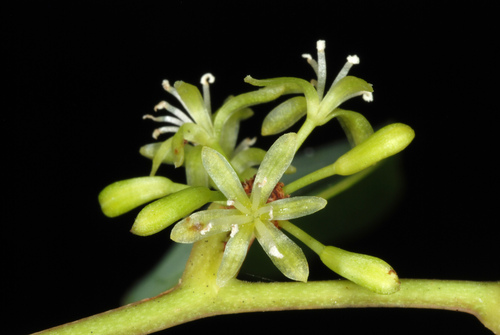
Smilax laurifolia is a woody, climbing vine known for its tough, leathery leaves and thorny stems. While generally considered safe for pets, its fibrous nature can occasionally cause minor digestive discomfort if consumed in large quantities.
Generally safe for cats & dogs.
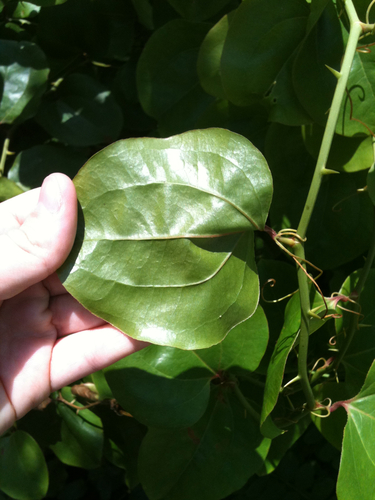
Bullbrier is a hardy, woody vine native to North America, often recognized by its prickly stems and rounded leaves. It is considered non-toxic to pets, though its fibrous nature may cause minor digestive discomfort if consumed in large quantities.
Generally safe for cats & dogs.
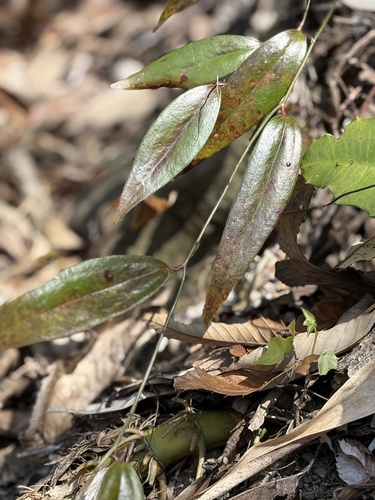
Cat Brier is a hardy, woody vine known for its tough stems and foliage. It is considered non-toxic to pets, though its fibrous nature may cause minor digestive discomfort if consumed in large quantities.
Generally safe for cats & dogs.
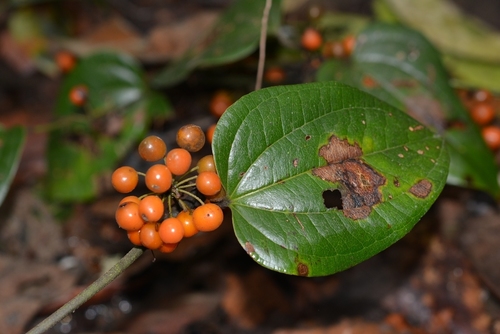
Greenbrier is a genus of woody, often thorny vines known for their resilience and climbing habit. While generally considered safe for pets, the fibrous nature of the plant can cause minor digestive discomfort if consumed in large quantities.
Generally safe for cats.
Not yet rated for dogs.
Same safety verdict
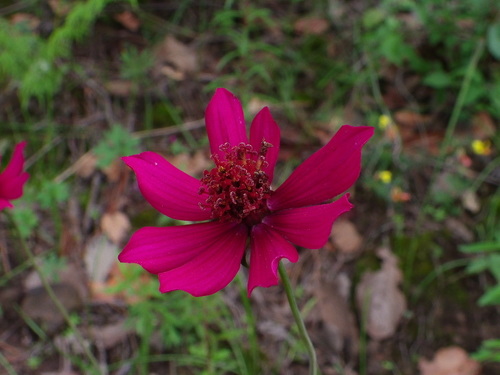
Garden cosmos is a daisy-like annual usually treated as a pet-safe flowering option, though any large plant ingestion can still cause mild stomach upset.
Generally safe for cats & dogs.
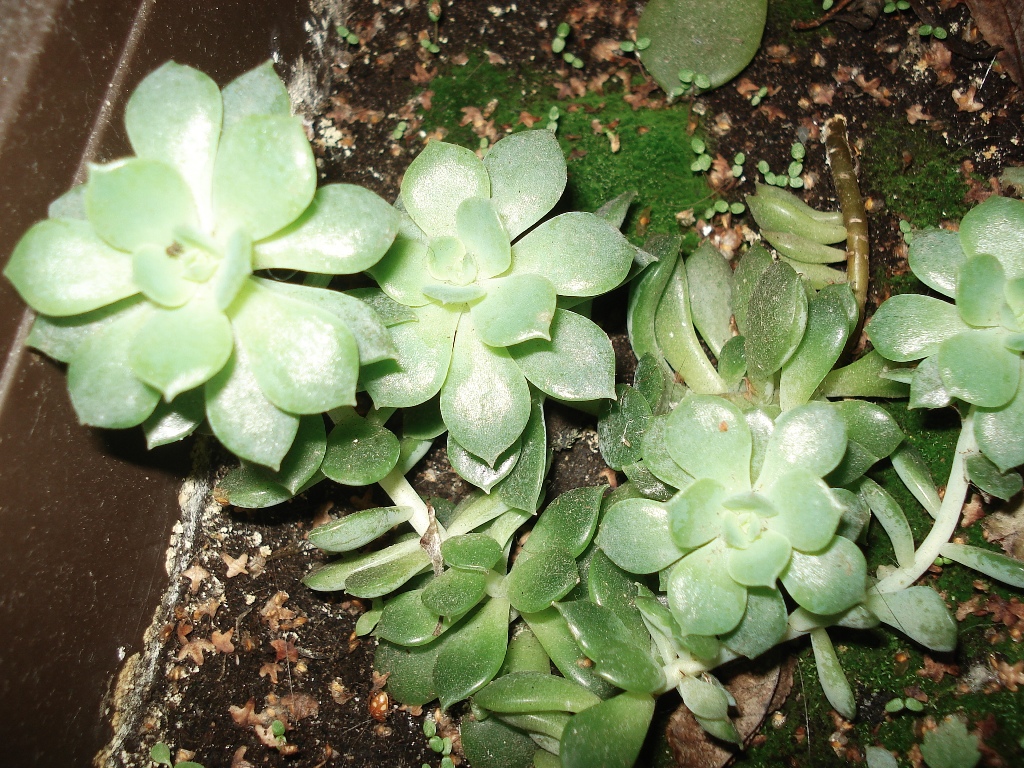
Echeveria is a popular, rosette-forming succulent known for its fleshy, architectural leaves and ease of care. It is considered non-toxic to pets, though ingestion of large amounts of fibrous plant material may cause minor digestive discomfort.
Generally safe for cats & dogs.
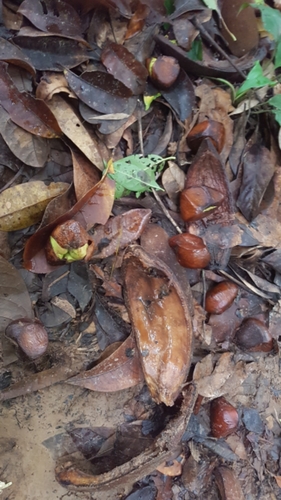
The Money Tree is a popular indoor plant known for its braided trunk and palm-like leaves, often associated with good luck and prosperity in home decor.
Generally safe for cats & dogs.
Same growing conditions
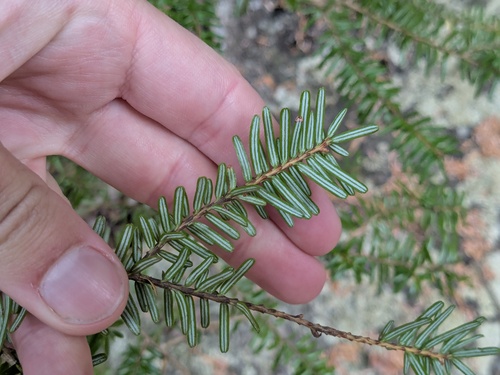
Hemlock trees are coniferous evergreens often used in landscaping. While they are not considered toxic, ingestion of large amounts of plant material may cause minor digestive discomfort due to the fibrous nature of the needles.
Generally safe for cats.
Not yet rated for dogs.
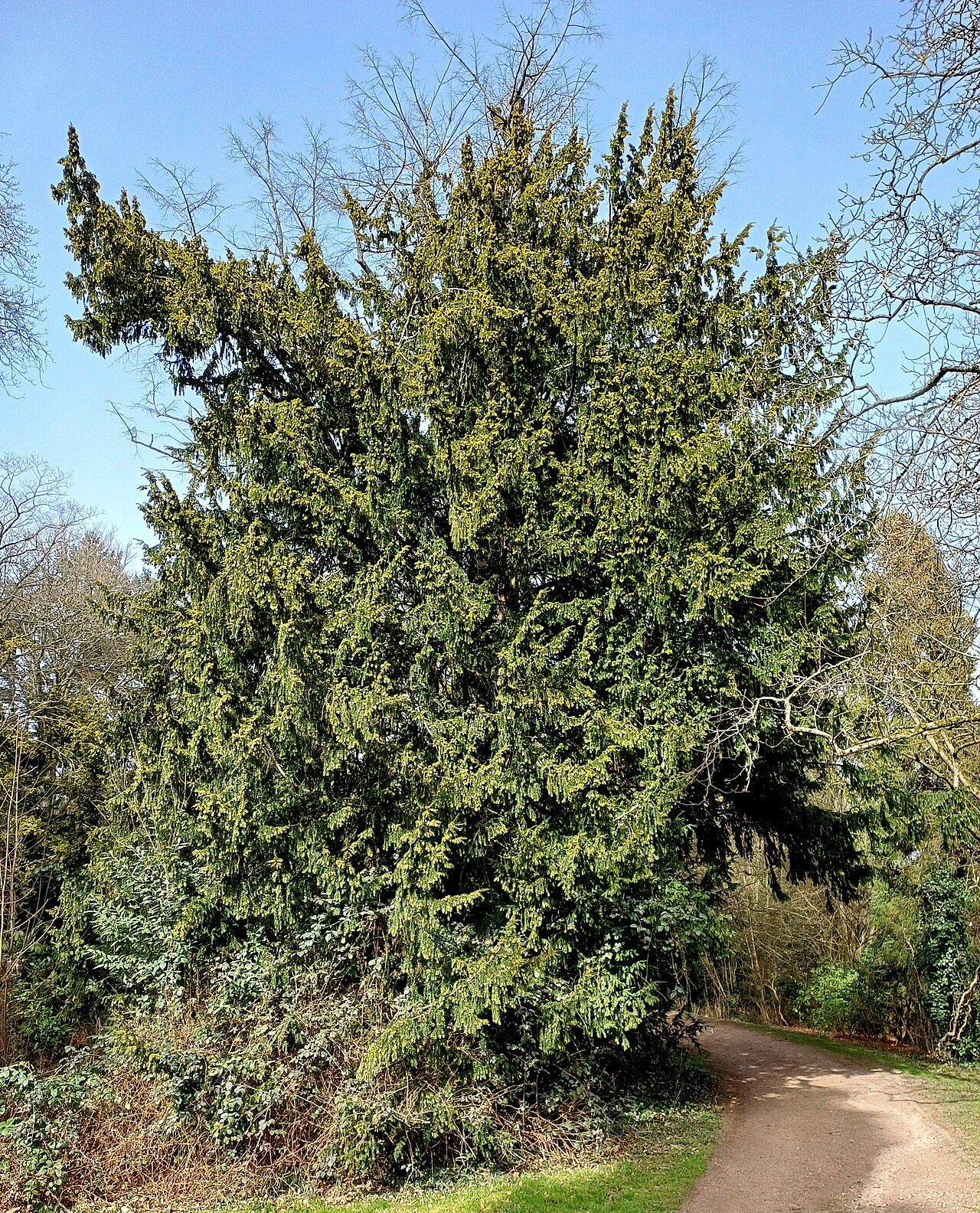
Japanese Yew is an evergreen shrub or tree containing taxine alkaloids that are highly poisonous to most animals. All parts of the plant, including the needles and seeds, are considered toxic if ingested.
Potentially toxic for cats & dogs.