Cats & Dogs
Generally safeConsulted references do not classify the plant as toxic for that pet type, while still allowing for mild GI upset if large amounts are chewed.
Verified against ASPCA/provenance audit 2026-05-06 on May 6, 2026.
Sources
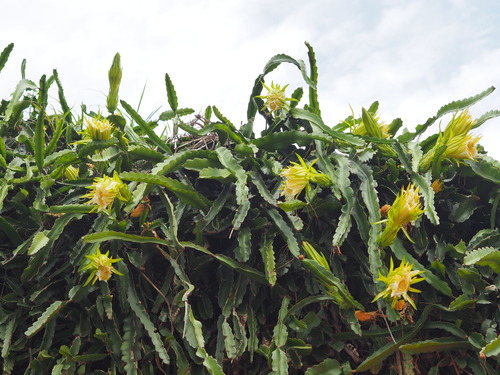
Hylocereus undatus
The Dragon Fruit Cactus is a fast-growing, vining succulent known for its large, fragrant nocturnal flowers and edible fruit. It is considered non-toxic to pets, though its fibrous nature may cause mild digestive upset if consumed in large quantities.
Safety status
Cats & Dogs
Generally safeConsulted references do not classify the plant as toxic for that pet type, while still allowing for mild GI upset if large amounts are chewed.
Verified against ASPCA/provenance audit 2026-05-06 on May 6, 2026.
Sources
If a pet has chewed or swallowed plant material and is showing symptoms, contact a veterinarian or poison resource immediately. This product is for structured reference, not diagnosis.
Cats — concern notes
Common signs
None expected; however, ingestion of large amounts of fibrous plant material may cause mild vomiting or diarrhea.
Escalation note
Generally considered safe, but contact a veterinarian if your pet experiences persistent gastrointestinal distress.
Dogs — concern notes
Common signs
None expected; however, ingestion of large amounts of fibrous plant material may cause mild vomiting or diarrhea.
Escalation note
Generally considered safe, but contact a veterinarian if your pet experiences persistent gastrointestinal distress.
Bring it home
Dragon Fruit Cactusis generally pet-safe in ordinary household exposure. If you’d like one for your space, here’s a starting point.
Shop on AmazonSome links earn us a small commission. They never affect our safety classifications.
ASPCA Toxic Plant List
toxicology · 99% reliability
Non-toxic to cats and dogs.
NC State Extension Plant Toolbox
botanical · 94% reliability
Hylocereus undatus is a climbing cactus species that produces edible fruit.
No, dragon fruit cactus (Hylocereus undatus) is considered non-toxic to cats. It is classified as generally safe, meaning your cat is not expected to experience harmful effects from contact or minor nibbling.
Ingestion of small amounts is not expected to cause harm, but the plant's fibrous material can cause mild vomiting or diarrhea if eaten in large quantities. Non-toxic does not mean harmless in bulk — keep portions incidental.
Monitor your cat for gastrointestinal signs like vomiting or diarrhea. If symptoms persist or your cat seems uncomfortable, contact your veterinarian. For urgent concerns, you can also reach the ASPCA Animal Poison Control Center at (888) 426-4435.
The fibrous stem and plant body are the most likely culprits for digestive upset, simply due to their tough, indigestible texture rather than any toxic compound. The fruit itself is edible for humans, but large ingestions of any part of the plant can cause mild GI irritation in cats.
No, dragon fruit cactus (Hylocereus undatus) is considered non-toxic to dogs. It is classified as generally safe, meaning it does not contain compounds known to poison dogs.
Most dogs will have no reaction, but ingesting large amounts of the fibrous plant material may cause mild vomiting or diarrhea due to the high fiber content, not any toxic principle.
A single small nibble is unlikely to need veterinary attention, but contact your vet if your dog experiences persistent vomiting or diarrhea that doesn't resolve within a day or two.
The plant is non-toxic, so the fruit is not expected to poison your dog, but non-toxic does not mean it is good for them — large amounts can still cause GI upset, and the high sugar content of the fruit is not ideal for dogs.
Same safety verdict
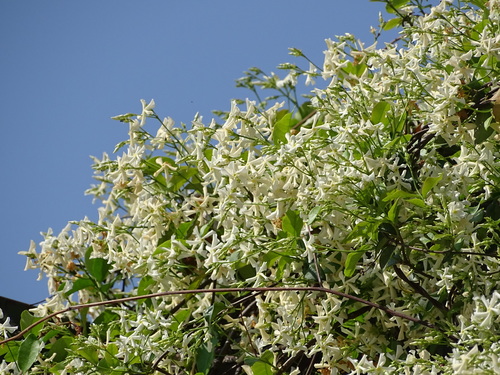
Confederate Jasmine is a popular, fragrant evergreen vine often grown as a houseplant or outdoor climber. It is considered non-toxic to pets, though large ingestions of plant material may cause mild digestive discomfort.
Generally safe for cats & dogs.
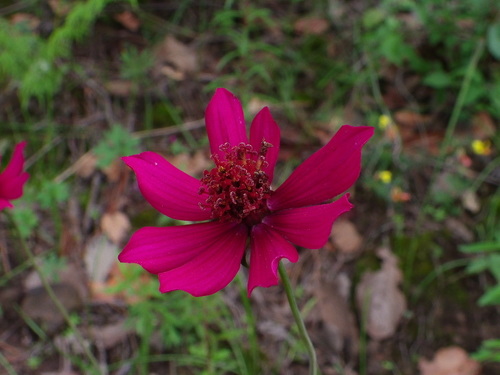
Garden cosmos is a daisy-like annual usually treated as a pet-safe flowering option, though any large plant ingestion can still cause mild stomach upset.
Generally safe for cats & dogs.
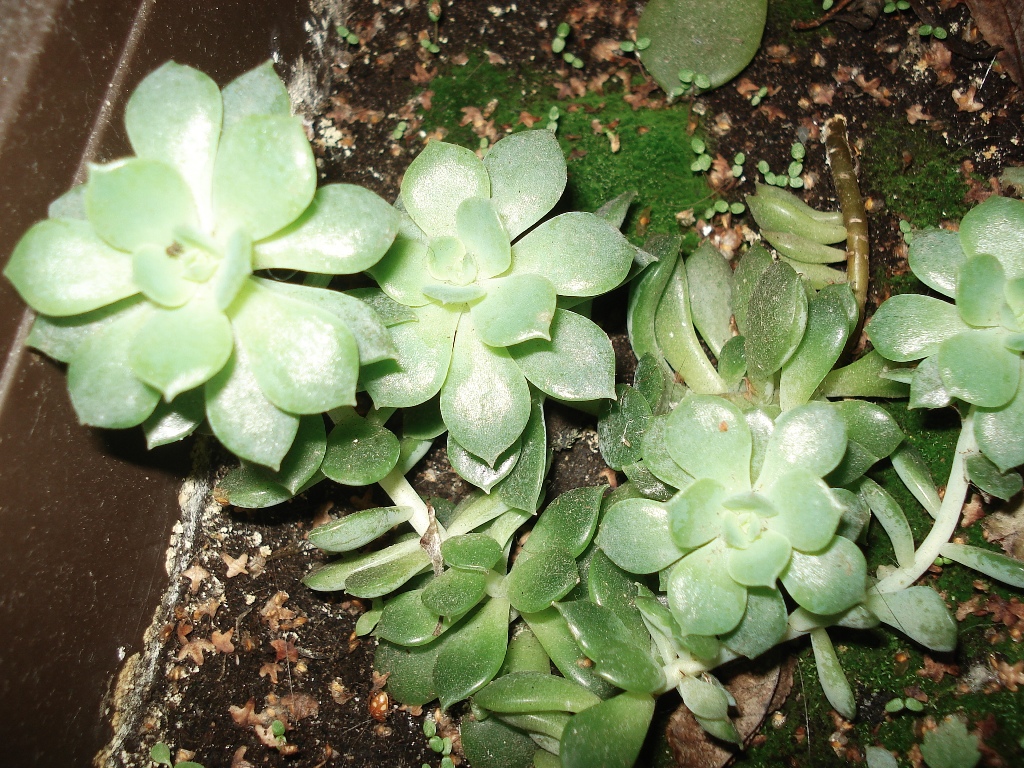
Echeveria is a popular, rosette-forming succulent known for its fleshy, architectural leaves and ease of care. It is considered non-toxic to pets, though ingestion of large amounts of fibrous plant material may cause minor digestive discomfort.
Generally safe for cats & dogs.
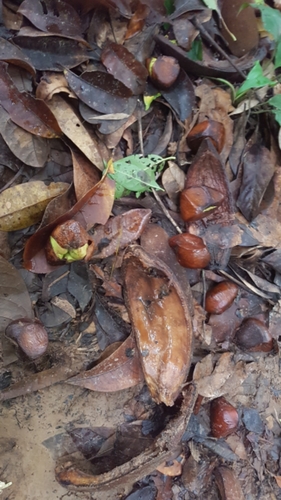
The Money Tree is a popular indoor plant known for its braided trunk and palm-like leaves, often associated with good luck and prosperity in home decor.
Generally safe for cats & dogs.
Same growing conditions
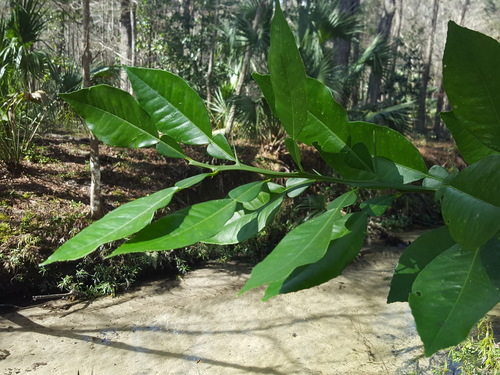
Citrus aurantium is a citrus tree known for its fragrant flowers and bitter fruit, often used in essential oil production. It contains compounds that can cause adverse reactions if ingested by pets.
Potentially toxic for cats & dogs.
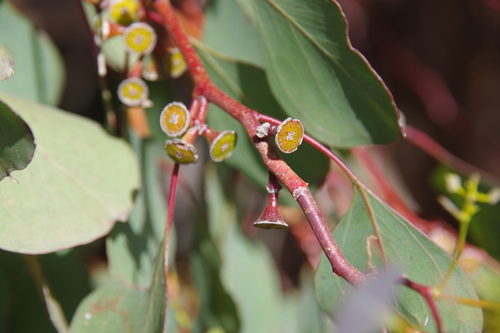
Eucalyptus is a diverse genus of evergreen trees and shrubs known for their aromatic, oil-rich foliage. While popular in floral arrangements and essential oils, the plant contains compounds that can be harmful if ingested by pets.
Potentially toxic for cats & dogs.
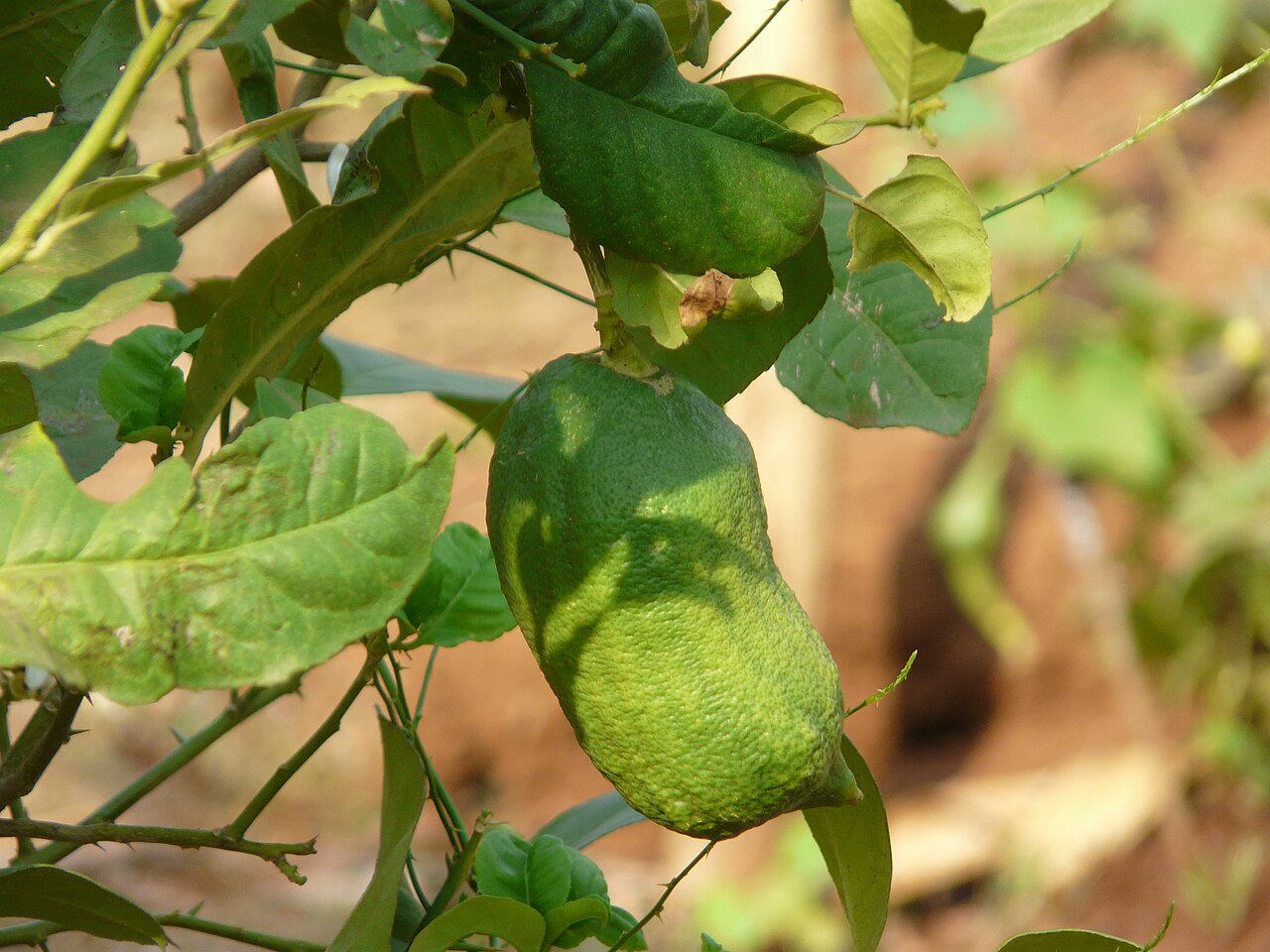
Grapefruit is a citrus tree known for its large, tart fruit and glossy, aromatic foliage. While popular in home orchards, all parts of the plant contain essential oils and psoralens that can cause adverse reactions in pets.
Potentially toxic for cats & dogs.
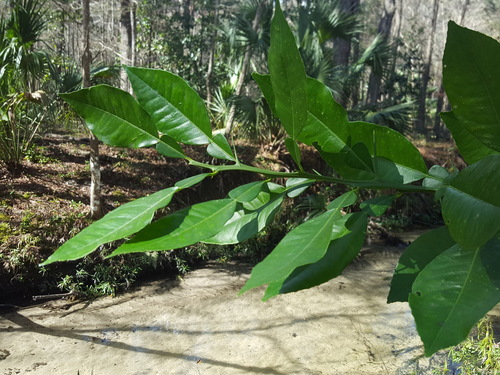
The sweet orange is a popular citrus tree known for its fragrant blossoms and edible fruit. While the fruit is a common food item, the essential oils and plant parts contain compounds that can cause irritation to pets.
Potentially toxic for cats & dogs.