Low-light easy-care houseplants
Shade-tolerant plants with easier care needs for lower-maintenance indoor corners.
123 plants
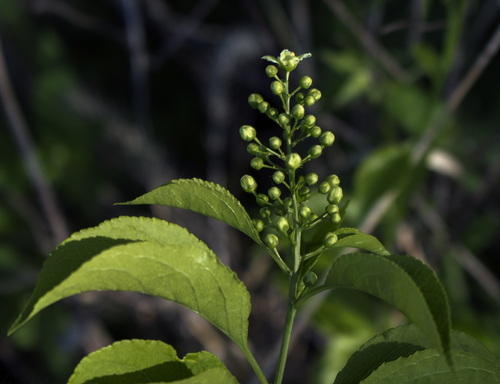
American Bittersweet is a woody vine native to North America, often recognized for its vibrant orange and red fruit capsules. While ornamental, all parts of the plant are considered toxic to pets if ingested.
Potentially toxic for cats & dogs.
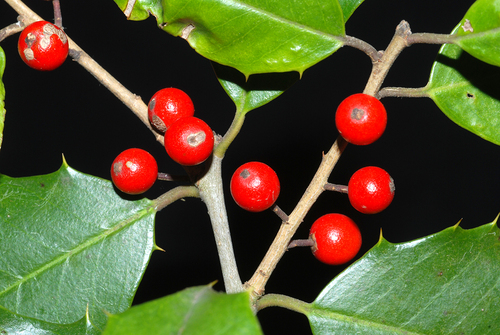
American Holly is an evergreen shrub or tree known for its spiny, glossy leaves and bright red berries. While ornamental, the plant contains compounds that can cause gastrointestinal distress if ingested by pets.
Potentially toxic for cats & dogs.
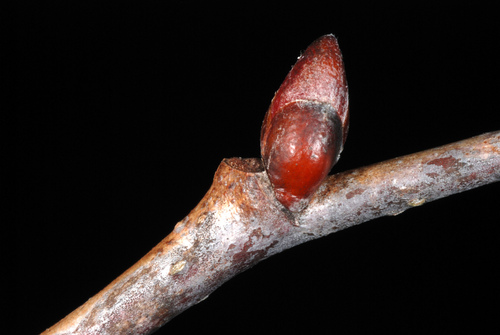
The American Linden is a large, deciduous shade tree known for its fragrant flowers and heart-shaped leaves. It is considered safe for pets, though ingestion of large amounts of plant material may cause minor digestive discomfort.
Generally safe for cats & dogs.
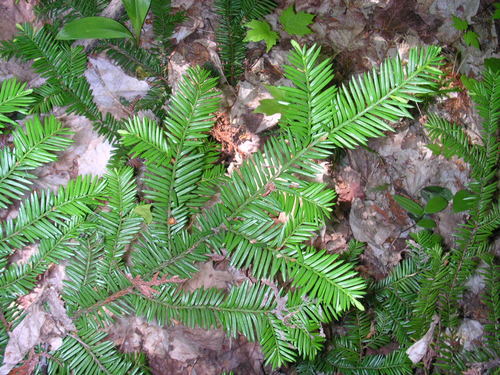
American Yew is a low-growing evergreen shrub containing taxine alkaloids that are highly poisonous to most mammals. Ingestion of any part of the plant, especially the needles and seeds, can cause severe systemic reactions.
Potentially toxic for cats & dogs.
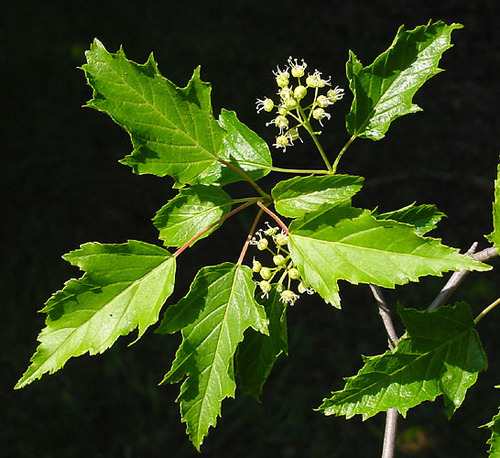
The Amur Maple is a hardy, deciduous shrub or small tree known for its vibrant autumn foliage and fragrant spring flowers. It is considered non-toxic to pets, though ingestion of large amounts of fibrous plant material may occasionally cause mild digestive discomfort.
Generally safe for cats & dogs.
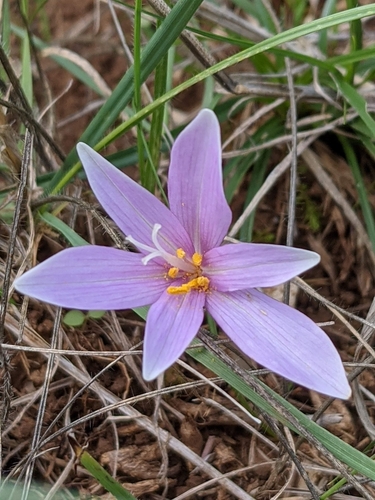
The Autumn Crocus is a bulbous perennial known for its late-season blooms that emerge directly from the ground. It contains potent alkaloids that make it highly dangerous if ingested by pets.
Potentially toxic for cats & dogs.
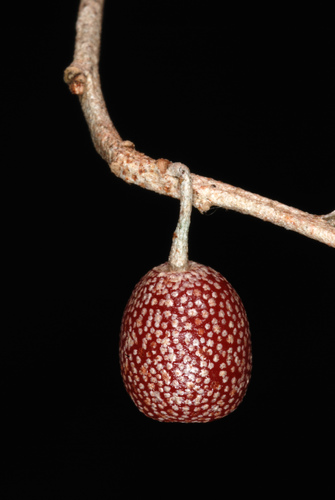
Autumn Olive is a hardy, deciduous shrub known for its silvery foliage and edible berries. It is considered non-toxic to pets, though large ingestions of fibrous plant material may occasionally cause minor digestive discomfort.
Generally safe for cats & dogs.
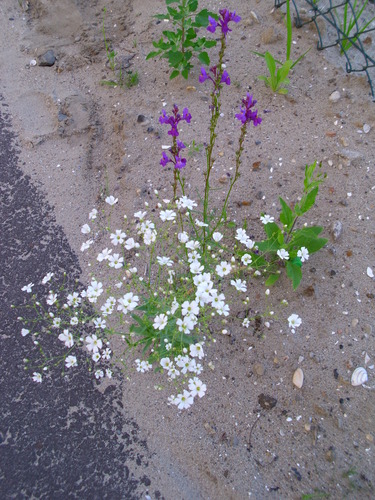
Baby's Breath is a popular ornamental plant known for its delicate, cloud-like clusters of small white or pink flowers. While generally considered safe, it is best kept out of reach to prevent accidental ingestion of fibrous plant material.
Generally safe for cats & dogs.
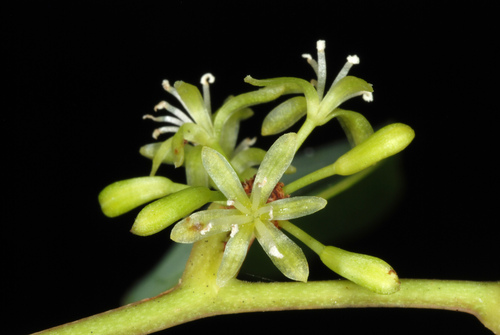
Smilax laurifolia is a woody, climbing vine known for its tough, leathery leaves and thorny stems. While generally considered safe for pets, its fibrous nature can occasionally cause minor digestive discomfort if consumed in large quantities.
Generally safe for cats & dogs.
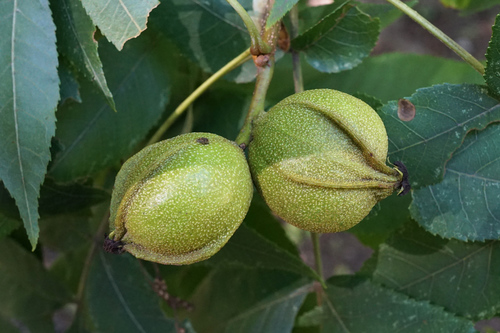
The Bitternut Hickory is a deciduous tree known for its distinctively bitter nuts and compound leaves. While generally considered safe for pets, the fibrous nature of the plant material can occasionally cause mild digestive discomfort if consumed in large quantities.
Generally safe for cats & dogs.
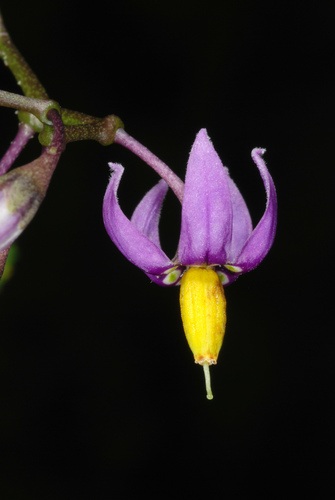
Climbing Nightshade is a perennial vine in the nightshade family known for its star-shaped purple flowers and bright red berries. It contains solanine alkaloids that are harmful to pets if ingested.
Potentially toxic for cats & dogs.
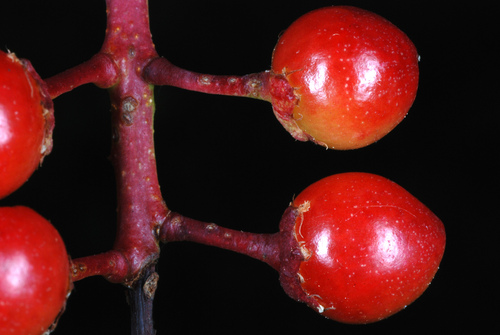
Prunus serotina is a native North American tree known for its dark, edible fruit and foliage that contains cyanogenic glycosides. Ingestion of any part of the plant, particularly the leaves and seeds, can be hazardous to pets.
Potentially toxic for cats & dogs.
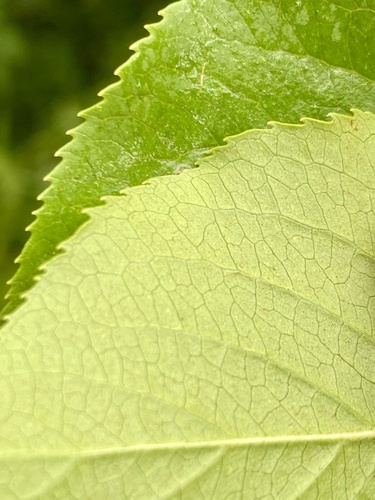
Black Haw is a deciduous shrub or small tree known for its clusters of white flowers and dark, edible berries. It is widely considered safe for household pets, though its fibrous nature may cause minor digestive discomfort if consumed in large quantities.
Generally safe for cats & dogs.
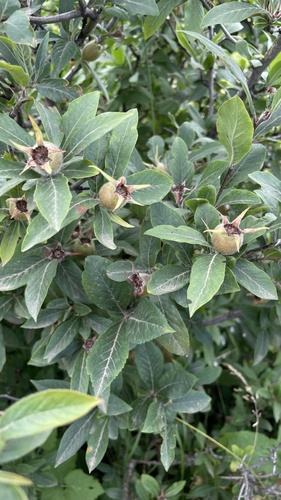
Crataegus douglasii is a deciduous shrub or small tree known for its dark, edible berries and thorny branches. It is generally considered safe for household pets, though its physical structure requires caution.
Generally safe for cats & dogs.
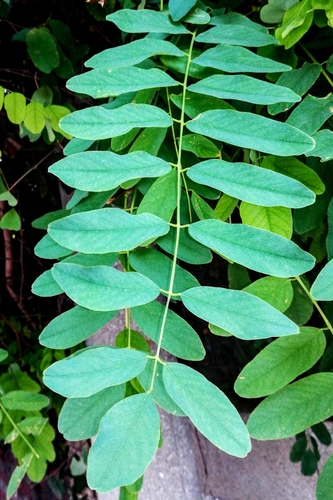
Robinia species, commonly known as locust trees, contain toxic proteins and alkaloids throughout the bark, leaves, and seeds. Ingestion can lead to significant gastrointestinal and neurological distress in pets.
Potentially toxic for cats & dogs.
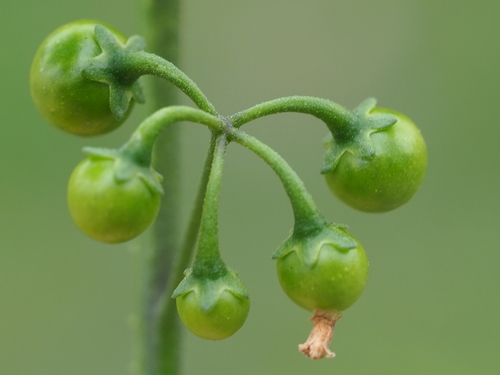
Black Nightshade is an herbaceous plant in the Solanaceae family containing solanine alkaloids that are harmful if ingested. It is widely considered a weed and is not typically cultivated as an indoor houseplant.
Potentially toxic for cats & dogs.
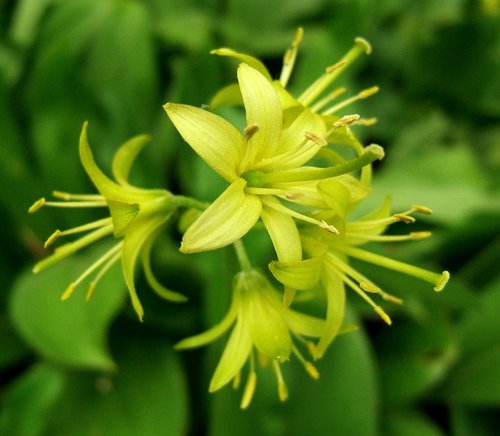
Clintonia borealis is a woodland perennial known for its glossy leaves and striking blue berries. While generally considered safe for pets, it is not intended for consumption.
Uncertain for cats & dogs.
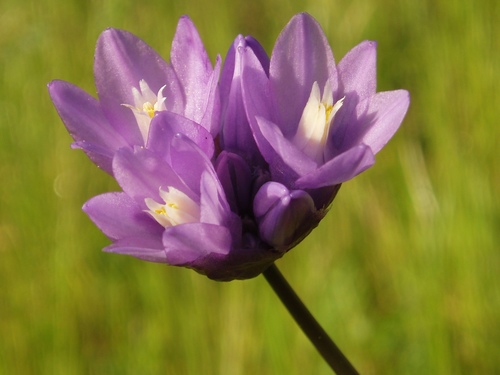
Dichelostemma pulchellum is a cormous perennial wildflower native to western North America, known for its clusters of violet-blue, tubular flowers. It is considered non-toxic to pets, though its fibrous nature may cause minor digestive discomfort if consumed in large quantities.
Uncertain for cats & dogs.
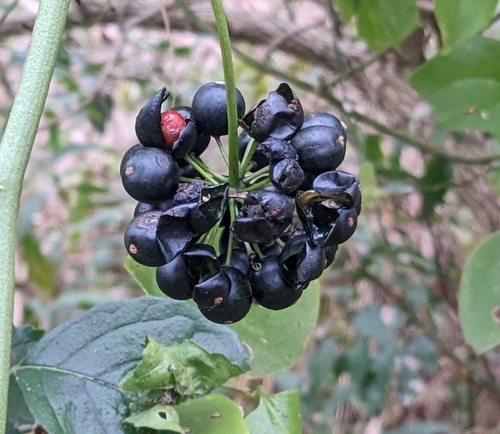
Bristly Greenbrier is a woody, climbing vine native to North America, often found in thickets and woodlands. It is considered non-toxic to pets, though its fibrous nature may cause minor digestive discomfort if consumed in large quantities.
Generally safe for cats & dogs.
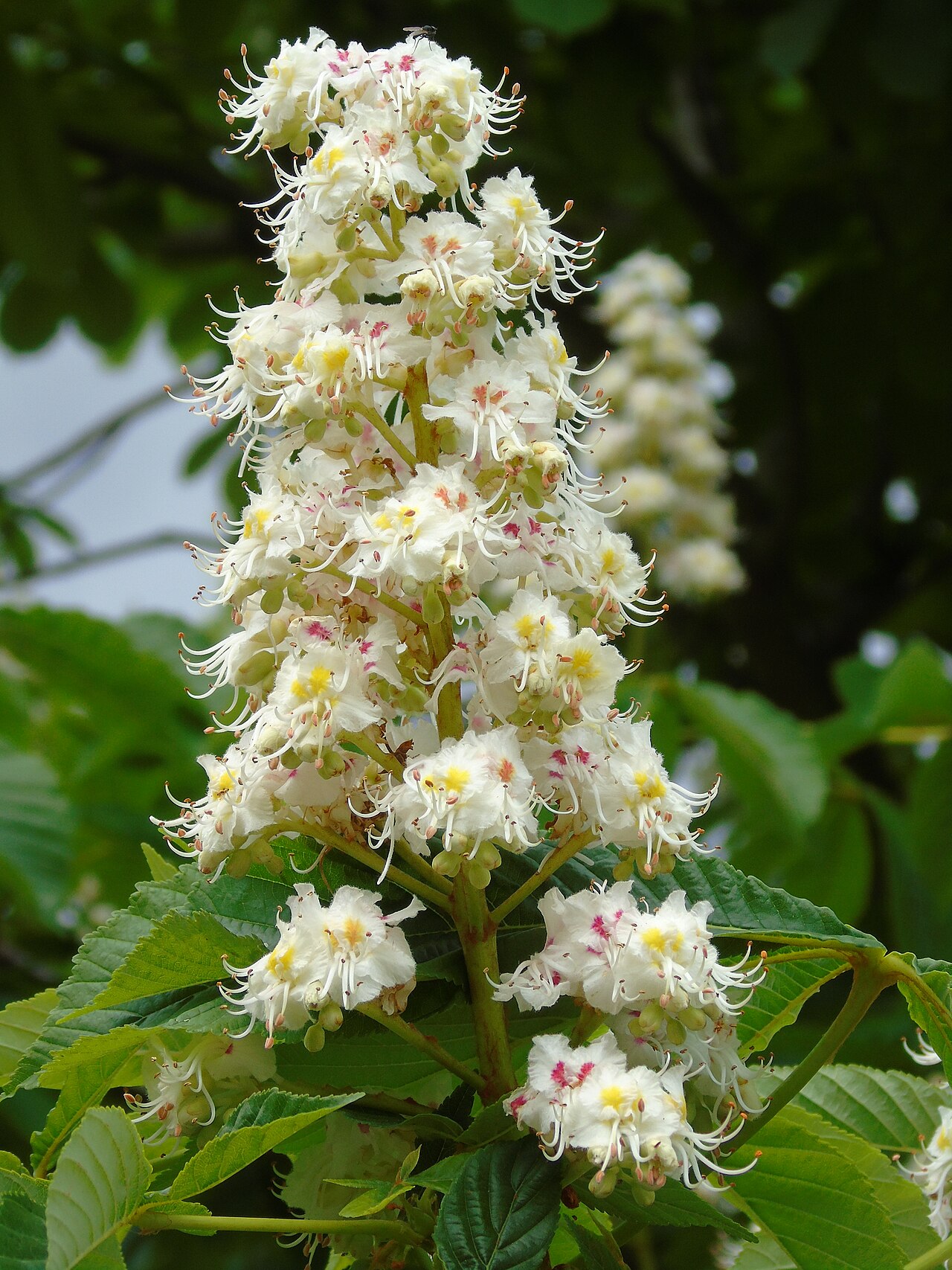
Buckeye trees and shrubs contain toxic glycosides and saponins that affect the gastrointestinal and nervous systems. All parts of the plant, especially the seeds and leaves, are considered poisonous if ingested.
Potentially toxic for cats & dogs.
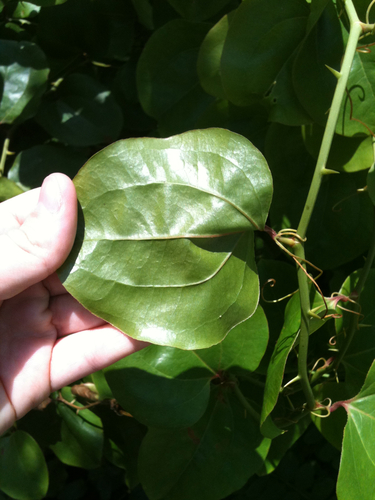
Bullbrier is a hardy, woody vine native to North America, often recognized by its prickly stems and rounded leaves. It is considered non-toxic to pets, though its fibrous nature may cause minor digestive discomfort if consumed in large quantities.
Generally safe for cats & dogs.
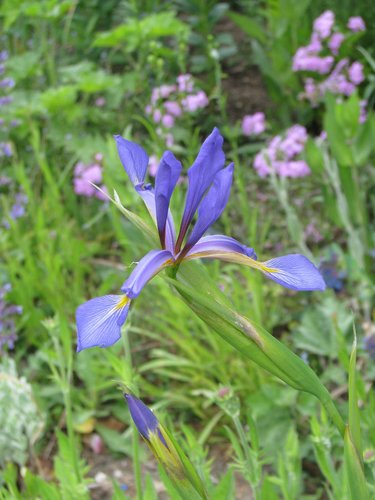
The Butterfly Iris is a rhizomatous perennial known for its elegant, orchid-like flowers and tall, grass-like foliage. It is commonly grown in garden borders but contains compounds that can cause irritation if ingested by pets.
Potentially toxic for cats & dogs.
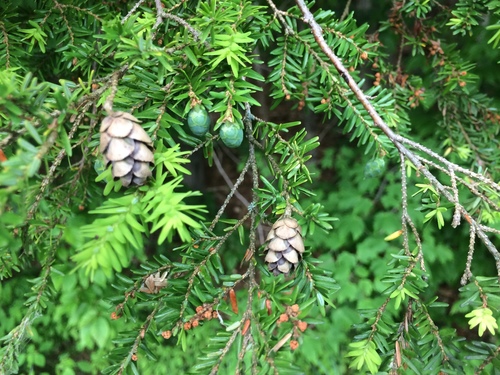
Canada Hemlock is a popular evergreen conifer known for its graceful, feathery foliage and adaptability in landscape settings. It is considered non-toxic to pets, though its fibrous nature may cause minor digestive discomfort if consumed in large quantities.
Generally safe for cats & dogs.
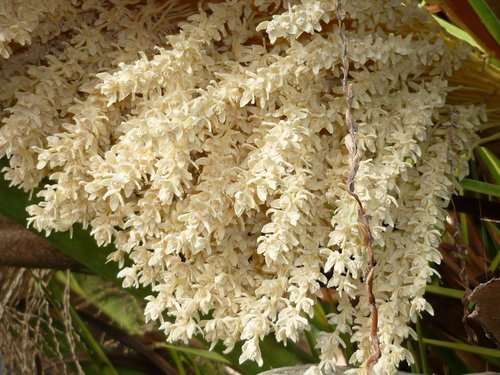
The Canary Date Palm is a popular ornamental palm known for its massive, feathery fronds and sturdy trunk. While it is considered non-toxic to pets, its fibrous foliage can cause mechanical irritation if ingested in large quantities.
Generally safe for cats & dogs.
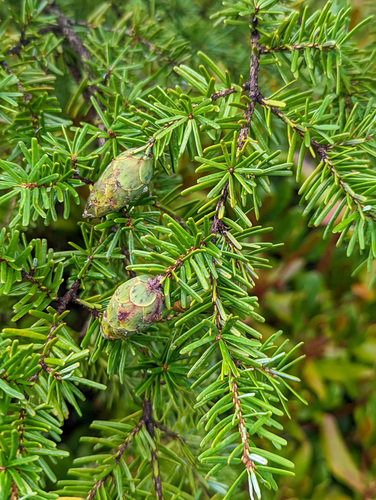
The Carolina Hemlock is a graceful, slow-growing evergreen conifer native to the Appalachian Mountains. It is widely considered safe for household pets, though its fibrous needles may cause minor digestive irritation if consumed in large quantities.
Generally safe for cats & dogs.
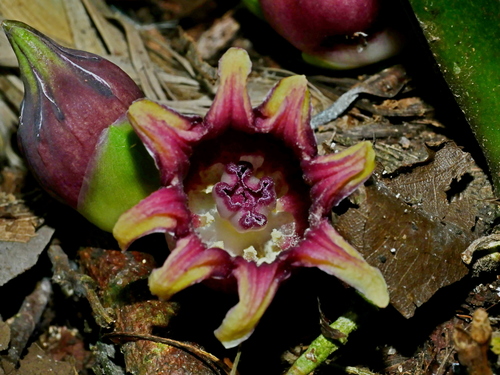
The Cast Iron Plant is a hardy, shade-tolerant houseplant known for its deep green, leathery foliage and ability to thrive in low-light conditions. It is widely considered a pet-safe choice for households with cats and dogs.
Generally safe for cats & dogs.
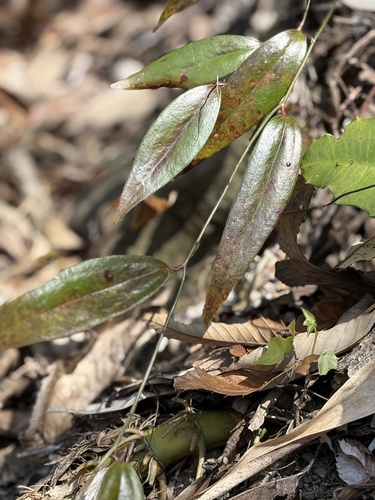
Cat Brier is a hardy, woody vine known for its tough stems and foliage. It is considered non-toxic to pets, though its fibrous nature may cause minor digestive discomfort if consumed in large quantities.
Generally safe for cats & dogs.
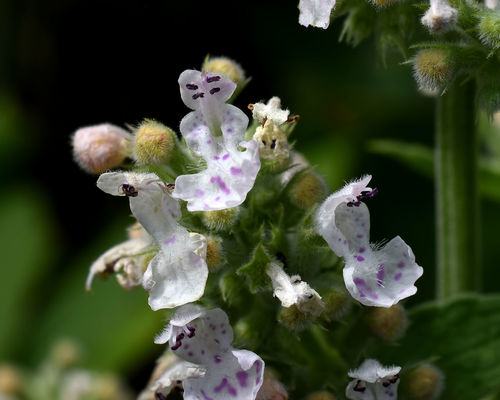
Catnip is a member of the mint family known for its stimulating effects on many cats, though ingestion of large quantities can cause gastrointestinal distress. It is generally considered safe for dogs, though it is not a standard part of their diet.
Potentially toxic for cats.
Uncertain for dogs.

Ceratostigma is a hardy, low-growing perennial known for its vibrant blue flowers and attractive autumn foliage. It is generally considered safe for pets, though ingestion of large amounts of plant material may cause minor digestive discomfort.
Generally safe for cats & dogs.
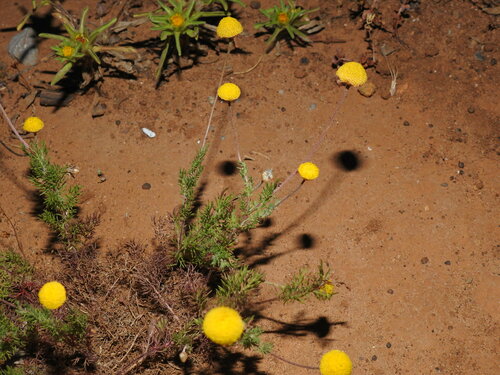
Chamomile is a flowering plant in the daisy family often used in herbal teas and essential oils. While popular for human use, it contains compounds that can cause adverse reactions in pets if ingested.
Potentially toxic for cats & dogs.
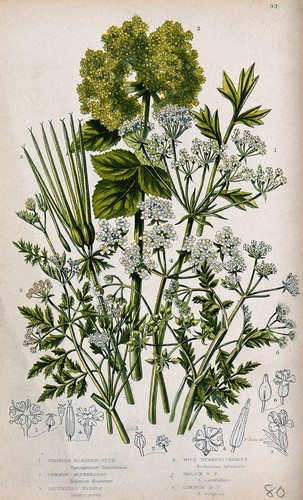
Chervil is a delicate, aromatic herb in the parsley family often used in culinary applications. It is considered safe for pets, though large ingestions of any fibrous plant material may cause minor digestive upset.
Generally safe for cats & dogs.
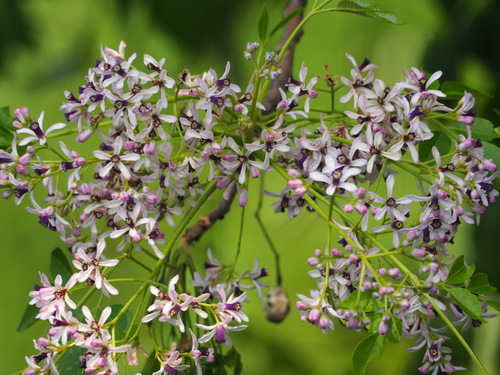
The Bead Tree is a deciduous tree known for its fragrant purple flowers and yellow berries, which contain toxic compounds. All parts of the plant, especially the fruit, are considered harmful if ingested by pets.
Potentially toxic for cats & dogs.
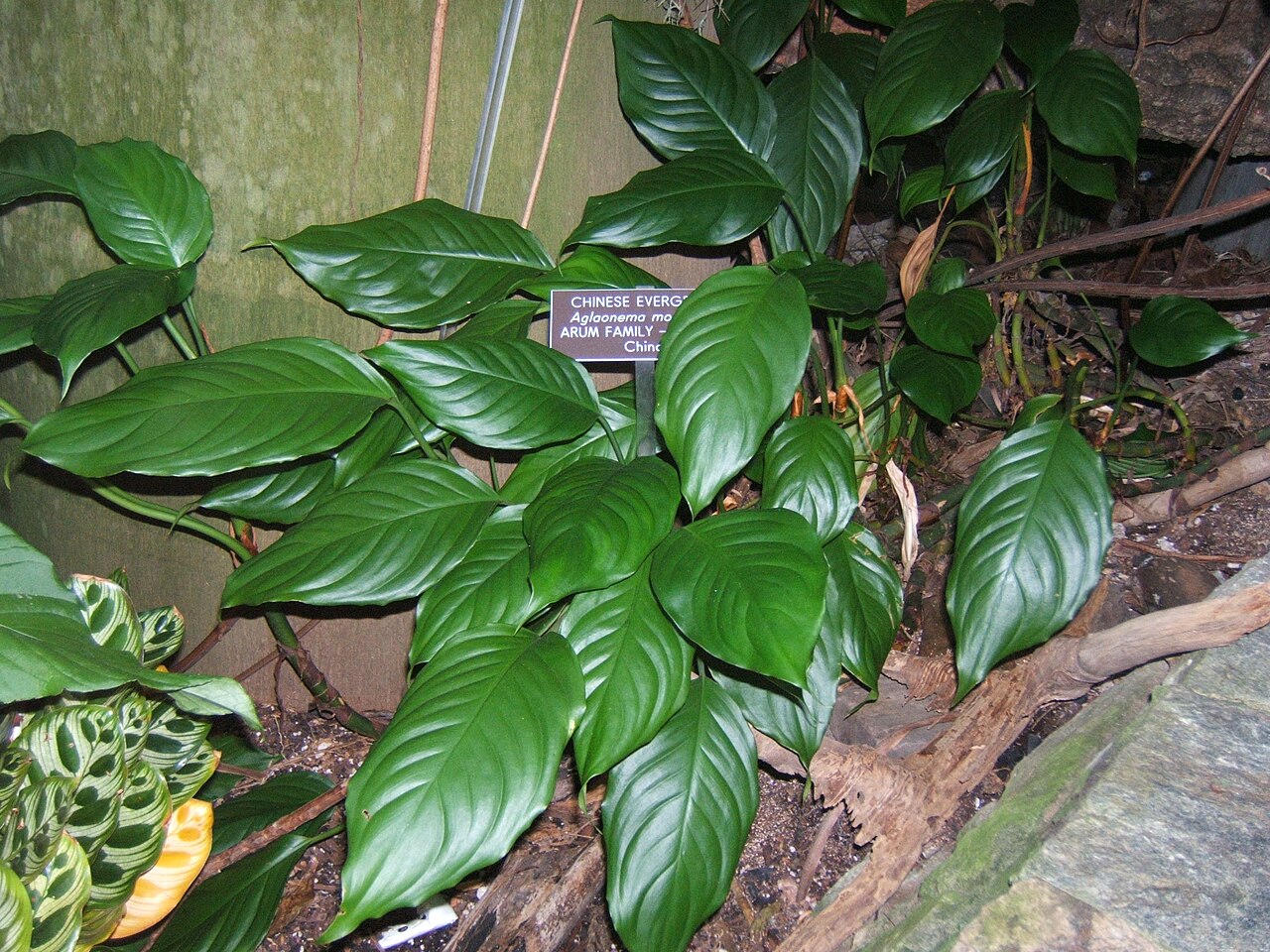
Chinese Evergreen is a popular indoor foliage plant known for its patterned leaves and tolerance of low light conditions. It contains insoluble calcium oxalate crystals that can cause irritation if ingested or chewed.
Potentially toxic for cats & dogs.

Chinese Plumbago is a hardy, flowering perennial shrub known for its vibrant blue flowers and bronze-tinted foliage. It is considered non-toxic to pets, though ingestion of large amounts of plant material may cause minor digestive discomfort.
Generally safe for cats & dogs.
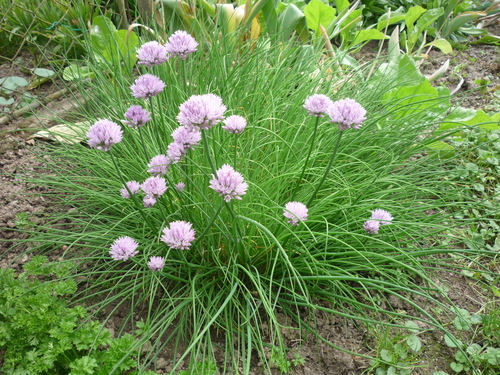
Chives are a popular culinary herb in the onion family that contain compounds capable of damaging red blood cells in pets. Ingestion of any part of the plant can lead to gastrointestinal upset and more serious systemic issues.
Potentially toxic for cats & dogs.
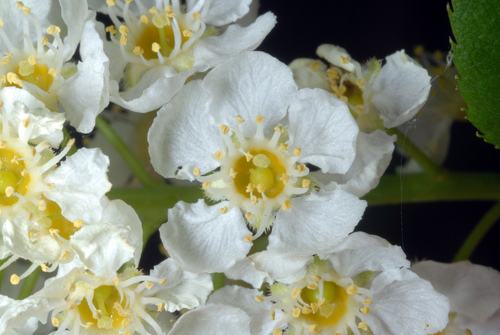
Choke Cherry is a deciduous shrub or small tree known for its clusters of white flowers and dark berries. It contains cyanogenic glycosides which can be harmful if ingested by pets.
Potentially toxic for cats & dogs.
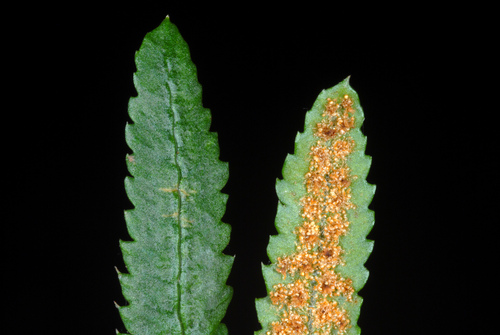
The Christmas Fern is a hardy, evergreen perennial native to North America, prized for its leathery, dark green fronds that remain vibrant throughout the winter months. It is considered safe for households with pets, though its fibrous texture may cause minor digestive discomfort if consumed in large quantities.
Generally safe for cats & dogs.
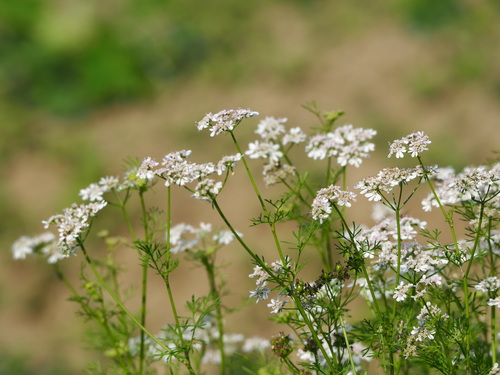
Cilantro is a popular culinary herb widely used in cooking, known for its aromatic, feathery leaves. It is considered safe for pets, though large ingestions may occasionally cause minor digestive discomfort.
Generally safe for cats & dogs.
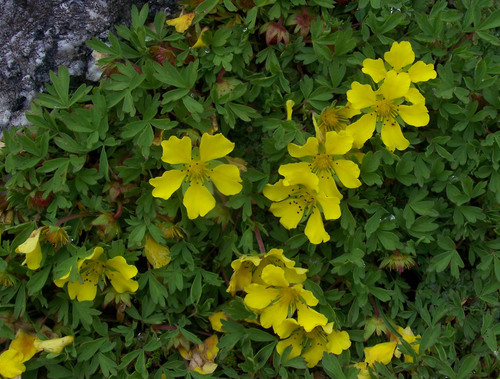
Cinquefoil is a diverse genus of flowering plants in the rose family, commonly found in gardens and wild meadows. While generally considered safe for pets, it is not intended for consumption.
Generally safe for cats & dogs.
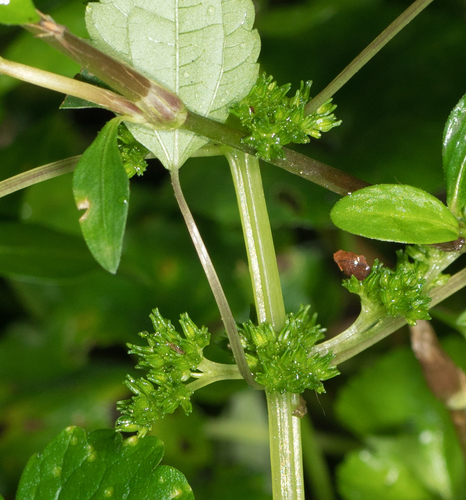
Clearweed is a tender, herbaceous annual plant often found in moist, shaded environments. It is considered non-toxic to pets, though ingestion of large amounts of plant material may cause minor digestive discomfort.
Generally safe for cats & dogs.
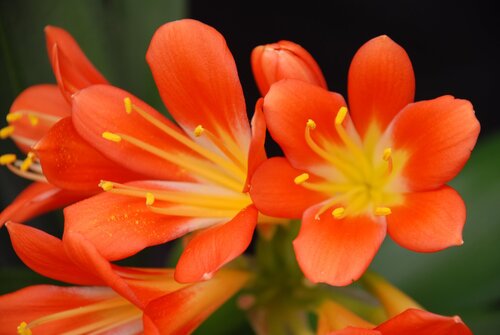
Clivia miniata is a popular flowering houseplant known for its vibrant orange or red clusters of blooms. It contains lycorine and other alkaloids that can cause gastrointestinal distress if ingested by pets.
Potentially toxic for cats & dogs.
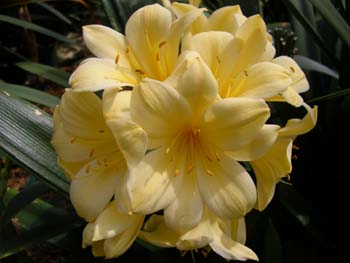
Clivia is a popular, slow-growing shade-loving plant known for its strap-like leaves and vibrant clusters of trumpet-shaped flowers. It contains lycorine and other alkaloids that can cause gastrointestinal distress if ingested by pets.
Potentially toxic for cats & dogs.
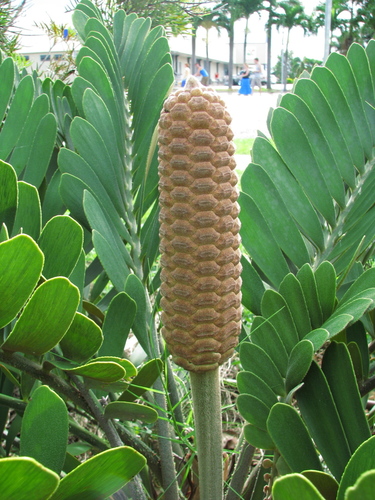
Zamia pumila is a cycad native to the southeastern United States, often grown as an ornamental landscape or container plant. It contains toxic compounds that can cause severe health complications if ingested by pets.
Potentially toxic for cats & dogs.
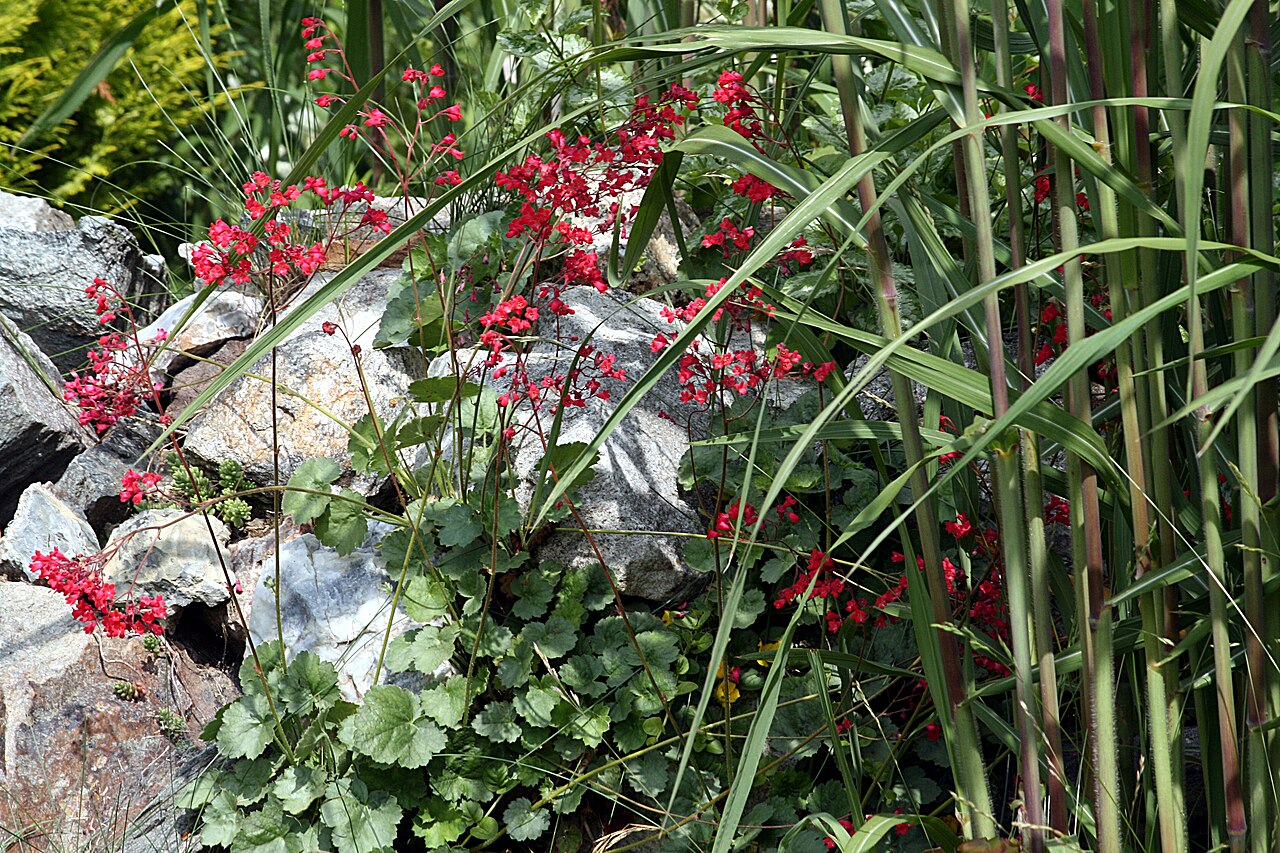
Heuchera sanguinea is a popular perennial garden plant known for its attractive, mounded foliage and delicate, bell-shaped flowers. It is considered safe for households with pets, though large ingestions of fibrous plant material may occasionally cause minor digestive discomfort.
Generally safe for cats & dogs.
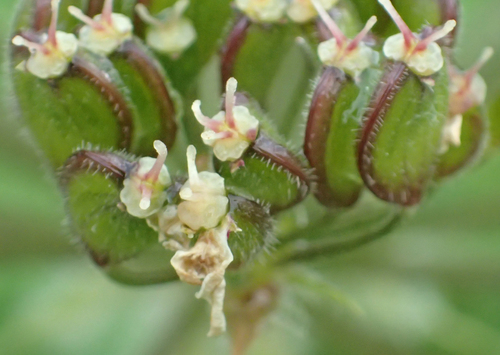
Cow parsnip is a large, herbaceous perennial member of the carrot family known for its tall stature and umbrella-like flower clusters. It contains furanocoumarins that can cause significant skin and mucosal irritation upon contact.
Potentially toxic for cats & dogs.
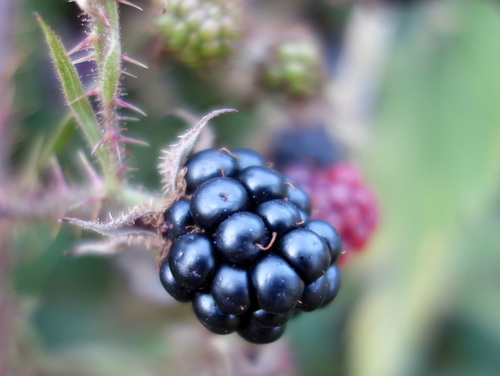
Creeping Rubus is a low-growing, mat-forming perennial groundcover known for its delicate foliage and trailing habit. It is considered non-toxic to pets, though ingestion of large amounts of fibrous plant material may cause mild digestive discomfort.
Uncertain for cats & dogs.
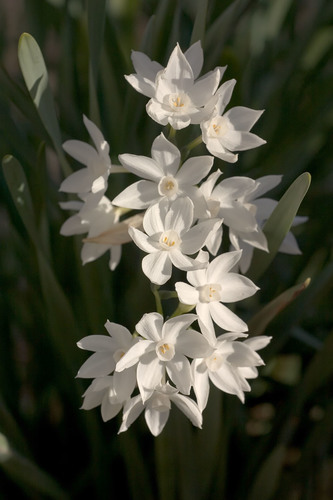
Daffodils are popular spring-flowering bulbs that contain toxic alkaloids, particularly concentrated in the bulb, which can cause significant gastrointestinal distress if ingested. All parts of the plant are considered harmful to pets.
Potentially toxic for cats & dogs.
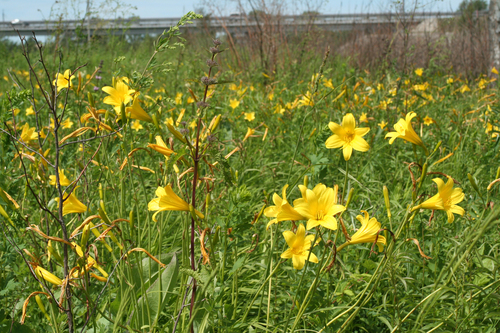
Day lilies are popular garden perennials known for their vibrant, trumpet-shaped blooms. While beautiful, they are highly dangerous to cats and should be kept strictly out of reach.
Potentially toxic for cats.
Uncertain for dogs.
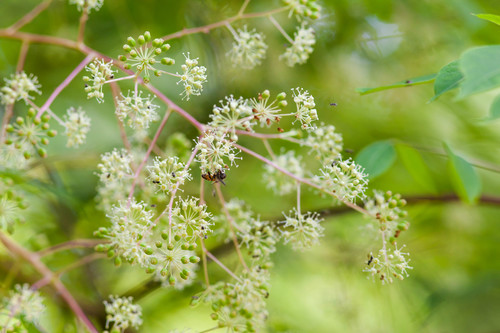
Aralia spinosa is a deciduous shrub or small tree known for its large, compound leaves and spiny stems. It is often found in woodland settings and is considered toxic to pets if ingested.
Potentially toxic for cats & dogs.
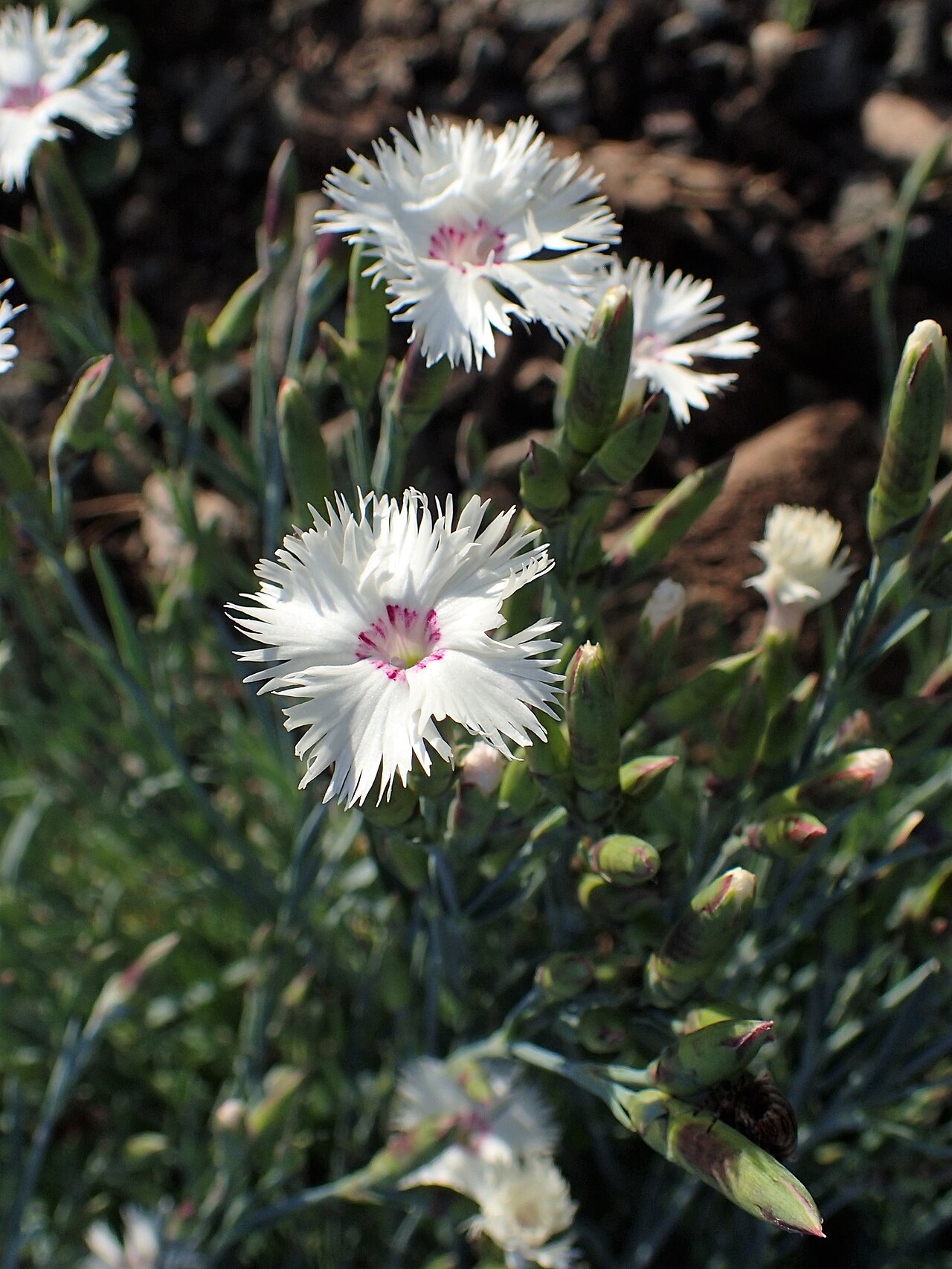
Dianthus species, including the Eastern Star, are popular garden and container plants that contain compounds which can cause gastrointestinal irritation in pets. While generally considered mild, ingestion should be monitored closely.
Potentially toxic for cats & dogs.
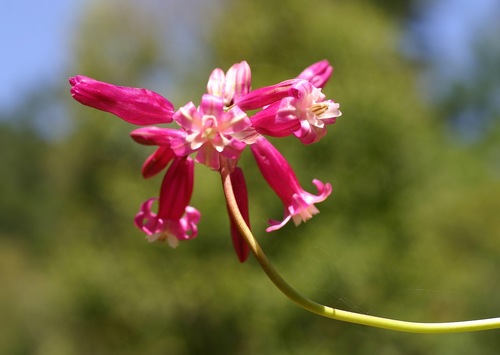
Dichelostemma is a genus of flowering corms in the asparagus family known for their unique, tubular, cluster-forming blooms. They are considered non-toxic to pets, though their fibrous nature may cause minor digestive discomfort if consumed in large quantities.
Uncertain for cats & dogs.
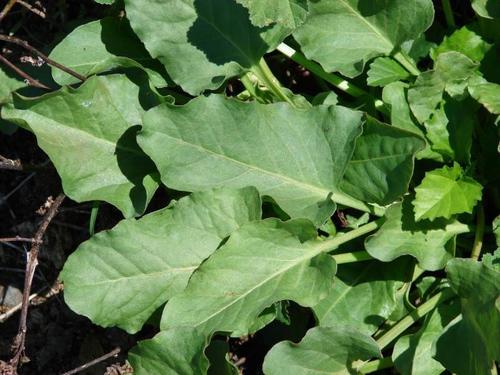
Dock is a genus of perennial herbs often found in fields and gardens that contains soluble calcium oxalates. Ingestion of any part of the plant can cause irritation to the mouth and digestive tract.
Potentially toxic for cats & dogs.
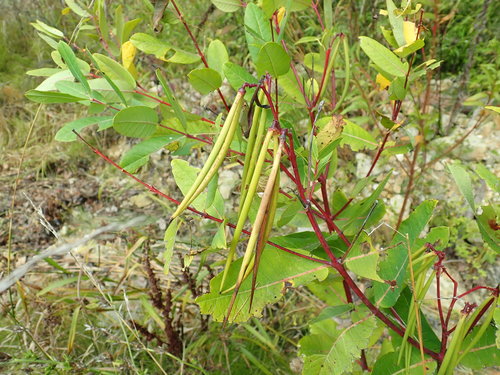
Dogbane is a genus of perennial herbaceous plants known for their milky latex sap and potential toxicity to animals. It is generally considered a wild plant rather than a typical houseplant, but it may be encountered in gardens or naturalized areas.
Potentially toxic for cats & dogs.
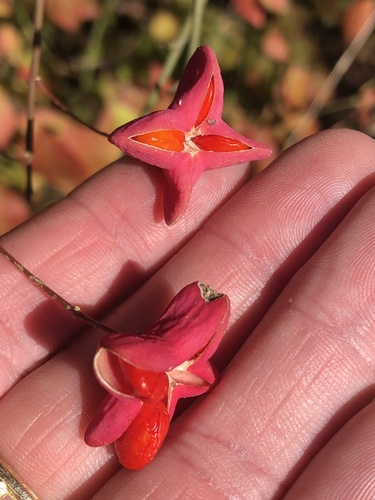
Euonymus atropurpurea is a deciduous shrub known for its vibrant fall foliage and deep red berries. It contains cardiac glycosides which can be harmful if ingested by pets.
Potentially toxic for cats & dogs.
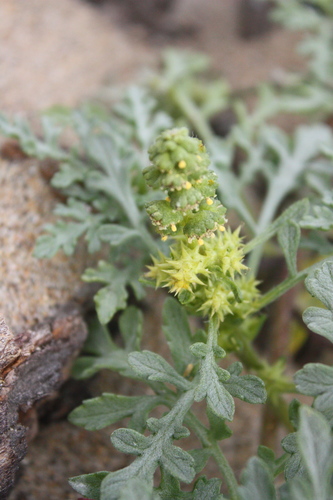
Feather Geranium is an herbaceous plant known for its aromatic, fern-like foliage. It is considered toxic to pets if ingested and should be kept out of reach of cats and dogs.
Potentially toxic for cats & dogs.
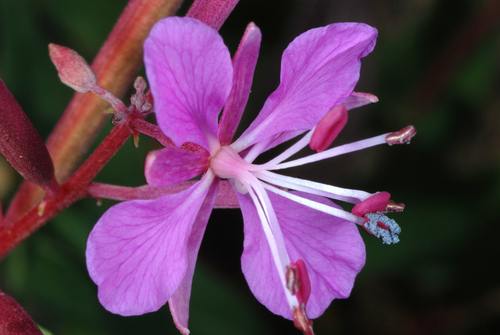
Blooming Sally is a hardy perennial wildflower known for its tall spikes of vibrant pink-purple flowers. It is considered non-toxic to pets, though large ingestions of fibrous plant material may occasionally cause mild digestive upset.
Uncertain for cats & dogs.
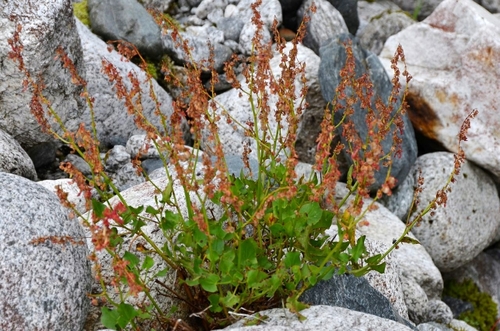
French Sorrel is a perennial herb often grown for its tangy, edible leaves, but it contains soluble calcium oxalates that can be harmful to pets if ingested in quantity. It is characterized by its shield-shaped foliage and low-growing habit.
Potentially toxic for cats & dogs.
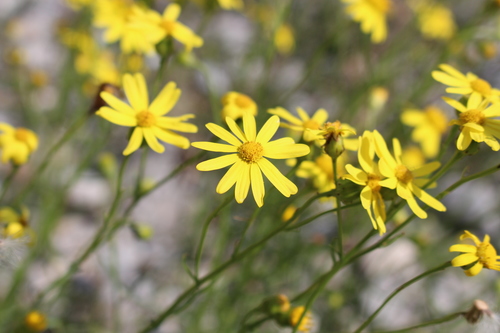
Golden Ragwort is a flowering perennial known for its bright yellow blooms and foliage. It contains pyrrolizidine alkaloids that can cause significant health issues if ingested by pets.
Potentially toxic for cats & dogs.
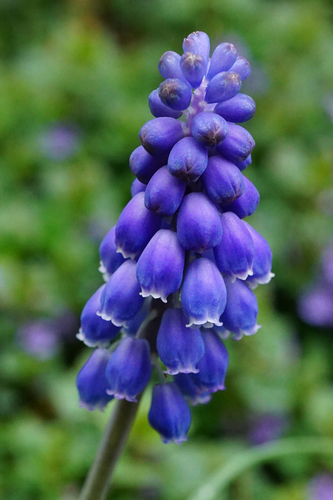
Grape Hyacinth is a popular spring-flowering bulb known for its clusters of small, bell-shaped, fragrant blue flowers. While generally considered safe for pets, it is best to prevent them from digging up or consuming the bulbs.
Generally safe for cats & dogs.
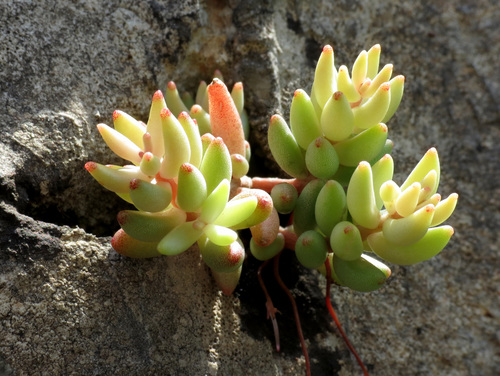
Hardy Baby Tears is a low-growing, succulent groundcover often used in rock gardens and green roofs. It is considered non-toxic to pets, though large ingestions of any plant material may cause minor digestive upset.
Generally safe for cats & dogs.
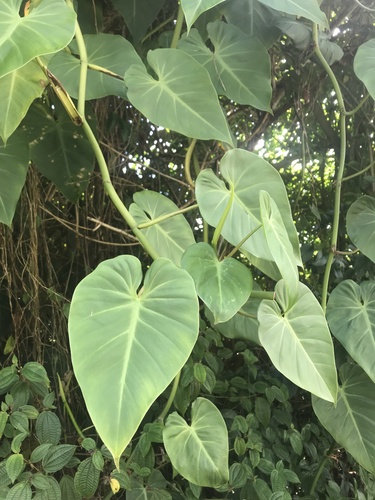
Heartleaf Philodendron is a popular trailing houseplant known for its heart-shaped leaves and ease of care. It contains insoluble calcium oxalate crystals that can cause irritation if ingested by pets.
Potentially toxic for cats & dogs.
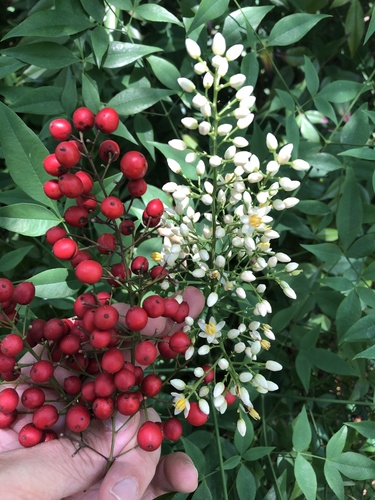
Nandina domestica is an evergreen shrub often grown for its attractive foliage and bright red berries. Despite its common name, it is not a true bamboo and contains cyanogenic glycosides that are harmful if ingested.
Potentially toxic for cats & dogs.
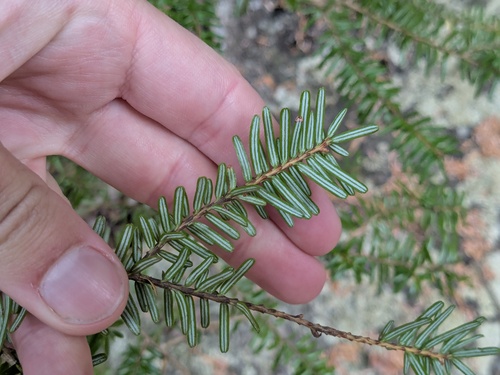
Hemlock trees are coniferous evergreens often used in landscaping. While they are not considered toxic, ingestion of large amounts of plant material may cause minor digestive discomfort due to the fibrous nature of the needles.
Generally safe for cats.
Not yet rated for dogs.
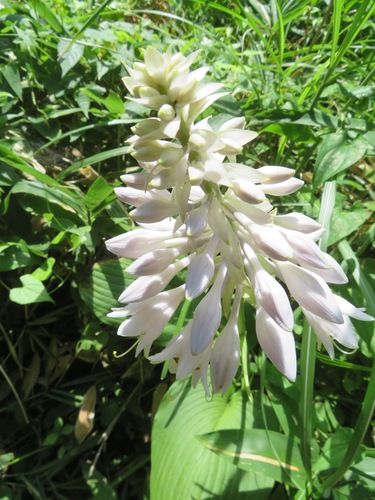
Hosta plantaginea is a popular shade-loving perennial known for its lush, broad foliage and fragrant white flowers. While prized in garden landscapes, it contains saponins that can cause gastrointestinal distress if ingested by pets.
Potentially toxic for cats & dogs.
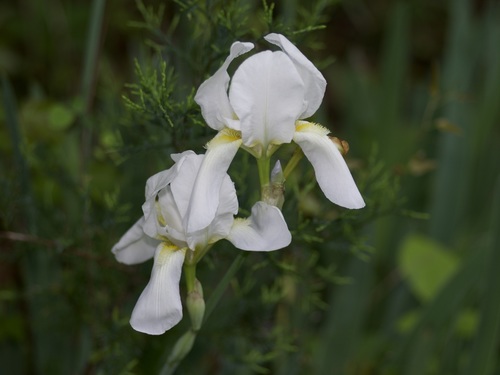
Iris species are popular perennial garden plants known for their showy, complex flowers and sword-like foliage. They contain chemical compounds that can cause gastrointestinal irritation if ingested by pets.
Potentially toxic for cats & dogs.
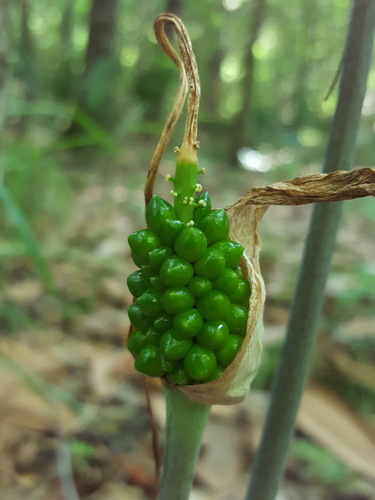
Jack-in-the-pulpit is a woodland perennial known for its unique hooded spathe and spadix structure. It contains insoluble calcium oxalate crystals that cause irritation upon contact or ingestion.
Potentially toxic for cats & dogs.
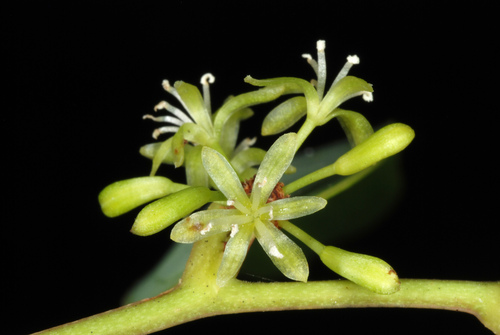
Jackson Brier is a woody, climbing vine known for its lance-shaped leaves and resilience. It is considered non-toxic to household pets, though its fibrous nature may cause mild digestive discomfort if consumed in large quantities.
Generally safe for cats & dogs.
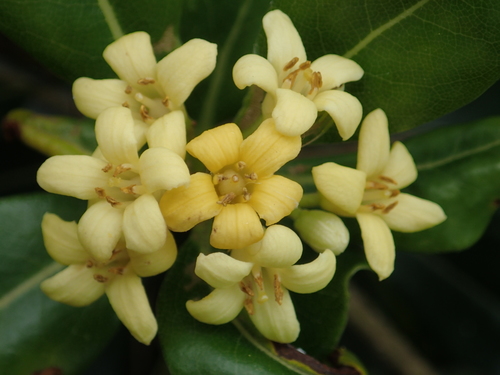
Japanese Mock Orange is a popular evergreen shrub known for its fragrant, citrus-like flowers and glossy, leathery foliage. It is considered safe for households with pets, though large ingestions of plant material may cause minor digestive discomfort.
Not yet rated for cats.
Generally safe for dogs.
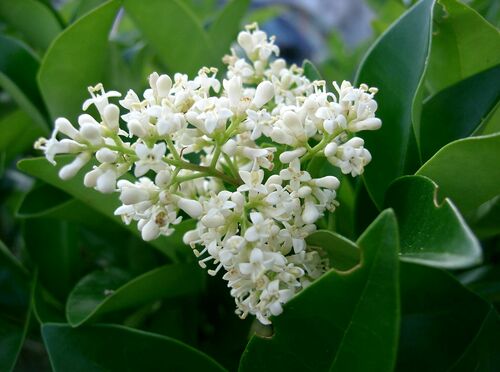
Ligustrum japonicum is a popular evergreen shrub often used for hedging, but it contains compounds that can cause gastrointestinal distress if ingested. It is considered toxic to both cats and dogs.
Potentially toxic for cats & dogs.
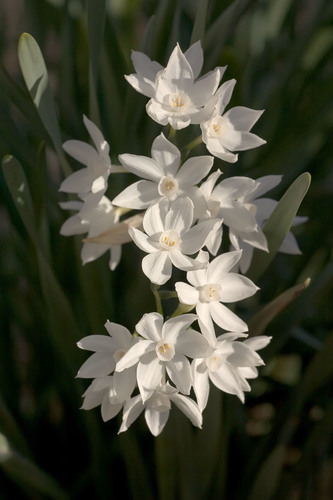
The jonquil is a bulbous perennial known for its fragrant, clustered yellow flowers and grass-like foliage. It contains alkaloids that can cause significant gastrointestinal distress if ingested by pets.
Potentially toxic for cats & dogs.
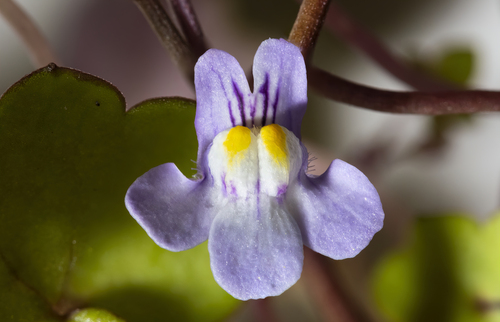
Kenilworth Ivy is a delicate, trailing perennial often found growing in rock walls or as a ground cover. It is considered non-toxic to pets, though large ingestions of any fibrous plant material may cause minor digestive upset.
Generally safe for cats & dogs.

The Lady Palm is a popular, slow-growing indoor palm known for its fan-shaped fronds and adaptability to low-light environments. It is considered non-toxic to pets, though ingestion of any plant material can occasionally cause minor digestive discomfort.
Generally safe for cats & dogs.
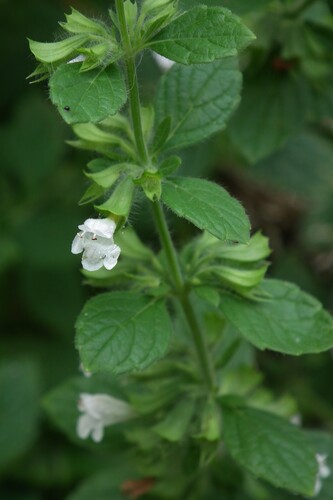
Lemon Balm is a fragrant, perennial herb in the mint family often grown for its culinary and medicinal uses. It is generally considered safe for pets, though large ingestions of fibrous plant material may cause minor digestive discomfort.
Generally safe for cats & dogs.
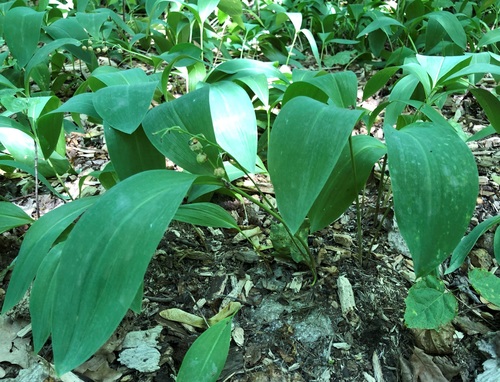
Lily of the Valley is a popular spring-flowering perennial known for its fragrant, bell-shaped white flowers. It contains cardiac glycosides that are highly toxic to pets if ingested.
Potentially toxic for cats & dogs.
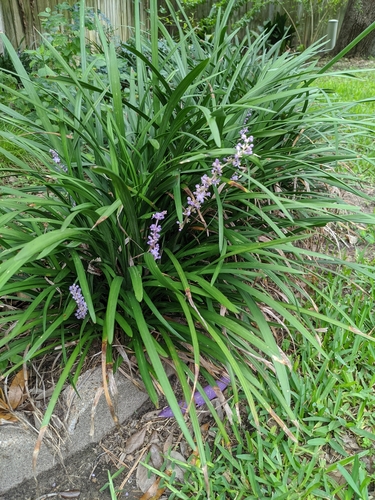
Lilyturf is a popular, grass-like perennial often used as a groundcover in landscaping and container gardens. While it is considered non-toxic, ingestion of large amounts of fibrous plant material may cause minor digestive discomfort in pets.
Not yet rated for cats.
Not yet rated for dogs.
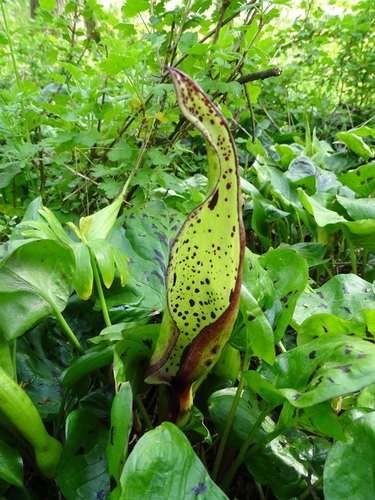
Arum maculatum is a tuberous perennial plant known for its distinct hooded spathe and bright red berries. It contains insoluble calcium oxalate crystals that cause immediate irritation upon contact with tissues.
Potentially toxic for cats & dogs.
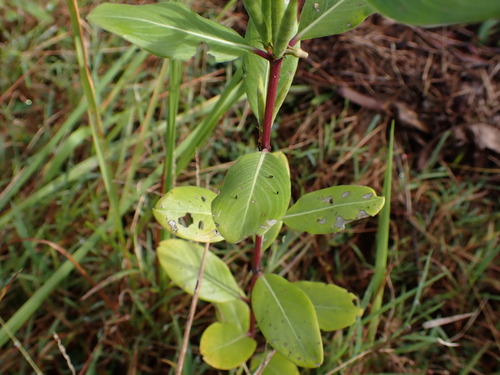
Catharanthus roseus is a flowering plant known for its vibrant blooms, but it contains alkaloids that are harmful if ingested by pets. It is commonly grown as an annual bedding plant or a container specimen.
Potentially toxic for cats & dogs.
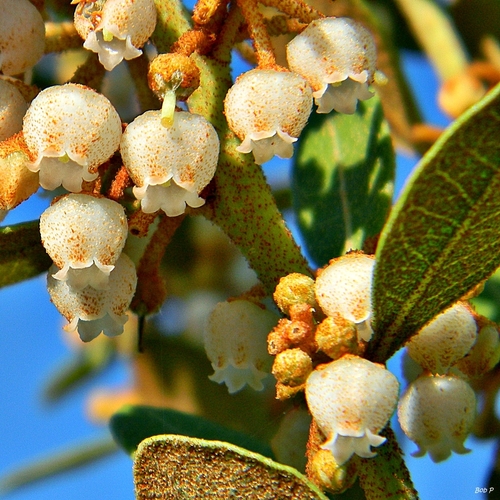
Maleberry is a deciduous shrub in the heath family known for its clusters of small, bell-shaped flowers. It contains grayanotoxins, which can cause significant illness if ingested by pets.
Potentially toxic for cats & dogs.
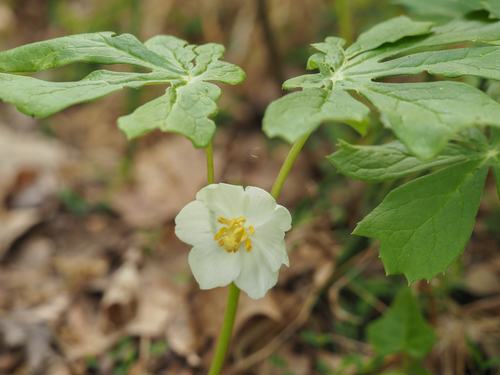
American Mandrake is a perennial woodland plant known for its umbrella-like leaves and single white flower. It contains podophyllotoxin, which is highly irritating and potentially dangerous if ingested by pets.
Potentially toxic for cats & dogs.
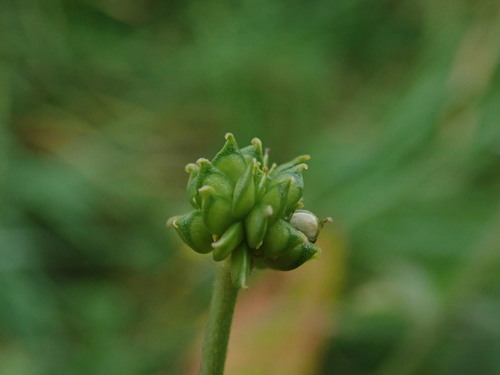
Ranunculus acris is a perennial herbaceous plant known for its bright yellow flowers and presence in meadows. It contains compounds that can cause irritation upon contact or ingestion.
Potentially toxic for cats & dogs.
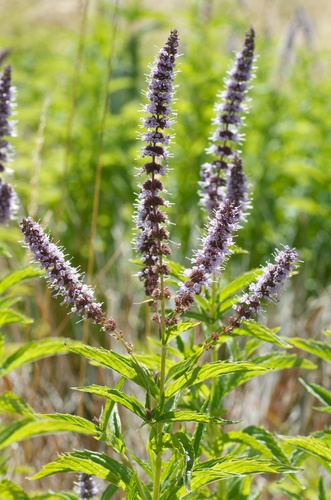
Mint is a popular aromatic herb known for its rapid growth and fragrant foliage. While commonly used in human culinary applications, it contains essential oils that can cause gastrointestinal distress in pets.
Potentially toxic for cats & dogs.
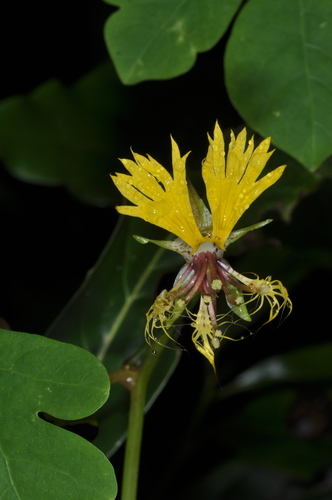
Nasturtium is a popular, fast-growing annual known for its edible, peppery-flavored flowers and rounded leaves. It is widely considered safe for household pets, though large ingestions of fibrous plant material may occasionally cause mild digestive upset.
Generally safe for cats & dogs.
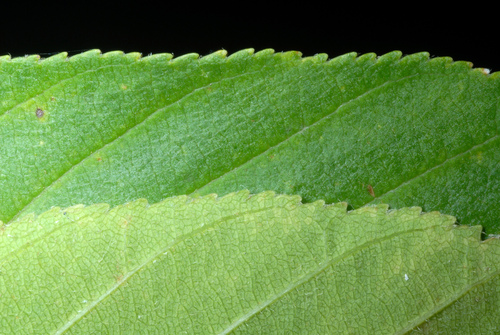
The Horse Chestnut is a deciduous tree known for its distinctive palmately compound leaves and spiky seed pods. All parts of the plant, particularly the seeds and leaves, contain saponins and glycosides that are harmful if ingested.
Potentially toxic for cats & dogs.
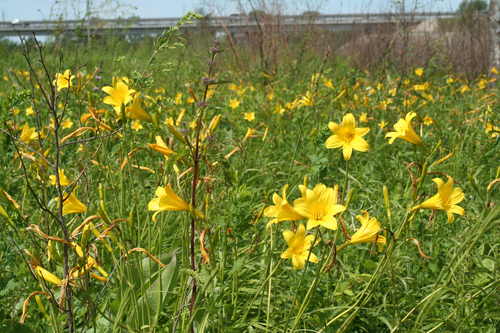
The Orange Day Lily is a perennial flowering plant known for its vibrant, trumpet-shaped blooms. While popular in gardens, it is highly dangerous to cats if ingested.
Potentially toxic for cats.
Uncertain for dogs.
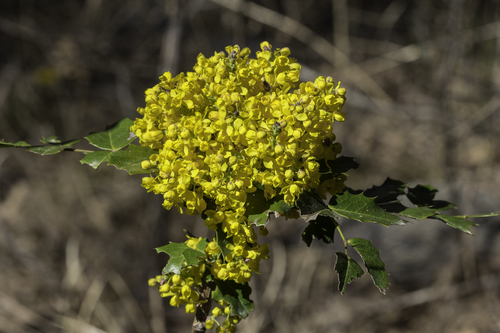
Oregon Grape is a hardy evergreen shrub known for its holly-like leaves and clusters of yellow flowers followed by dark blue berries. It is generally considered safe for household pets, though ingestion of large amounts of plant material may cause minor digestive discomfort.
Generally safe for cats & dogs.
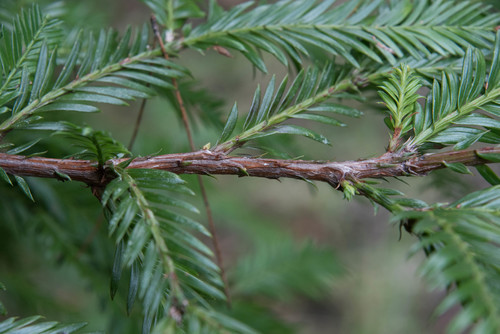
The Pacific Yew is an evergreen conifer containing taxine alkaloids that are highly poisonous to most animals. Ingestion of any part of the plant, especially the needles and seeds, can lead to severe systemic distress.
Potentially toxic for cats & dogs.
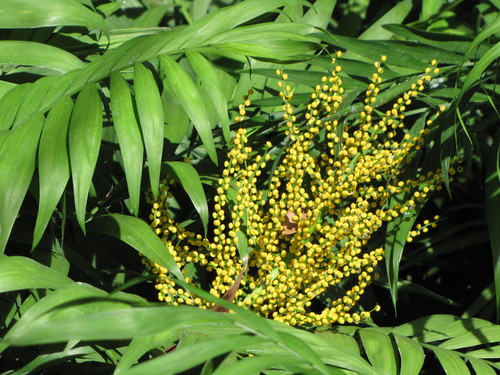
The Bamboo Palm is a popular, slow-growing indoor palm known for its elegant, feathery fronds and ability to thrive in lower light conditions. It is considered a safe choice for households with pets, though its fibrous nature may cause minor digestive discomfort if consumed in large quantities.
Not yet rated for cats.
Generally safe for dogs.
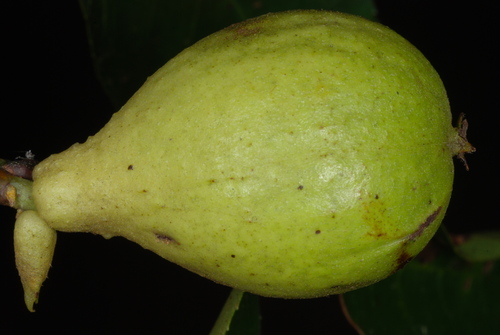
Pignut Hickory is a native North American hardwood tree known for its dense wood and small, pear-shaped nuts. It is generally considered safe for pets, though ingestion of large amounts of fibrous plant material may cause minor digestive discomfort.
Not yet rated for cats.
Generally safe for dogs.
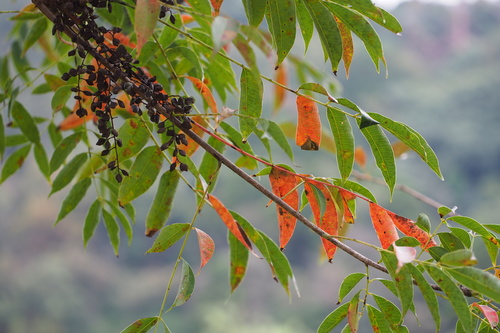
Poison Ivy is a woody vine or shrub known for causing contact dermatitis in humans due to urushiol oil. While not systemically toxic to pets, ingestion of large amounts of fibrous plant material may cause mild gastrointestinal irritation.
Generally safe for cats.
Not yet rated for dogs.
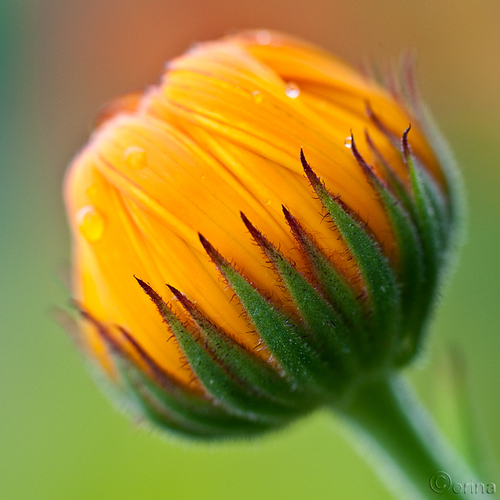
Pot Marigold is a popular flowering annual known for its bright, daisy-like blooms and culinary uses. It is considered safe for pets, though large ingestions of plant material may cause minor digestive discomfort.
Generally safe for cats & dogs.
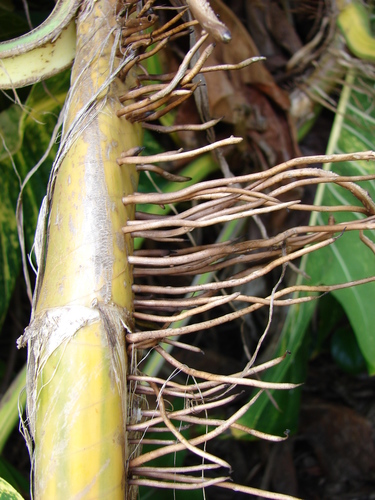
Devil's Ivy is a popular trailing houseplant known for its heart-shaped leaves and ease of care. It contains insoluble calcium oxalate crystals that can cause irritation if ingested by pets.
Potentially toxic for cats & dogs.
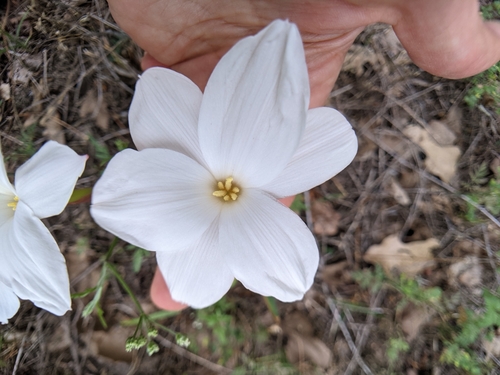
Prairie Lily is a charming bulbous perennial known for its delicate, trumpet-shaped flowers that often bloom following rainfall. It is considered non-toxic to household pets, though its fibrous nature may cause minor digestive discomfort if consumed in large quantities.
Not yet rated for cats.
Generally safe for dogs.
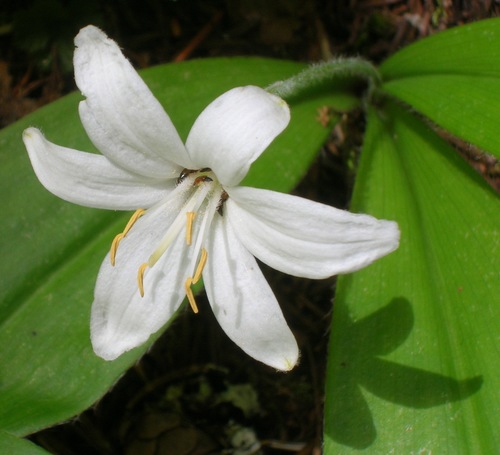
Clintonia uniflora is a perennial wildflower native to western North America, known for its single white, star-shaped flower and glossy, basal leaves. It is generally considered a non-toxic plant, though ingestion of any non-food plant material can cause minor digestive discomfort in pets.
Uncertain for cats & dogs.
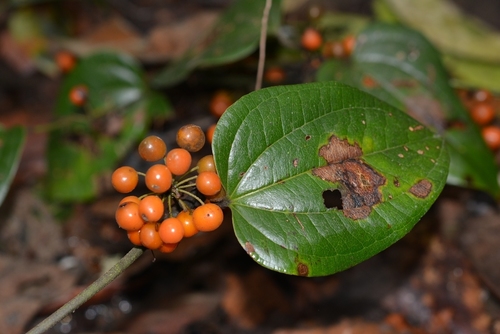
Red Berried Greenbrier is a woody, climbing vine native to the southeastern United States, often recognized by its clusters of bright red berries and thorny stems. It is considered non-toxic to pets, though its fibrous nature may cause minor digestive discomfort if consumed in large quantities.
Generally safe for cats & dogs.
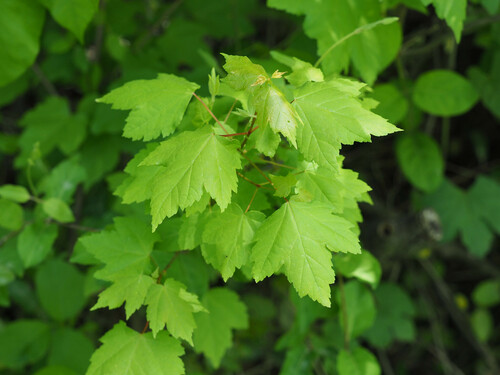
The Red Maple is a popular deciduous tree known for its vibrant fall foliage and rapid growth. While generally considered safe for pets, ingestion of large amounts of fibrous plant material may cause minor digestive discomfort.
Generally safe for cats & dogs.
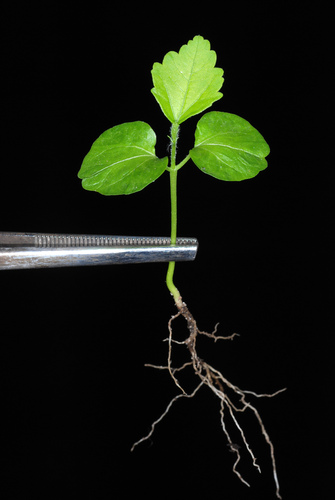
Rose of Sharon is a popular flowering shrub known for its large, showy blooms and hardy nature. While generally considered non-toxic, it is always best to prevent pets from consuming large amounts of plant material.
Generally safe for cats & dogs.
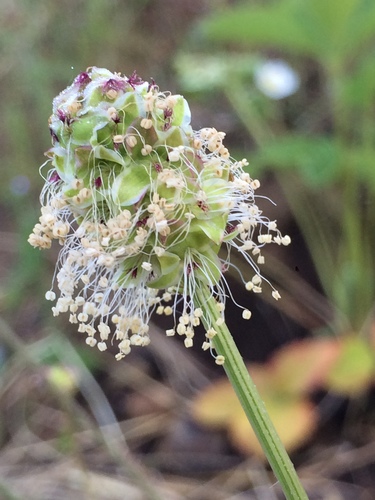
Salad Burnet is a perennial herb known for its cucumber-flavored leaves often used in culinary applications. It is considered safe for household pets, though large ingestions of fibrous plant material may occasionally cause minor digestive upset.
Generally safe for cats & dogs.
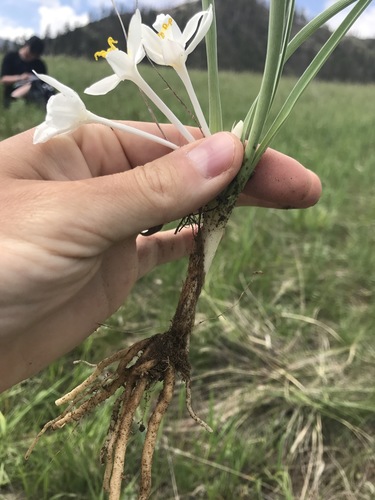
The Sand Lily is a low-growing, perennial wildflower native to the western United States, known for its fragrant, star-shaped white flowers. It is considered non-toxic to household pets, though its fibrous nature may cause minor digestive discomfort if consumed in large quantities.
Uncertain for cats & dogs.
Sawbrier is a woody, climbing vine native to North America, often recognized by its glaucous, blue-green foliage and occasional thorns. It is considered non-toxic to pets, though its fibrous nature may cause minor digestive discomfort if consumed in large quantities.
Generally safe for cats & dogs.
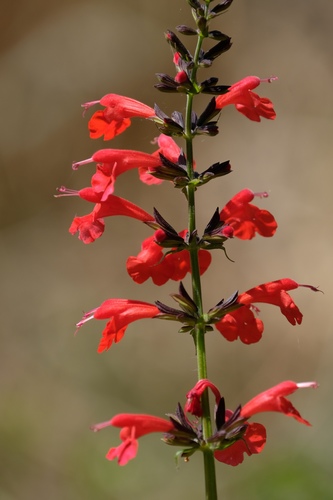
Scarlet Sage is a popular, vibrant flowering plant often grown in gardens for its spikes of tubular red flowers. It is considered non-toxic to pets, though ingestion of large amounts of fibrous plant material may cause minor digestive discomfort.
Generally safe for cats & dogs.
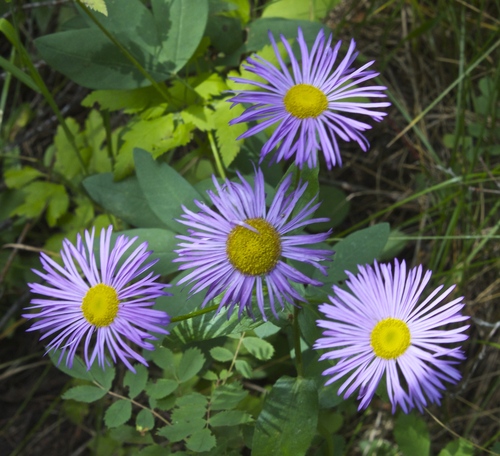
Erigeron speciosus is a perennial flowering plant in the daisy family known for its showy, lavender-blue blooms. While popular in gardens, it is considered toxic to household pets if ingested.
Potentially toxic for cats & dogs.
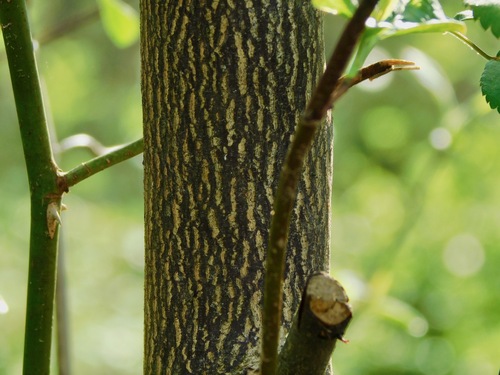
Silver Bell is a beautiful deciduous flowering tree known for its delicate, bell-shaped white flowers that appear in spring. It is considered non-toxic to pets, though ingestion of large amounts of plant material may cause minor digestive discomfort.
Generally safe for cats & dogs.
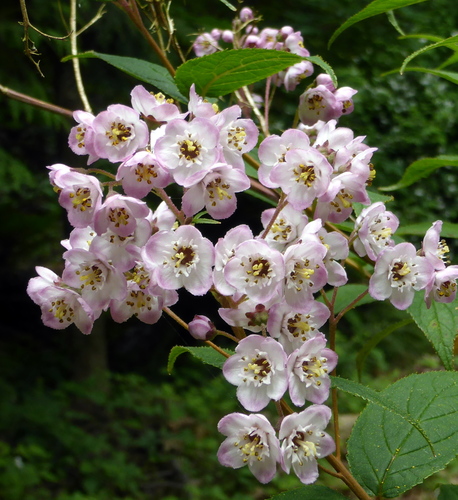
Slender Deutzia is a deciduous flowering shrub known for its delicate, bell-shaped white flowers that bloom in late spring. It is generally considered safe for household pets, though its fibrous nature may cause minor digestive discomfort if consumed in large quantities.
Generally safe for cats & dogs.
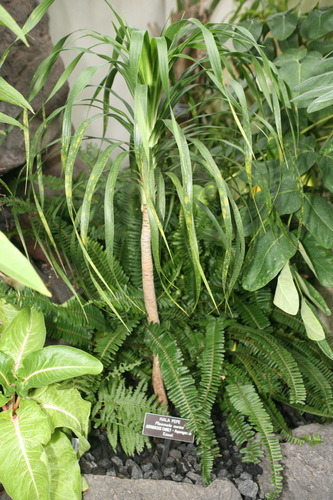
Dracaena trifasciata is a popular, hardy houseplant known for its stiff, sword-like leaves with striking yellow margins. It is widely appreciated for its air-purifying qualities and ability to thrive in various indoor conditions.
Potentially toxic for cats & dogs.
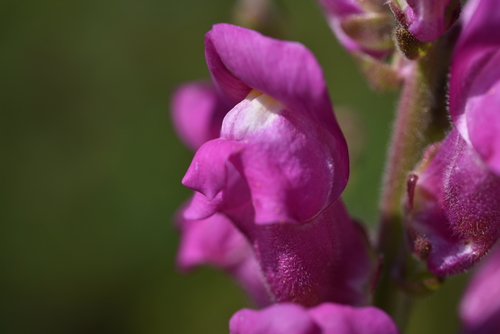
Snapdragons are popular, colorful garden annuals known for their unique, dragon-shaped blooms. They are considered non-toxic to pets, though ingestion of large amounts of plant material may cause mild digestive upset.
Generally safe for cats & dogs.
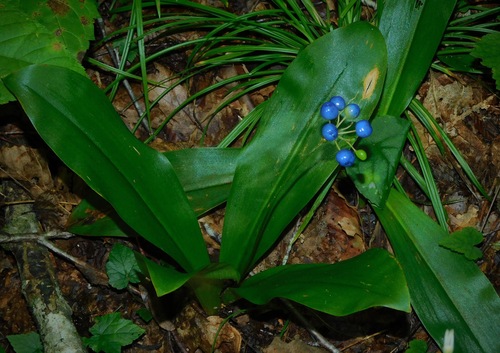
Speckled Wood Lily is a woodland perennial known for its clusters of white, speckled flowers and broad, basal leaves. It is considered non-toxic to pets, though large ingestions of fibrous plant material may cause minor digestive discomfort.
Uncertain for cats & dogs.
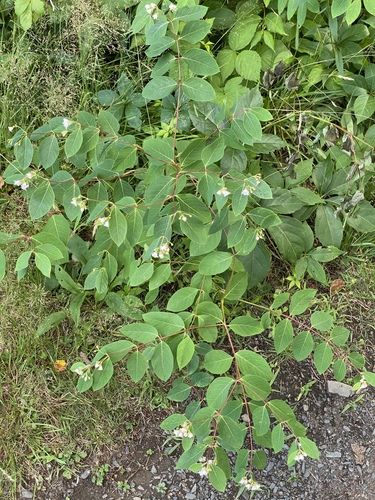
Bitter Root is a perennial herbaceous plant known for its pink, bell-shaped flowers and milky sap. It contains cardiac glycosides that are harmful if ingested by pets.
Potentially toxic for cats & dogs.
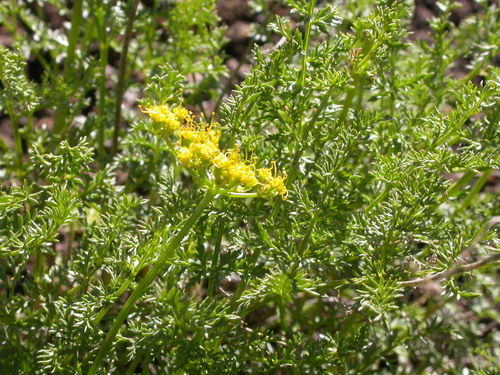
Spring Parsley is a low-growing perennial herb native to the western United States, often found in rocky, arid environments. It is considered toxic to pets if ingested and should be kept out of reach.
Potentially toxic for cats & dogs.

St. Bernard's Lily is a hardy, grass-like perennial known for its elegant, star-shaped white flowers that bloom in late spring and early summer. It is considered safe for households with pets, though large ingestions of fibrous plant material may cause minor digestive discomfort.
Uncertain for cats & dogs.
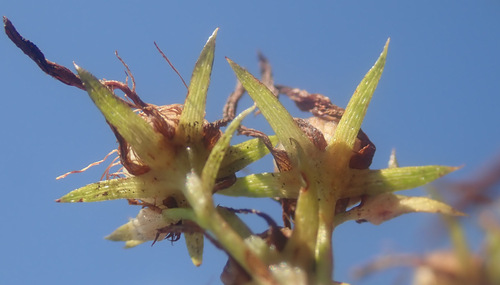
Klamath Weed is a perennial flowering plant known for its bright yellow blooms and medicinal history, but it contains compounds that can cause significant health issues if ingested by pets. It is widely recognized as a toxic plant that requires careful management in households with animals.
Potentially toxic for cats & dogs.
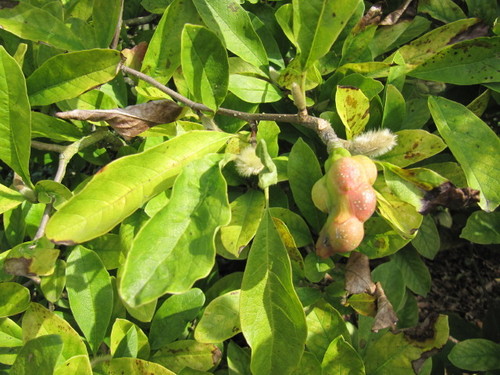
Star Magnolia is a popular deciduous shrub known for its early spring star-shaped flowers. It is considered non-toxic to pets, though ingestion of large amounts of fibrous plant material may cause mild digestive discomfort.
Generally safe for cats & dogs.
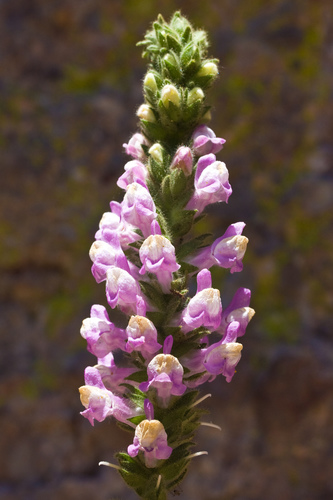
Antirrhinum multiflorum is a perennial wildflower native to California, known for its sticky, glandular foliage and tubular flowers. It is considered non-toxic to household pets, though ingestion of large amounts of plant material may cause minor digestive discomfort.
Generally safe for cats & dogs.
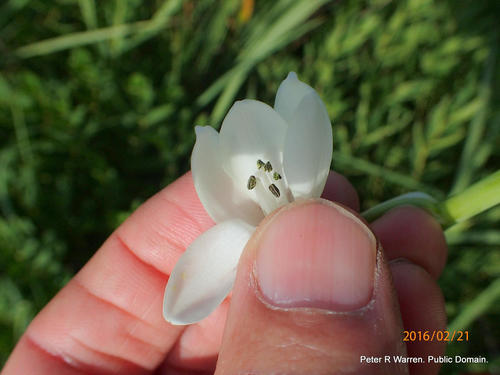
Summer Hyacinth is a bulbous perennial known for its tall, fragrant, bell-shaped white flowers that bloom in late summer. It is considered non-toxic to pets, though ingestion of any plant material can occasionally cause minor digestive upset.
Generally safe for cats & dogs.
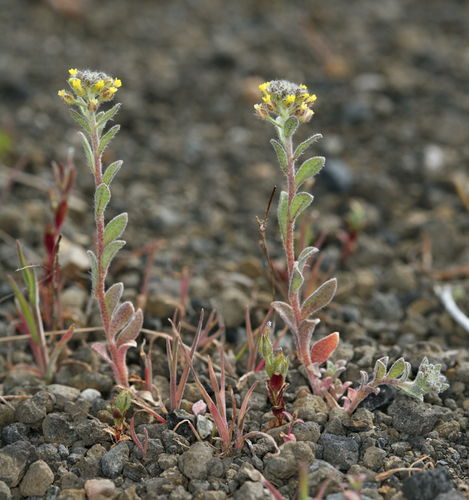
Alyssum is a popular, fragrant flowering plant often used in garden beds and containers. It is considered non-toxic to pets, though ingestion of large amounts of plant material may cause mild digestive upset.
Generally safe for cats & dogs.
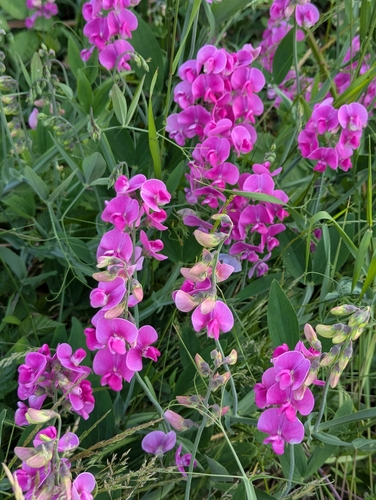
The Sweet Pea is a popular flowering vine known for its fragrant, colorful blooms. While generally considered non-toxic, it is not intended for consumption and may cause mild digestive discomfort if large amounts are ingested.
Generally safe for cats & dogs.
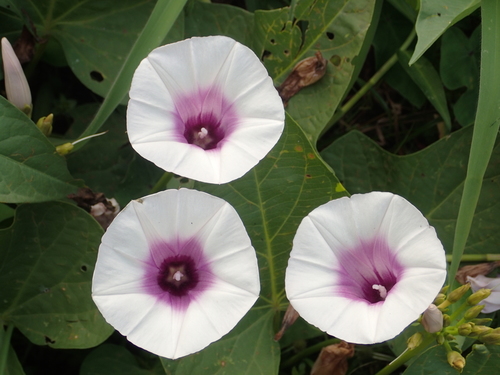
Sweet Potato Vine is a popular ornamental foliage plant known for its vibrant, trailing leaves. While generally considered safe for pets, it is best to prevent them from grazing on the foliage to avoid minor digestive discomfort.
Potentially toxic for cats & dogs.
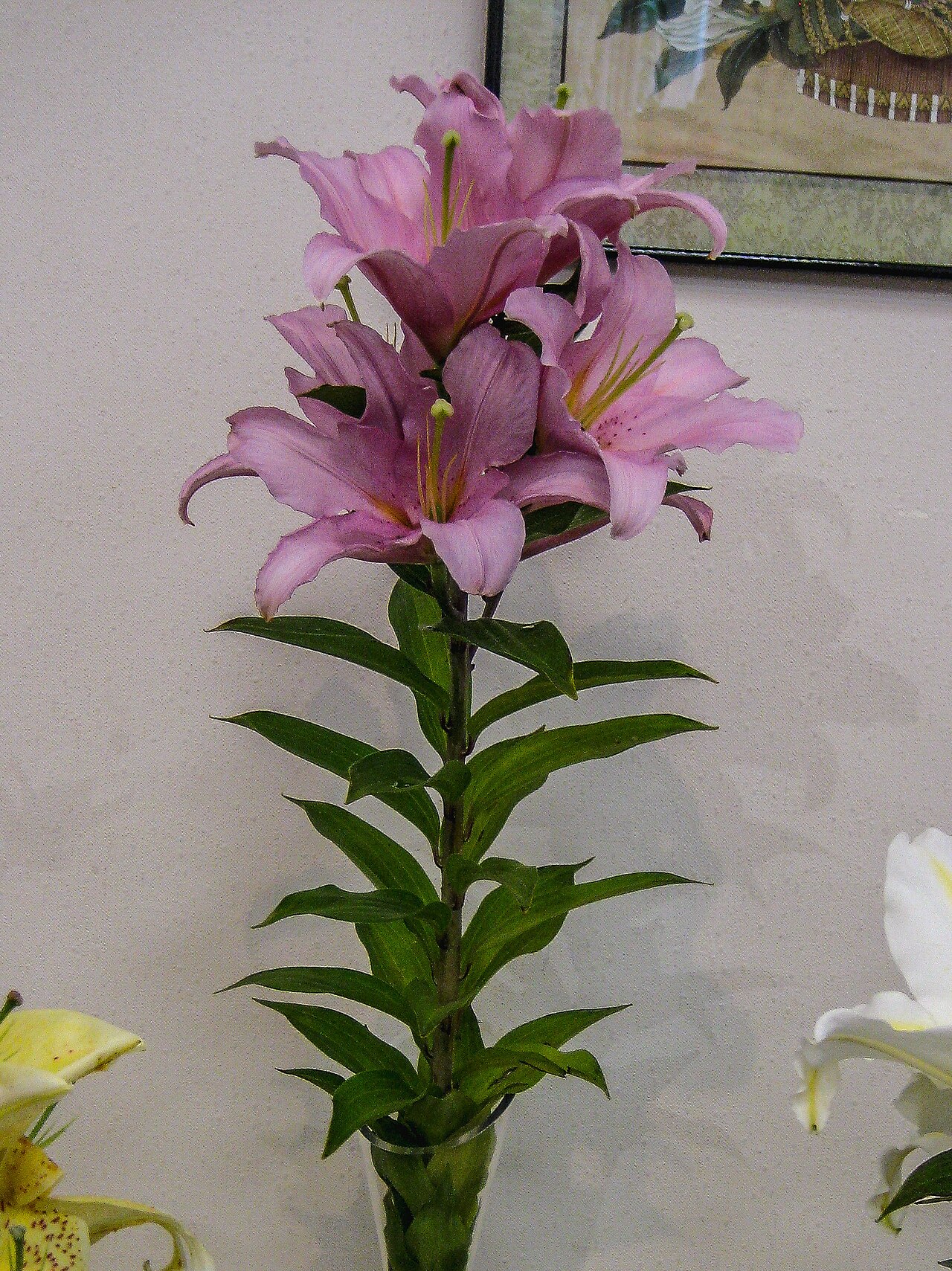
The Tiger Lily is a bulbous perennial known for its striking orange, spotted flowers. It is highly dangerous to cats, as all parts of the plant can cause severe health complications.
Potentially toxic for cats.
Uncertain for dogs.
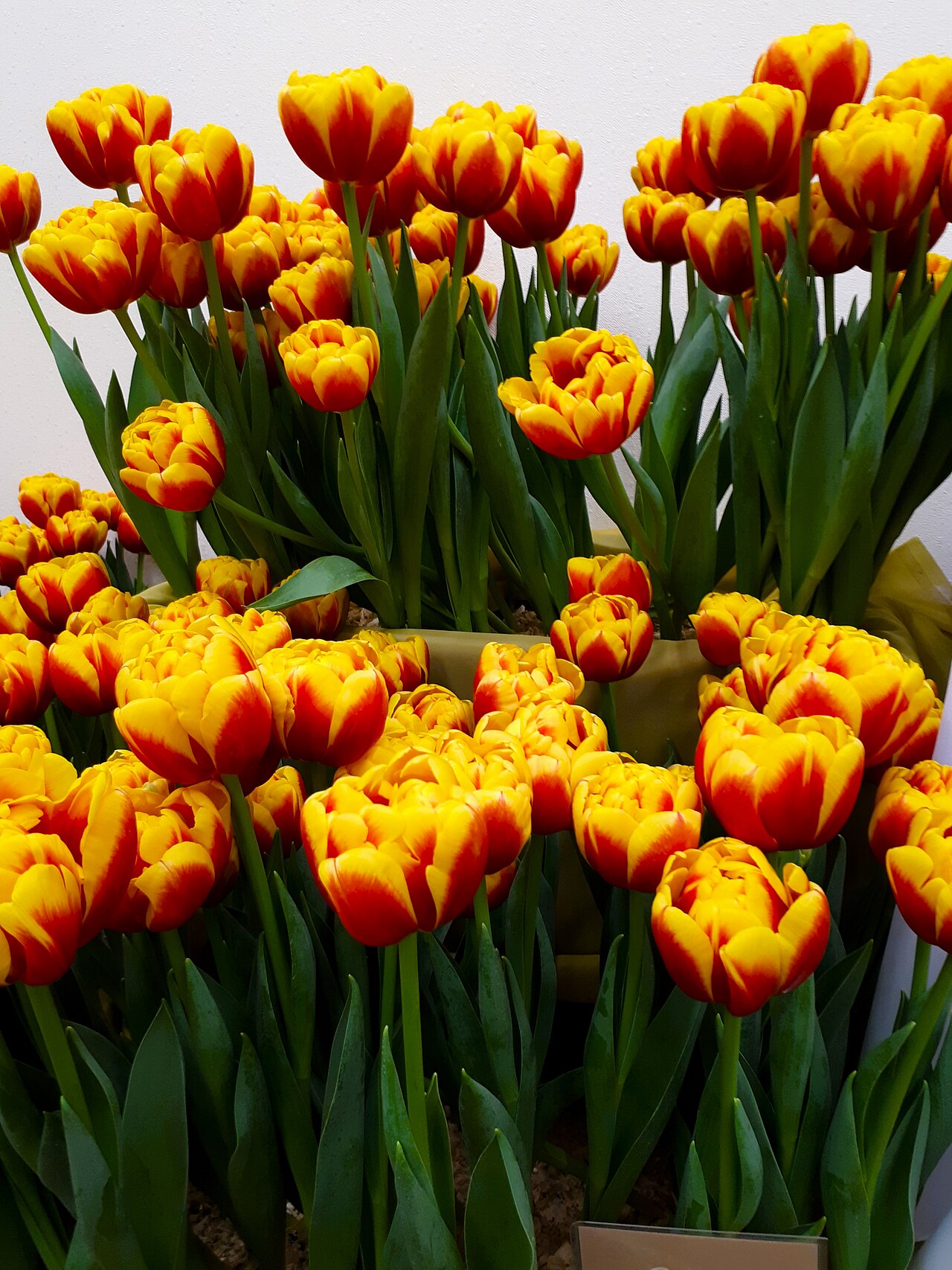
Tulips are popular spring-flowering bulbs that contain allergenic lactones, primarily concentrated in the bulb, which can cause irritation if ingested. While the entire plant is considered toxic, the bulb is the most potent part.
Potentially toxic for cats & dogs.
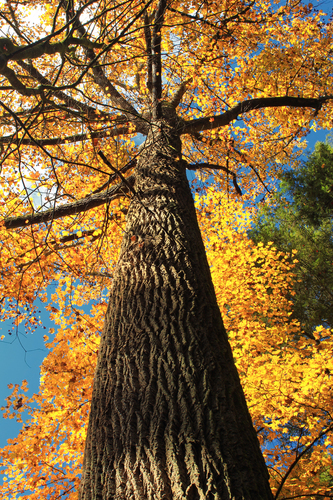
The Tulip Poplar is a large, fast-growing deciduous tree known for its distinct tulip-shaped leaves and showy flowers. While generally considered safe for pets, it is not a food source and should not be encouraged as a chew toy.
Generally safe for cats & dogs.
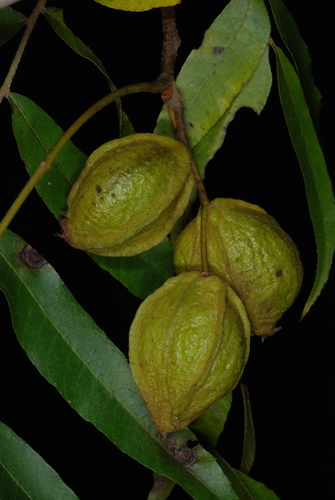
Carya aquatica is a deciduous tree native to wetlands, known for its bitter, inedible nuts and compound leaves. It is considered non-toxic to household pets, though ingestion of large amounts of plant material may cause minor digestive discomfort.
Generally safe for cats & dogs.
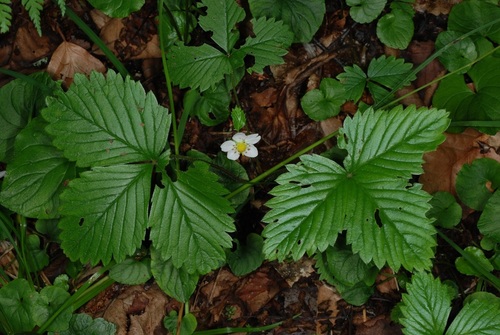
Wild Strawberry is a low-growing, perennial groundcover known for its small, edible fruits and trifoliate leaves. It is considered non-toxic to pets, though ingestion of large amounts of fibrous plant material may cause minor digestive discomfort.
Generally safe for cats & dogs.
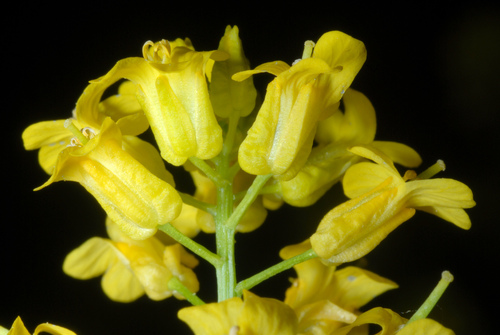
Yellowrocket is a hardy, flowering biennial herb often found in fields and gardens. While it is considered non-toxic to pets, ingestion of large amounts of fibrous plant material may cause mild gastrointestinal upset.
Uncertain for cats & dogs.
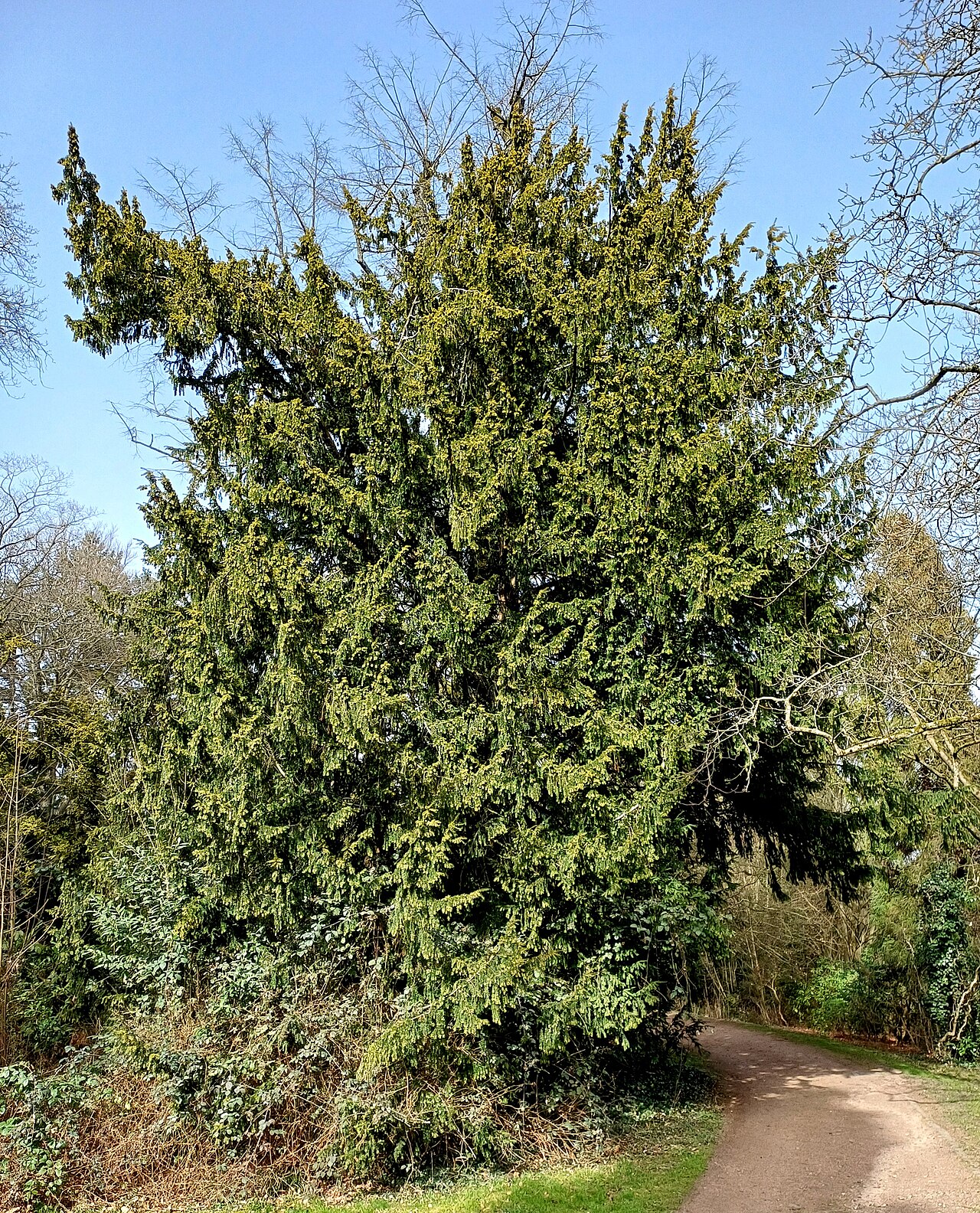
Yew is a genus of evergreen conifers known for their high toxicity due to the presence of taxine alkaloids. All parts of the plant, including needles and seeds, are considered dangerous if ingested.
Potentially toxic for cats & dogs.