Cats & Dogs
Generally safeConsulted references do not classify the plant as toxic for that pet type, while still allowing for mild GI upset if large amounts are chewed.
Verified against ASPCA/provenance audit 2026-05-06 on May 6, 2026.
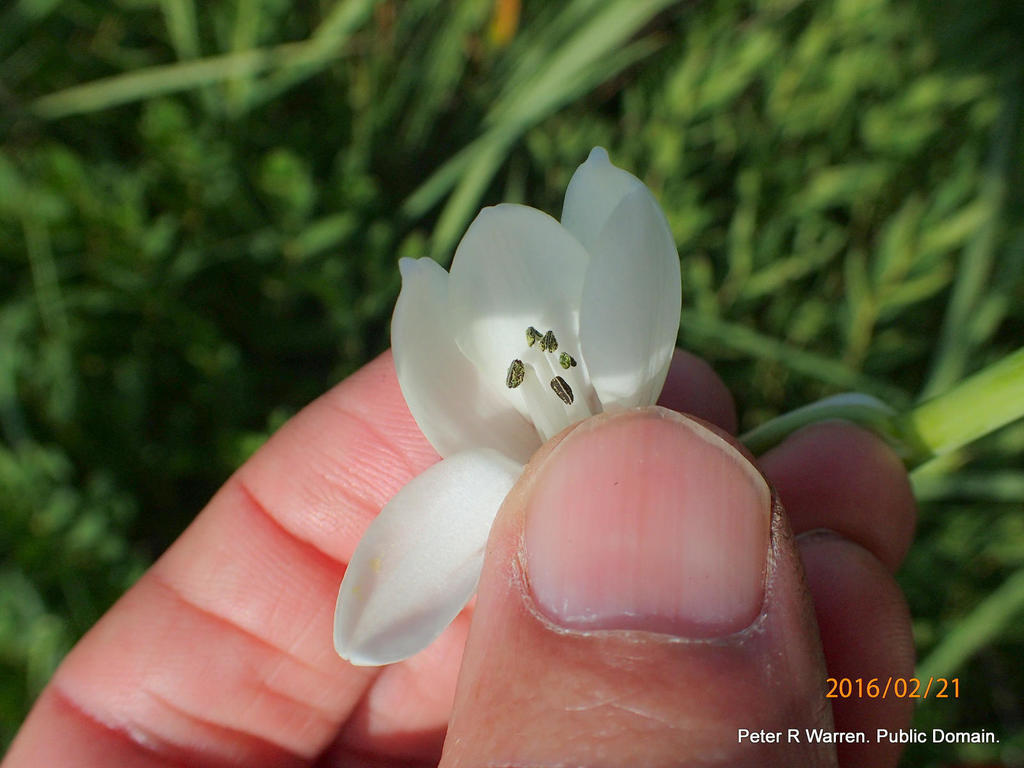
Galtonia candicans
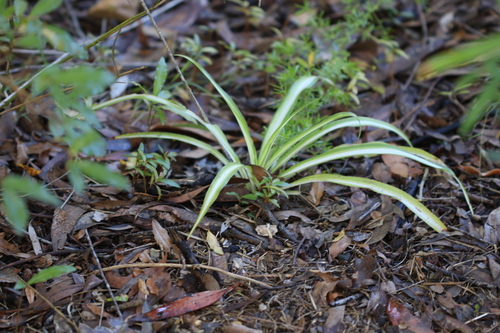
Summer Hyacinth is a bulbous perennial known for its tall, fragrant, bell-shaped white flowers that bloom in late summer. It is considered non-toxic to pets, though ingestion of any plant material can occasionally cause minor digestive upset.
Safety status
Cats & Dogs
Generally safeConsulted references do not classify the plant as toxic for that pet type, while still allowing for mild GI upset if large amounts are chewed.
Verified against ASPCA/provenance audit 2026-05-06 on May 6, 2026.
If a pet has chewed or swallowed plant material and is showing symptoms, contact a veterinarian or poison resource immediately. This product is for structured reference, not diagnosis.
Cats — concern notes
Common signs
No specific toxicity symptoms are expected, though chewing or swallowing plant material may still cause mild stomach upset.
Escalation note
This plant is listed by ASPCA as non-toxic for this pet. Monitor for digestive upset after large ingestion and contact a veterinarian if symptoms persist.
Dogs — concern notes
Common signs
No specific toxicity symptoms are expected, though chewing or swallowing plant material may still cause mild stomach upset.
Escalation note
This plant is listed by ASPCA as non-toxic for this pet. Monitor for digestive upset after large ingestion and contact a veterinarian if symptoms persist.
ASPCA Toxic and Non-Toxic Plant List
toxicology · 99% reliability
Summer Hyacinth is listed as non-toxic to both cats and dogs.
Kew Plants of the World Online: Galtonia candicans
botanical · 95% reliability
Accepted botanical classification for the species commonly known as Summer Hyacinth.
Summer Hyacinth (Galtonia candicans) is non-toxic to cats according to ASPCA records. It is not expected to cause poisoning, though as with any plant material, chewing or swallowing it may trigger mild stomach upset.
No specific toxicity symptoms are expected. At most, ingesting plant material — especially in larger amounts — may cause mild digestive upset such as vomiting or loose stools. Serious illness is not anticipated.
There is no documented toxic dose because the plant is classified as non-toxic. That said, non-toxic does not mean unlimited quantities are harmless — a cat that eats a large amount of any plant may develop GI upset, so it is reasonable to discourage snacking on it.
Monitor your cat for signs of digestive upset such as vomiting, drooling, or lethargy. Because the plant is non-toxic, no emergency treatment is expected to be needed, but if symptoms appear or persist, contact your veterinarian for guidance.
Summer Hyacinth (Galtonia candicans) is non-toxic to dogs according to ASPCA data. It is not expected to cause serious harm if a dog chews or swallows part of the plant.
No specific toxicity symptoms are expected. Chewing or swallowing plant material may occasionally cause mild stomach upset, but this plant is not associated with serious poisoning in dogs.
Because Summer Hyacinth is non-toxic, no emergency treatment is needed, but monitor your dog for signs of digestive upset such as vomiting or diarrhea. If symptoms persist or your dog ate a very large amount, contact your veterinarian.
Non-toxic does not mean unlimited — large ingestions of any plant material can cause mild GI upset in dogs. Summer Hyacinth is not expected to be dangerous, but keep portions incidental and watch for vomiting or lethargy if your dog has eaten a significant amount.
Same safety verdict
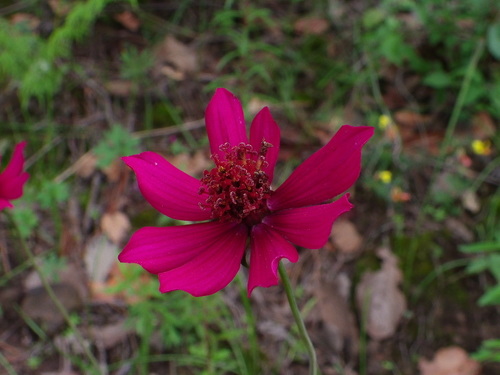
Garden cosmos is a daisy-like annual usually treated as a pet-safe flowering option, though any large plant ingestion can still cause mild stomach upset.
Generally safe for cats & dogs.
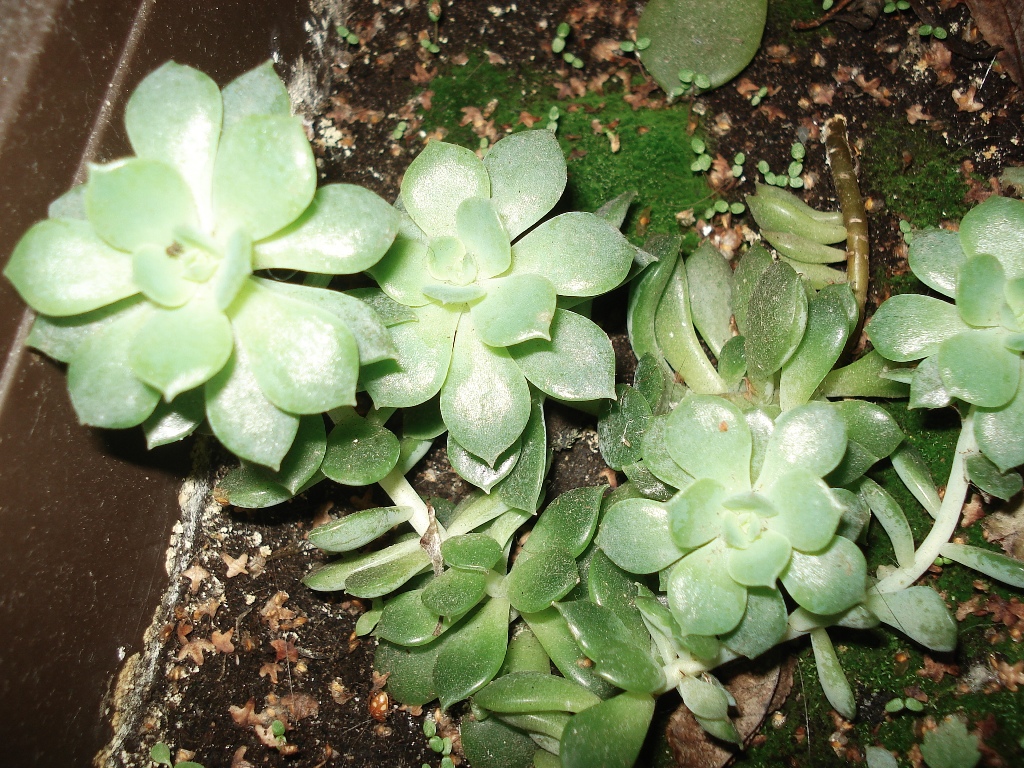
Echeveria is a popular, rosette-forming succulent known for its fleshy, architectural leaves and ease of care. It is considered non-toxic to pets, though ingestion of large amounts of fibrous plant material may cause minor digestive discomfort.
Generally safe for cats & dogs.
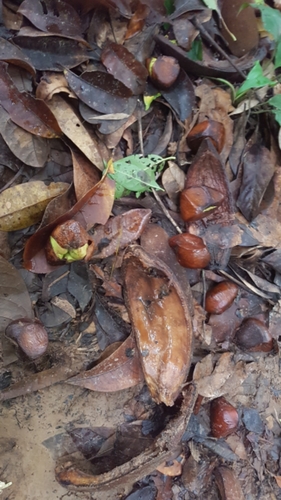
The Money Tree is a popular indoor plant known for its braided trunk and palm-like leaves, often associated with good luck and prosperity in home decor.
Generally safe for cats & dogs.
The spider plant is a popular, easy-to-care-for houseplant known for its arching, grass-like foliage and trailing plantlets. It is widely considered safe for households with pets, though large ingestions of fibrous material may occasionally cause mild digestive upset.
Generally safe for cats & dogs.