Cats & Dogs
Generally safeConsulted references do not classify the plant as toxic for that pet type, while still allowing for mild GI upset if large amounts are chewed.
Verified against ASPCA/provenance audit 2026-05-06 on May 6, 2026.
Sources
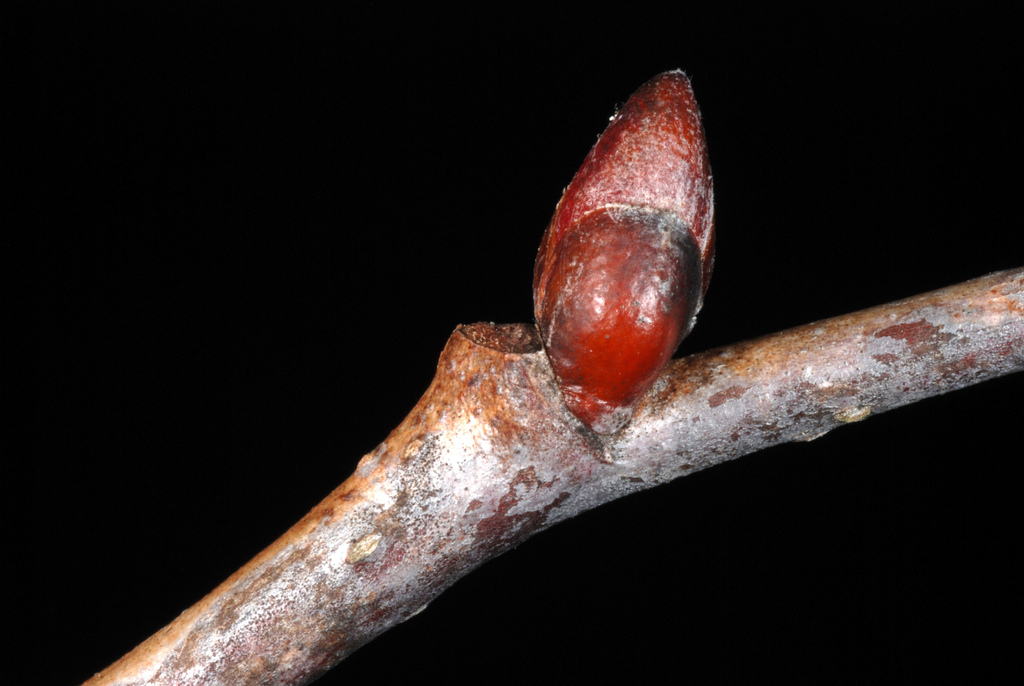
Tilia americana
The American Linden is a large, deciduous shade tree known for its fragrant flowers and heart-shaped leaves. It is considered safe for pets, though ingestion of large amounts of plant material may cause minor digestive discomfort.
Safety status
Cats & Dogs
Generally safeConsulted references do not classify the plant as toxic for that pet type, while still allowing for mild GI upset if large amounts are chewed.
Verified against ASPCA/provenance audit 2026-05-06 on May 6, 2026.
Sources
If a pet has chewed or swallowed plant material and is showing symptoms, contact a veterinarian or poison resource immediately. This product is for structured reference, not diagnosis.
Cats — concern notes
Common signs
None expected, though excessive ingestion of fibrous leaves may lead to mild vomiting or diarrhea.
Escalation note
Non-toxic. If your cat consumes a large quantity and shows signs of distress, contact your veterinarian.
Dogs — concern notes
Common signs
None expected, though excessive ingestion of fibrous leaves may lead to mild vomiting or diarrhea.
Escalation note
Non-toxic. If your dog consumes a large quantity and shows signs of distress, contact your veterinarian.
Bring it home
American Lindenis generally pet-safe in ordinary household exposure. If you’d like one for your space, here’s a starting point.
Shop on AmazonSome links earn us a small commission. They never affect our safety classifications.
ASPCA Toxic Plant List
toxicology · 99% reliability
Linden is listed as non-toxic to both cats and dogs.
NC State Extension Plant Toolbox
botanical · 94% reliability
Tilia americana is a native deciduous tree valued for its shade and fragrant flowers.
Non-toxic does not mean harmless in large quantities — the fibrous leaves can irritate a cat's digestive tract if eaten in excess, potentially causing mild GI upset. Small amounts are not a concern.
American Linden (Tilia americana) is considered non-toxic to cats. It is classified as generally safe, meaning exposure to the leaves, flowers, or bark is not expected to cause poisoning.
No toxic symptoms are expected, but consuming a large amount of fibrous leaves may lead to mild vomiting or diarrhea from the bulk plant material alone, not from any toxic compound.
Because American Linden is non-toxic, a small nibble requires no treatment. If your cat ate a significant quantity and is showing vomiting, diarrhea, or signs of distress, contact your veterinarian for guidance.
All parts of the American Linden — leaves, fragrant flowers, and bark — are considered non-toxic to dogs. That said, non-toxic does not mean harmless in large quantities; ingesting a lot of any plant material can cause GI upset.
Eating a small amount is unlikely to cause any problem. If your dog consumes a large quantity of the fibrous leaves, mild vomiting or diarrhea is possible due to the bulk material, not any toxic principle.
Probably not — the tree is non-toxic to dogs. Monitor your dog for signs of digestive upset like vomiting or diarrhea if they ate a significant amount, and contact your veterinarian if symptoms appear or your dog seems distressed.
No, American Linden (Tilia americana) is non-toxic to dogs. It is considered generally safe, with no toxic compounds identified that would harm dogs who chew on leaves, flowers, or bark.
Same safety verdict
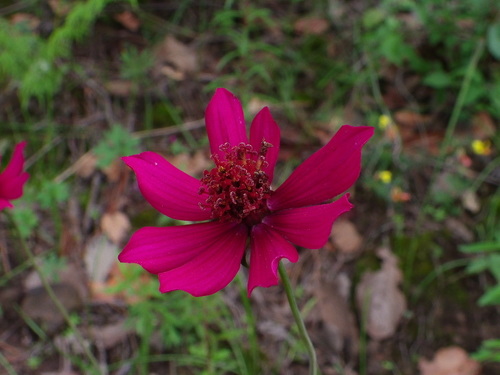
Garden cosmos is a daisy-like annual usually treated as a pet-safe flowering option, though any large plant ingestion can still cause mild stomach upset.
Generally safe for cats & dogs.
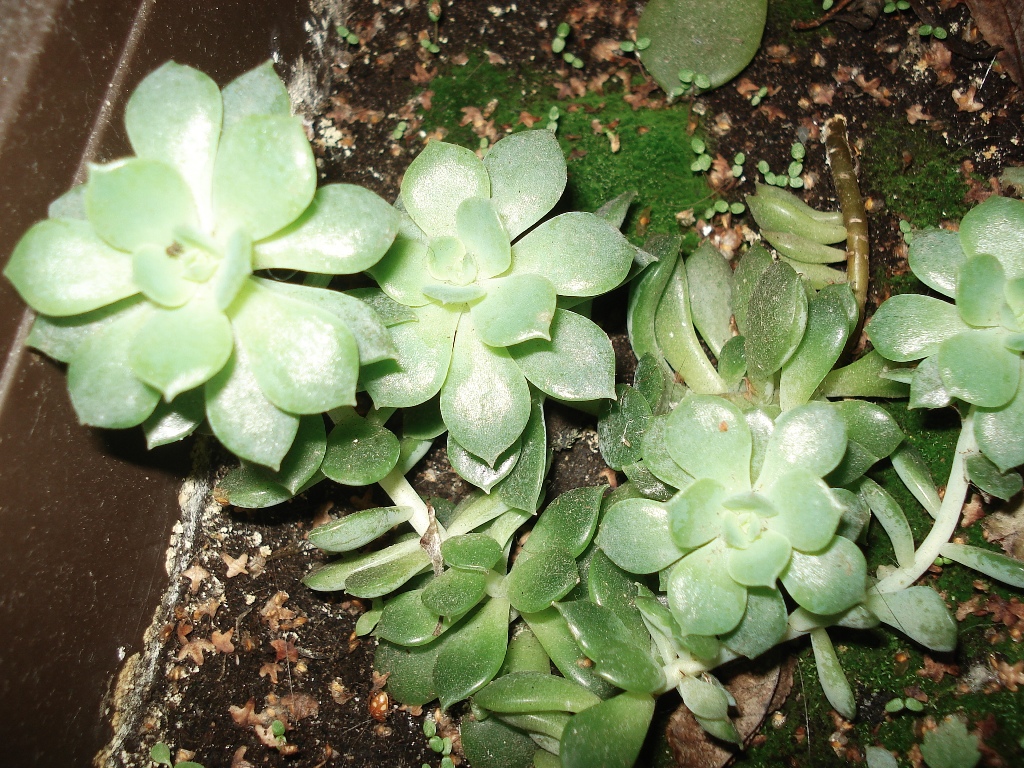
Echeveria is a popular, rosette-forming succulent known for its fleshy, architectural leaves and ease of care. It is considered non-toxic to pets, though ingestion of large amounts of fibrous plant material may cause minor digestive discomfort.
Generally safe for cats & dogs.
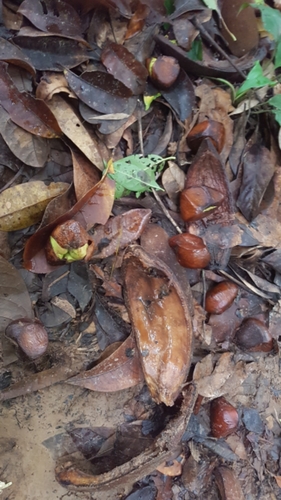
The Money Tree is a popular indoor plant known for its braided trunk and palm-like leaves, often associated with good luck and prosperity in home decor.
Generally safe for cats & dogs.
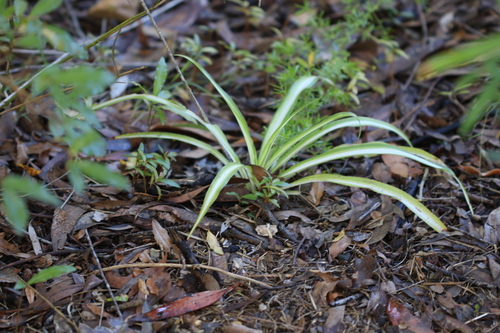
The spider plant is a popular, easy-to-care-for houseplant known for its arching, grass-like foliage and trailing plantlets. It is widely considered safe for households with pets, though large ingestions of fibrous material may occasionally cause mild digestive upset.
Generally safe for cats & dogs.