Dogs
Generally safeConsulted references do not classify the plant as toxic for that pet type, while still allowing for mild GI upset if large amounts are chewed.
Verified against ASPCA/provenance audit 2026-05-06 on May 6, 2026.
Sources
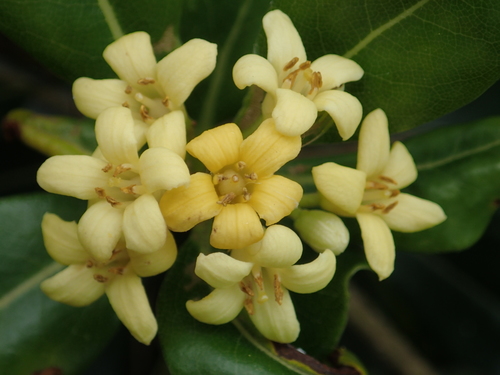
Pittosporum tobira
Japanese Mock Orange is a popular evergreen shrub known for its fragrant, citrus-like flowers and glossy, leathery foliage. It is considered safe for households with pets, though large ingestions of plant material may cause minor digestive discomfort.
Safety status
Dogs
Generally safeConsulted references do not classify the plant as toxic for that pet type, while still allowing for mild GI upset if large amounts are chewed.
Verified against ASPCA/provenance audit 2026-05-06 on May 6, 2026.
Sources
If a pet has chewed or swallowed plant material and is showing symptoms, contact a veterinarian or poison resource immediately. This product is for structured reference, not diagnosis.
Dogs — concern notes
Common signs
No specific toxicity symptoms are expected, though chewing or swallowing plant material may still cause mild stomach upset.
Escalation note
This plant is listed by ASPCA as non-toxic for this pet. Monitor for digestive upset after large ingestion and contact a veterinarian if symptoms persist.
Safer alternatives
No hand-picked alternatives for this plant yet. You can still pick your own using the Compare button on any other plant.
ASPCA Toxic Plant List
toxicology · 99% reliability
Japanese Pittosporum is listed as non-toxic to both cats and dogs.
NC State Extension Plant Toolbox
botanical · 94% reliability
Pittosporum tobira is a versatile evergreen shrub often used in landscapes for its fragrant flowers and salt tolerance.
No, Japanese Mock Orange (Pittosporum tobira) is listed as non-toxic to dogs by the ASPCA. It is not expected to cause serious harm, though non-toxic does not mean a dog can eat it freely without consequence.
Specific toxicity symptoms are not expected, but chewing or swallowing plant material may cause mild stomach upset, especially if your dog eats a large amount. Monitor for vomiting, loose stools, or lethargy.
A small nibble is unlikely to cause anything beyond minor digestive discomfort. If your dog ate a large quantity and shows signs like persistent vomiting, diarrhea, or lethargy, contact your veterinarian to be safe.
There is no documented toxic dose because the plant is considered non-toxic for dogs. That said, large ingestions of any plant material can cause GI upset; if symptoms persist after your dog ate a significant amount, call your vet.
Same growing conditions
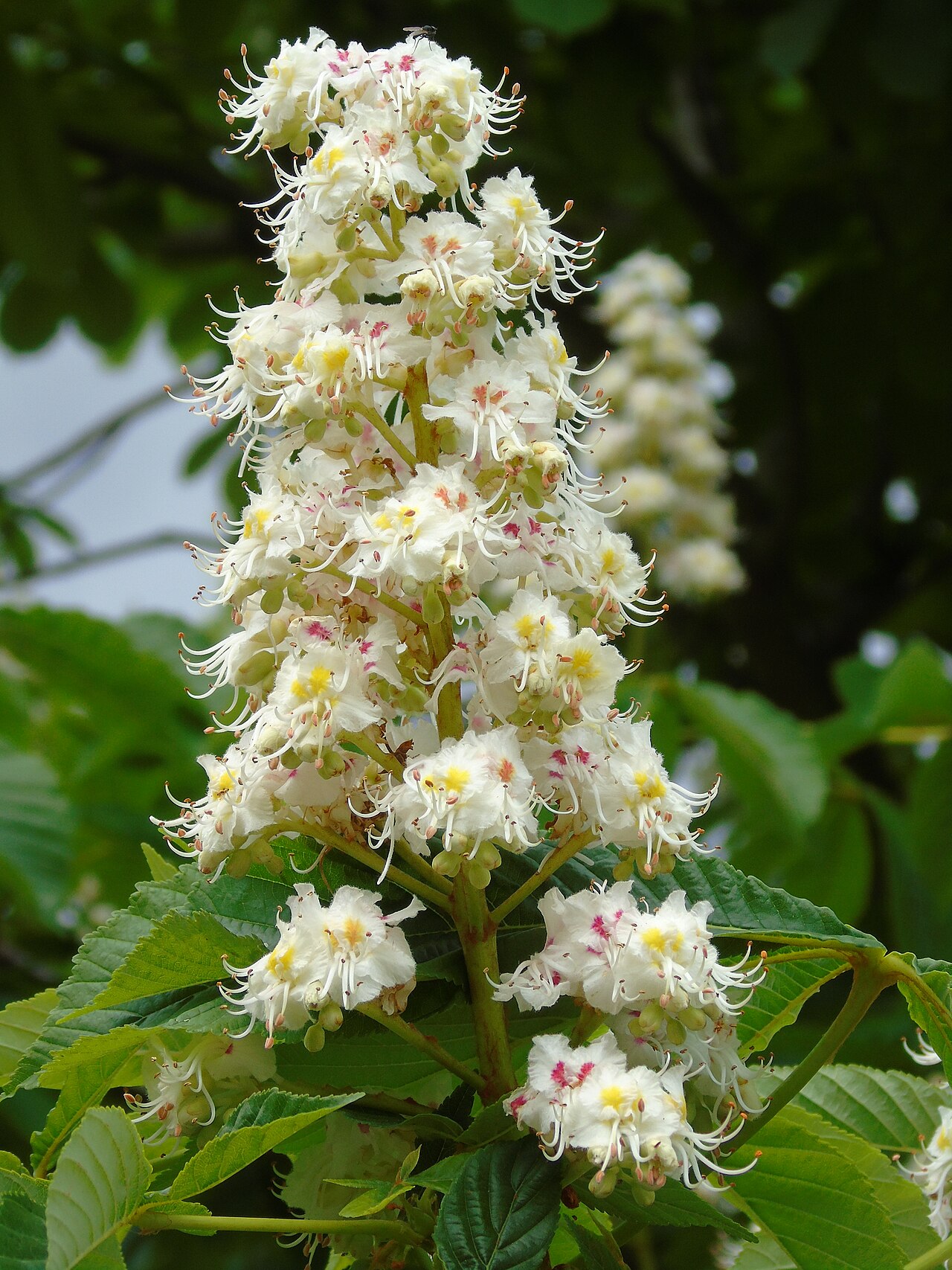
Buckeye trees and shrubs contain toxic glycosides and saponins that affect the gastrointestinal and nervous systems. All parts of the plant, especially the seeds and leaves, are considered poisonous if ingested.
Potentially toxic for cats & dogs.
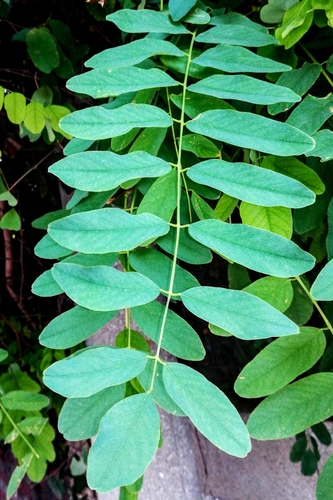
Robinia species, commonly known as locust trees, contain toxic proteins and alkaloids throughout the bark, leaves, and seeds. Ingestion can lead to significant gastrointestinal and neurological distress in pets.
Potentially toxic for cats & dogs.
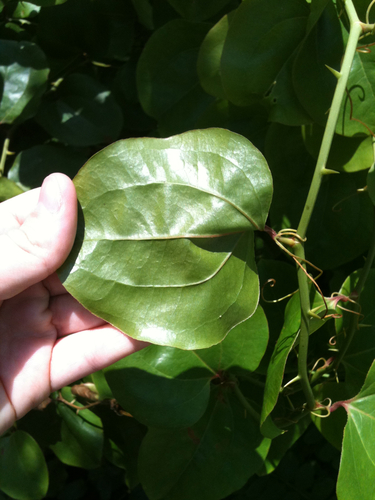
Bullbrier is a hardy, woody vine native to North America, often recognized by its prickly stems and rounded leaves. It is considered non-toxic to pets, though its fibrous nature may cause minor digestive discomfort if consumed in large quantities.
Generally safe for cats & dogs.
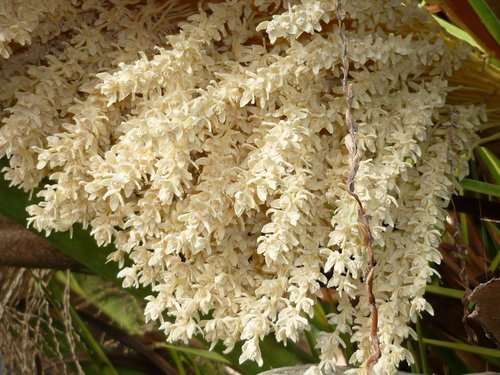
The Canary Date Palm is a popular ornamental palm known for its massive, feathery fronds and sturdy trunk. While it is considered non-toxic to pets, its fibrous foliage can cause mechanical irritation if ingested in large quantities.
Generally safe for cats & dogs.