Low-light plants for small spaces
Compact plants that tolerate lower light and fit shelves, desks, and smaller rooms.
44 plants
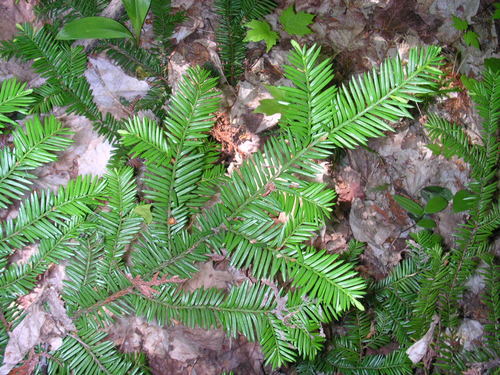
American Yew is a low-growing evergreen shrub containing taxine alkaloids that are highly poisonous to most mammals. Ingestion of any part of the plant, especially the needles and seeds, can cause severe systemic reactions.
Potentially toxic for cats & dogs.
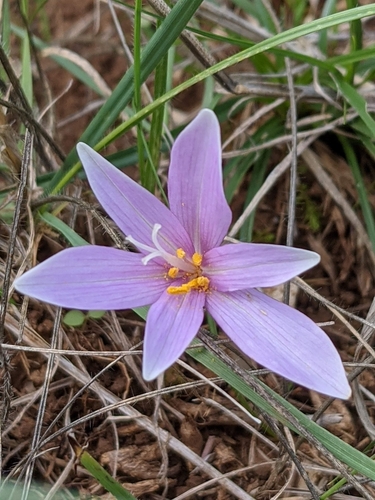
The Autumn Crocus is a bulbous perennial known for its late-season blooms that emerge directly from the ground. It contains potent alkaloids that make it highly dangerous if ingested by pets.
Potentially toxic for cats & dogs.
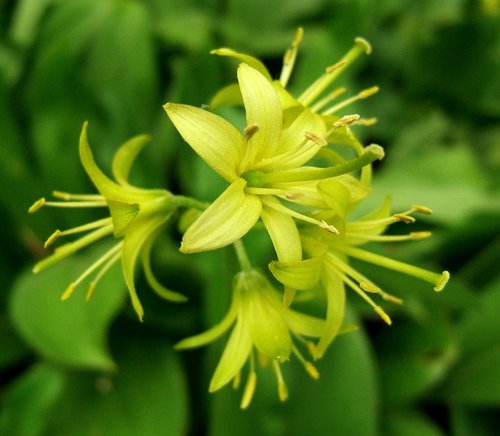
Clintonia borealis is a woodland perennial known for its glossy leaves and striking blue berries. While generally considered safe for pets, it is not intended for consumption.
Uncertain for cats & dogs.
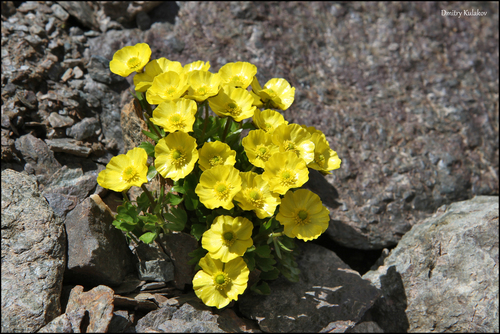
Buttercups are flowering plants known for their bright, cup-shaped blooms, but they contain compounds that can cause irritation if ingested. They are generally considered toxic to household pets due to the presence of protoanemonin.
Potentially toxic for cats & dogs.
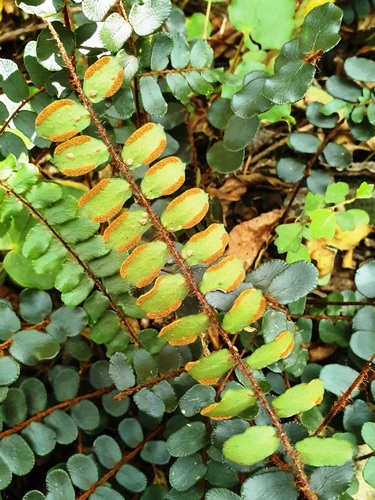
The Button Fern is a charming, compact fern known for its small, round, dark green leaflets arranged along wiry stems. It thrives in humid, shaded environments and is a popular choice for terrariums and indoor containers.
Generally safe for cats & dogs.

Calathea are popular tropical houseplants known for their striking, patterned foliage and rhythmic leaf movement. They are considered safe for households with pets, though ingestion of large amounts of fibrous plant material may cause minor digestive discomfort.
Generally safe for cats & dogs.
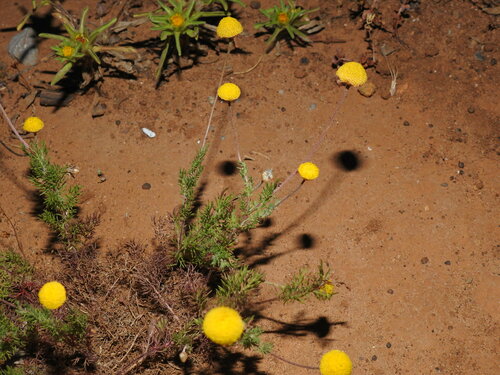
Chamomile is a flowering plant in the daisy family often used in herbal teas and essential oils. While popular for human use, it contains compounds that can cause adverse reactions in pets if ingested.
Potentially toxic for cats & dogs.
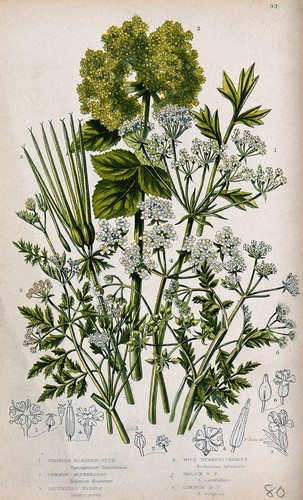
Chervil is a delicate, aromatic herb in the parsley family often used in culinary applications. It is considered safe for pets, though large ingestions of any fibrous plant material may cause minor digestive upset.
Generally safe for cats & dogs.
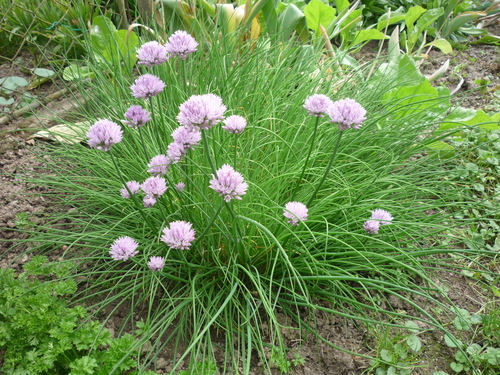
Chives are a popular culinary herb in the onion family that contain compounds capable of damaging red blood cells in pets. Ingestion of any part of the plant can lead to gastrointestinal upset and more serious systemic issues.
Potentially toxic for cats & dogs.
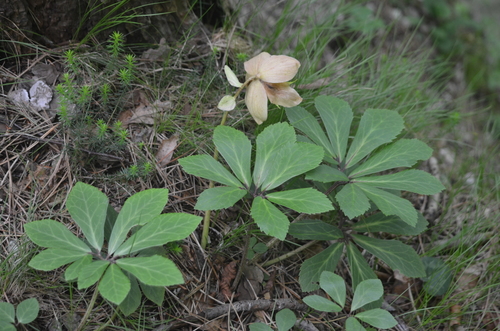
The Christmas Rose is a perennial flowering plant known for its winter blooms, but it contains cardiac glycosides that are harmful if ingested. It is considered toxic to both cats and dogs.
Potentially toxic for cats & dogs.
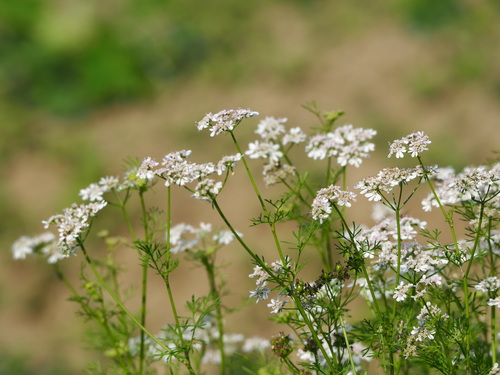
Cilantro is a popular culinary herb widely used in cooking, known for its aromatic, feathery leaves. It is considered safe for pets, though large ingestions may occasionally cause minor digestive discomfort.
Generally safe for cats & dogs.
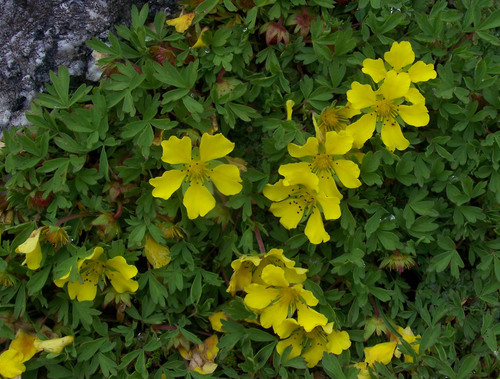
Cinquefoil is a diverse genus of flowering plants in the rose family, commonly found in gardens and wild meadows. While generally considered safe for pets, it is not intended for consumption.
Generally safe for cats & dogs.
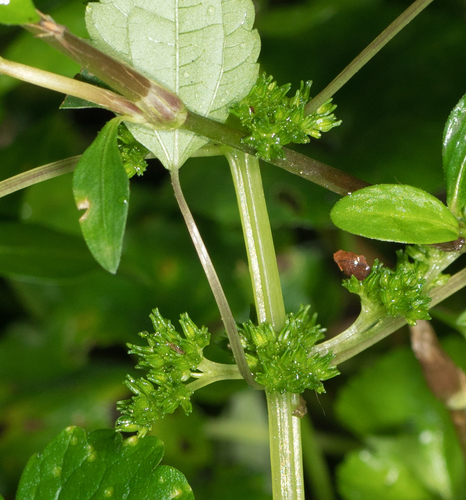
Clearweed is a tender, herbaceous annual plant often found in moist, shaded environments. It is considered non-toxic to pets, though ingestion of large amounts of plant material may cause minor digestive discomfort.
Generally safe for cats & dogs.
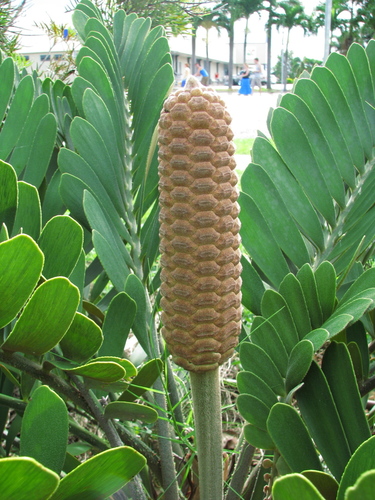
Zamia pumila is a cycad native to the southeastern United States, often grown as an ornamental landscape or container plant. It contains toxic compounds that can cause severe health complications if ingested by pets.
Potentially toxic for cats & dogs.
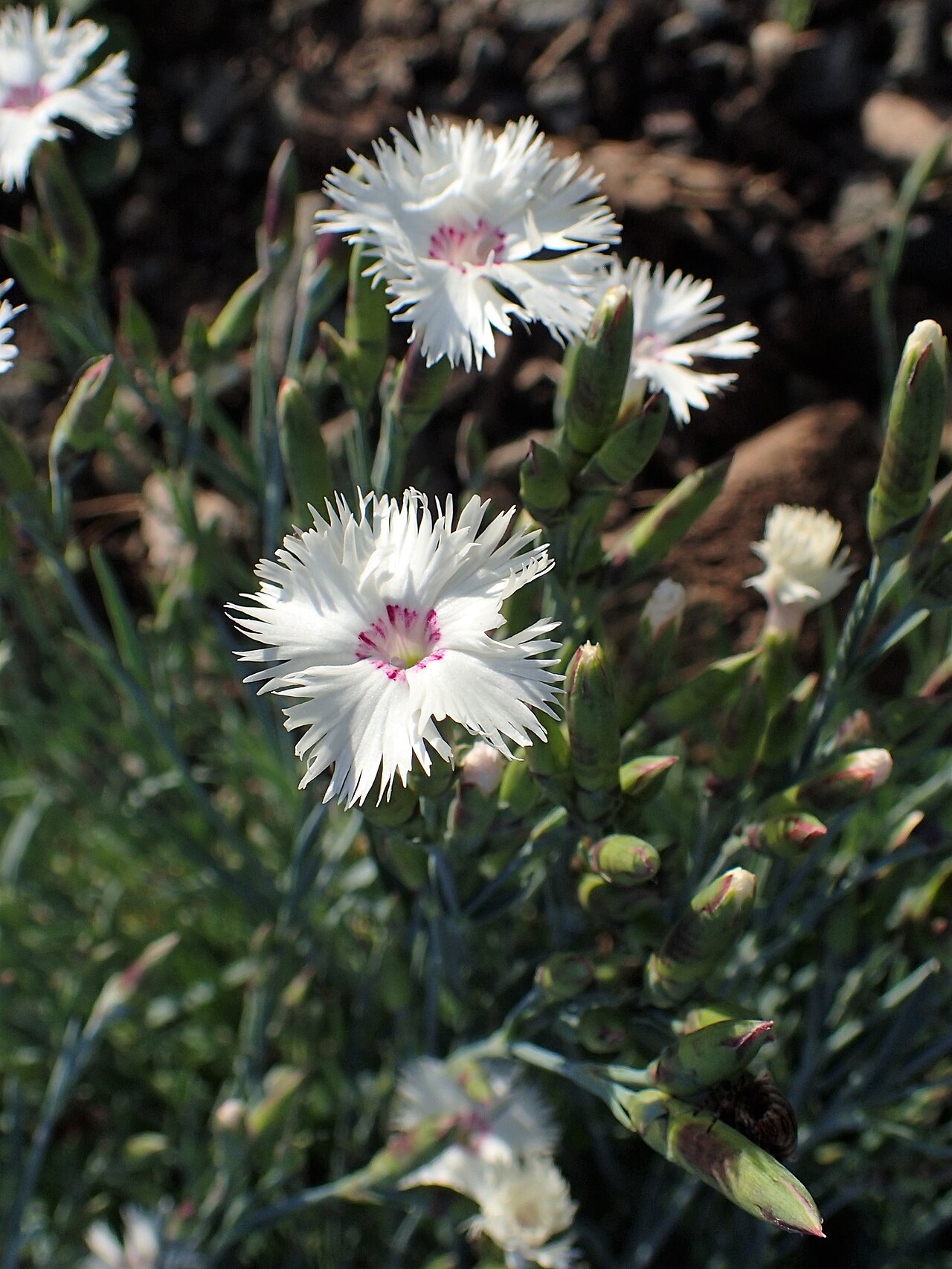
Dianthus species, including the Eastern Star, are popular garden and container plants that contain compounds which can cause gastrointestinal irritation in pets. While generally considered mild, ingestion should be monitored closely.
Potentially toxic for cats & dogs.
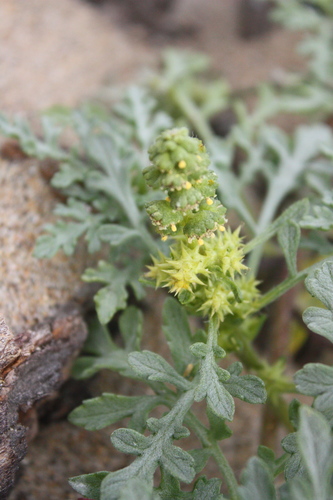
Feather Geranium is an herbaceous plant known for its aromatic, fern-like foliage. It is considered toxic to pets if ingested and should be kept out of reach of cats and dogs.
Potentially toxic for cats & dogs.
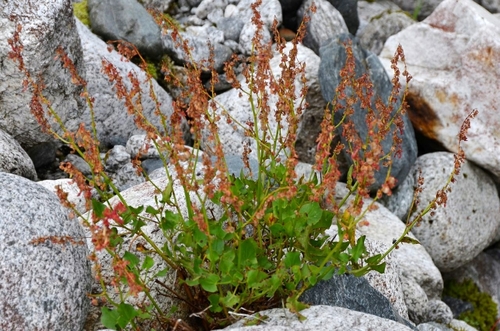
French Sorrel is a perennial herb often grown for its tangy, edible leaves, but it contains soluble calcium oxalates that can be harmful to pets if ingested in quantity. It is characterized by its shield-shaped foliage and low-growing habit.
Potentially toxic for cats & dogs.
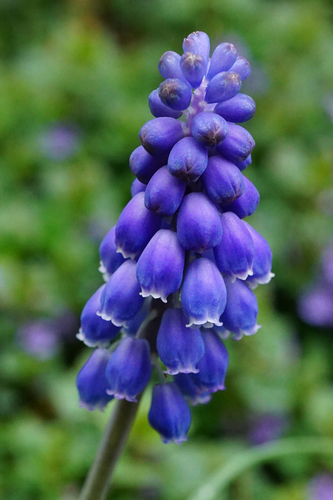
Grape Hyacinth is a popular spring-flowering bulb known for its clusters of small, bell-shaped, fragrant blue flowers. While generally considered safe for pets, it is best to prevent them from digging up or consuming the bulbs.
Generally safe for cats & dogs.
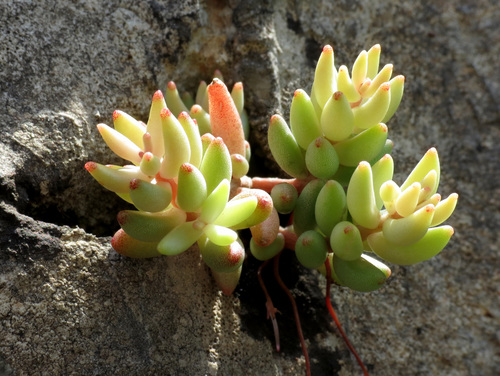
Hardy Baby Tears is a low-growing, succulent groundcover often used in rock gardens and green roofs. It is considered non-toxic to pets, though large ingestions of any plant material may cause minor digestive upset.
Generally safe for cats & dogs.
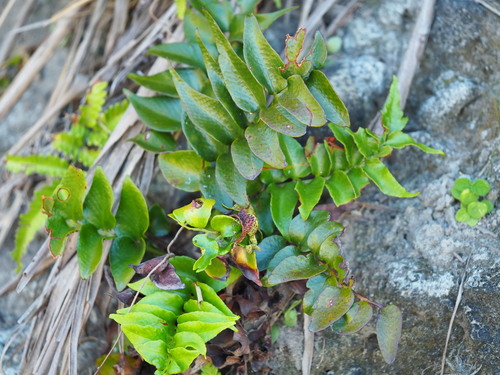
The Japanese Holly Fern is a popular, hardy indoor fern known for its glossy, dark green, holly-like fronds. It is considered non-toxic to pets, though its fibrous texture may cause mild digestive irritation if consumed in large quantities.
Generally safe for cats & dogs.
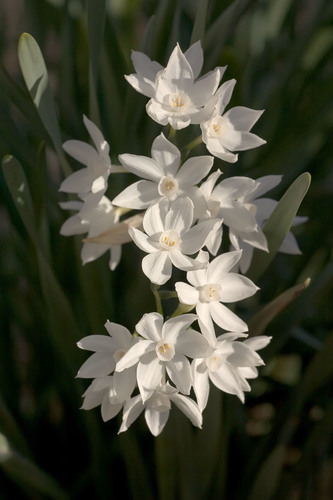
The jonquil is a bulbous perennial known for its fragrant, clustered yellow flowers and grass-like foliage. It contains alkaloids that can cause significant gastrointestinal distress if ingested by pets.
Potentially toxic for cats & dogs.
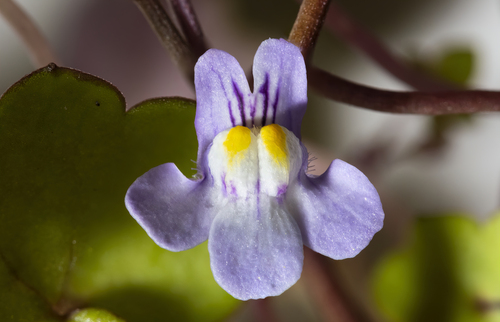
Kenilworth Ivy is a delicate, trailing perennial often found growing in rock walls or as a ground cover. It is considered non-toxic to pets, though large ingestions of any fibrous plant material may cause minor digestive upset.
Generally safe for cats & dogs.
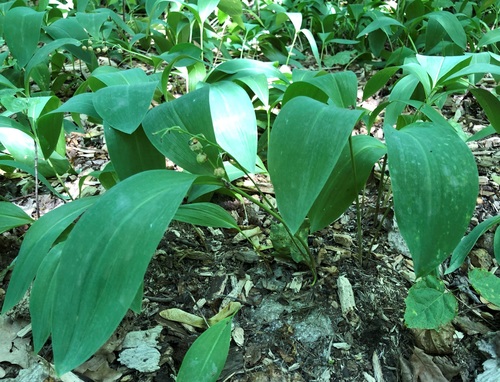
Lily of the Valley is a popular spring-flowering perennial known for its fragrant, bell-shaped white flowers. It contains cardiac glycosides that are highly toxic to pets if ingested.
Potentially toxic for cats & dogs.
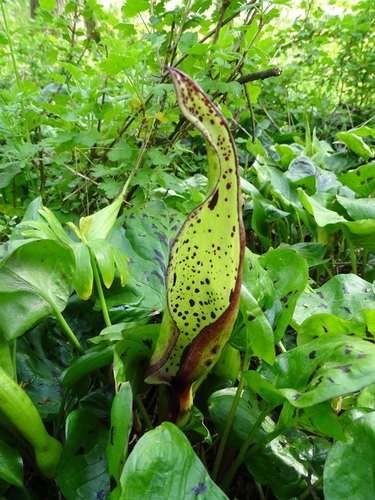
Arum maculatum is a tuberous perennial plant known for its distinct hooded spathe and bright red berries. It contains insoluble calcium oxalate crystals that cause immediate irritation upon contact with tissues.
Potentially toxic for cats & dogs.
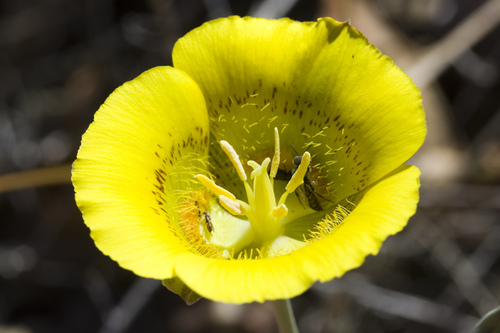
Mariposa lilies are a group of bulbous perennials known for their striking, tulip-like flowers. They are considered non-toxic to pets, though ingestion of large amounts of plant material may cause minor digestive discomfort.
Uncertain for cats & dogs.
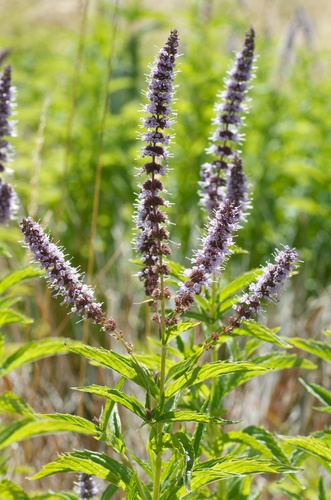
Mint is a popular aromatic herb known for its rapid growth and fragrant foliage. While commonly used in human culinary applications, it contains essential oils that can cause gastrointestinal distress in pets.
Potentially toxic for cats & dogs.
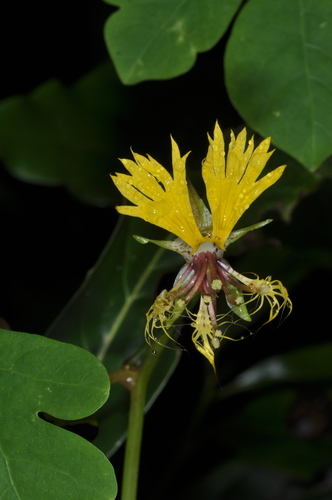
Nasturtium is a popular, fast-growing annual known for its edible, peppery-flavored flowers and rounded leaves. It is widely considered safe for household pets, though large ingestions of fibrous plant material may occasionally cause mild digestive upset.
Generally safe for cats & dogs.
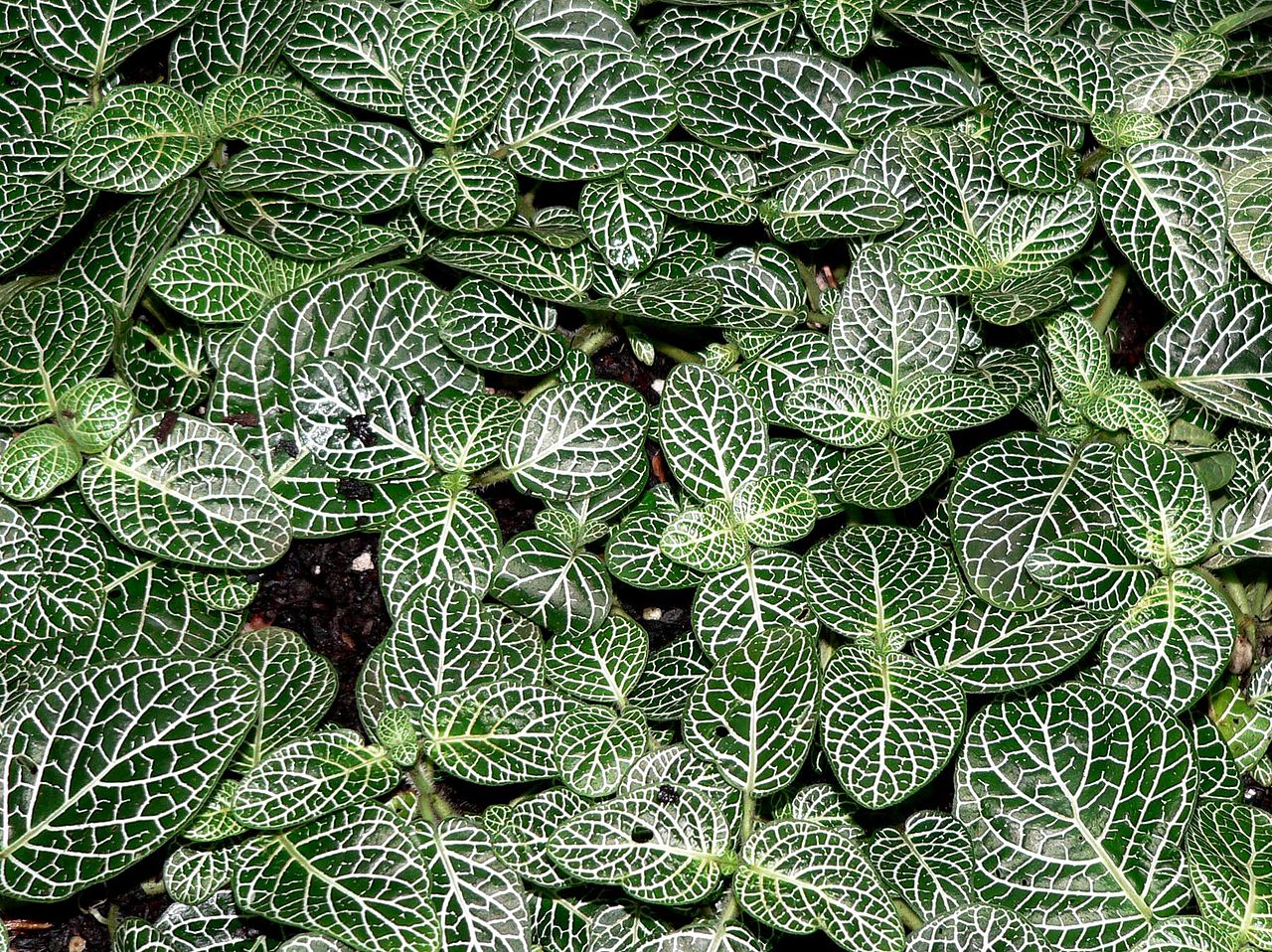
Nerve Plant is a popular, low-growing tropical houseplant known for its striking, vein-patterned foliage. It is considered non-toxic to pets, though ingestion of large amounts of plant material may cause mild digestive discomfort.
Generally safe for cats & dogs.
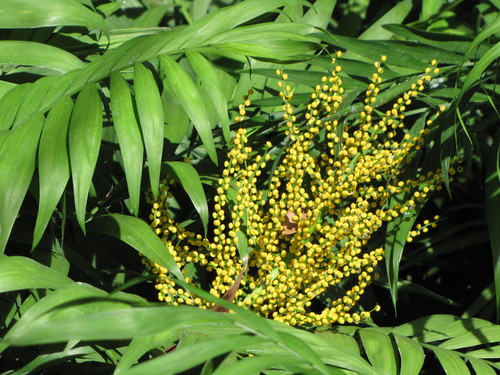
The Bamboo Palm is a popular, slow-growing indoor palm known for its elegant, feathery fronds and ability to thrive in lower light conditions. It is considered a safe choice for households with pets, though its fibrous nature may cause minor digestive discomfort if consumed in large quantities.
Not yet rated for cats.
Generally safe for dogs.
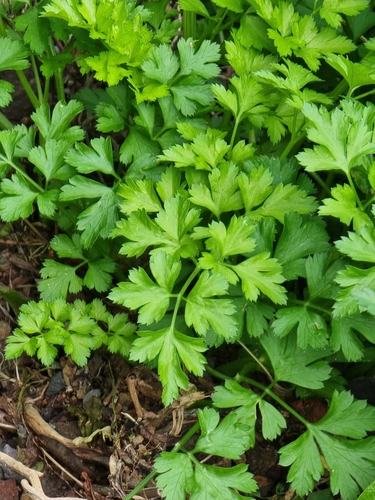
Parsley is a popular culinary herb that contains furanocoumarins and psoralens, which can cause photosensitivity in pets if ingested in large quantities. While commonly used in human cooking, it is considered toxic to both cats and dogs.
Potentially toxic for cats & dogs.
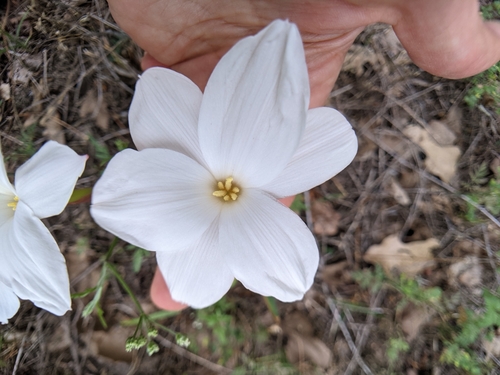
Prairie Lily is a charming bulbous perennial known for its delicate, trumpet-shaped flowers that often bloom following rainfall. It is considered non-toxic to household pets, though its fibrous nature may cause minor digestive discomfort if consumed in large quantities.
Not yet rated for cats.
Generally safe for dogs.
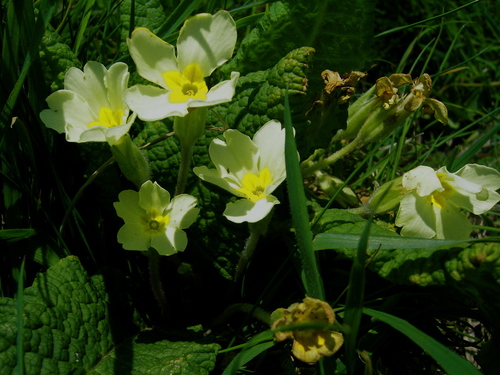
Primula vulgaris is a low-growing perennial herb known for its early spring blooms. While popular in gardens, it contains compounds that can cause irritation if ingested or touched by pets.
Potentially toxic for cats & dogs.
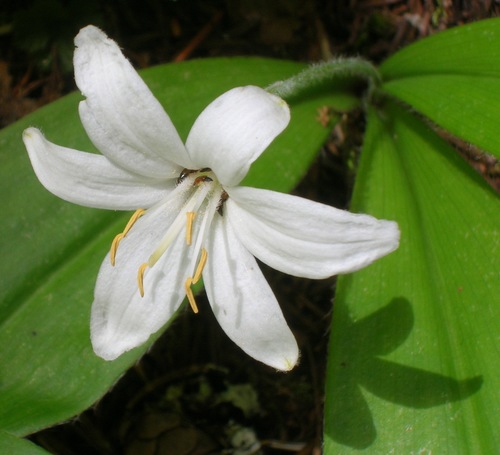
Clintonia uniflora is a perennial wildflower native to western North America, known for its single white, star-shaped flower and glossy, basal leaves. It is generally considered a non-toxic plant, though ingestion of any non-food plant material can cause minor digestive discomfort in pets.
Uncertain for cats & dogs.
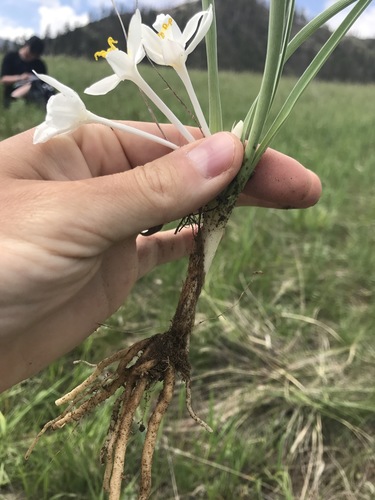
The Sand Lily is a low-growing, perennial wildflower native to the western United States, known for its fragrant, star-shaped white flowers. It is considered non-toxic to household pets, though its fibrous nature may cause minor digestive discomfort if consumed in large quantities.
Uncertain for cats & dogs.
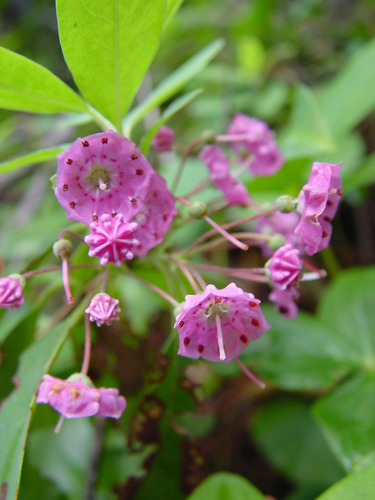
Lambkill is a flowering evergreen shrub in the heath family known for containing grayanotoxins. Ingestion of any part of the plant can cause significant health issues in pets.
Potentially toxic for cats & dogs.
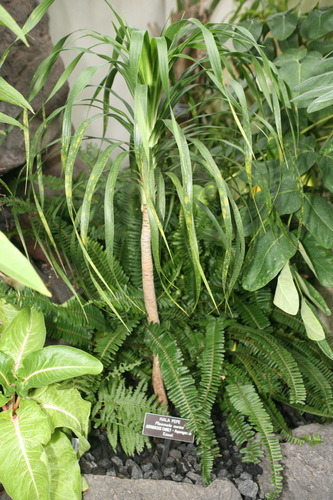
Dracaena trifasciata is a popular, hardy houseplant known for its stiff, sword-like leaves with striking yellow margins. It is widely appreciated for its air-purifying qualities and ability to thrive in various indoor conditions.
Potentially toxic for cats & dogs.
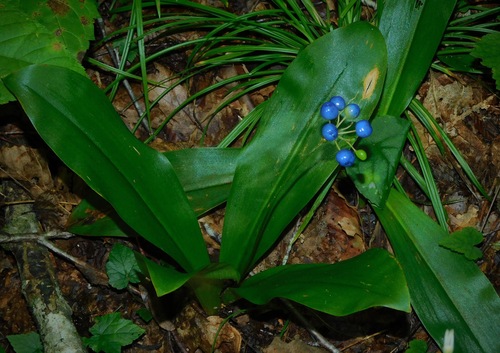
Speckled Wood Lily is a woodland perennial known for its clusters of white, speckled flowers and broad, basal leaves. It is considered non-toxic to pets, though large ingestions of fibrous plant material may cause minor digestive discomfort.
Uncertain for cats & dogs.
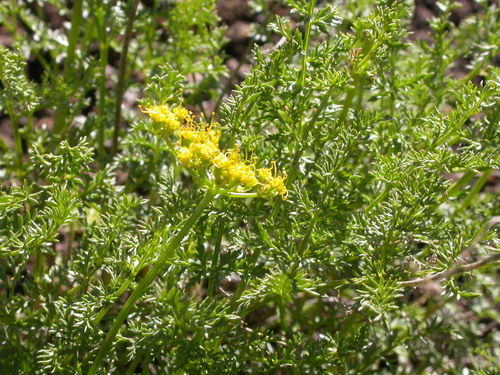
Spring Parsley is a low-growing perennial herb native to the western United States, often found in rocky, arid environments. It is considered toxic to pets if ingested and should be kept out of reach.
Potentially toxic for cats & dogs.
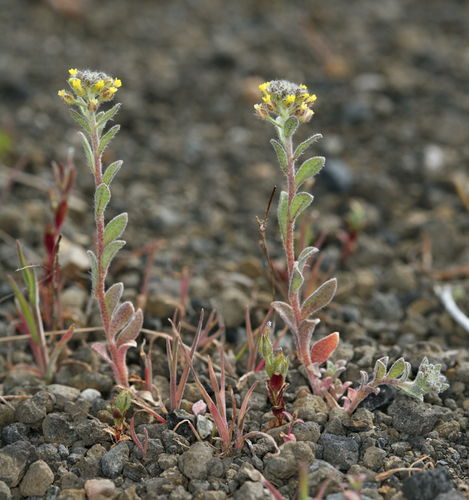
Alyssum is a popular, fragrant flowering plant often used in garden beds and containers. It is considered non-toxic to pets, though ingestion of large amounts of plant material may cause mild digestive upset.
Generally safe for cats & dogs.
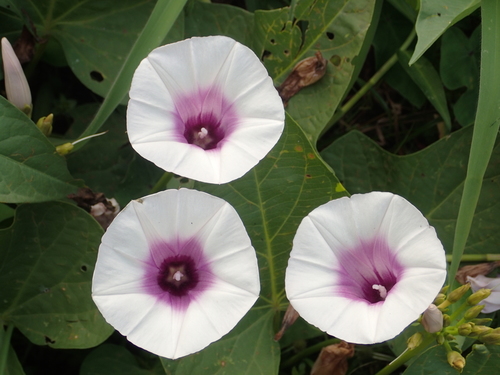
Sweet Potato Vine is a popular ornamental foliage plant known for its vibrant, trailing leaves. While generally considered safe for pets, it is best to prevent them from grazing on the foliage to avoid minor digestive discomfort.
Potentially toxic for cats & dogs.
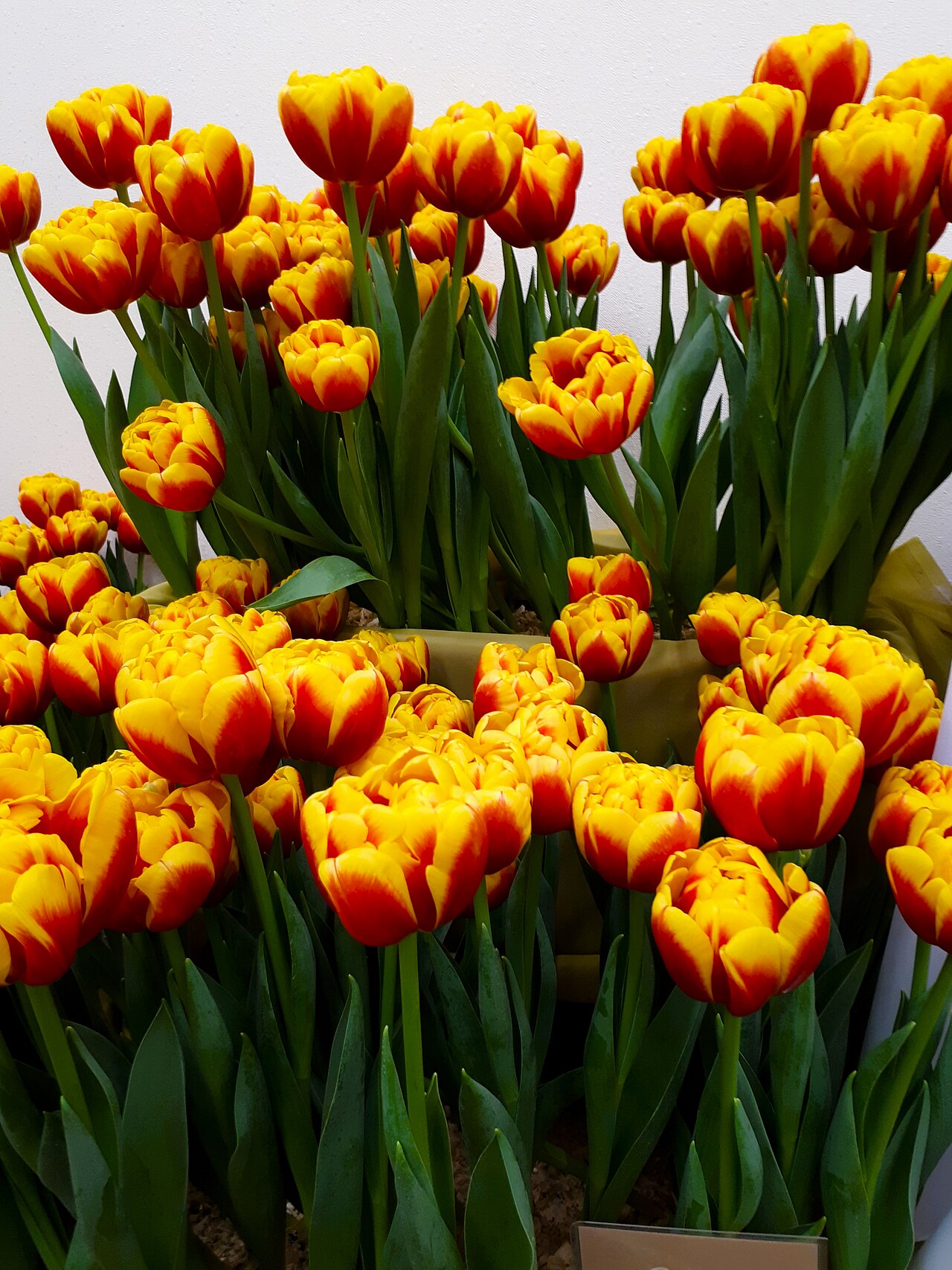
Tulips are popular spring-flowering bulbs that contain allergenic lactones, primarily concentrated in the bulb, which can cause irritation if ingested. While the entire plant is considered toxic, the bulb is the most potent part.
Potentially toxic for cats & dogs.
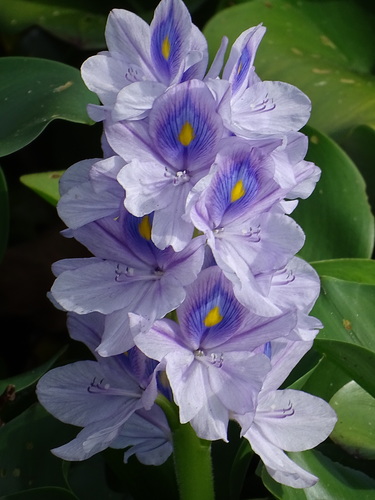
Water Hyacinth is a free-floating aquatic plant known for its striking lavender flowers and bulbous, air-filled leaf stalks. While it is considered non-toxic, its fibrous nature can occasionally cause mild digestive upset if consumed in large quantities.
Generally safe for cats & dogs.
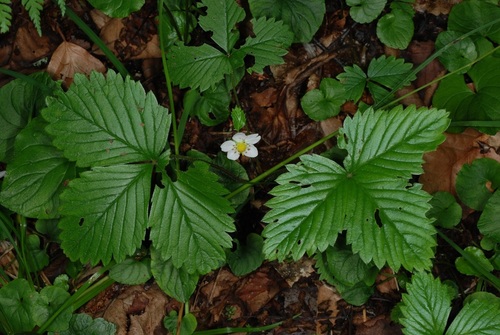
Wild Strawberry is a low-growing, perennial groundcover known for its small, edible fruits and trifoliate leaves. It is considered non-toxic to pets, though ingestion of large amounts of fibrous plant material may cause minor digestive discomfort.
Generally safe for cats & dogs.
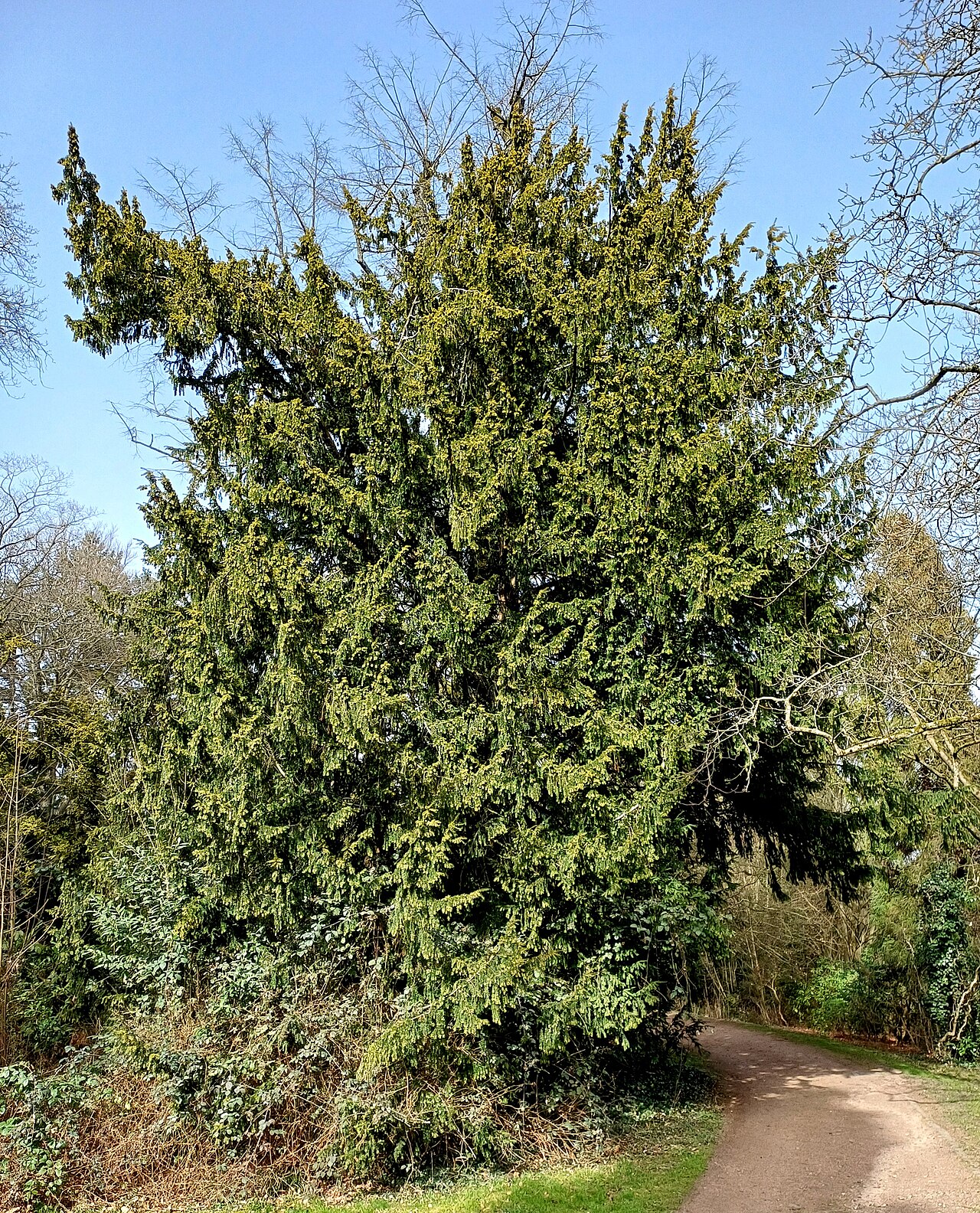
Yew is a genus of evergreen conifers known for their high toxicity due to the presence of taxine alkaloids. All parts of the plant, including needles and seeds, are considered dangerous if ingested.
Potentially toxic for cats & dogs.