Cats & Dogs
Generally safeConsulted references do not classify the plant as toxic for that pet type, while still allowing for mild GI upset if large amounts are chewed.
Verified against ASPCA/provenance audit 2026-05-06 on May 6, 2026.
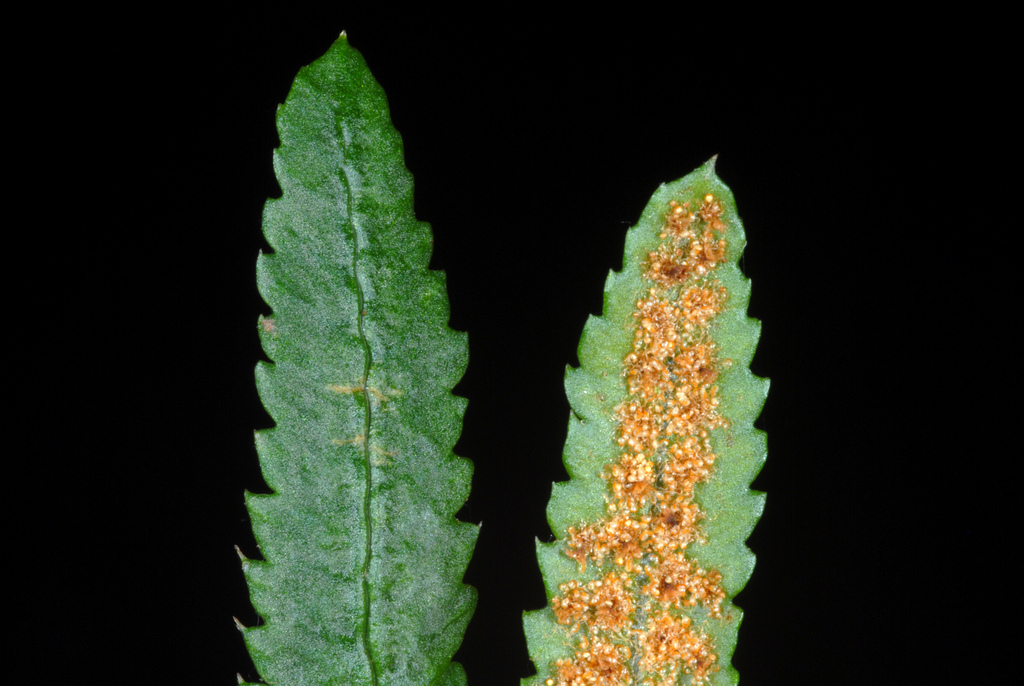
Polystichum acrostichoides
The Christmas Fern is a hardy, evergreen perennial native to North America, prized for its leathery, dark green fronds that remain vibrant throughout the winter months. It is considered safe for households with pets, though its fibrous texture may cause minor digestive discomfort if consumed in large quantities.
Safety status
Cats & Dogs
Generally safeConsulted references do not classify the plant as toxic for that pet type, while still allowing for mild GI upset if large amounts are chewed.
Verified against ASPCA/provenance audit 2026-05-06 on May 6, 2026.
If a pet has chewed or swallowed plant material and is showing symptoms, contact a veterinarian or poison resource immediately. This product is for structured reference, not diagnosis.
Cats — concern notes
Common signs
None expected; however, ingestion of large amounts of fibrous plant material may cause mild vomiting or diarrhea.
Escalation note
This plant is considered non-toxic. If your cat consumes a significant amount and shows signs of distress, contact your veterinarian as a precaution.
Dogs — concern notes
Common signs
None expected; however, ingestion of large amounts of fibrous plant material may cause mild vomiting or diarrhea.
Escalation note
This plant is considered non-toxic. If your dog consumes a significant amount and shows signs of distress, contact your veterinarian as a precaution.
Bring it home
Christmas Fernis generally pet-safe in ordinary household exposure. If you’d like one for your space, here’s a starting point.
Shop on AmazonSome links earn us a small commission. They never affect our safety classifications.
ASPCA Toxic and Non-Toxic Plants: Christmas Dagger
toxicology · 99% reliability
ASPCA lists Christmas Dagger Fern (Polystichum acrostichoides) as non-toxic to dogs and cats.
NC State Extension Plant Toolbox
botanical · 94% reliability
A clump-forming, evergreen fern that is native to North America and thrives in shady, moist woodland environments.
Christmas Fern (Polystichum acrostichoides) is considered non-toxic to cats. It is classified as generally safe, meaning it poses no expected toxic risk if your cat nibbles on it.
No toxic symptoms are expected. However, ingestion of large amounts of the fibrous fronds may cause mild vomiting or diarrhea due to the plant material itself, not any toxic compound.
Non-toxic does not mean unlimited — if your cat ate a significant quantity and shows signs of vomiting, diarrhea, or distress, contact your veterinarian as a precaution.
Yes, the tough, fibrous fronds are harder to digest than softer plant material, so large ingestions are more likely to trigger mild GI upset like vomiting or loose stools, even though the plant contains no toxic principles.
Christmas fern (Polystichum acrostichoides) is considered non-toxic to dogs. It is classified as generally safe, meaning it is not expected to cause poisoning even if your dog chews on or eats part of the plant.
Most dogs will have no reaction at all. If your dog consumes a large amount of the fibrous fronds, mild vomiting or diarrhea is possible simply due to the plant material bulk — not because of any toxic compound.
A small nibble does not require a vet call. If your dog ate a significant quantity and is showing signs of distress such as repeated vomiting, diarrhea, or lethargy, contact your veterinarian as a precaution.
The entire plant — fronds, stems, and roots — is considered non-toxic. No specific part carries a higher risk than another, though the tough, fibrous texture of the fronds makes large ingestions more likely to cause minor GI upset than a quick bite.
Same safety verdict
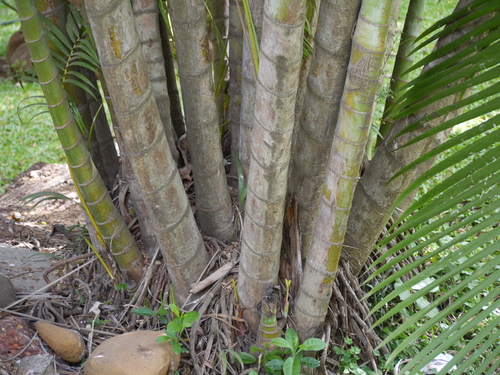
The Areca Palm is a popular indoor palm known for its feathery, arching fronds and air-purifying qualities. It is considered safe for households with pets, though its fibrous nature may cause minor digestive discomfort if ingested in large quantities.
Generally safe for cats & dogs.
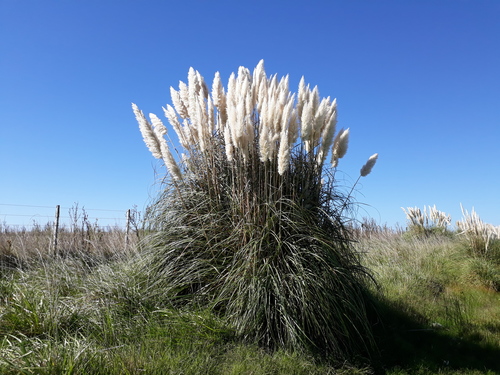
Pampas Grass is a large, ornamental perennial grass known for its dramatic, feathery plumes and sharp-edged foliage. It is generally considered safe for pets, though its fibrous nature may cause mild digestive irritation if consumed in large quantities.
Generally safe for cats & dogs.
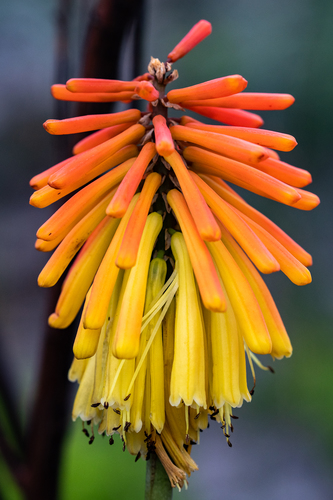
Torch Lily is a striking perennial known for its tall, flame-like flower spikes that add dramatic color to garden landscapes. It is considered non-toxic to pets, though its fibrous foliage may cause minor digestive irritation if consumed in large quantities.
Generally safe for cats & dogs.
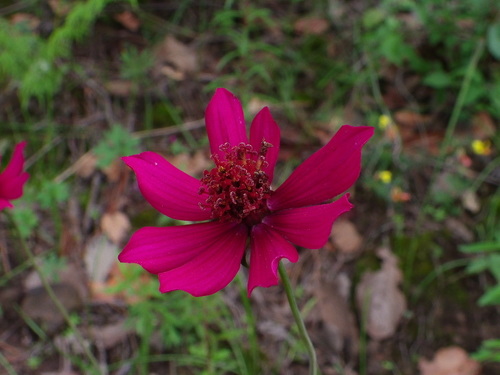
Garden cosmos is a daisy-like annual usually treated as a pet-safe flowering option, though any large plant ingestion can still cause mild stomach upset.
Generally safe for cats & dogs.
Same growing conditions
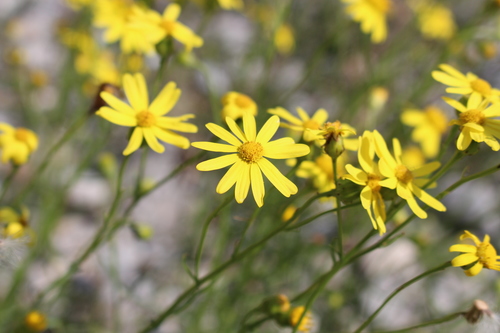
Golden Ragwort is a flowering perennial known for its bright yellow blooms and foliage. It contains pyrrolizidine alkaloids that can cause significant health issues if ingested by pets.
Potentially toxic for cats & dogs.
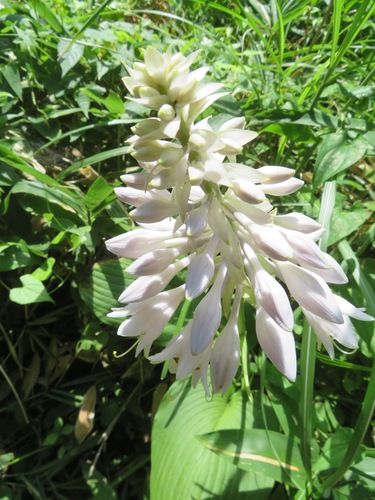
Hosta plantaginea is a popular shade-loving perennial known for its lush, broad foliage and fragrant white flowers. While prized in garden landscapes, it contains saponins that can cause gastrointestinal distress if ingested by pets.
Potentially toxic for cats & dogs.
Featured in our journal
April 28, 20266 min read
The three holiday cacti are a tangle of taxonomy and bloom dates, but the pet question is easy — all three are safe for cats and dogs. The plant to actually worry about this season is the one with cherry-red berries on the gift table.
Read the postApril 28, 20268 min read
Emergency vet clinics see their biggest annual spike in plant-related calls between Thanksgiving and New Year. The list of culprits is short, predictable, and almost entirely avoidable. Here's the seasonal triage guide.
Read the post