Cats & Dogs
Generally safeConsulted references do not classify the plant as toxic for that pet type, while still allowing for mild GI upset if large amounts are chewed.
Sources
Aechmea magdalenae
Aechmea magdalenae is a species of bromeliad known for its large, spiny leaves and striking inflorescence. While many bromeliads are considered non-toxic, the physical structure of this plant poses mechanical injury risks to pets.
Safety status
Cats & Dogs
Generally safeConsulted references do not classify the plant as toxic for that pet type, while still allowing for mild GI upset if large amounts are chewed.
Sources
If a pet has chewed or swallowed plant material and is showing symptoms, contact a veterinarian or poison resource immediately. This product is for structured reference, not diagnosis.
Cats — concern notes
Common signs
Mechanical irritation from spines; potential gastrointestinal upset if ingested.
Escalation note
While not chemically toxic, the sharp spines can cause oral or ocular trauma. Contact a veterinarian if the pet shows signs of distress or persistent vomiting.
Dogs — concern notes
Common signs
Mechanical irritation from spines; potential gastrointestinal upset if ingested.
Escalation note
Physical injury from spines is the primary concern. If ingestion occurs, monitor for vomiting or diarrhea and consult a veterinarian if symptoms persist.
Plants of the World Online (POWO)
botanical · 100% reliability
Official botanical record for Aechmea magdalenae (André) André ex Baker.
ASPCA Toxic Plant List
veterinary · 90% reliability
Most bromeliads are listed as non-toxic to cats and dogs, though physical injury from spines is possible.
Same safety verdict
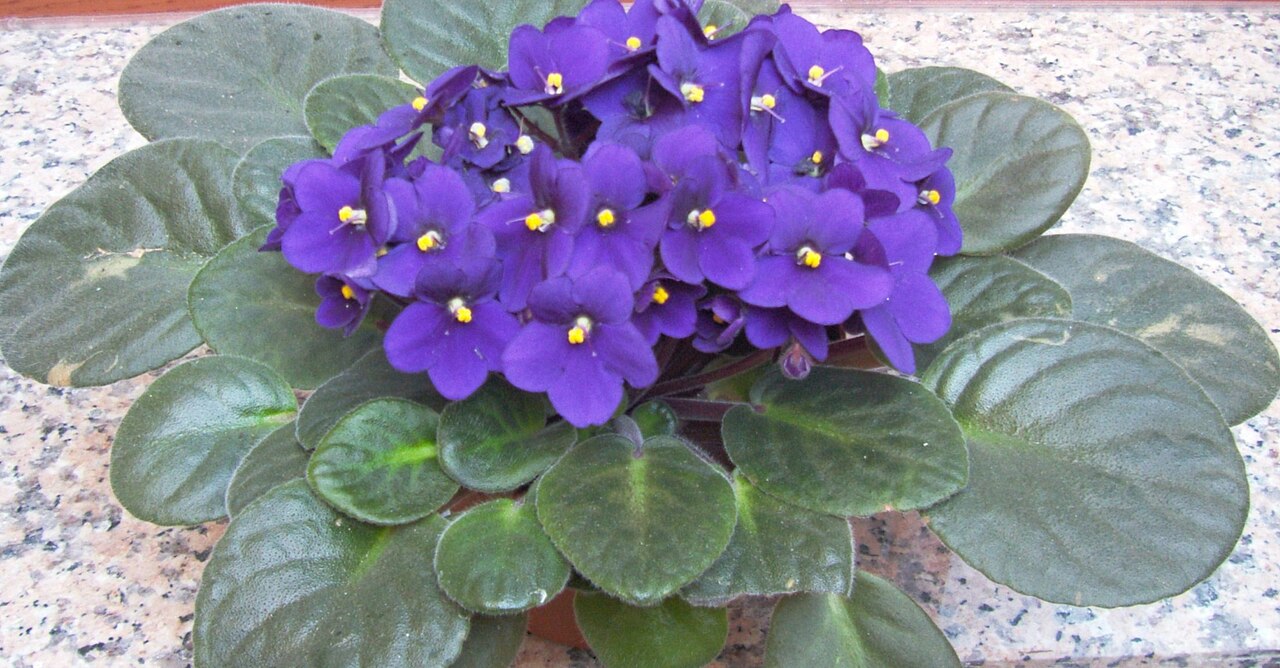
African Violets are popular, low-growing flowering houseplants known for their fuzzy leaves and vibrant blooms. They are considered non-toxic to both cats and dogs.
Generally safe for cats & dogs.
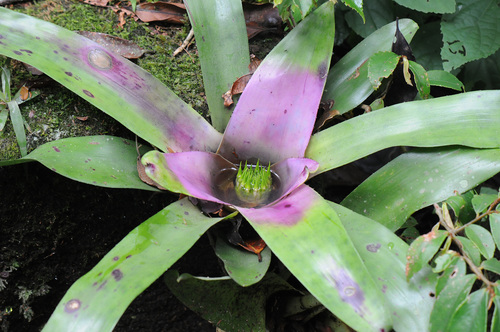
Neoregelia are popular bromeliads known for their vibrant, colorful foliage and water-holding central cups. They are generally considered safe for households with pets, though their fibrous leaves may cause minor digestive irritation if consumed in large quantities.
Generally safe for cats & dogs.
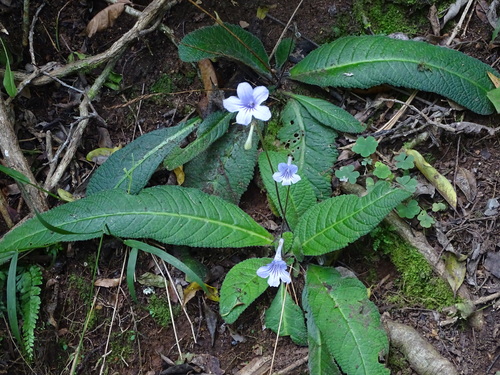
Cape Primrose is a popular flowering houseplant known for its trumpet-shaped blooms and fuzzy, textured foliage. It is considered non-toxic to pets, making it a safe choice for households with cats and dogs.
Generally safe for cats & dogs.
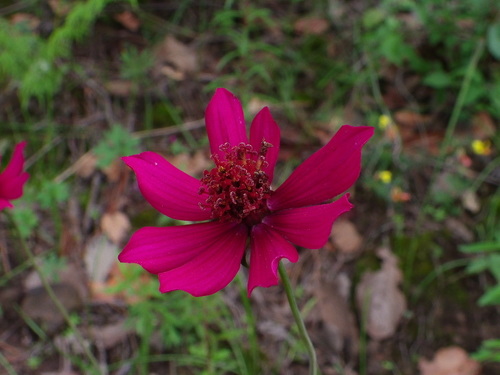
Garden cosmos is a daisy-like annual usually treated as a pet-safe flowering option, though any large plant ingestion can still cause mild stomach upset.
Generally safe for cats & dogs.
Same growing conditions
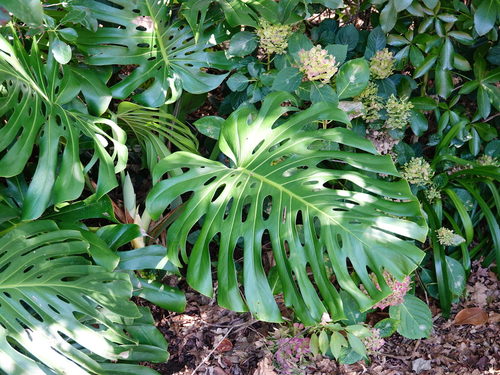
Monstera deliciosa is a popular tropical houseplant known for its large, fenestrated leaves and vining growth habit. It contains insoluble calcium oxalate crystals that can cause irritation if ingested by pets.
Potentially toxic for cats & dogs.
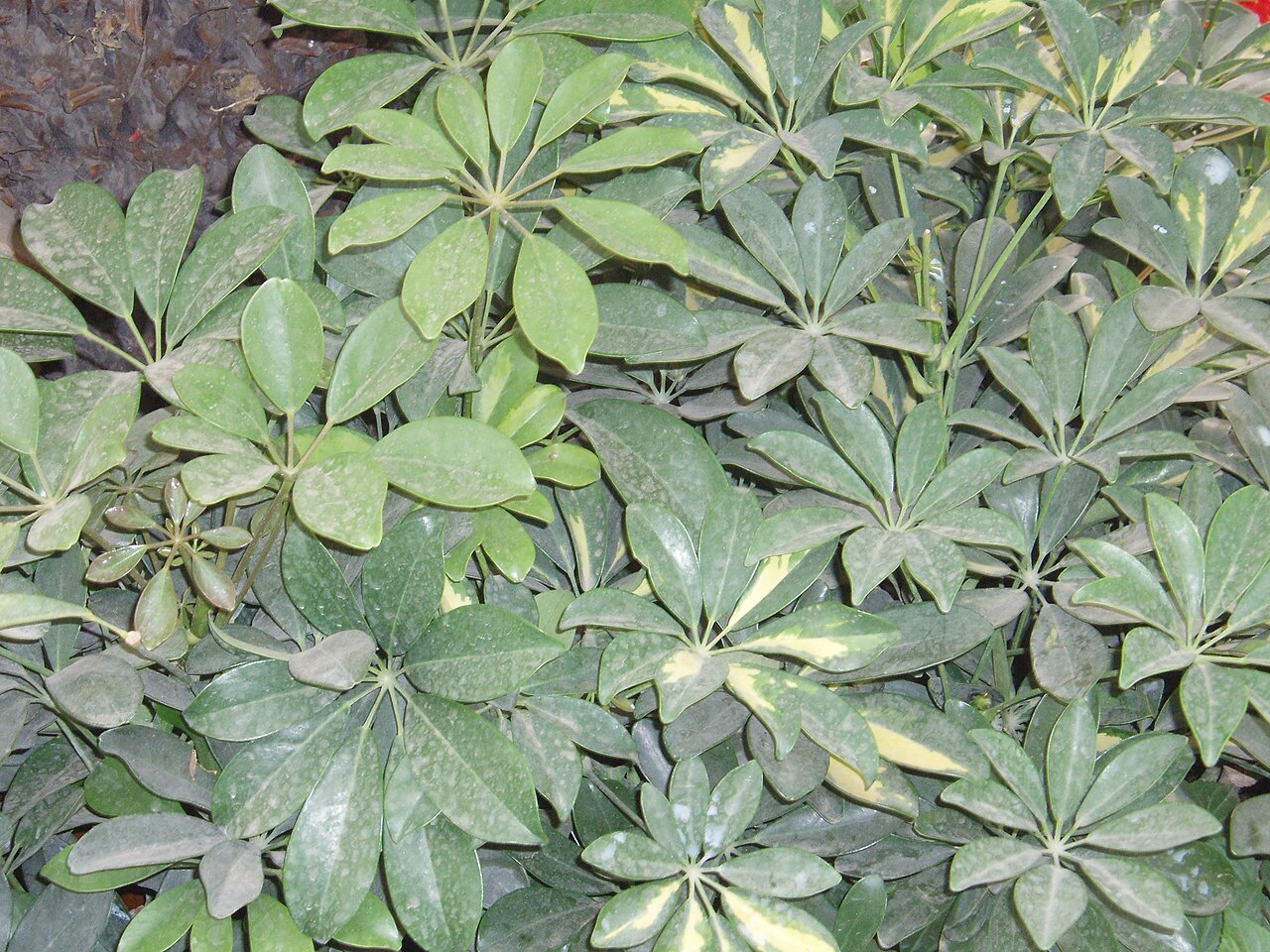
Schefflera is a popular tropical houseplant known for its glossy, palm-like leaflets arranged in a circular pattern. It contains insoluble calcium oxalate crystals that can cause irritation upon ingestion.
Potentially toxic for cats & dogs.
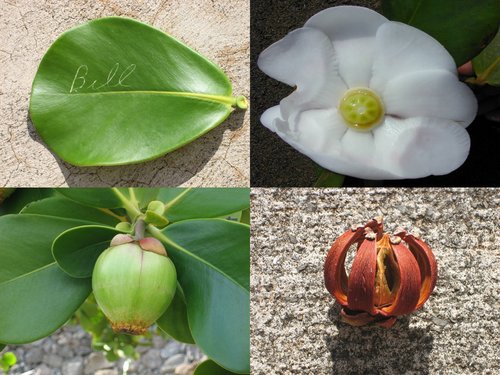
Clusia major is a tropical evergreen shrub known for its thick, leathery leaves and unique ability to grow as an epiphyte. It is commonly kept as a houseplant for its architectural foliage, but it contains compounds that can cause irritation if ingested by pets.
Potentially toxic for cats & dogs.
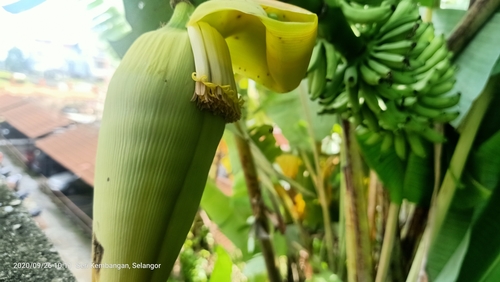
The banana plant is a popular tropical houseplant known for its large, paddle-shaped leaves and rapid growth. It is considered non-toxic to pets, though its fibrous nature may cause mild digestive discomfort if consumed in large quantities.
Generally safe for cats & dogs.