Cats
Generally safeConsulted references do not classify the plant as toxic for that pet type, while still allowing for mild GI upset if large amounts are chewed.
Verified against ASPCA/provenance audit 2026-05-06 on May 6, 2026.
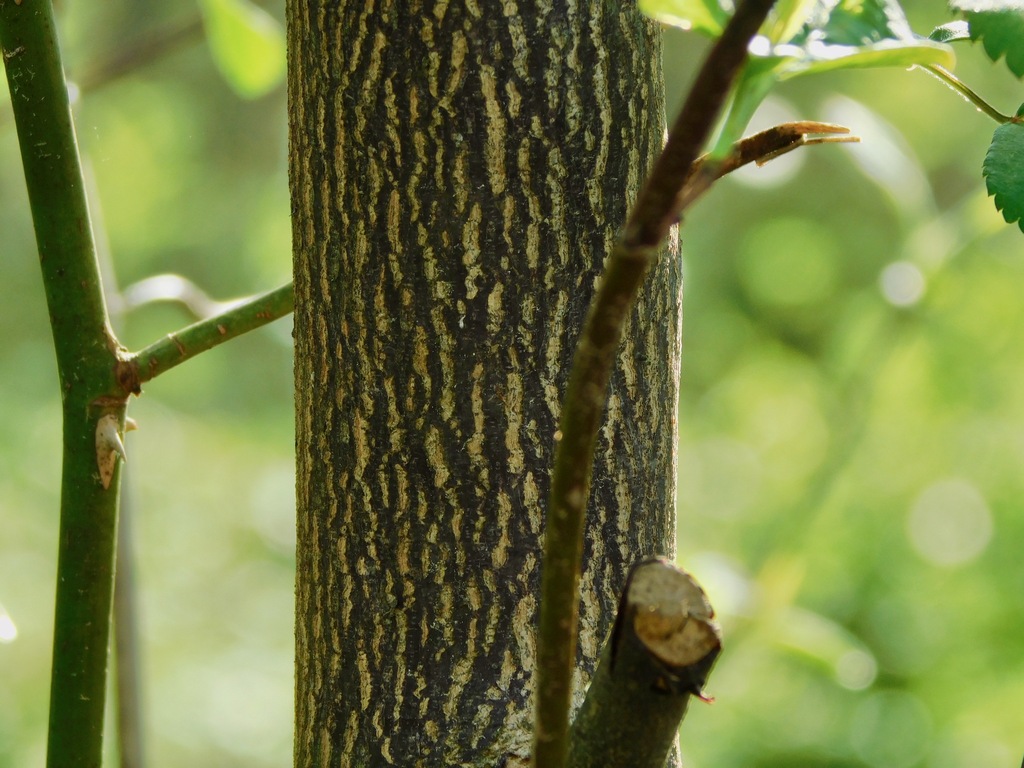
Halesia carolina
Silver Bell is a beautiful deciduous flowering tree known for its delicate, bell-shaped white flowers that appear in spring. It is considered non-toxic to pets, though ingestion of large amounts of plant material may cause minor digestive discomfort.
Safety status
Cats
Generally safeConsulted references do not classify the plant as toxic for that pet type, while still allowing for mild GI upset if large amounts are chewed.
Verified against ASPCA/provenance audit 2026-05-06 on May 6, 2026.
Silver Bell is on the ASPCA's non-toxic list for cats — Halesia carolina has no listed feline toxin. A cat batting at the dangling white flowers or chewing a leaf isn't experiencing a poisoning.
Sources: ASPCA.
If a pet has chewed or swallowed plant material and is showing symptoms, contact a veterinarian or poison resource immediately. This product is for structured reference, not diagnosis.
Cats — concern notes
Common signs
None expected; however, consumption of large quantities of fibrous plant material may lead to mild vomiting or diarrhea.
Escalation note
Generally considered safe. If your cat consumes a significant amount of the plant and shows signs of distress, contact your veterinarian.
Bring it home
Silver Bellis generally pet-safe in ordinary household exposure. If you’d like one for your space, here’s a starting point.
Shop on AmazonSome links earn us a small commission. They never affect our safety classifications.
ASPCA Toxic and Non-Toxic Plants List
toxicology · 99% reliability
Silver bell is listed as non-toxic to both cats and dogs.
NC State Extension Plant Toolbox: Halesia carolina
botanical · 94% reliability
A deciduous tree native to the southeastern United States, valued for its ornamental bell-shaped flowers.
Silver Bell is considered non-toxic to cats. It is classified as generally safe, meaning it does not contain compounds known to cause poisoning in cats.
No toxic symptoms are expected. If your cat consumes a large amount of fibrous plant material, mild vomiting or diarrhea is possible due to the physical bulk, not any toxic principle.
Monitor your cat for GI upset such as vomiting or diarrhea. If symptoms appear or your cat seems distressed after eating a large quantity, contact your veterinarian for guidance.
Non-toxic means Silver Bell is not poisonous to cats, but that does not make it a suitable snack. Large ingestions of any fibrous plant material can cause mild digestive upset, so it is best to discourage chewing on the plant.
Same cat verdict

Caroba is a tropical flowering tree known for its fern-like foliage and clusters of trumpet-shaped purple flowers. It is considered safe for households with pets, though ingestion of large amounts of plant material may cause minor digestive discomfort.
Generally safe for cats & dogs.
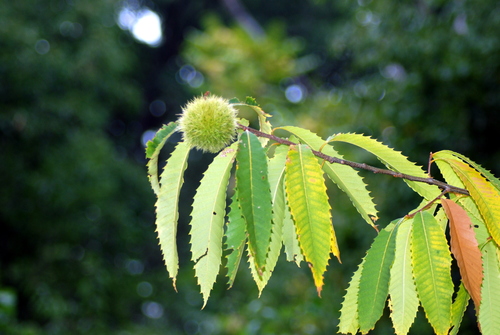
The American Chestnut is a deciduous tree known for its historical significance and edible nuts. It is considered non-toxic to pets, though ingestion of large amounts of fibrous plant material may cause minor digestive discomfort.
Generally safe for cats & dogs.
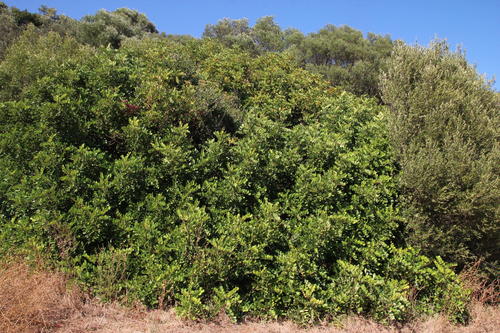
Carob is a Mediterranean evergreen tree known for its edible pods, which are commonly used as a chocolate substitute. It is considered safe for pets, though its fibrous nature may cause minor digestive discomfort if consumed in large quantities.
Generally safe for cats & dogs.
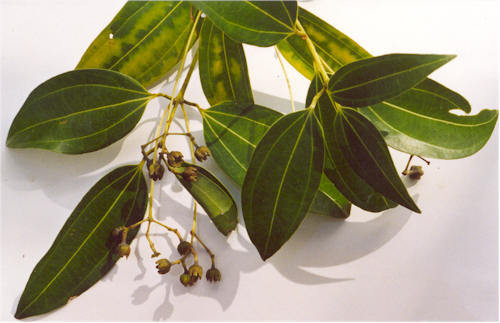
Cinnamon is a popular aromatic spice derived from the bark of trees in the Cinnamomum genus. While generally considered safe for pets, large ingestions of fibrous plant material may cause minor digestive discomfort.
Generally safe for cats & dogs.