Cats
Generally safeConsulted references do not classify the plant as toxic for that pet type, while still allowing for mild GI upset if large amounts are chewed.
Verified against ASPCA/provenance audit 2026-05-06 on May 6, 2026.
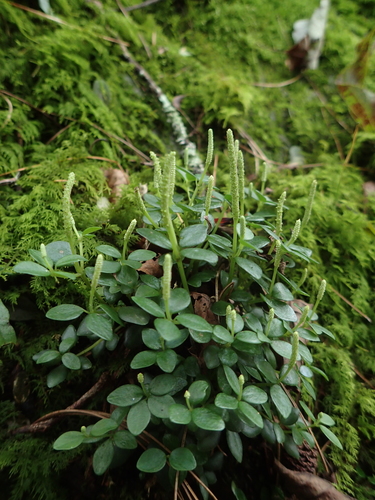
Peperomia obtusifolia
The American Rubber Plant is a popular, low-maintenance houseplant known for its thick, succulent-like leaves. It is considered non-toxic to pets, though ingestion of large amounts of plant material may cause minor digestive discomfort.
Safety status
Cats
Generally safeConsulted references do not classify the plant as toxic for that pet type, while still allowing for mild GI upset if large amounts are chewed.
Verified against ASPCA/provenance audit 2026-05-06 on May 6, 2026.
Cats are safe with Baby Rubber Plant — NC State Extension rates Peperomia obtusifolia non-toxic, and ASPCA confirms no toxic principle for felines. Despite the common name 'rubber plant,' it is not the same species as the toxic Ficus elastica, and cats can share a room with it without concern.
Sources: NC State Extension, ASPCA.
If a pet has chewed or swallowed plant material and is showing symptoms, contact a veterinarian or poison resource immediately. This product is for structured reference, not diagnosis.
Cats — concern notes
Common signs
None expected; however, consumption of large amounts of fibrous plant material may lead to mild vomiting or diarrhea.
Escalation note
This plant is considered non-toxic. If your cat consumes a significant amount and shows persistent signs of distress, contact your veterinarian.
Bring it home
Baby Rubber Plantis generally pet-safe in ordinary household exposure. If you’d like one for your space, here’s a starting point.
Shop on AmazonSome links earn us a small commission. They never affect our safety classifications.
NC State Extension Plant Toolbox
botanical · 94% reliability
Peperomia obtusifolia is a species of plant in the family Piperaceae, native to Florida, Mexico, and the Caribbean.
No, the Baby Rubber Plant (Peperomia obtusifolia) is considered non-toxic to cats. It is classified as generally safe, meaning it does not contain toxic principles that cause poisoning — though non-toxic does not mean it is harmless in large quantities.
Eating a small amount is unlikely to cause any reaction. If your cat consumes a large amount of the fibrous plant material, mild vomiting or diarrhea may occur due to digestive irritation, not toxicity.
There is no toxic threshold because the plant is non-toxic, but large ingestions of any fibrous plant material can cause temporary GI upset such as vomiting or diarrhea. A nibble or two is very unlikely to cause any symptoms at all.
If your cat ate a significant amount and is showing persistent vomiting, diarrhea, or signs of distress, contact your veterinarian. Because the plant is non-toxic, serious illness is not expected, but prolonged GI symptoms always warrant a vet check.
Same cat verdict
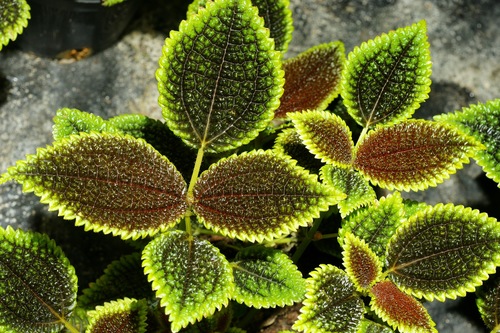
The Aluminum Plant is a popular indoor foliage plant known for its striking silver-patterned leaves and compact growth habit. It is considered safe for households with pets, though large ingestions of plant material may occasionally cause minor digestive discomfort.
Generally safe for cats & dogs.
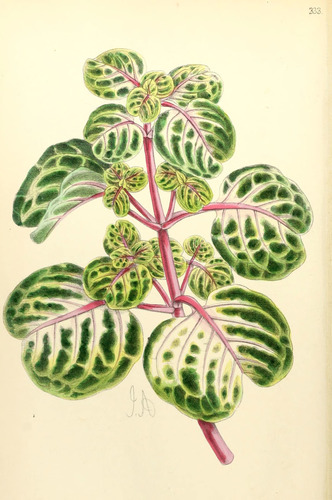
Bloodleaf is a vibrant ornamental plant known for its striking deep red or purple foliage. While it is considered non-toxic, ingestion of large amounts of plant material may cause mild digestive discomfort.
Generally safe for cats & dogs.