Cats
Generally safeConsulted references do not classify the plant as toxic for that pet type, while still allowing for mild GI upset if large amounts are chewed.
Verified against ASPCA/provenance audit 2026-05-06 on May 6, 2026.
Sources
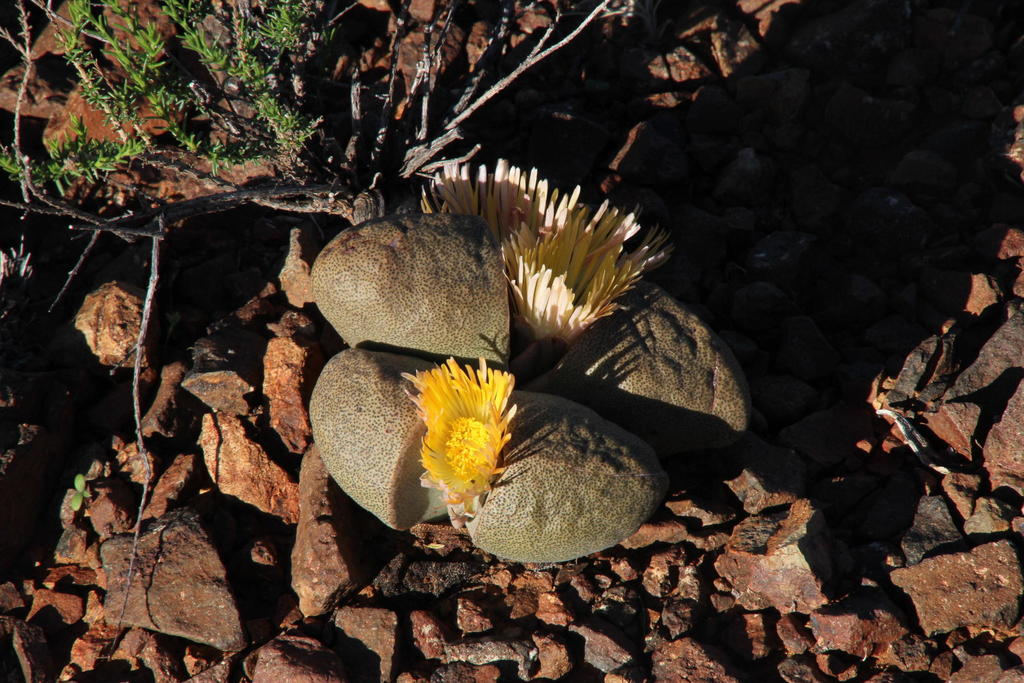
Pleiospilos bolusii
The Living Rock Cactus is a unique succulent that mimics the appearance of stones to blend into its natural environment. It is considered non-toxic to pets, though its fibrous texture may cause minor digestive discomfort if consumed in large quantities.
Safety status
Cats
Generally safeConsulted references do not classify the plant as toxic for that pet type, while still allowing for mild GI upset if large amounts are chewed.
Verified against ASPCA/provenance audit 2026-05-06 on May 6, 2026.
Sources
Cats are safe around the Living Rock Cactus — ASPCA lists it as non-toxic to cats, with no toxic principle identified.
Sources: ASPCA.
If a pet has chewed or swallowed plant material and is showing symptoms, contact a veterinarian or poison resource immediately. This product is for structured reference, not diagnosis.
Cats — concern notes
Common signs
None expected; however, ingestion of large amounts of fibrous plant material may lead to mild vomiting or diarrhea.
Escalation note
This plant is non-toxic. If your cat consumes a significant amount and shows signs of distress, contact your veterinarian for guidance.
Bring it home
Living Rock Cactusis generally pet-safe in ordinary household exposure. If you’d like one for your space, here’s a starting point.
Shop on AmazonSome links earn us a small commission. They never affect our safety classifications.
ASPCA Toxic Plant List
toxicology · 99% reliability
Living Rock Cactus (Pleiospilos bolusii) is listed as non-toxic to both cats and dogs.
Kew Plants of the World Online
botanical · 95% reliability
Accepted botanical classification for Pleiospilos bolusii.
No, Living Rock Cactus (Pleiospilos bolusii) is considered non-toxic to cats. It is classified as generally safe, meaning it does not contain toxic principles that would poison your cat.
Toxic effects are not expected. Because the plant is fibrous, ingesting a large amount may cause mild vomiting or diarrhea, but serious illness is unlikely. If symptoms persist or your cat seems distressed, contact your veterinarian.
Monitor your cat for mild GI signs like vomiting or loose stools, which could result from eating a significant amount of fibrous plant material. These should resolve on their own; if your cat shows ongoing distress or the symptoms are severe, call your vet.
Non-toxic means the plant does not contain compounds that cause poisoning, but it is not a suitable food for cats. Regular or large ingestions of fibrous succulents can irritate the digestive tract and cause recurring GI upset, so it's best to keep the plant out of reach.
Same cat verdict
Dinteranthus is a small, stone-like succulent native to South Africa, prized for its unique pebble-like appearance and drought tolerance. It is considered safe for households with pets, though its fibrous texture may cause minor digestive discomfort if consumed in large quantities.
Generally safe for cats & dogs.

The Easter Lily Cactus is a popular, low-maintenance succulent known for its large, fragrant, trumpet-shaped flowers. While generally considered safe for pets, it is a cactus and should be kept out of reach to avoid injury from its spines.
Generally safe for cats & dogs.

Purple Baby Tears is a small, succulent plant native to South Africa, prized for its unique windowed leaves and vibrant purple flowers. It is considered safe for households with pets, though ingestion of any plant material can occasionally cause minor digestive discomfort.
Generally safe for cats & dogs.
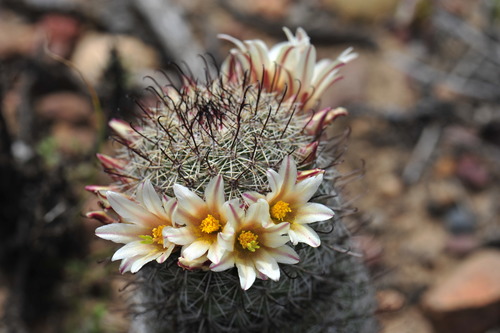
The Thimble Cactus is a small, clumping succulent known for its delicate, finger-like stems covered in soft spines. It is generally considered safe for pets, though its physical structure may cause minor irritation if ingested.
Generally safe for cats & dogs.