Cats
Generally safeConsulted references do not classify the plant as toxic for that pet type, while still allowing for mild GI upset if large amounts are chewed.
Verified against ASPCA/provenance audit 2026-05-06 on May 6, 2026.
Sources
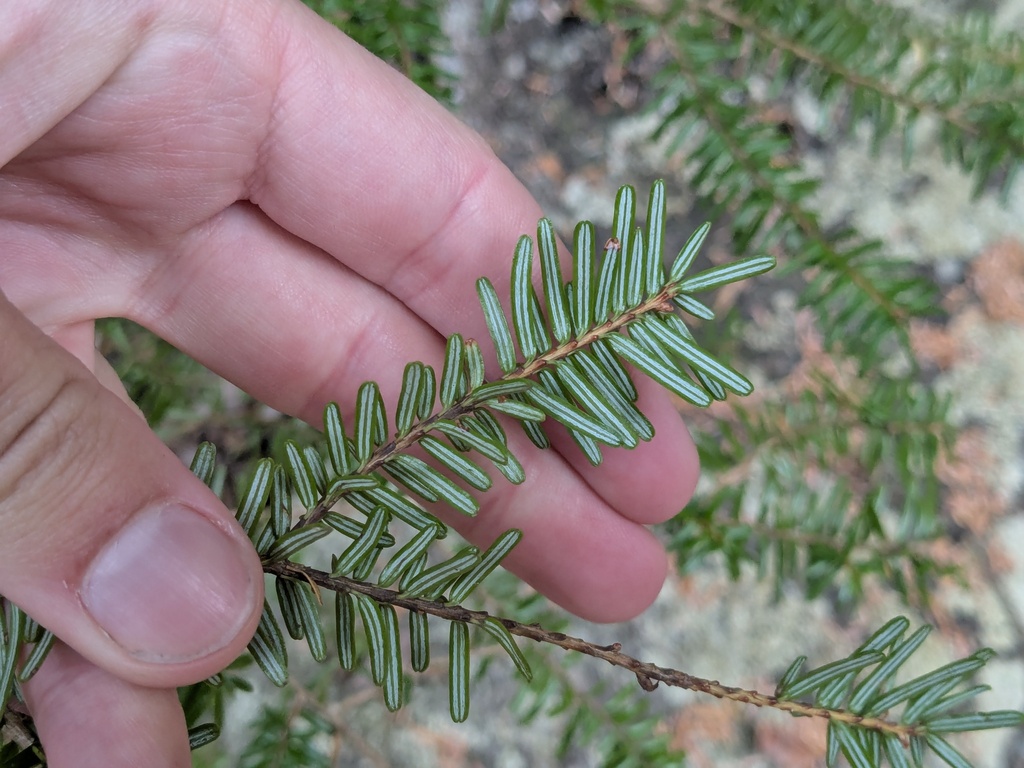
Tsuga species
Hemlock trees are coniferous evergreens often used in landscaping. While they are not considered toxic, ingestion of large amounts of plant material may cause minor digestive discomfort due to the fibrous nature of the needles.
Safety status
Cats
Generally safeConsulted references do not classify the plant as toxic for that pet type, while still allowing for mild GI upset if large amounts are chewed.
Verified against ASPCA/provenance audit 2026-05-06 on May 6, 2026.
Sources
Cats are not poisoned by ornamental hemlock trees — ASPCA classifies the Tsuga genus as non-toxic to cats. Don't confuse this conifer with poison hemlock (Conium maculatum), which is unrelated and dangerous; Tsuga needles and bark have no toxic principle, so a cat batting at a low branch is not at risk of poisoning.
Sources: ASPCA.
If a pet has chewed or swallowed plant material and is showing symptoms, contact a veterinarian or poison resource immediately. This product is for structured reference, not diagnosis.
Cats — concern notes
Common signs
None expected, though large ingestions of fibrous needles may cause mild vomiting or diarrhea.
Escalation note
Generally considered non-toxic. If your cat consumes a significant amount and shows signs of distress, contact your veterinarian.
Bring it home
Hemlock Treeis generally pet-safe in ordinary household exposure. If you’d like one for your space, here’s a starting point.
Shop on AmazonSome links earn us a small commission. They never affect our safety classifications.
ASPCA Toxic Plant List
toxicology · 99% reliability
Hemlock (Tsuga species) is listed as non-toxic to cats and dogs.
NC State Extension Plant Toolbox
botanical · 94% reliability
Tsuga canadensis is a native evergreen conifer known for its ornamental value in landscapes.
Hemlock trees (Tsuga species) are generally considered non-toxic to cats. They are not the same as poison hemlock (Conium maculatum), which is a completely different and highly dangerous plant.
No toxic effects are expected, but the fibrous needles may cause mild vomiting or diarrhea if your cat eats a significant amount due to their indigestible texture.
Monitor your cat for signs of GI upset such as vomiting or diarrhea. If symptoms appear or your cat seems distressed after a large ingestion, contact your veterinarian.
Hemlock trees (Tsuga species) are non-toxic to cats, so outdoor exposure is not a toxicity concern. That said, non-toxic does not mean harmless in large quantities — repeated nibbling on the fibrous needles can still cause stomach upset.