Cats
Generally safeConsulted references do not classify the plant as toxic for that pet type, while still allowing for mild GI upset if large amounts are chewed.
Verified against ASPCA/provenance audit 2026-05-06 on May 6, 2026.
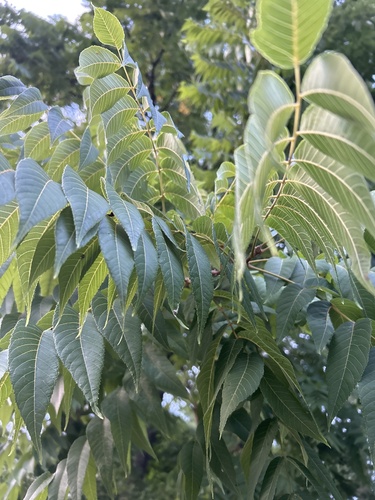
Juglans nigra
The Black Walnut is a large deciduous tree native to North America, widely recognized for its edible nuts and distinctively dark, hard wood. While generally considered safe for cats, the plant material and nuts can pose specific health risks to dogs.
Safety status
Cats
Generally safeConsulted references do not classify the plant as toxic for that pet type, while still allowing for mild GI upset if large amounts are chewed.
Verified against ASPCA/provenance audit 2026-05-06 on May 6, 2026.
For cats specifically, ASPCA lists Black Walnut as non-toxic and identifies no toxic principle for felines. Note that this safety profile is cat-only — the same tree is considered toxic to dogs (especially moldy nuts and hulls) and to horses, so don't extrapolate to other pets in the household.
Sources: ASPCA.
If a pet has chewed or swallowed plant material and is showing symptoms, contact a veterinarian or poison resource immediately. This product is for structured reference, not diagnosis.
Cats — concern notes
Common signs
None expected for cats from the plant toxicity profile; eating large amounts of plant material may still cause mild stomach upset.
Escalation note
ASPCA lists Black Walnut as non-toxic to cats, while dogs and horses have separate toxicity concerns. Monitor any unusual signs and contact a veterinarian if symptoms persist.
ASPCA Toxic and Non-Toxic Plants: Black Walnut
toxicology · 99% reliability
ASPCA lists Black Walnut (Juglans nigra) as non-toxic to cats, while the same page lists toxicity concerns for dogs and horses.
No. Black Walnut poses specific toxicity risks to dogs and horses, but the ASPCA lists it as non-toxic to cats. The toxicity concerns associated with Black Walnut — including juglone and mold-related issues in dogs — do not apply to the feline toxicity profile.
Black Walnut (Juglans nigra) is listed as non-toxic to cats by the ASPCA. Unlike dogs and horses, which have separate toxicity concerns with Black Walnut, cats are not expected to experience toxicity from the plant material or nuts.
No toxic symptoms are expected for cats from Black Walnut based on the ASPCA toxicity profile. Eating a large amount of plant material may still cause mild stomach upset, so watch for vomiting or diarrhea if your cat ingests a significant quantity.
Because Black Walnut is non-toxic to cats, a small ingestion is unlikely to require emergency care. Monitor your cat for any signs of stomach upset such as vomiting or lethargy; if symptoms persist or your cat ate a very large amount, contact your veterinarian.