Cats
Generally safeConsulted references do not classify the plant as toxic for that pet type, while still allowing for mild GI upset if large amounts are chewed.
Verified against ASPCA/provenance audit 2026-05-06 on May 6, 2026.
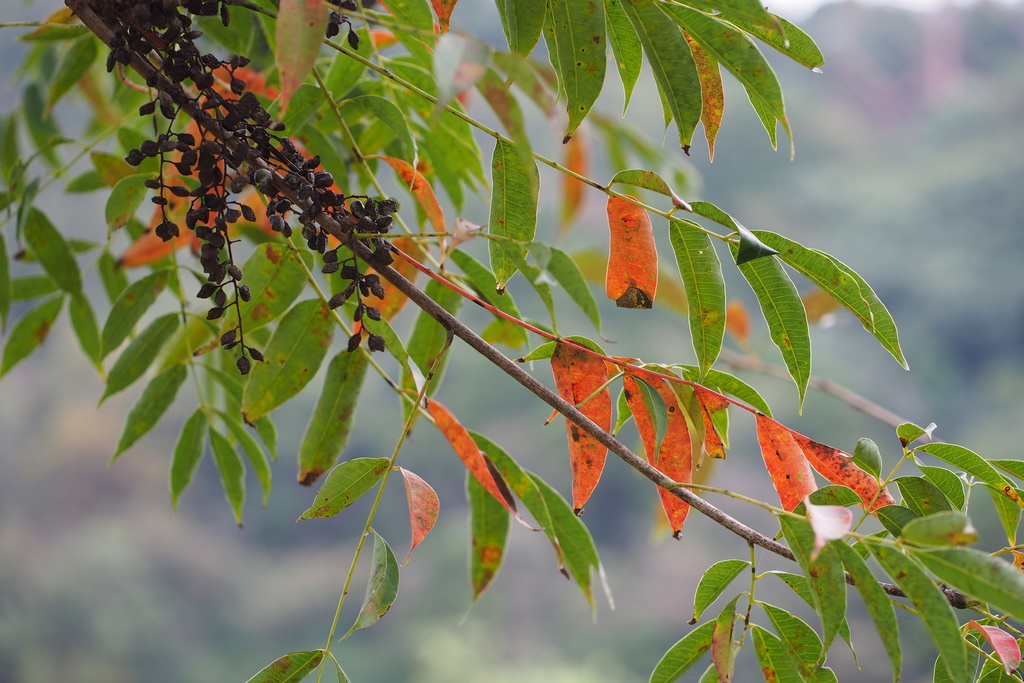
Toxicodendron species
Poison Ivy is a woody vine or shrub known for causing contact dermatitis in humans due to urushiol oil. While not systemically toxic to pets, ingestion of large amounts of fibrous plant material may cause mild gastrointestinal irritation.
Safety status
Cats
Generally safeConsulted references do not classify the plant as toxic for that pet type, while still allowing for mild GI upset if large amounts are chewed.
Verified against ASPCA/provenance audit 2026-05-06 on May 6, 2026.
Cats are not poisoned by poison ivy — ASPCA lists no internal toxicity if a cat chews a leaf. The real concern is urushiol oil clinging to fur, which can transfer to humans and trigger the familiar itchy rash.
Cats themselves rarely show a rash thanks to their dense coat, but watch their humans for redness, blisters, or itching after petting a cat that's been outdoors near poison ivy.
Sources: ASPCA.
If a pet has chewed or swallowed plant material and is showing symptoms, contact a veterinarian or poison resource immediately. This product is for structured reference, not diagnosis.
Cats — concern notes
Common signs
No specific toxicity symptoms are expected, though chewing or swallowing plant material may still cause mild stomach upset.
Escalation note
This plant is listed by ASPCA as non-toxic for this pet. Monitor for digestive upset after large ingestion and contact a veterinarian if symptoms persist.
ASPCA Toxic and Non-Toxic Plants List
toxicology · 99% reliability
Poison Ivy is listed as non-toxic to cats and dogs by the ASPCA.
NC State Extension Plant Toolbox: Toxicodendron radicans
botanical · 94% reliability
Provides botanical identification and notes on the plant's habit and ecological role.
Poison ivy is listed as non-toxic to cats by the ASPCA. While the urushiol oil causes contact dermatitis in humans, cats do not show the same systemic sensitivity — though chewing or swallowing large amounts of plant material may cause mild stomach upset.
Cats rarely develop a rash from poison ivy because their dense fur coat shields their skin from urushiol oil contact. The bigger risk is to humans: if your cat has been wandering outdoors near poison ivy, urushiol can cling to their coat and transfer to your skin when you pet them, causing redness, blisters, or itching in you.
No specific toxicity symptoms are expected, but eating fibrous plant material in large amounts can cause mild gastrointestinal irritation such as vomiting or lethargy. Monitor your cat after ingestion and contact your veterinarian if symptoms develop or persist.
No — the reaction is very different. Humans are sensitive to urushiol oil and can develop severe contact dermatitis from minimal exposure, while cats are not known to react the same way. The ASPCA classifies poison ivy as non-toxic for cats, though large ingestions may still cause minor digestive upset. Non-toxic does not mean safe to eat in quantity.