Cats
Generally safeConsulted references do not classify the plant as toxic for that pet type, while still allowing for mild GI upset if large amounts are chewed.
Verified against ASPCA/provenance audit 2026-05-06 on May 6, 2026.
Sources
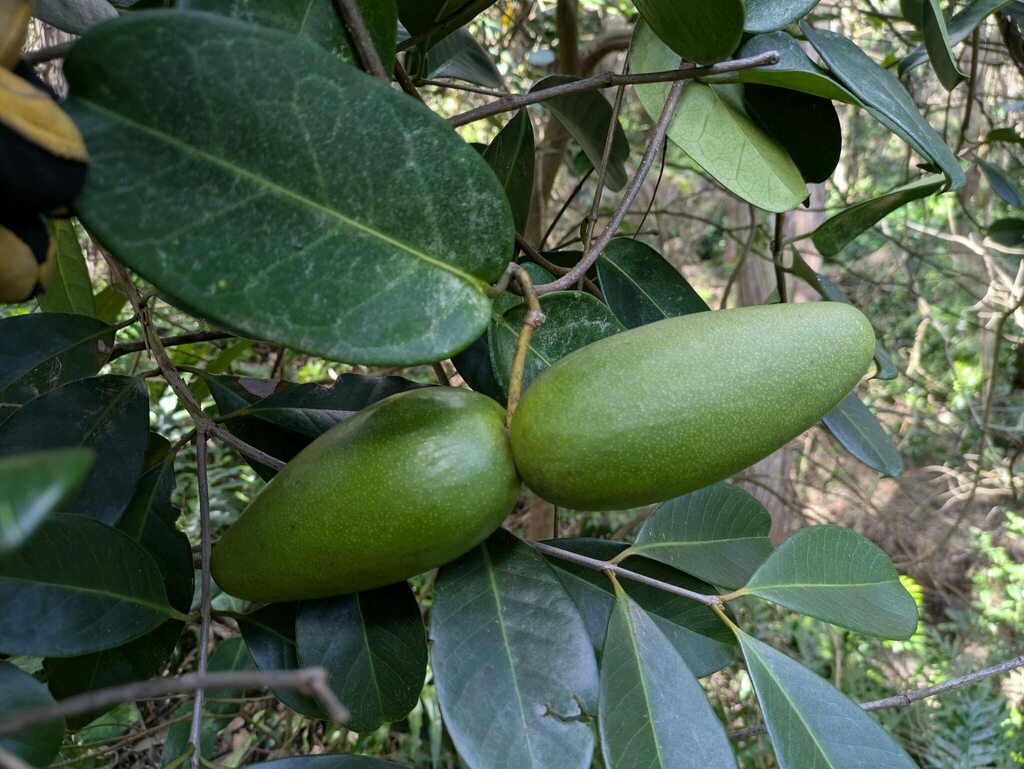
Stephanotis floribunda
Madagascar Jasmine is a popular, fragrant vining plant often used in bridal bouquets and indoor containers. While it is not considered toxic, its fibrous stems and leaves may cause minor digestive discomfort if consumed in large quantities.
Safety status
Cats
Generally safeConsulted references do not classify the plant as toxic for that pet type, while still allowing for mild GI upset if large amounts are chewed.
Verified against ASPCA/provenance audit 2026-05-06 on May 6, 2026.
Sources
Cats are safe around Madagascar Jasmine — ASPCA lists Stephanotis floribunda as non-toxic to cats, with no toxic principle identified.
Sources: ASPCA.
If a pet has chewed or swallowed plant material and is showing symptoms, contact a veterinarian or poison resource immediately. This product is for structured reference, not diagnosis.
Cats — concern notes
Common signs
No specific toxicity symptoms are expected, though chewing or swallowing plant material may still cause mild stomach upset.
Escalation note
This plant is listed by ASPCA as non-toxic for this pet. Monitor for digestive upset after large ingestion and contact a veterinarian if symptoms persist.
ASPCA Toxic Plant List
toxicology · 99% reliability
Madagascar Jasmine is listed as non-toxic to cats and dogs.
Plants of the World Online (Kew)
botanical · 95% reliability
Accepted botanical name and distribution data for Stephanotis floribunda.
Madagascar Jasmine (Stephanotis floribunda) is listed as non-toxic to cats by the ASPCA. It is not expected to cause poisoning, though like any plant material, large amounts may lead to mild stomach upset.
Specific toxicity symptoms are not expected — this plant is considered non-toxic for cats. If your cat eats a significant amount, watch for mild digestive signs like vomiting or loose stools, which should resolve on their own; contact your vet if symptoms persist.
A small nibble is unlikely to need veterinary attention, but if your cat consumed a large quantity and is showing ongoing vomiting or lethargy, contact your veterinarian. Because this plant is non-toxic, emergency intervention is generally not expected.
No specific part of Madagascar Jasmine is documented as more hazardous than another for cats. The fibrous stems and leaves may be harder to digest and slightly more likely to cause mild GI upset in large amounts, but no part is classified as toxic according to the ASPCA.