Cats
Generally safeConsulted references do not classify the plant as toxic for that pet type, while still allowing for mild GI upset if large amounts are chewed.
Verified against ASPCA/provenance audit 2026-05-06 on May 6, 2026.
Sources
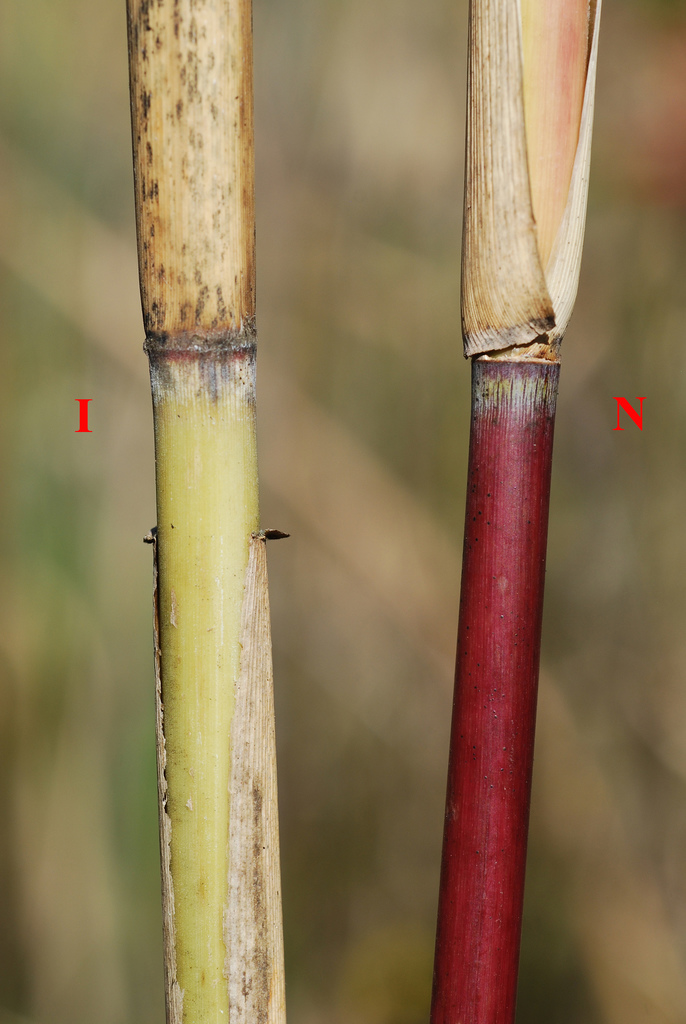
Canna generalis
Also known as Canna indica
Canna Lily is a popular tropical perennial known for its vibrant, large flowers and bold foliage. It is considered safe for pets, though its fibrous nature may cause minor digestive discomfort if consumed in large quantities.
Safety status
Cats
Generally safeConsulted references do not classify the plant as toxic for that pet type, while still allowing for mild GI upset if large amounts are chewed.
Verified against ASPCA/provenance audit 2026-05-06 on May 6, 2026.
Sources
Despite the common name, Canna Lily is not a true lily — it's in the Cannaceae family, not Liliaceae — which matters for cats because true lilies (Lilium and Hemerocallis species) cause life-threatening kidney failure in cats. ASPCA lists Canna generalis itself as non-toxic to cats, but always confirm the genus before assuming any "lily" is safe.
Sources: ASPCA.
If a pet has chewed or swallowed plant material and is showing symptoms, contact a veterinarian or poison resource immediately. This product is for structured reference, not diagnosis.
Cats — concern notes
Common signs
Generally none; however, ingestion of large amounts of fibrous plant material may cause mild vomiting or diarrhea.
Escalation note
The plant is non-toxic, but if your cat consumes a significant amount and shows persistent gastrointestinal distress, contact your veterinarian.
Bring it home
Canna Lilyis generally pet-safe in ordinary household exposure. If you’d like one for your space, here’s a starting point.
Shop on AmazonSome links earn us a small commission. They never affect our safety classifications.
ASPCA Toxic Plant List
toxicology · 99% reliability
Canna Lily is listed as non-toxic to both cats and dogs.
NC State Extension Plant Toolbox
botanical · 94% reliability
Canna generalis is a rhizomatous perennial that is widely grown for its ornamental foliage and flowers.
Yes — the word 'lily' in the name causes understandable alarm, but Canna generalis is botanically unrelated to the true lilies (Lilium spp.) and daylilies (Hemerocallis spp.) that can cause acute kidney failure in cats. If you are unsure which plant your cat ate, verify the species before assuming it is safe.
No, Canna Lily (Canna generalis) is considered non-toxic to cats. It is not the same as true lilies (Lilium or Hemerocallis species), which are extremely dangerous to cats — so the 'lily' in the name can be misleading.
Because Canna Lily is non-toxic, most cats will have no reaction at all. Ingestion of large amounts of the fibrous plant material may cause mild vomiting or diarrhea, but serious illness is not expected.
A small nibble is unlikely to require veterinary attention. If your cat ate a significant amount and is showing persistent vomiting or diarrhea, contact your veterinarian — not because the plant is toxic, but because large amounts of fibrous material can cause prolonged GI upset.
Same cat verdict
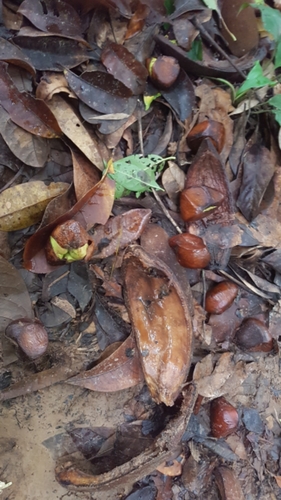
The Money Tree is a popular indoor plant known for its braided trunk and palm-like leaves, often associated with good luck and prosperity in home decor.
Generally safe for cats & dogs.
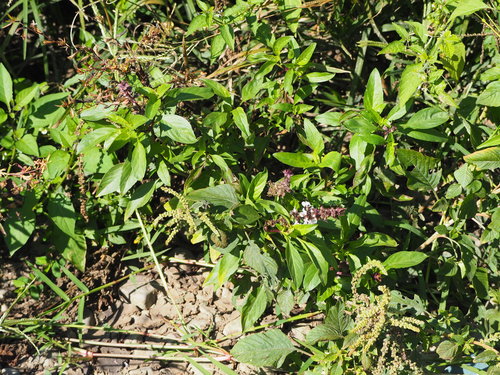
Basil is a popular culinary herb known for its aromatic leaves and ease of growth in sunny indoor or outdoor environments. It is considered safe for pets, though large ingestions of fibrous plant material may occasionally cause minor digestive discomfort.
Generally safe for cats & dogs.
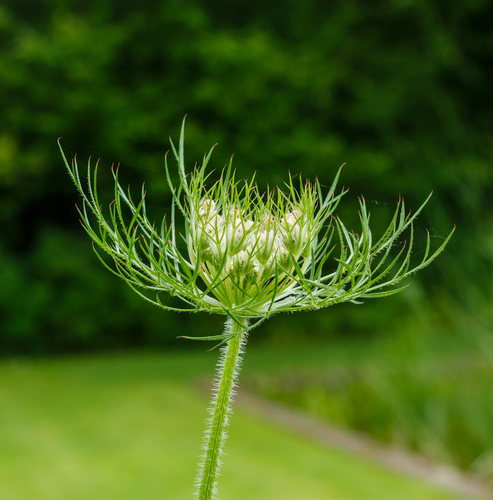
The carrot is a popular root vegetable often grown in home gardens, known for its edible taproot and feathery foliage. It is considered safe for pets, though large ingestions of fibrous plant material may occasionally cause minor digestive upset.
Generally safe for cats & dogs.
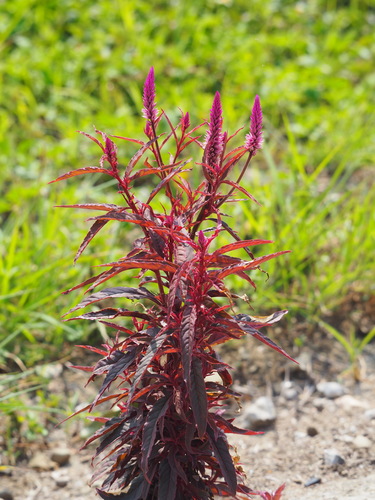
Celosia is a popular ornamental plant known for its vibrant, feathery, or plume-like flower spikes. It is widely considered safe for households with pets, though ingestion of large amounts of fibrous plant material may cause minor digestive discomfort.
Generally safe for cats & dogs.