Cats
Generally safeConsulted references do not classify the plant as toxic for that pet type, while still allowing for mild GI upset if large amounts are chewed.
Verified against ASPCA/provenance audit 2026-05-06 on May 6, 2026.
Sources
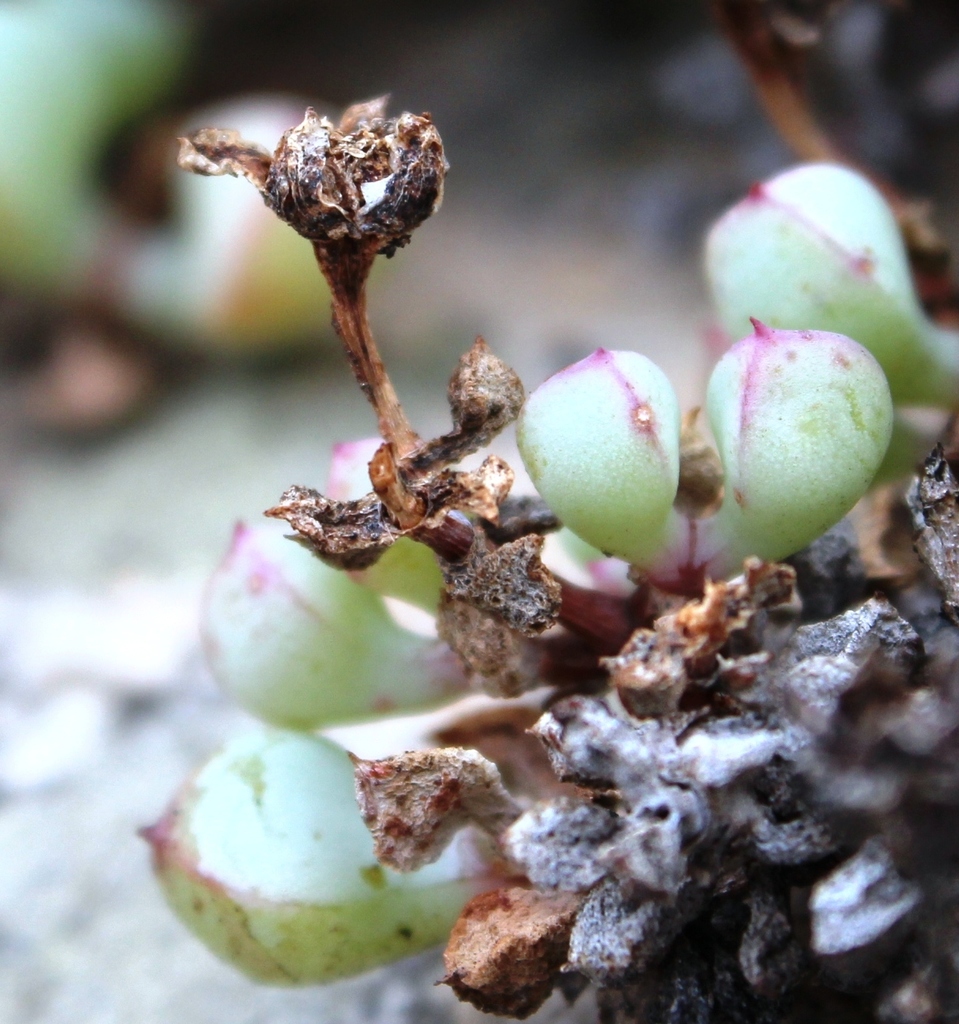
Lampranthus piquet
Ice Plant is a succulent groundcover known for its vibrant, daisy-like flowers and fleshy, triangular leaves. It is generally considered safe for pets, though ingestion of large amounts of fibrous plant material may cause minor digestive discomfort.
Safety status
Cats
Generally safeConsulted references do not classify the plant as toxic for that pet type, while still allowing for mild GI upset if large amounts are chewed.
Verified against ASPCA/provenance audit 2026-05-06 on May 6, 2026.
Sources
Cats are not poisoned by ice plant — ASPCA classifies Lampranthus as non-toxic to cats. The succulent fingers of leaf are mostly water and carry no toxic principle, so a cat that chews them faces no risk of poisoning and at worst mild loose stool from the moisture.
Sources: ASPCA.
If a pet has chewed or swallowed plant material and is showing symptoms, contact a veterinarian or poison resource immediately. This product is for structured reference, not diagnosis.
Cats — concern notes
Common signs
None expected; however, consumption of large quantities may lead to mild vomiting or diarrhea due to the fibrous nature of the plant.
Escalation note
This plant is non-toxic. If your cat consumes a significant amount and shows persistent signs of distress, contact your veterinarian.
Bring it home
Ice Plantis generally pet-safe in ordinary household exposure. If you’d like one for your space, here’s a starting point.
Shop on AmazonSome links earn us a small commission. They never affect our safety classifications.
ASPCA Toxic Plant List
toxicology · 99% reliability
Ice Plant (Lampranthus piquet) is listed as non-toxic to cats and dogs.
Kew Plants of the World Online
botanical · 95% reliability
Botanical record for Lampranthus piquet, confirming its classification within the Aizoaceae family.
A chew or small bite is not a concern — Ice Plant is non-toxic to cats. If your cat ate a large amount and shows persistent vomiting or diarrhea, contact your veterinarian, but serious illness is not expected.
No, Ice Plant (Lampranthus piquet) is non-toxic to cats. It is generally considered safe, and no toxic principles have been documented for this plant in cats.
Symptoms are not expected from small amounts. If your cat consumes a large quantity of Ice Plant, the fibrous plant material may cause mild vomiting or diarrhea; these effects are due to bulk ingestion, not toxicity.
Small nibbles are unlikely to cause any reaction. Only consumption of significant quantities is associated with potential mild GI upset, and even then the plant itself is non-toxic.
Same cat verdict
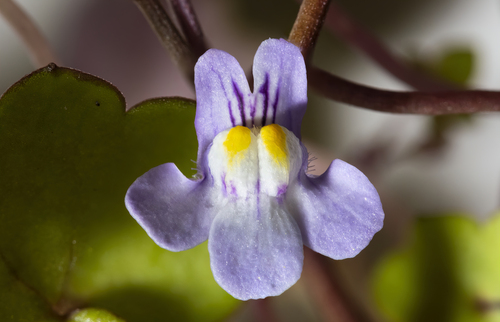
Kenilworth Ivy is a delicate, trailing perennial often found growing in rock walls or as a ground cover. It is considered non-toxic to pets, though large ingestions of any fibrous plant material may cause minor digestive upset.
Generally safe for cats & dogs.
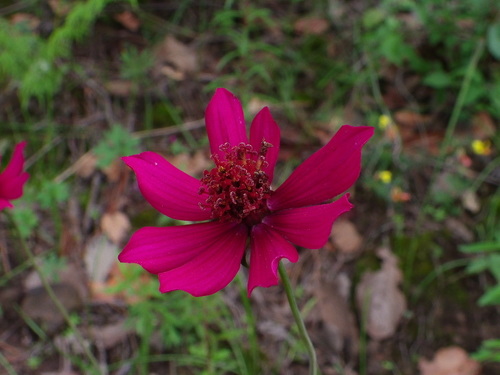
Garden cosmos is a daisy-like annual usually treated as a pet-safe flowering option, though any large plant ingestion can still cause mild stomach upset.
Generally safe for cats & dogs.
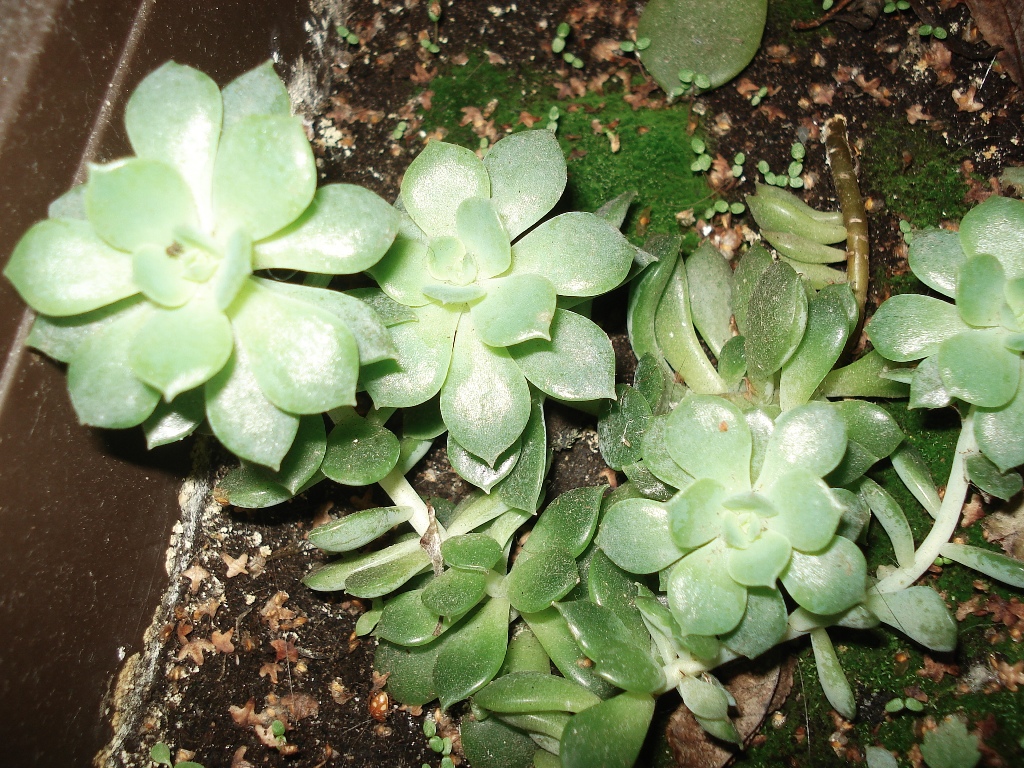
Echeveria is a popular, rosette-forming succulent known for its fleshy, architectural leaves and ease of care. It is considered non-toxic to pets, though ingestion of large amounts of fibrous plant material may cause minor digestive discomfort.
Generally safe for cats & dogs.
The Money Tree is a popular indoor plant known for its braided trunk and palm-like leaves, often associated with good luck and prosperity in home decor.
Generally safe for cats & dogs.