Cats
UncertainIdentity or evidence quality is not strong enough for a firm answer.
Verified against ASPCA/provenance audit 2026-05-06 on May 6, 2026.
Sources
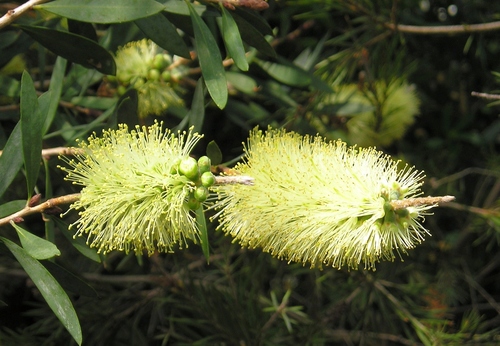
Callistemon species
Bottlebrush is a popular ornamental shrub known for its unique, spike-like flowers that resemble traditional bottle-cleaning brushes. It is generally considered safe for household pets, though ingestion of large amounts of plant material may cause minor digestive discomfort.
Safety status
Cats
UncertainIdentity or evidence quality is not strong enough for a firm answer.
Verified against ASPCA/provenance audit 2026-05-06 on May 6, 2026.
Sources
Dogs
Generally safeConsulted references do not classify the plant as toxic for that pet type, while still allowing for mild GI upset if large amounts are chewed.
Verified against ASPCA/provenance audit 2026-05-06 on May 6, 2026.
Sources
If a pet has chewed or swallowed plant material and is showing symptoms, contact a veterinarian or poison resource immediately. This product is for structured reference, not diagnosis.
Cats — concern notes
Common signs
None specifically documented, though potential for mild gastrointestinal irritation exists if large quantities are consumed.
Escalation note
There is no specific veterinary data indicating toxicity for cats. If your cat consumes a significant amount of the plant, monitor for vomiting or lethargy and contact your veterinarian.
Dogs — concern notes
Common signs
Mild gastrointestinal upset, such as vomiting or diarrhea, may occur if large amounts of fibrous plant material are ingested.
Escalation note
The plant is considered non-toxic to dogs. While generally safe, any significant ingestion of plant matter can cause temporary stomach upset; consult your veterinarian if symptoms persist.
Safer alternatives
No hand-picked alternatives for this plant yet. You can still pick your own using the Compare button on any other plant.
ASPCA Toxic Plant List
veterinary · 99% reliability
The ASPCA lists Callistemon species as non-toxic to dogs.
NC State Extension Plant Toolbox
botanical · 94% reliability
Callistemon species are woody shrubs known for their brush-like inflorescences and are widely used in landscaping.
Bottlebrush (Callistemon species) has an uncertain toxicity classification for cats — there is no specific veterinary data confirming it is toxic, but it has not been definitively cleared either. The ASPCA does not currently list it among confirmed toxic or non-toxic plants, so treat it as an unknown risk and keep cats away from it as a precaution.
No specific symptoms are documented for cats that ingest bottlebrush. If your cat eats a small amount, mild gastrointestinal irritation such as vomiting or loose stools is possible; larger quantities are more likely to cause noticeable digestive upset. Watch for vomiting, lethargy, or loss of appetite and contact your vet if any of these appear.
Monitor your cat closely for signs of vomiting, lethargy, or reduced appetite. Because bottlebrush has an uncertain toxicity profile with no documented first-aid protocol, err on the side of caution and call your veterinarian or the ASPCA Animal Poison Control Center at (888) 426-4435 if your cat ate more than a small nibble or is showing any symptoms.
Confidence is low — as of the most recent provenance audit (May 2026), there is no specific veterinary toxicology data on bottlebrush and cats, and the classification remains uncertain with only 40% confidence in the 'safe' direction. Until clearer data exists, the safest approach is to prevent access entirely.
Bottlebrush (Callistemon species) is considered non-toxic to dogs. It is classified as generally safe, meaning it does not contain compounds known to cause poisoning in dogs.
Eating small amounts is unlikely to cause any problem, but ingesting large quantities of the fibrous plant material may cause mild gastrointestinal upset such as vomiting or diarrhea. Symptoms should be temporary.
A brief nibble does not require an emergency call, but contact your veterinarian if vomiting or diarrhea persists or if your dog consumed a large amount of the plant. For general poison concerns, you can also reach the ASPCA Animal Poison Control Center at (888) 426-4435.
There is no documented toxic dose because the plant is non-toxic to dogs. Digestive discomfort is linked to the volume of fibrous plant matter eaten rather than any toxic principle, so a dog that eats a large quantity of stems or flowers is more likely to experience stomach upset than one that takes a small bite.
Same genus
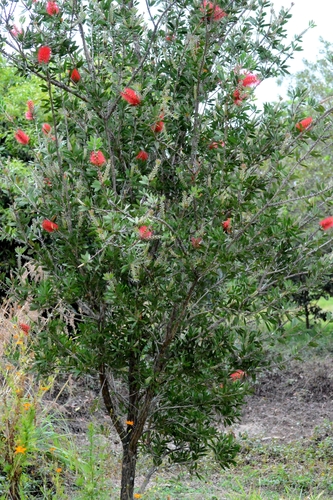
Bottlebrush is a popular evergreen shrub known for its unique, spike-like flowers that resemble a cleaning brush. It is generally considered safe for pets, though its fibrous nature may cause mild digestive discomfort if consumed in large quantities.
Generally safe for cats & dogs.
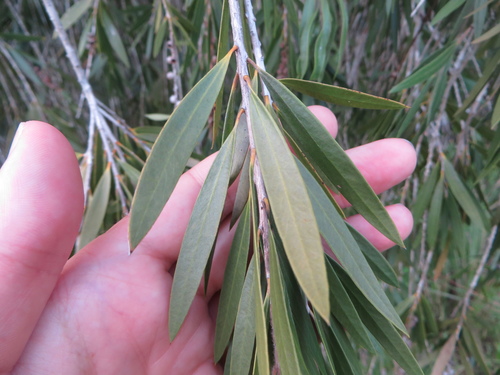
The Weeping Bottlebrush is a popular ornamental shrub known for its unique, brush-like flowers that resemble traditional bottle cleaners. It is generally considered safe for household pets, though its fibrous nature may cause minor digestive discomfort if consumed in large quantities.
Generally safe for cats & dogs.
Same safety verdict

The Bottle Palm is a popular, slow-growing succulent known for its swollen, water-storing trunk and long, arching, grass-like leaves. Despite its common name, it is a member of the Asparagaceae family and is not a true palm.
Uncertain for cats.
Generally safe for dogs.
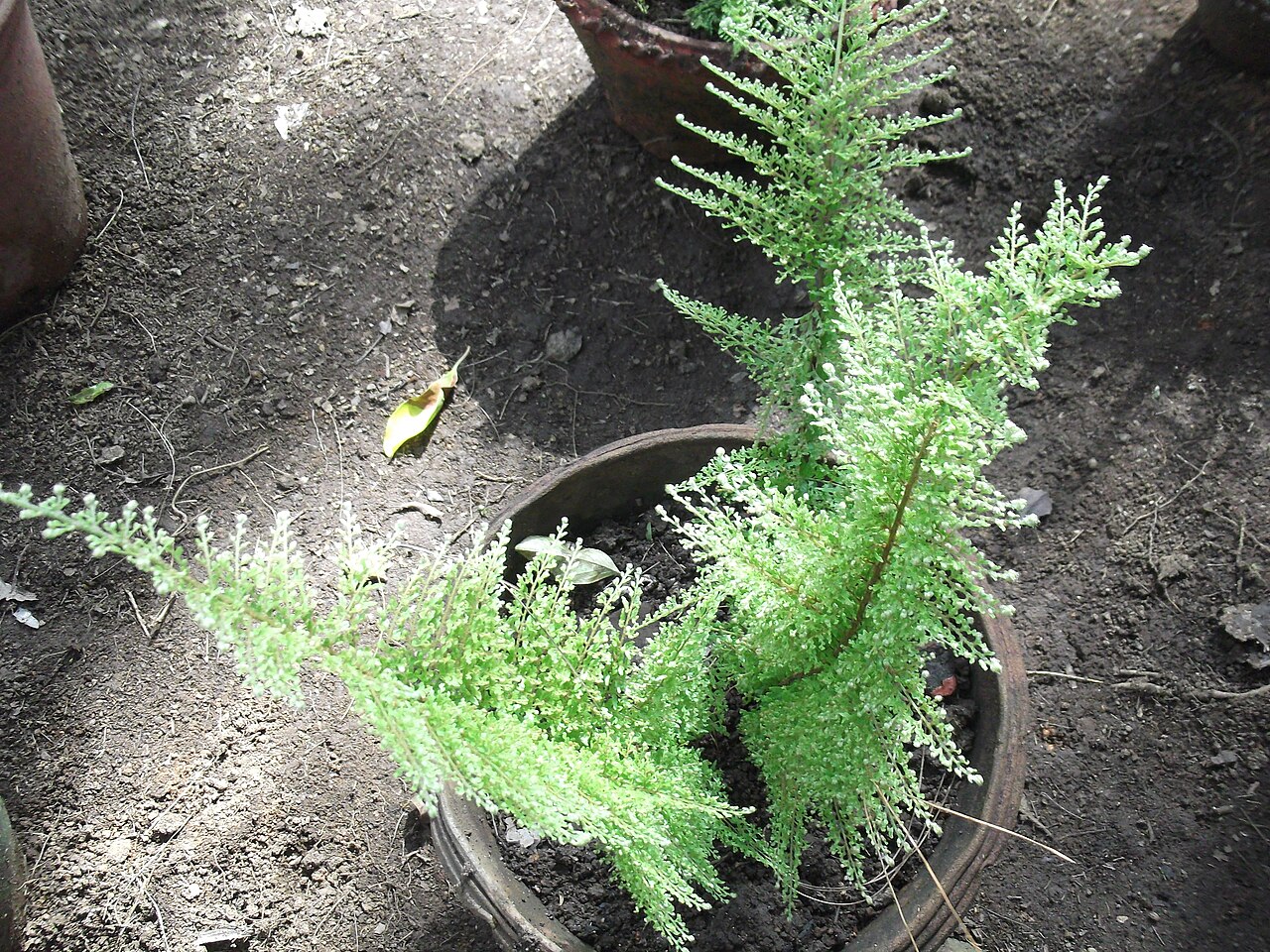
The Boston Fern is a popular, lush houseplant known for its arching fronds and preference for high humidity. It is widely considered safe for pets, though ingestion of any plant material can occasionally cause minor digestive upset.
Uncertain for cats.
Generally safe for dogs.
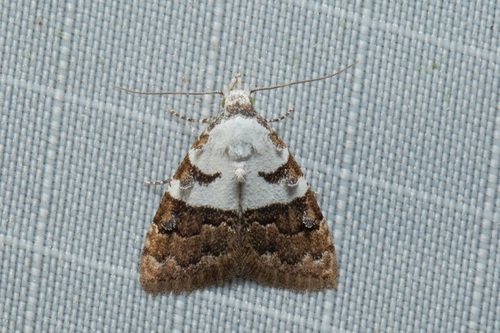
Nolina tuberculata is a slow-growing succulent plant often mistaken for a true palm due to its swollen, bottle-shaped trunk. It is generally considered a safe ornamental choice for households with pets.
Uncertain for cats.
Generally safe for dogs.
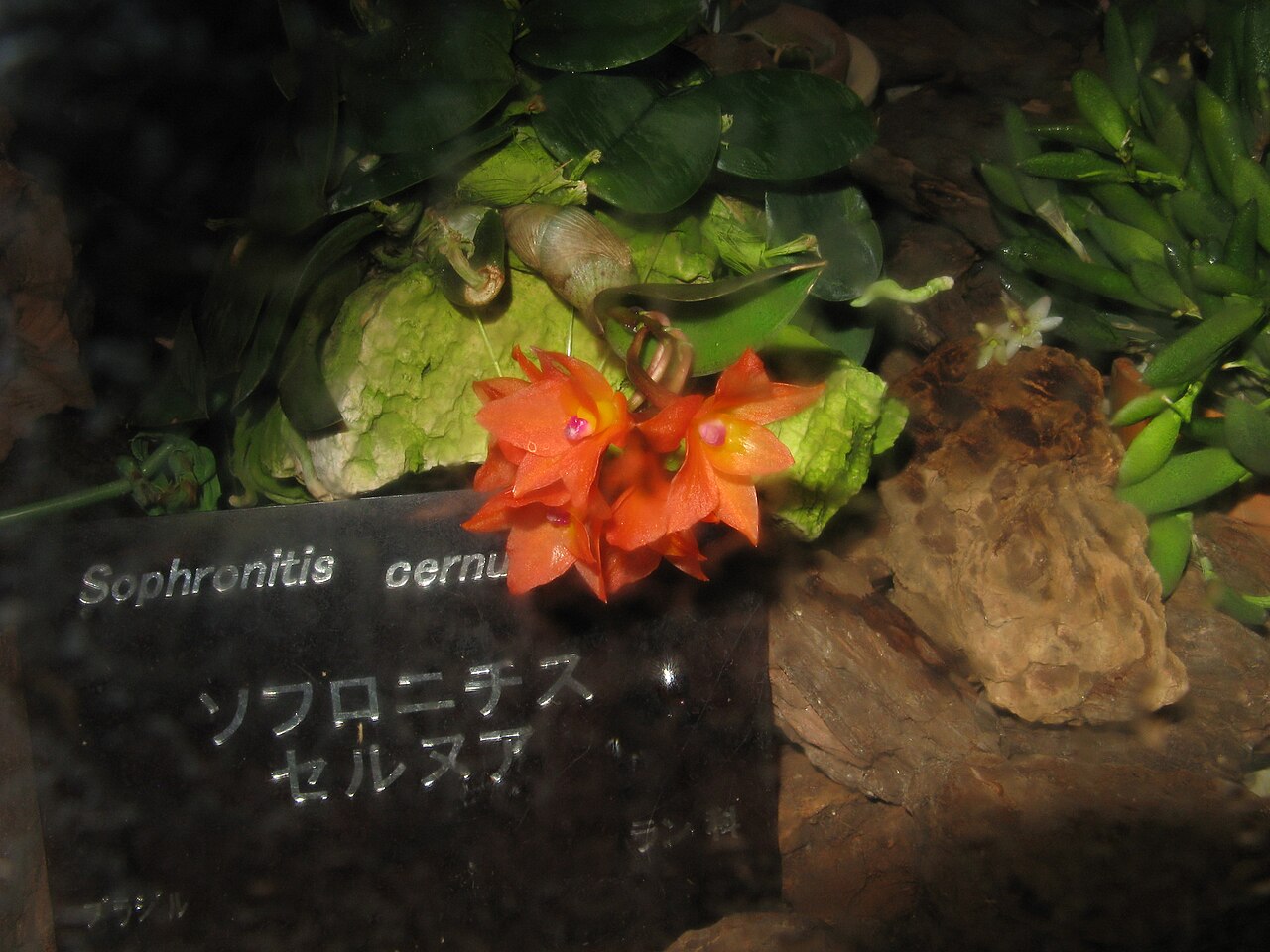
Sophronitis is a genus of small, epiphytic orchids native to Brazil, known for their vibrant, often red or orange, flowers. They are generally considered safe for household pets, though individual plant parts can cause minor digestive irritation if consumed in large quantities.
Uncertain for cats.
Generally safe for dogs.
Same growing conditions
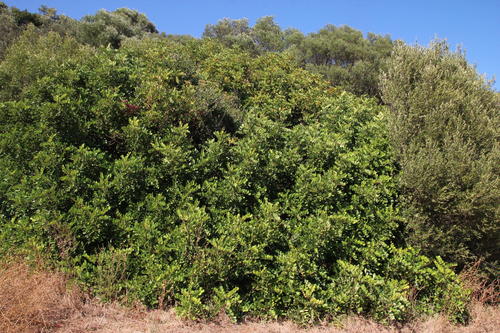
Carob is a Mediterranean evergreen tree known for its edible pods, which are commonly used as a chocolate substitute. It is considered safe for pets, though its fibrous nature may cause minor digestive discomfort if consumed in large quantities.
Generally safe for cats & dogs.
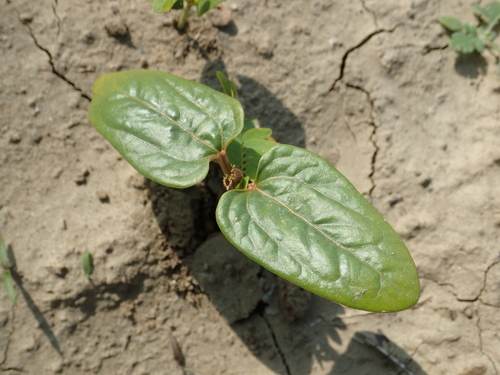
The African Wonder Tree is a fast-growing ornamental shrub known for its large, palm-like leaves and unique seed pods. It contains ricin, a highly potent toxin found throughout the plant, with the highest concentration in the seeds.
Potentially toxic for cats & dogs.

The Honey Locust is a large, deciduous tree known for its feathery foliage and long, flat seed pods. While it is considered non-toxic, the fibrous nature of the plant material may cause minor digestive discomfort if consumed in large quantities.
Generally safe for cats.
Not yet rated for dogs.
Algaroba is a leguminous tree known for its hardy nature and feathery foliage. While it is not considered toxic, the fibrous nature of the plant material may cause minor digestive discomfort if consumed in large quantities.
Generally safe for cats.
Not yet rated for dogs.