Dogs
Potentially toxicConsulted references classify the plant as toxic or irritating for that pet type.
Verified against ASPCA/provenance audit 2026-05-06 on May 6, 2026.
Sources
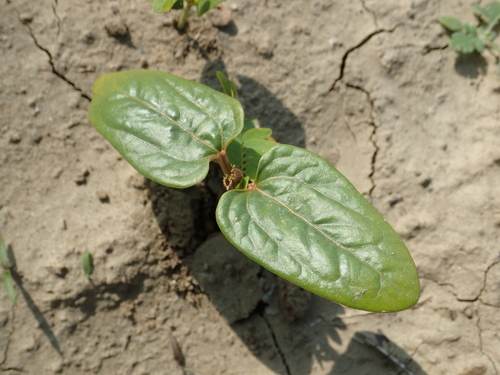
Ricinus communis
The African Wonder Tree is a fast-growing ornamental shrub known for its large, palm-like leaves and unique seed pods. It contains ricin, a highly potent toxin found throughout the plant, with the highest concentration in the seeds.
Safety status
Dogs
Potentially toxicConsulted references classify the plant as toxic or irritating for that pet type.
Verified against ASPCA/provenance audit 2026-05-06 on May 6, 2026.
Sources
Castor bean is one of the most dangerous garden plants for dogs. ASPCA and Pet Poison Helpline both flag it as severely toxic — chewing as few as one or two seeds can be life-threatening because the seeds contain ricin, which inhibits cellular protein synthesis and can cause organ failure.
Severe and fast-onset signs: heavy drooling, oral irritation, vomiting (sometimes bloody), diarrhea, abdominal pain, and excessive thirst. As ricin spreads, watch for loss of appetite, weakness, trembling, dehydration, sweating, and labored breathing — Pet Poison Helpline notes seeds are the highest-risk part.
ASPCA reports onset is typically 12–48 hours after ingestion, though oral irritation and vomiting can begin within hours of chewing seeds. Without aggressive in-clinic treatment, severe cases can progress to organ failure and death over 1–3 days.
Call immediately — this is a true emergency. Phone ASPCA Poison Control (888-426-4435) or Pet Poison Helpline (855-764-7661) on the way to the clinic, even if your dog seems fine. Symptoms can be delayed by 12–48 hours and waiting can be fatal.
Get your dog to a veterinarian immediately. Bring a sample of the plant or any remaining seeds for identification. Do not try to induce vomiting at home unless poison control or your vet specifically tells you to — Pet Poison Helpline notes that decontamination with activated charcoal and IV fluids is most effective when done at the clinic.
Sources: ASPCA, Pet Poison Helpline.
If a pet has chewed or swallowed plant material and is showing symptoms, contact a veterinarian or poison resource immediately. This product is for structured reference, not diagnosis.
Dogs — concern notes
Common signs
Severe gastrointestinal distress, drooling, loss of appetite, dehydration, and potential organ damage.
Escalation note
The plant contains ricin, which is extremely dangerous to dogs. Immediate veterinary intervention is required if ingestion is suspected.
Safer alternatives
No hand-picked alternatives for this plant yet. You can still pick your own using the Compare button on any other plant.
ASPCA Toxic Plant List
toxicology · 99% reliability
Castor Bean is toxic to both cats and dogs due to the presence of ricin.
Yes, castor bean (Ricinus communis) is extremely toxic to dogs. The plant contains ricin, a highly potent toxin found throughout the plant — including leaves, stems, and roots — with the highest concentration in the seeds. This is a true emergency: immediate veterinary intervention is required if ingestion is suspected.
Symptoms can begin within hours of chewing seeds (oral irritation, heavy drooling, vomiting) but the full toxic picture — including bloody vomiting, diarrhea, abdominal pain, weakness, trembling, dehydration, and labored breathing — typically develops 12–48 hours after ingestion. Without aggressive in-clinic treatment, severe cases can progress to organ failure and death over 1–3 days.
Get to a veterinarian immediately — do not wait for symptoms. Bring a sample of the plant or any remaining seeds for identification. Do not try to induce vomiting at home unless poison control or your vet specifically instructs you to; decontamination with activated charcoal and IV fluids is most effective when done at the clinic. Call ASPCA Poison Control (888-426-4435) or Pet Poison Helpline (855-764-7661) on the way.
The seeds (castor beans) carry the highest concentration of ricin and are the highest-risk part of the plant, but ricin is present throughout the entire plant — leaves, stems, and roots are all dangerous. Even a small number of seeds can be lethal to a dog, so there is no 'safe' part of this plant to have within reach of a pet.
Same dog verdict
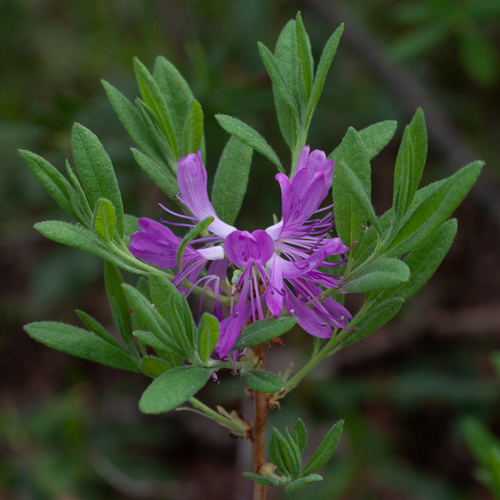
Azaleas are flowering shrubs in the Rhododendron genus that contain grayanotoxins, which can cause significant illness if ingested by pets. These plants are highly toxic and require immediate veterinary attention if consumption is suspected.
Potentially toxic for cats & dogs.
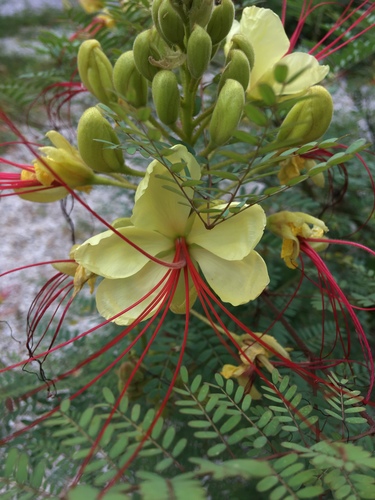
Barbados Pride is a flowering shrub known for its striking yellow flowers and long red stamens. It contains compounds that can cause gastrointestinal distress if ingested by pets.
Potentially toxic for cats & dogs.
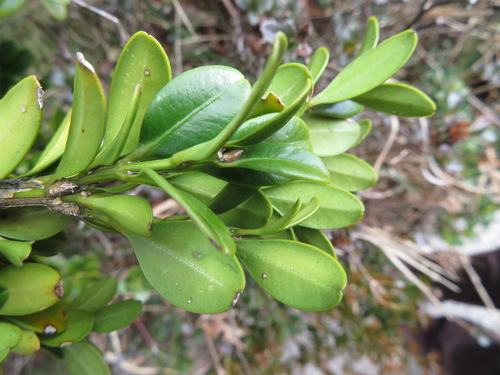
Boxwood is a popular evergreen shrub often used for hedging and topiary, containing steroidal alkaloids that can cause gastrointestinal distress if ingested. It is considered toxic to both cats and dogs.
Potentially toxic for cats & dogs.
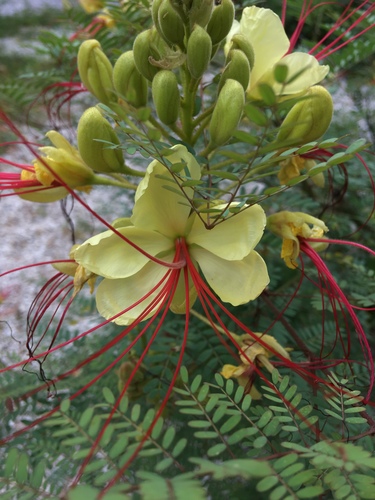
Caesalpinia gilliesii, often called the Bird of Paradise shrub, is a flowering plant known for its striking yellow and red blooms. It contains compounds that can cause gastrointestinal distress if ingested by pets.
Potentially toxic for cats & dogs.