Cats
Potentially toxicConsulted references classify the plant as toxic or irritating for that pet type.
Verified against ASPCA/provenance audit 2026-05-06 on May 6, 2026.
Sources
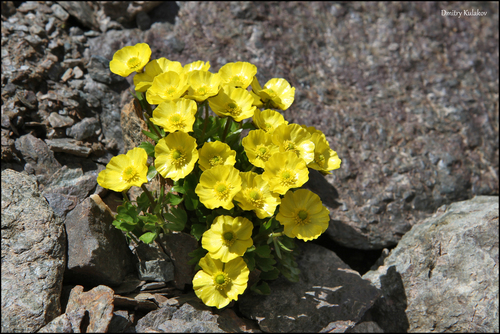
Ranunculus spp.
Buttercups are flowering plants known for their bright, cup-shaped blooms, but they contain compounds that can cause irritation if ingested. They are generally considered toxic to household pets due to the presence of protoanemonin.
Safety status
Cats
Potentially toxicConsulted references classify the plant as toxic or irritating for that pet type.
Verified against ASPCA/provenance audit 2026-05-06 on May 6, 2026.
Sources
Cats almost always self-limit on Buttercup — chewing releases protoanemonin, a stinging oil that blisters the mouth and tastes terrible, so most cats spit the plant out fast. The risk is real but usually mild: oral pain, drooling, and a bout of vomiting. Severe cases are rare in cats because the plant is so unpleasant to keep eating.
Earliest and most common: heavy drooling, pawing at the mouth, and visible irritation or small ulcers on the tongue or gums. Often followed by vomiting, diarrhea, and reduced appetite. ASPCA also lists depression and a wobbly gait with larger ingestions. Symptoms tend to be uncomfortable but not life-threatening.
Signs typically appear within about 3 hours of chewing. Most cats recover within 24–48 hours with supportive care once the protoanemonin is rinsed away and oral pain is managed; oral ulcers can take several days to fully heal.
Call your vet or ASPCA Poison Control (888-426-4435) if drooling persists beyond a couple of hours, if you see oral ulcers, or if vomiting and diarrhea don't settle within 24 hours. Call immediately if your cat is refusing to eat or drink, seems unsteady on its feet, or you saw it chew on a large amount.
If you can do it safely, gently wipe the cat's mouth and remove any plant pieces stuck on the teeth or fur. Don't try to make the cat vomit and don't give over-the-counter medications. Call your vet or ASPCA Poison Control before bringing the cat in so they can advise on whether to be seen and what to do in the meantime.
Sources: ASPCA, Pet Poison Helpline.
If a pet has chewed or swallowed plant material and is showing symptoms, contact a veterinarian or poison resource immediately. This product is for structured reference, not diagnosis.
Cats — concern notes
Common signs
Drooling, vomiting, diarrhea, and oral irritation or blistering.
Escalation note
Ingestion can cause significant gastrointestinal distress. Please contact your veterinarian immediately if you suspect your cat has consumed any part of this plant.
Safer alternatives
No hand-picked alternatives for this plant yet. You can still pick your own using the Compare button on any other plant.
ASPCA Toxic Plant List
toxicology · 99% reliability
Buttercup is toxic to both cats and dogs, causing gastrointestinal irritation.
NC State Extension Plant Toolbox
botanical · 94% reliability
Ranunculus species are known to be toxic to livestock and pets due to the compound protoanemonin.
Buttercups contain protoanemonin, an irritating compound released when the plant is chewed or crushed. It causes direct irritation and blistering to the mouth, tongue, and gastrointestinal tract. Most cats recover within 24–48 hours once the compound is cleared and oral pain is managed, though oral ulcers can take several days to fully heal.
Yes, buttercups (Ranunculus spp.) are toxic to cats. They contain protoanemonin, a compound that causes oral irritation, drooling, vomiting, and diarrhea. Symptoms are typically uncomfortable but not life-threatening in most cases.
The earliest signs are heavy drooling, pawing at the mouth, and visible irritation or small ulcers on the tongue or gums, usually appearing within about 3 hours of chewing. These are often followed by vomiting, diarrhea, and reduced appetite. Larger ingestions can also cause depression and a wobbly gait.
If you can do so safely, gently wipe your cat's mouth and remove any plant pieces stuck on the teeth or fur. Do not try to make your cat vomit and do not give over-the-counter medications. Call your vet or ASPCA Animal Poison Control at (888) 426-4435 before coming in so they can advise on next steps.
Same cat verdict
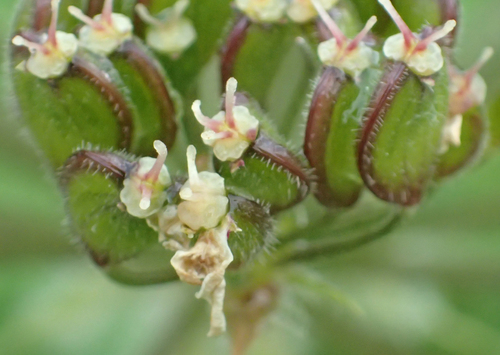
Cow parsnip is a large, herbaceous perennial member of the carrot family known for its tall stature and umbrella-like flower clusters. It contains furanocoumarins that can cause significant skin and mucosal irritation upon contact.
Potentially toxic for cats & dogs.
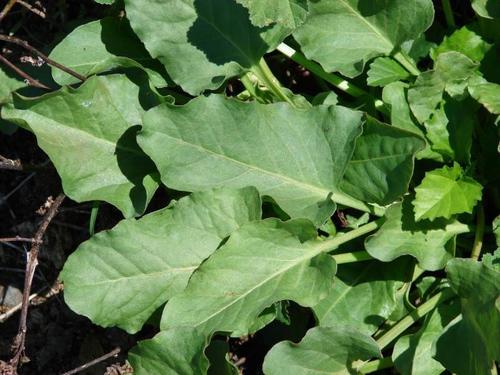
Dock is a genus of perennial herbs often found in fields and gardens that contains soluble calcium oxalates. Ingestion of any part of the plant can cause irritation to the mouth and digestive tract.
Potentially toxic for cats & dogs.
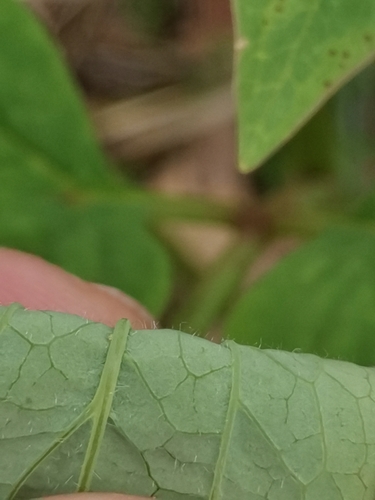
The peony is a popular garden perennial known for its large, showy blooms. While prized for its beauty, all parts of the plant contain paeonol, which can cause gastrointestinal distress if ingested by pets.
Potentially toxic for cats & dogs.
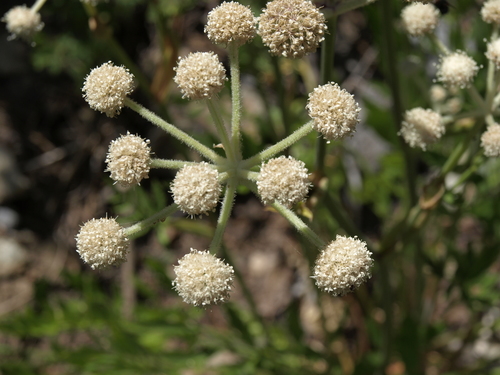
Ranger's Button is a perennial herb native to the western United States, known for its distinct, button-like flower clusters. It is considered toxic to pets if ingested and should be kept out of reach.
Potentially toxic for cats & dogs.