Dogs
Potentially toxicConsulted references classify the plant as toxic or irritating for that pet type.
Verified against ASPCA/provenance audit 2026-05-06 on May 6, 2026.
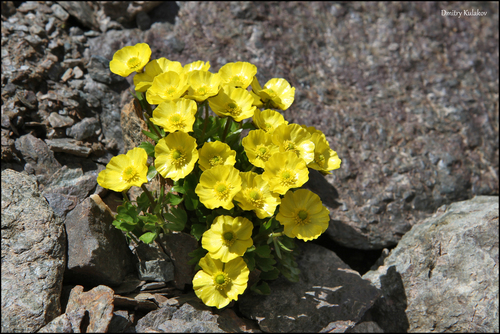
Ranunculus spp.
Buttercups are flowering plants known for their bright, cup-shaped blooms, but they contain compounds that can cause irritation if ingested. They are generally considered toxic to household pets due to the presence of protoanemonin.
Safety status
Dogs
Potentially toxicConsulted references classify the plant as toxic or irritating for that pet type.
Verified against ASPCA/provenance audit 2026-05-06 on May 6, 2026.
Dogs are far more likely than cats to chow down on Buttercup before the bitter taste stops them — bigger appetites, less discriminating palates. The plant's protoanemonin oil blisters mucous membranes, so a dog that's eaten a real mouthful can develop painful oral ulcers along with vomiting and diarrhea. Pet Poison Helpline notes fatalities are rare, but the GI upset can be significant.
Heavy drooling and pawing at the mouth come first, often with a foul-smelling mouth from blistering. Then expect vomiting, diarrhea, and abdominal pain. ASPCA and Pet Poison Helpline also list depression, anorexia, and a wobbly gait; with very large ingestions, weakness or labored breathing have been reported. Stool may have blood if the GI tract is significantly irritated.
Signs typically appear within 3–6 hours of ingestion. Most dogs recover in 24–48 hours with fluids and a bland diet; oral ulcers can take several days to heal and a soft diet for about a week is commonly recommended.
Call your vet or Pet Poison Helpline (855-764-7661) for any persistent drooling, repeated vomiting, visible oral ulcers, or refusal to eat. Call immediately for small or young dogs, for any neurological signs (weakness, unsteadiness), or if the dog ate a large amount of plant material — IV fluids and anti-nausea medication may be needed.
Take any plant remnants out of the mouth and away from the dog. Offer fresh water but do not induce vomiting and do not give human pain or stomach medications. Call your vet or Pet Poison Helpline before transport so they can stage care — a vet may want to start activated charcoal or IV fluids on arrival, depending on how much was eaten.
Sources: ASPCA, Pet Poison Helpline.
If a pet has chewed or swallowed plant material and is showing symptoms, contact a veterinarian or poison resource immediately. This product is for structured reference, not diagnosis.
Dogs — concern notes
Common signs
Excessive salivation, abdominal pain, vomiting, and potential mouth sores.
Escalation note
The plant contains irritant sap that can cause discomfort upon contact or ingestion. Seek veterinary care if your dog shows signs of distress after exposure.
Safer alternatives
No hand-picked alternatives for this plant yet. You can still pick your own using the Compare button on any other plant.
Signs typically appear within 3–6 hours of ingestion. Most dogs recover within 24–48 hours with fluids and a bland diet, though oral ulcers can take several days to heal and a soft diet for about a week is commonly recommended.
Expect heavy drooling and pawing at the mouth first, often with a foul-smelling breath from blistering. This can be followed by vomiting, diarrhea, abdominal pain, and mouth sores. In cases of large ingestions, depression, wobbly gait, weakness, or labored breathing have been reported, and stool may contain blood if the GI tract is significantly irritated.
Remove any plant material from your dog's mouth and offer fresh water, but do not induce vomiting and do not give human pain or stomach medications. Call your vet or the ASPCA Animal Poison Control Center at (888) 426-4435 before transporting so they can prepare care — a vet may start activated charcoal or IV fluids on arrival depending on how much was eaten.
Yes, buttercups (Ranunculus spp.) are potentially toxic to dogs. They contain protoanemonin, an irritant compound in the sap that causes discomfort on contact and if ingested.
Same dog verdict
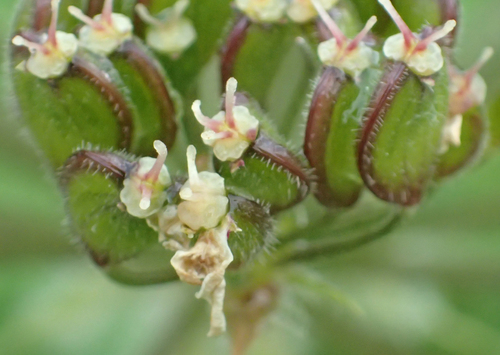
Cow parsnip is a large, herbaceous perennial member of the carrot family known for its tall stature and umbrella-like flower clusters. It contains furanocoumarins that can cause significant skin and mucosal irritation upon contact.
Potentially toxic for cats & dogs.
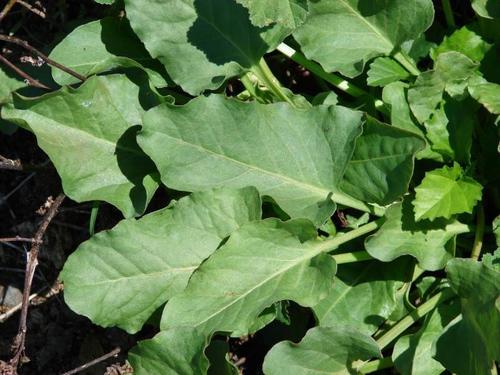
Dock is a genus of perennial herbs often found in fields and gardens that contains soluble calcium oxalates. Ingestion of any part of the plant can cause irritation to the mouth and digestive tract.
Potentially toxic for cats & dogs.
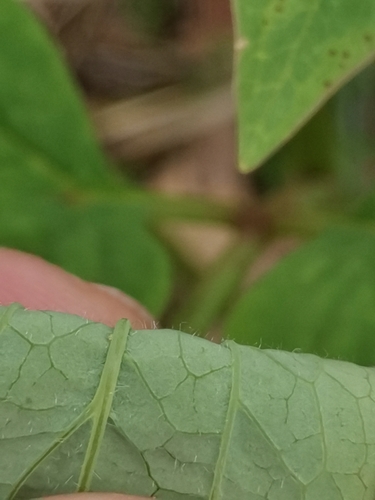
The peony is a popular garden perennial known for its large, showy blooms. While prized for its beauty, all parts of the plant contain paeonol, which can cause gastrointestinal distress if ingested by pets.
Potentially toxic for cats & dogs.
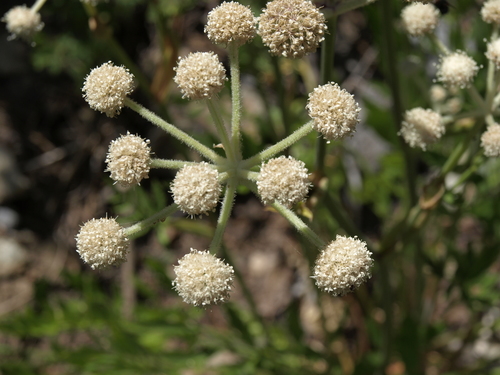
Ranger's Button is a perennial herb native to the western United States, known for its distinct, button-like flower clusters. It is considered toxic to pets if ingested and should be kept out of reach.
Potentially toxic for cats & dogs.