Compare

Geranium vs. Scented Geranium: which is safe for cats and dogs?

Geranium and Scented Geranium are frequently grouped together because both plants share the common-name alias pelargonium. If you are deciding which to bring into your home, it is important to know that both plants are considered potentially toxic to cats and dogs. While they are prized for their vibrant blooms and aromatic foliage, they contain essential oils that can cause gastrointestinal distress and skin irritation if ingested or handled. Neither plant is a safe choice for households with curious pets, as consumption of either variety may lead to discomfort and require veterinary attention. Understanding these risks helps you keep your living space both beautiful and pet-friendly.

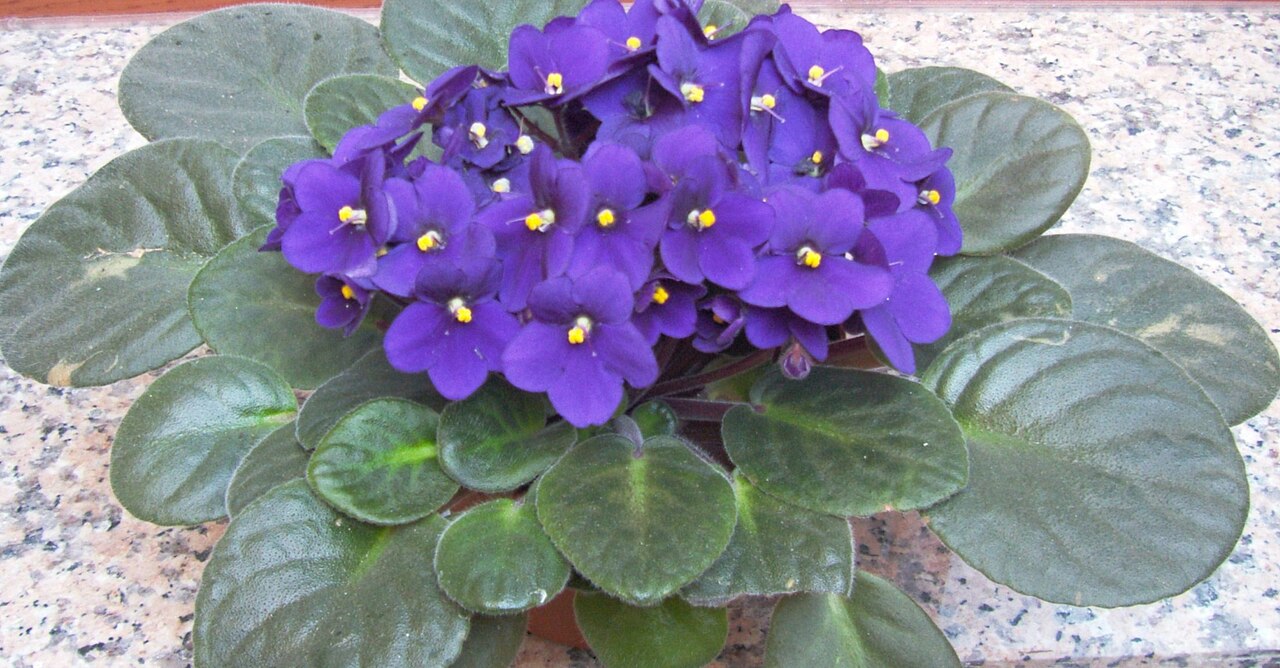
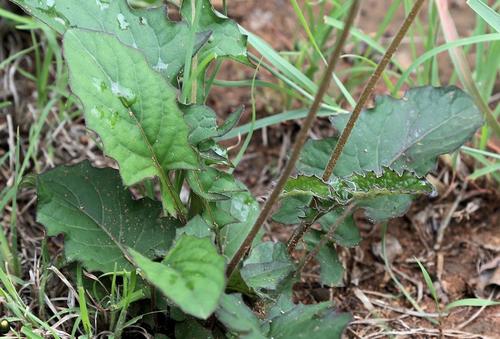
Geranium

Pelargonium species

Geraniums are popular flowering plants known for their vibrant blooms and fragrant foliage. While they are common garden and container plants, they contain essential oils that can cause adverse reactions if ingested by pets.

cat

Potentially toxic

Consulted references classify the plant as toxic or irritating for that pet type.

Watch for

Vomiting, anorexia, depression, and dermatitis.

dog

Potentially toxic

Consulted references classify the plant as toxic or irritating for that pet type.

Watch for

Vomiting, anorexia, depression, and skin irritation.
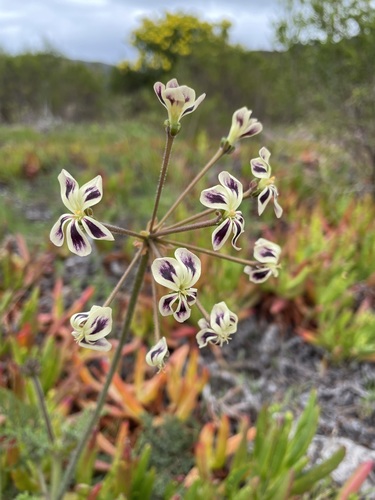
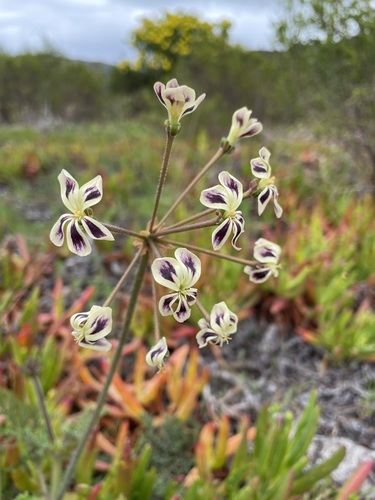
Scented Geranium

Pelargonium sp.

Scented geraniums are popular aromatic houseplants known for their fragrant foliage and clusters of small flowers. While prized for their scent, they contain essential oils that can cause irritation if ingested by pets.

cat

Potentially toxic

Consulted references classify the plant as toxic or irritating for that pet type.

Watch for

Vomiting, anorexia, depression, and potential skin irritation upon contact.

dog

Potentially toxic

Consulted references classify the plant as toxic or irritating for that pet type.

Watch for

Vomiting, loss of appetite, and lethargy.

Safer alternatives

Some links earn us a small commission. They never affect our safety classifications.