Dogs
Potentially toxicConsulted references classify the plant as toxic or irritating for that pet type.
Verified against ASPCA/provenance audit 2026-05-06 on May 6, 2026.
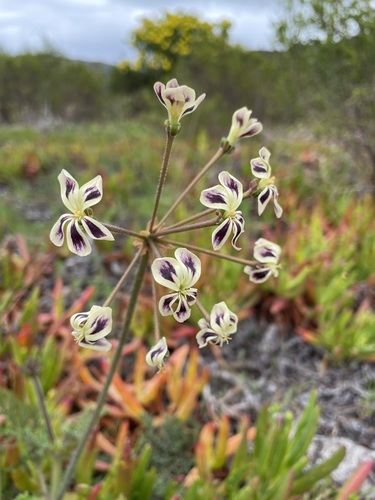
Pelargonium species
Geraniums are popular flowering plants known for their vibrant blooms and fragrant foliage. While they are common garden and container plants, they contain essential oils that can cause adverse reactions if ingested by pets.
Safety status
Dogs
Potentially toxicConsulted references classify the plant as toxic or irritating for that pet type.
Verified against ASPCA/provenance audit 2026-05-06 on May 6, 2026.
Dogs: geranium (Pelargonium) is toxic but typically mild. ASPCA lists the toxic principles as the essential oils geraniol and linalool. A dog who chews a leaf or rubs against the plant usually ends up with a mildly upset stomach or skin irritation rather than serious illness, but undiluted geranium essential oil is much more concentrated than the plant and should be treated more cautiously.
Vomiting, loss of appetite, and depression (low energy, withdrawal) top the list. Skin signs are also common — redness, itching, or hives where the plant contacted skin or where the dog groomed sap off. Drooling and mild diarrhea may follow.
Exact timing is not well documented. GI signs in dogs from essential-oil-containing plants usually begin within a few hours and resolve in 24–48 hours; skin irritation may persist a few days longer.
Call your vet or ASPCA Animal Poison Control (888-426-4435) if vomiting is repeated, if appetite hasn't returned in 24 hours, if skin lesions worsen or spread, or if a small dog or puppy has eaten more than a leaf or two. Exposure to geranium essential oil (not just the plant) should prompt a same-day call.
Sources: ASPCA (no specific first-aid guidance).
If a pet has chewed or swallowed plant material and is showing symptoms, contact a veterinarian or poison resource immediately. This product is for structured reference, not diagnosis.
Dogs — concern notes
Common signs
Vomiting, anorexia, depression, and skin irritation.
Escalation note
Symptoms are generally mild to moderate but can cause significant discomfort. Always consult with a veterinarian if you suspect your dog has consumed this plant.
Safer alternatives
Some links earn us a small commission. They never affect our safety classifications.
Yes, geraniums (Pelargonium species) are considered potentially toxic to dogs. They contain essential oils that can cause vomiting, loss of appetite, depression, and skin irritation if ingested or if the plant contacts skin.
The most common signs are vomiting, anorexia, and low energy or withdrawal. Skin contact can cause redness, itching, or hives, and you may also see drooling or mild diarrhea. GI symptoms typically begin within a few hours and resolve within 24–48 hours; skin irritation can linger a few days longer.
Monitor your dog closely for vomiting, appetite loss, and skin irritation. Call your vet or the ASPCA Animal Poison Control Center at (888) 426-4435 if vomiting is repeated, appetite hasn't returned within 24 hours, skin lesions worsen or spread, or a small dog or puppy ate more than a leaf or two. Exposure to geranium essential oil (not just the plant) warrants a same-day call.
Yes — geranium essential oil is considered more concerning than incidental plant ingestion, and any exposure to the oil should prompt a same-day call to your vet or ASPCA Animal Poison Control at (888) 426-4435. Symptoms from the plant itself are generally mild to moderate, but the concentrated oil raises the risk of more significant toxicity.
Same dog verdict
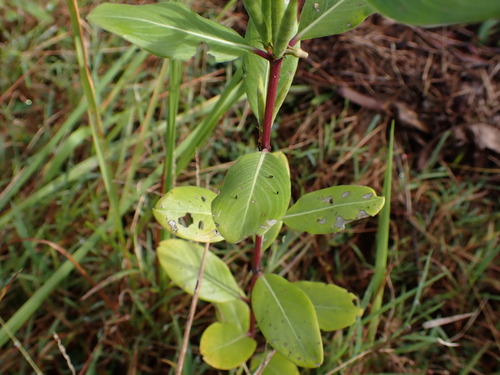
Catharanthus roseus is a flowering plant known for its vibrant blooms, but it contains alkaloids that are harmful if ingested by pets. It is commonly grown as an annual bedding plant or a container specimen.
Potentially toxic for cats & dogs.
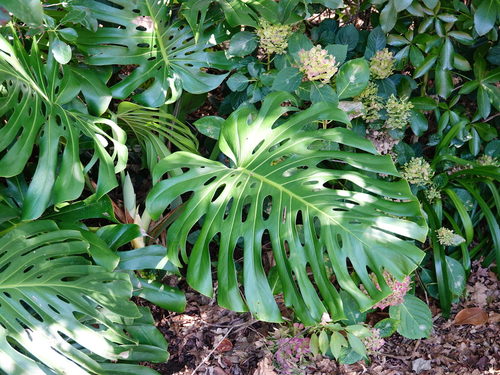
Monstera deliciosa is a popular tropical houseplant known for its large, fenestrated leaves and vining growth habit. It contains insoluble calcium oxalate crystals that can cause irritation if ingested by pets.
Potentially toxic for cats & dogs.
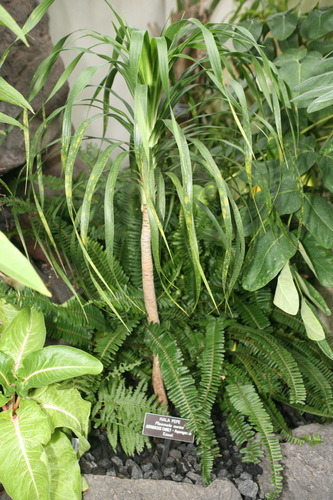
Dracaena trifasciata is a popular, hardy houseplant known for its stiff, sword-like leaves with striking yellow margins. It is widely appreciated for its air-purifying qualities and ability to thrive in various indoor conditions.
Potentially toxic for cats & dogs.
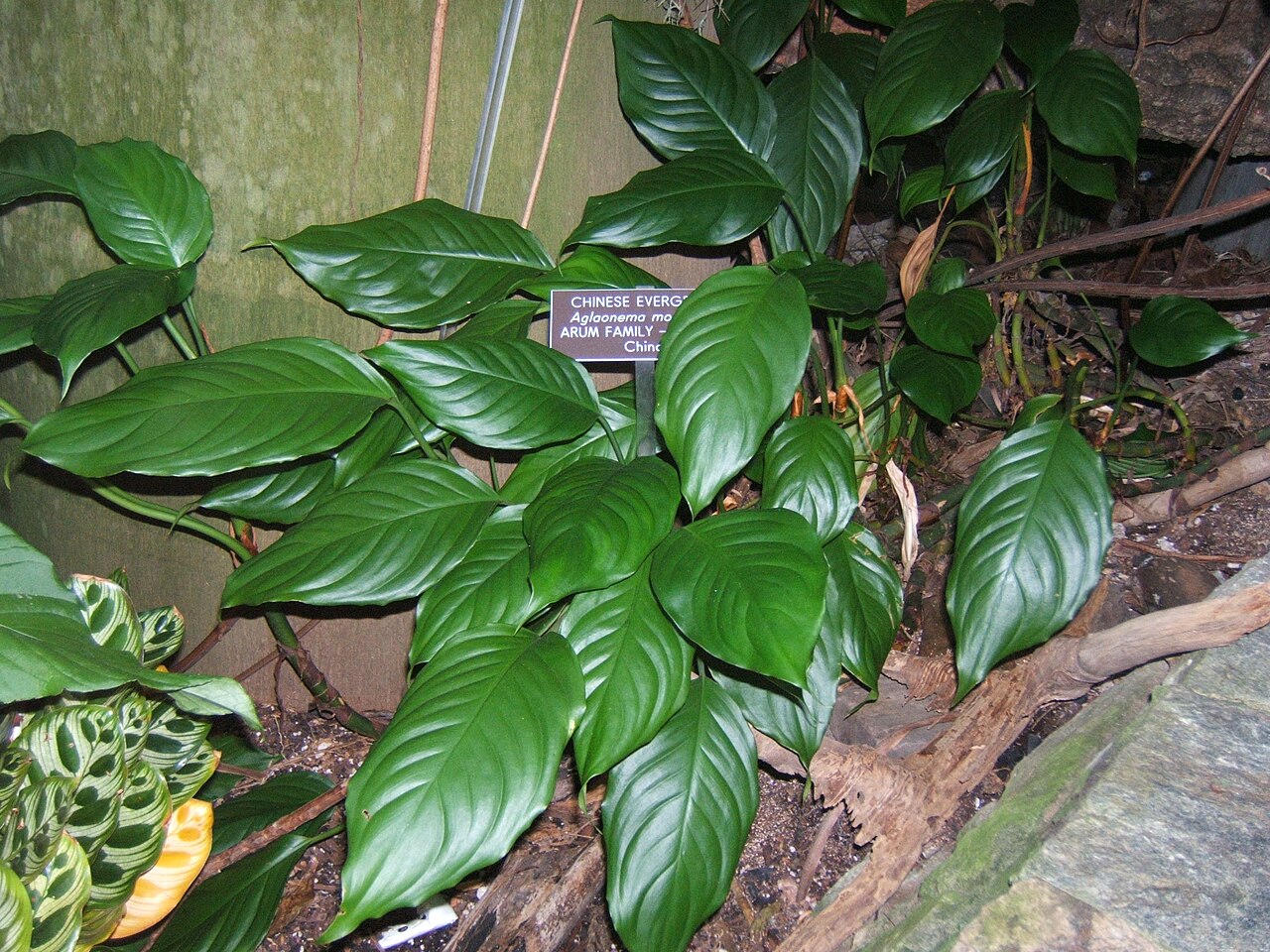
Chinese Evergreen is a popular indoor foliage plant known for its patterned leaves and tolerance of low light conditions. It contains insoluble calcium oxalate crystals that can cause irritation if ingested or chewed.
Potentially toxic for cats & dogs.