Cats
Potentially toxicConsulted references classify the plant as toxic or irritating for that pet type.
Verified against ASPCA/provenance audit 2026-05-06 on May 6, 2026.
Sources
Eucalyptus species
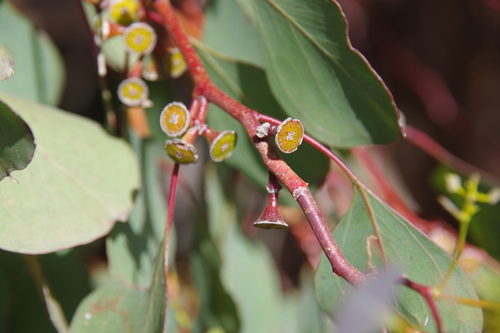
Eucalyptus is a diverse genus of evergreen trees and shrubs known for their aromatic, oil-rich foliage. While popular in floral arrangements and essential oils, the plant contains compounds that can be harmful if ingested by pets.
Safety status
Cats
Potentially toxicConsulted references classify the plant as toxic or irritating for that pet type.
Verified against ASPCA/provenance audit 2026-05-06 on May 6, 2026.
Sources
Cats: eucalyptus is meaningfully more dangerous to cats than to most other pets. Cats lack a key liver enzyme used to clear essential-oil compounds, so eucalyptol can build up rapidly — leaf-nibbling is usually mild, but exposure to diffused or topical eucalyptus oil can become severe quickly.
ASPCA lists salivation, vomiting, diarrhoea, and depression. Pet Poison Helpline adds drooling, lethargy, anorexia, and respiratory, dermal, and mucous-membrane irritation. With concentrated oil, watch for tremors, seizures, or signs of kidney injury (decreased urination, refusal to drink).
Pet Poison Helpline notes that signs from essential-oil exposure typically develop within 6–8 hours.
Call your vet or Pet Poison Helpline (855-764-7661) at the first sign of drooling or vomiting after eucalyptus contact, or immediately if your cat licked, walked through, or was exposed to a diffuser/topical containing eucalyptus oil.
If eucalyptus oil is on the skin or fur, Pet Poison Helpline says to wash it off quickly using liquid dishwashing detergent. Do NOT induce vomiting and do NOT give activated charcoal at home — both can worsen the cat's condition. Bring the product packaging with you to the clinic.
Sources: ASPCA, Pet Poison Helpline.
If a pet has chewed or swallowed plant material and is showing symptoms, contact a veterinarian or poison resource immediately. This product is for structured reference, not diagnosis.
Cats — concern notes
Common signs
Salivation, vomiting, diarrhea, and depression.
Escalation note
Ingestion can lead to gastrointestinal distress. Please contact your veterinarian or an animal poison control center if you suspect your cat has ingested any part of this plant.
Safer alternatives
Some links earn us a small commission. They never affect our safety classifications.
ASPCA Toxic Plant List
toxicology · 99% reliability
Eucalyptus is listed as toxic to both cats and dogs, causing symptoms such as salivation, vomiting, and diarrhea.
Yes, eucalyptus is toxic to cats. The ASPCA classifies it as potentially toxic, and exposure — whether from chewing leaves, contact with essential oil, or diffuser mist — can cause salivation, vomiting, diarrhea, and depression.
The ASPCA lists salivation, vomiting, diarrhea, and depression as the primary symptoms. Pet Poison Helpline adds drooling, lethargy, and anorexia, plus respiratory, dermal, and mucous-membrane irritation. With concentrated eucalyptus oil, more serious signs like tremors, seizures, or decreased urination can indicate kidney injury.
If the oil is on your cat's skin or fur, wash it off immediately with liquid dishwashing detergent. Do NOT induce vomiting and do NOT give activated charcoal at home — both can worsen your cat's condition. Call your vet or the ASPCA Animal Poison Control Center at (888) 426-4435 right away, and bring the product packaging to the clinic.
Pet Poison Helpline notes that signs from essential-oil exposure typically develop within 6–8 hours. Call your vet or Pet Poison Helpline (855-764-7661) at the first sign of drooling or vomiting — don't wait for symptoms to worsen before seeking help.
Same cat verdict
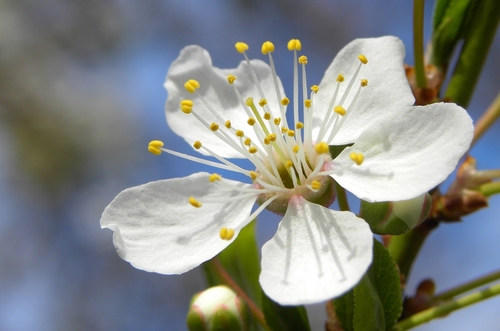
Cherry trees and shrubs contain cyanogenic glycosides in their stems, leaves, and pits, which can release cyanide when ingested. These plants are considered toxic to pets and should be kept out of reach.
Potentially toxic for cats & dogs.
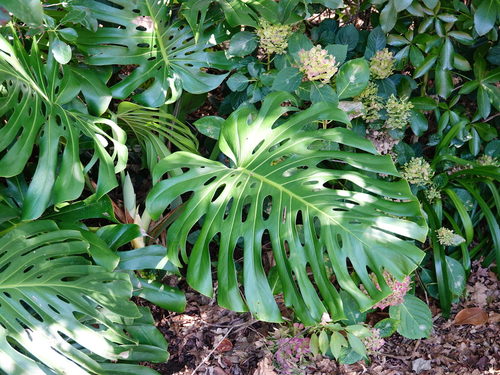
Monstera deliciosa is a popular tropical houseplant known for its large, fenestrated leaves and vining growth habit. It contains insoluble calcium oxalate crystals that can cause irritation if ingested by pets.
Potentially toxic for cats & dogs.
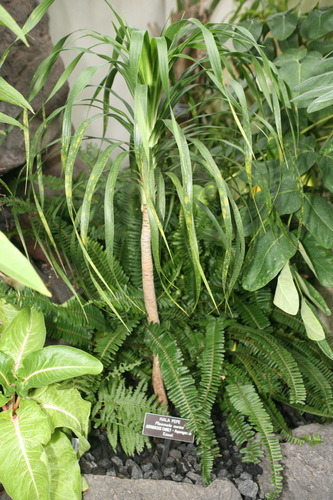
Dracaena trifasciata is a popular, hardy houseplant known for its stiff, sword-like leaves with striking yellow margins. It is widely appreciated for its air-purifying qualities and ability to thrive in various indoor conditions.
Potentially toxic for cats & dogs.
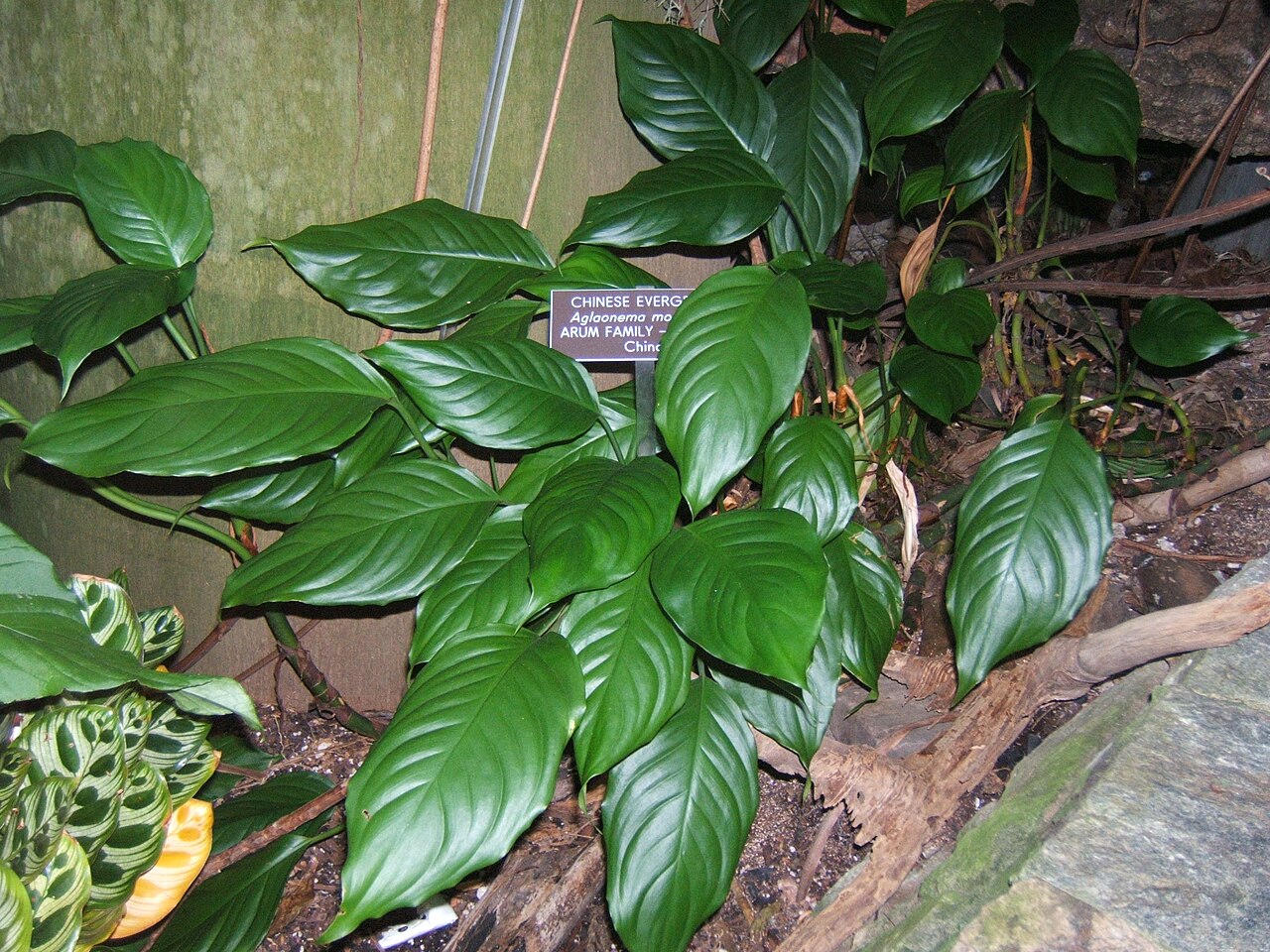
Chinese Evergreen is a popular indoor foliage plant known for its patterned leaves and tolerance of low light conditions. It contains insoluble calcium oxalate crystals that can cause irritation if ingested or chewed.
Potentially toxic for cats & dogs.