Compare

Dracaena vs. Corn Plant: which is safe for cats and dogs?

Dracaena and the Corn Plant are frequently compared because they both share the common-name alias Dracaena fragrans, leading many pet owners to believe they are distinct species with different safety profiles. In reality, both of these plants are members of the same genus and contain saponins, making them both potentially toxic to cats and dogs. While they are not typically fatal, ingestion of either plant can lead to significant gastrointestinal distress and other adverse physical reactions in your pets. Because both plants pose similar risks, it is important to keep them out of reach of your animals to ensure their continued health and comfort at home.

Dracaena

Dracaena spp.

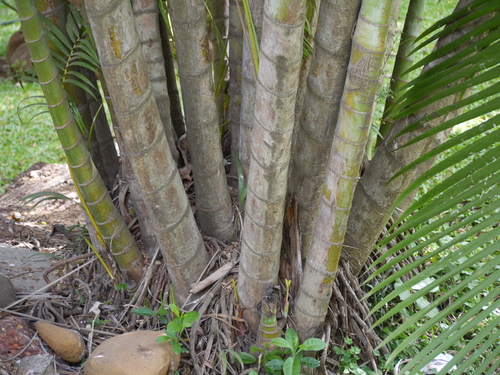
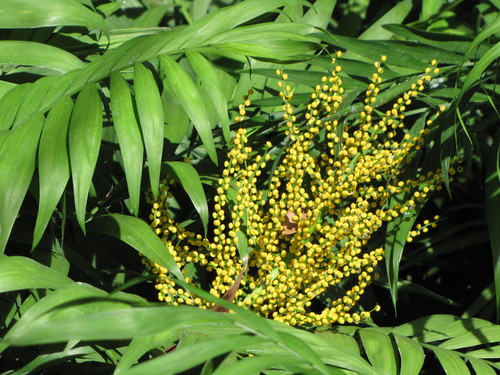
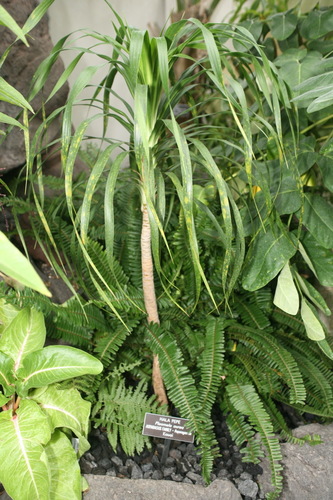
Dracaena is a popular genus of ornamental foliage plants known for their architectural, palm-like appearance. They contain saponins which can cause gastrointestinal and neurological distress if ingested by pets.

cat

Potentially toxic

Consulted references classify the plant as toxic or irritating for that pet type.

Watch for

Vomiting (sometimes with blood), depression, anorexia, hypersalivation, and dilated pupils.

dog

Potentially toxic

Consulted references classify the plant as toxic or irritating for that pet type.

Watch for

Vomiting, loss of appetite, excessive drooling, and lethargy.
Corn Plant

Dracaena fragrans

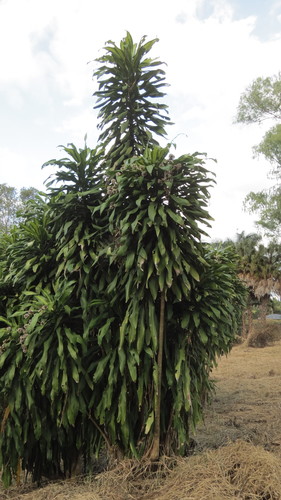
The Corn Plant is a popular indoor shrub known for its long, arching, sword-like leaves that resemble corn stalks. While aesthetically pleasing, it contains saponins that can cause adverse reactions if ingested by pets.

cat

Potentially toxic

Consulted references classify the plant as toxic or irritating for that pet type.

Watch for

Vomiting (occasionally with blood), depression, anorexia, hypersalivation, and dilated pupils.

dog

Potentially toxic

Consulted references classify the plant as toxic or irritating for that pet type.

Watch for

Vomiting, depression, anorexia, and hypersalivation.

Safer alternatives

Some links earn us a small commission. They never affect our safety classifications.