Compare

Desert Bird of Paradise vs. Pride of Barbados: which is safe for cats and dogs?

Desert Bird of Paradise and Pride of Barbados are frequently compared because both belong to the Caesalpinia genus and share similar striking, tropical appearances. If you are choosing between these two for your home or garden, it is important to know that both plants are considered potentially toxic to pets. Ingesting any part of either shrub can lead to gastrointestinal distress in both cats and dogs. While the specific reactions can vary between individual animals, you should treat both plants with caution to keep your furry companions safe. We have broken down the specific risks and symptoms for cats and dogs below to help you make an informed decision.

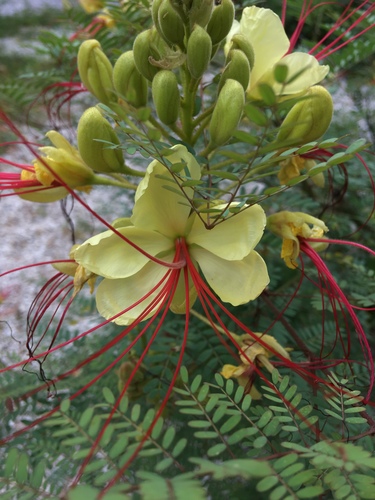
Desert Bird of Paradise

Caesalpinia gilliesii

Caesalpinia gilliesii, often called the Bird of Paradise shrub, is a flowering plant known for its striking yellow and red blooms. It contains compounds that can cause gastrointestinal distress if ingested by pets.

cat

Potentially toxic

Consulted references classify the plant as toxic or irritating for that pet type.

Watch for

Vomiting, diarrhea, and abdominal pain.

dog

Potentially toxic

Consulted references classify the plant as toxic or irritating for that pet type.

Watch for

Vomiting, diarrhea, and lethargy.
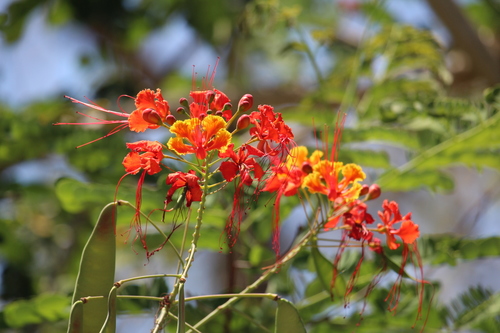
Pride of Barbados

Caesalpinia pulcherrima

Barbados Pride is a tropical shrub known for its vibrant, showy flowers and fern-like foliage. It is considered toxic to pets if ingested, primarily due to the presence of compounds that can cause gastrointestinal distress.

cat

Potentially toxic

Consulted references classify the plant as toxic or irritating for that pet type.

Watch for

Vomiting, diarrhea, and abdominal pain.

dog

Potentially toxic

Consulted references classify the plant as toxic or irritating for that pet type.

Watch for

Vomiting, diarrhea, and lethargy.